EN
EN
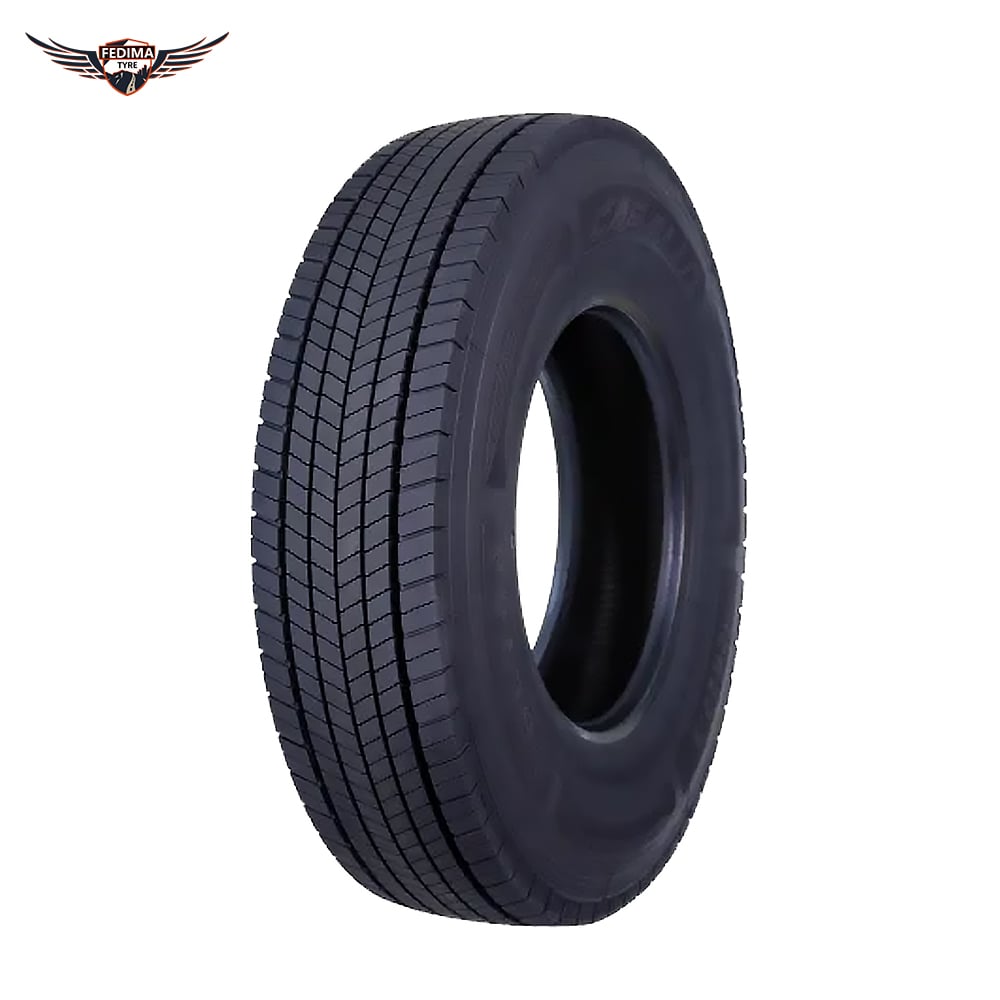
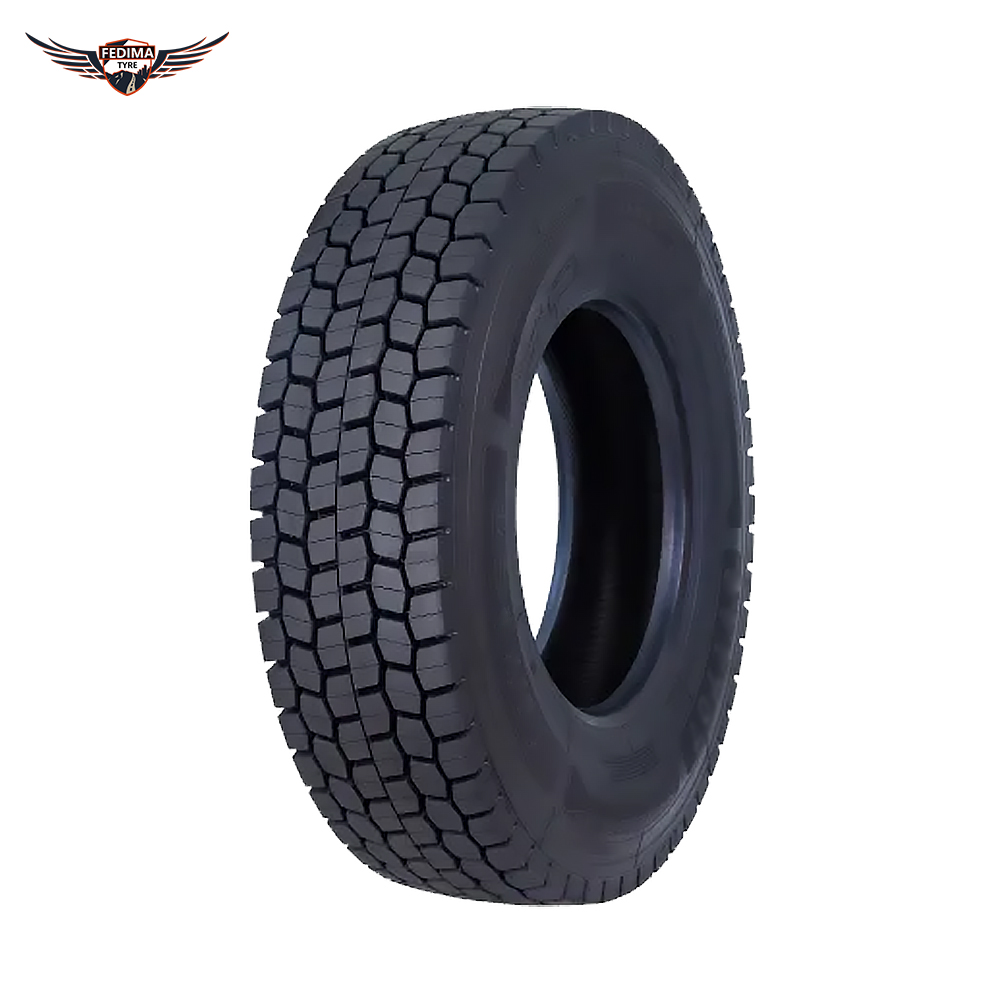
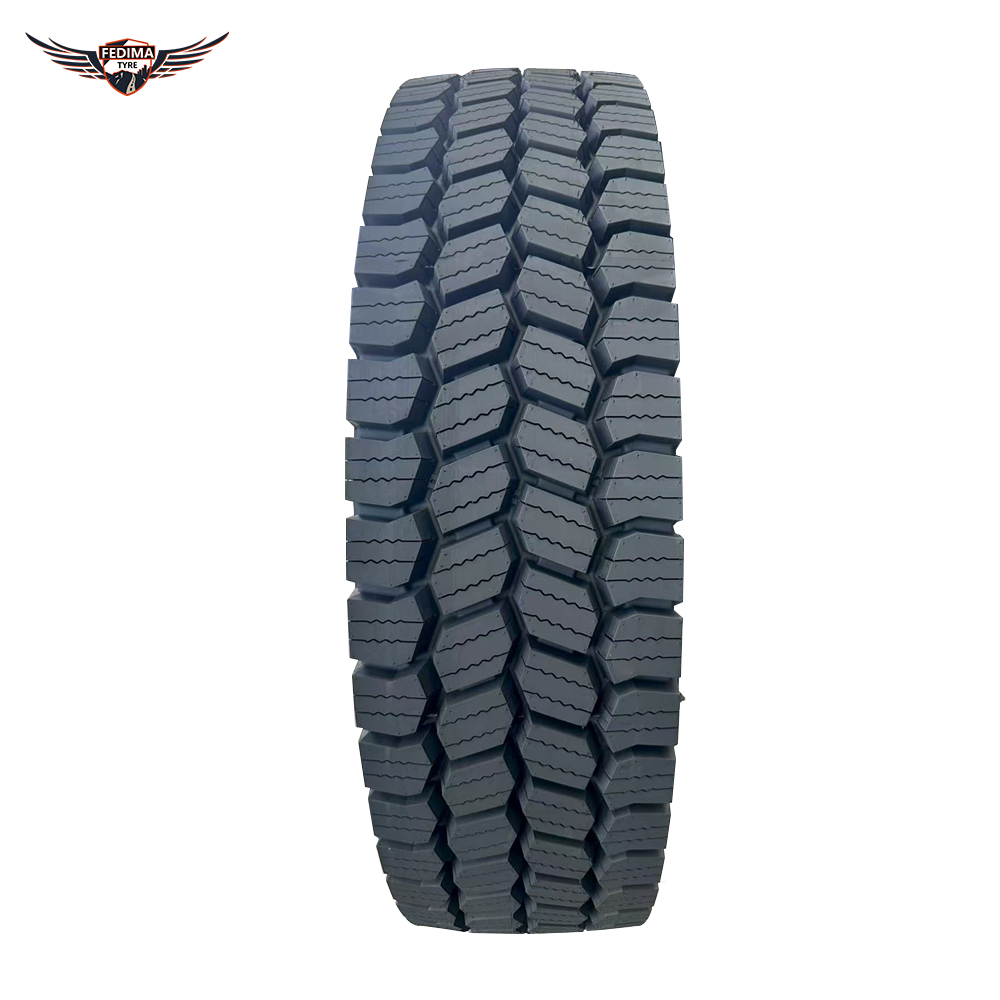
FEDIMA Tbr Tire 12R22.5 F508 Drive Trailer Truck Tyres
Material: Natural rubber from Malaysia and Thailand.
Features:
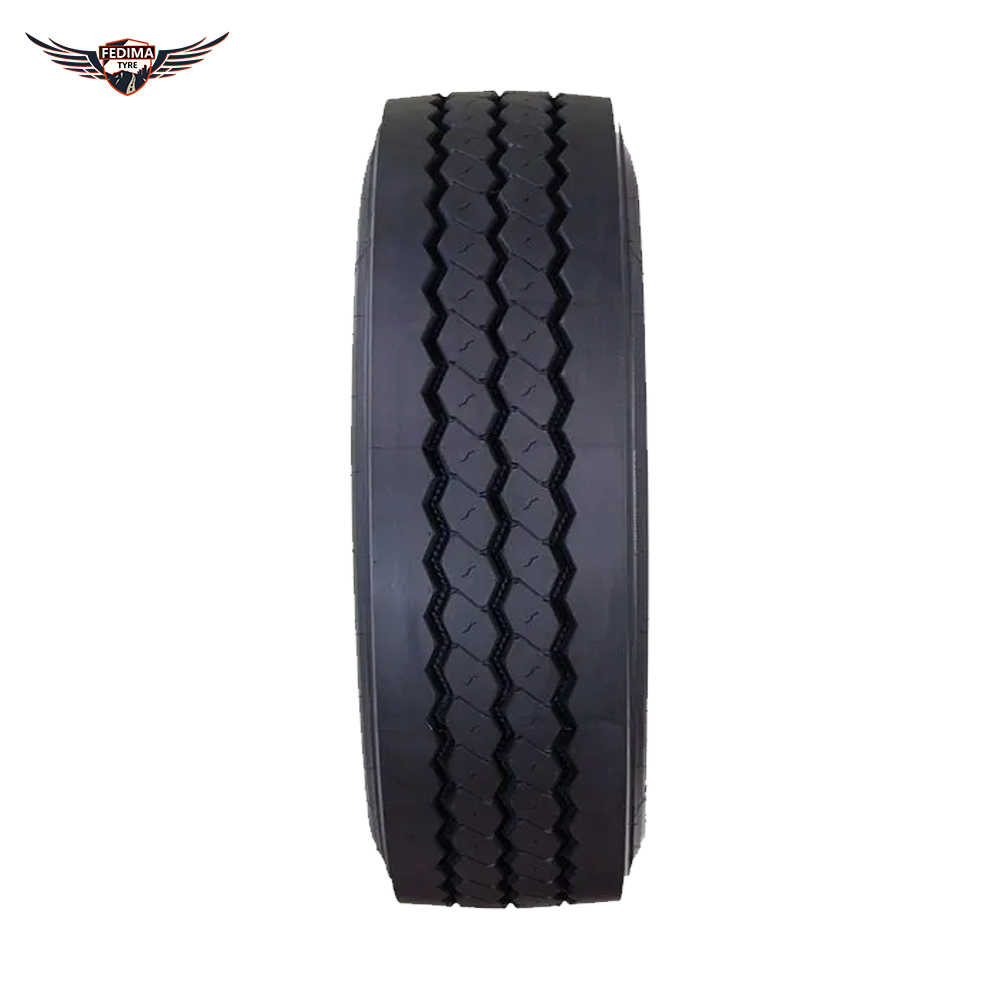
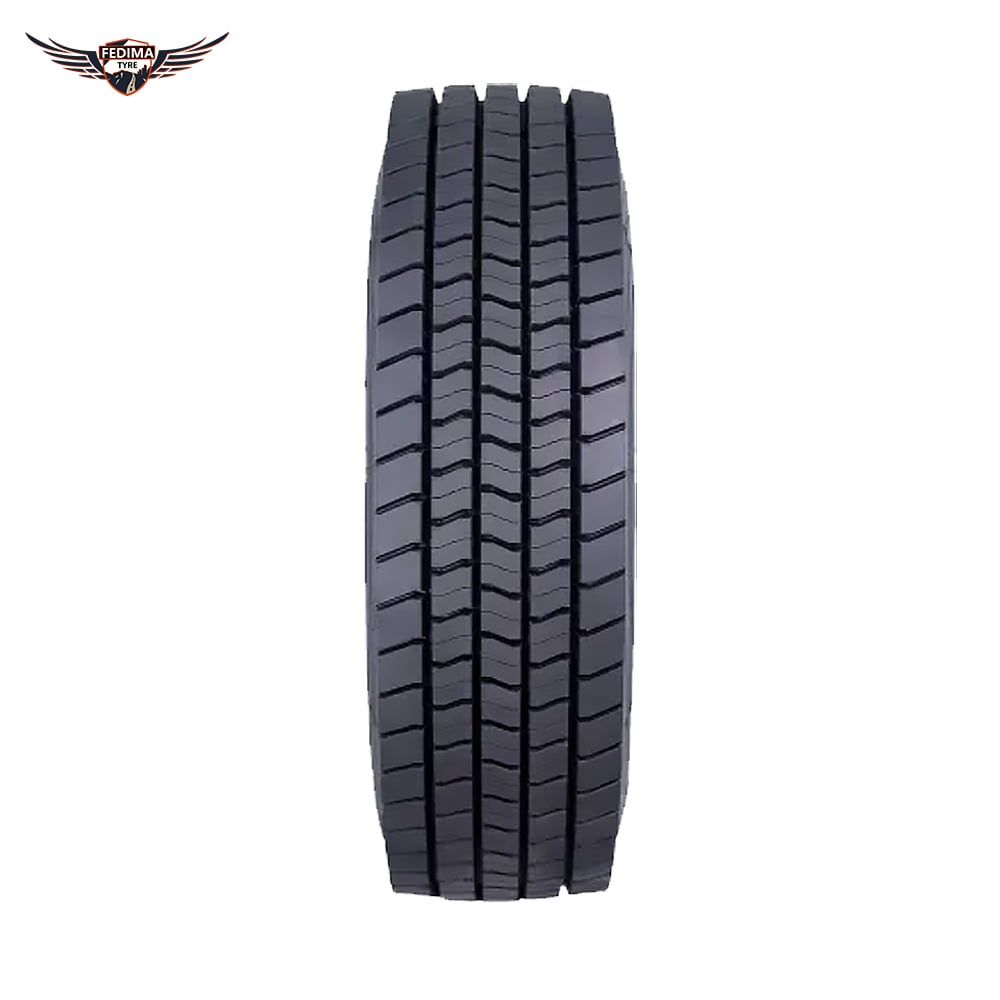
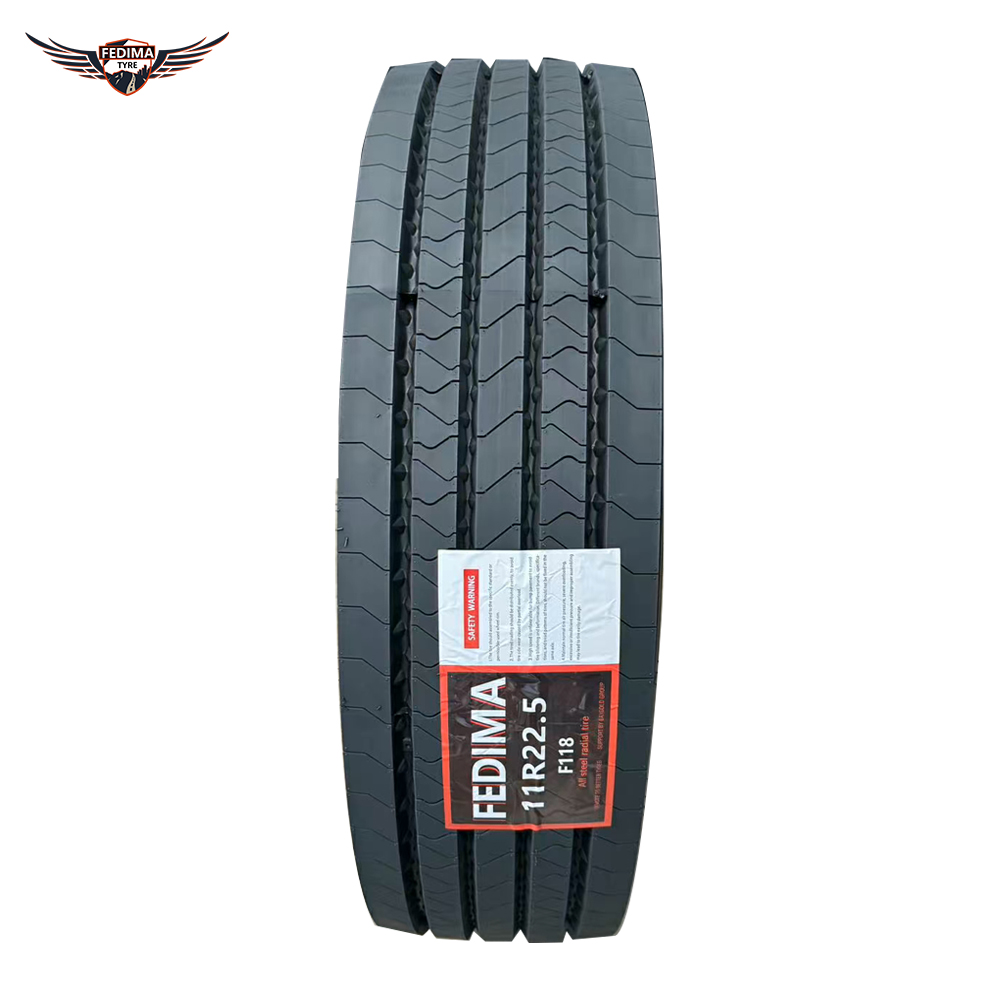
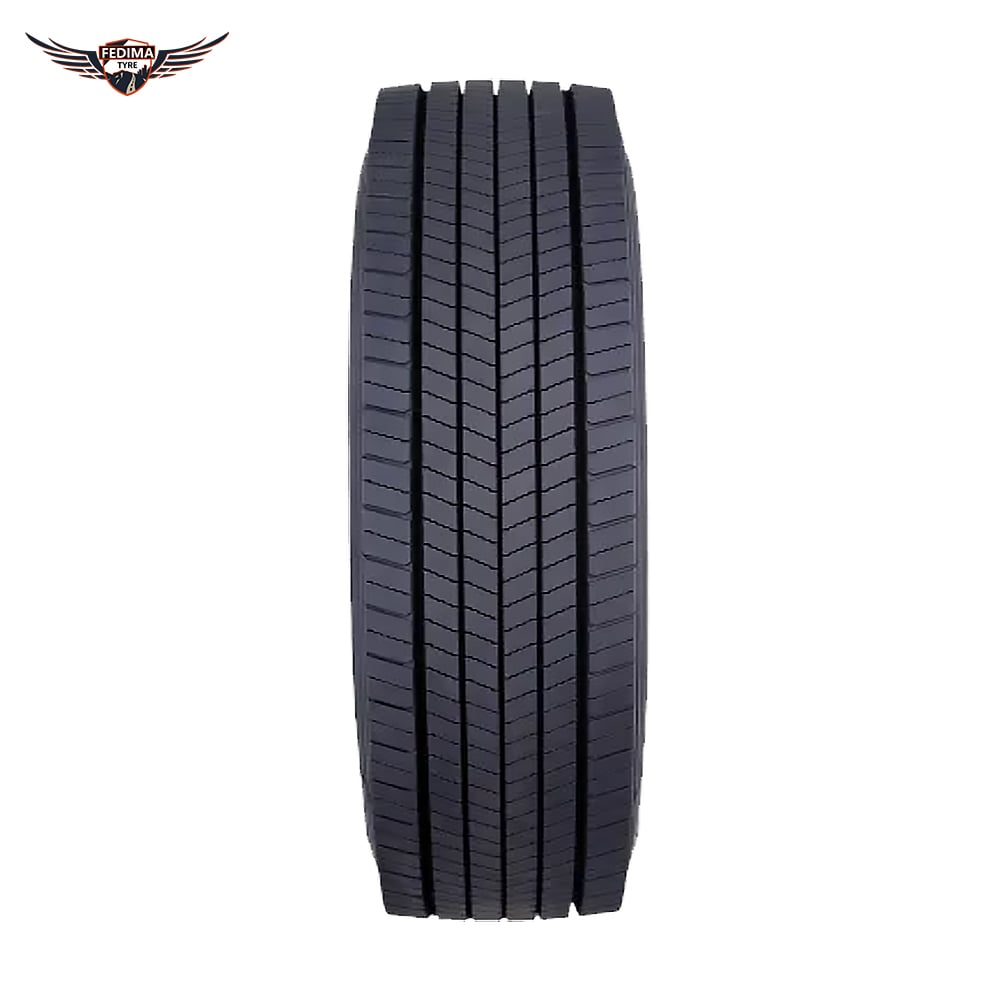
- Composed of vertical main grooves and horizontal patterns, the patterns are fine and dense, which enhances the tire's heat dissipation effect.
- Superior stability due to the high-strength structure;
- Fine horizontal patterns can effectively prevent slipping and drain accumulated water
- Overview
- Recommended Products
Specifications:
| Size | PR | Pattern | LL/SS | Load Capacity(kg) | Inflation Pressure(kpa) | Standard Rim | Tread Width | Tread Depth | |
| Single | Dual | (inch) | |||||||
| 12R22.5 | 18PR | F508 | 152/149L | 3550 | 3250 | 930 | 9 | 236 | 21.5 |
Tyre Position:
|
 |
 |

Suitable for drive positions
Improved durability and longer tyre lifetime thanks to the deeper tread.
Product Introduction: Fedima F508 tyre
-Block interlocking pattern
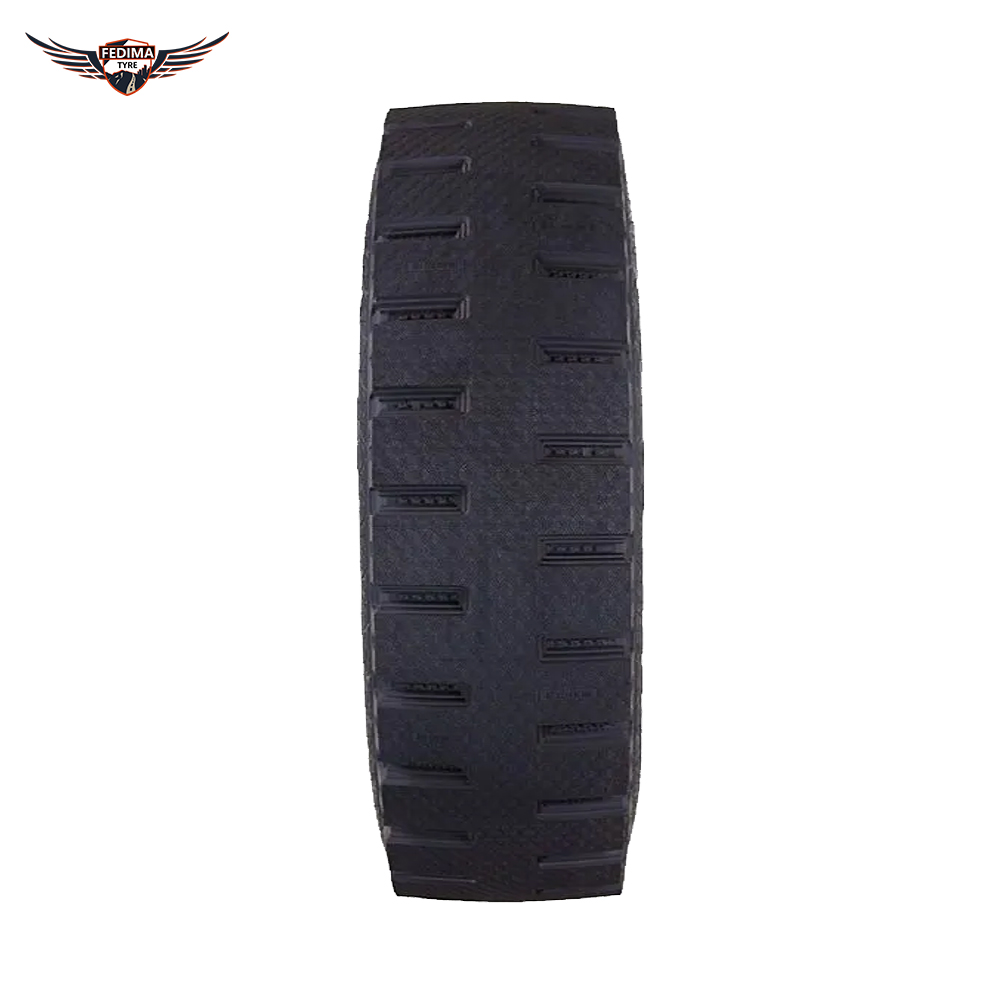
The tread adopts high-density square pattern blocks arranged in a staggered manner, which increases the contact area, effectively disperses pressure, and improves wear resistance under load.
-Multi groove drainage design
The tyre surface has multiple longitudinal main grooves and transverse fine grooves, which can quickly drain accumulated water and reduce the risk of water sliding during rainy driving.
Core strengths
-Wear resistant
The patterned blocks are made of thick and wear-resistant rubber formula, which can resist punctures from foreign objects such as gravel and is suitable for complex road conditions.
-Anti slip, strong grip
The staggered pattern blocks can provide sufficient grip on both dry and wet roads, coupled with a rigid tire structure, enhancing the stability of the vehicle during turning and braking.
-Strong self-cleaning ability
The spacing and groove angle between the pattern blocks are designed to quickly shake off embedded stones while driving, avoiding damage to the patterns by foreign objects.
-Heat dissipation and sludge dischargecapability
The wide groove can not only quickly discharge mud and water, but also increase the contact area between the tire and the air, improve heat dissipation efficiency, and make the tire less prone to overheating during long-term heavy-duty driving, reducing the risk of tire blowouts.