
 EN
EN
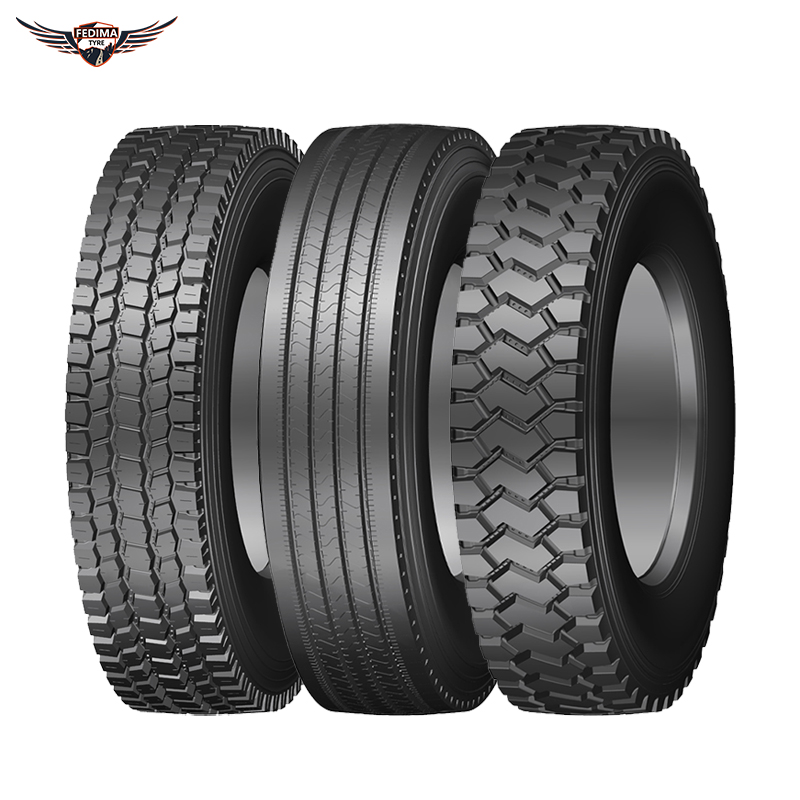
A TBR tyre designed for multi-life use must deliver more than just acceptable first-life mileage. Fleet operators and tyre managers who understand casing strength evaluation can significantly reduce cost-per-kilometre by extending the usable life of each TBR tyre through retreading and reuse cycles. The challenge is knowing what to look for before committing to a multi-life programme.
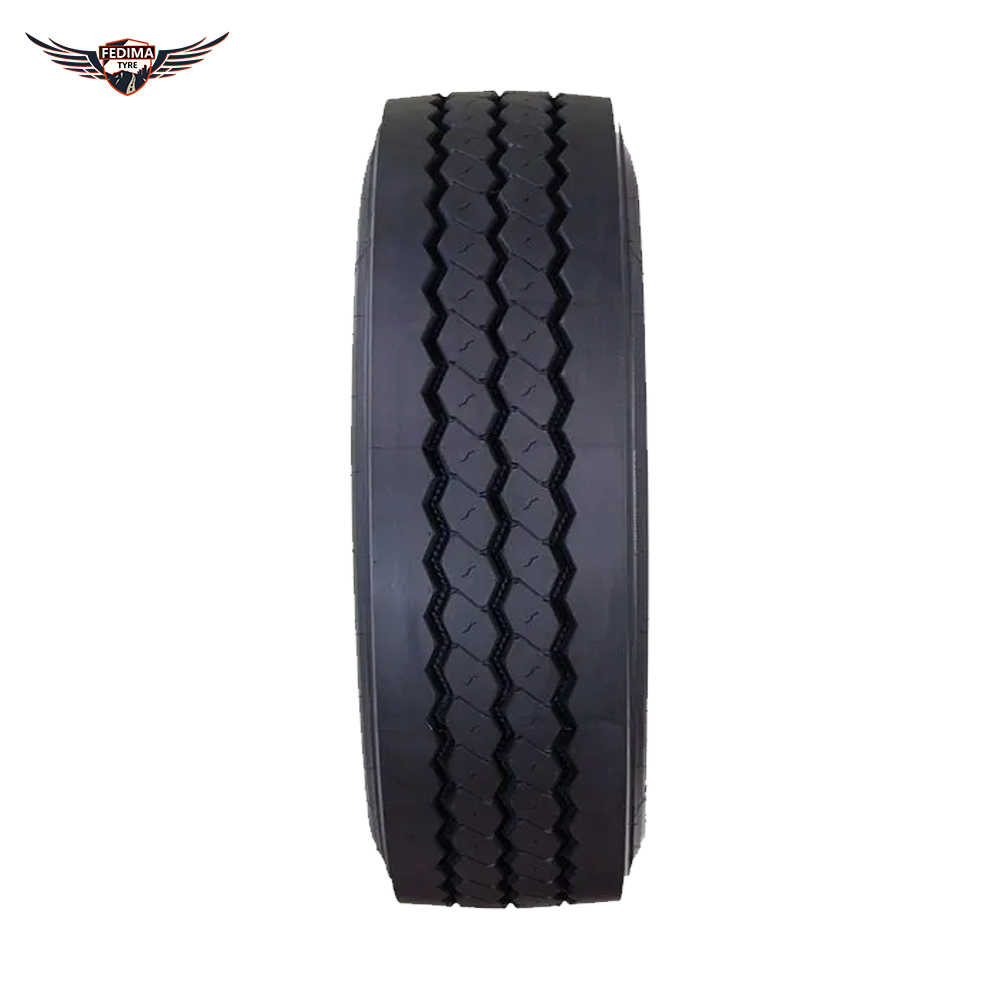
Evaluating a TBR tyre casing for multi-life suitability requires a structured approach. It is not enough to visually inspect a TBR tyre after its first life ends. You need to assess belt integrity, bead condition, sidewall resilience, and internal liner quality in combination. Each of these indicators contributes to whether a TBR tyre casing can support one or more retread cycles without compromising safety or performance.
Understanding TBR Tyre Casing Fundamentals
What Makes a TBR Tyre Casing Retreadable
A TBR tyre casing is the structural foundation that carries load, absorbs road shock, and transfers braking and driving forces. For a TBR tyre to qualify for retreading, the casing must retain its original geometric shape and internal integrity. When a TBR tyre casing shows belt separation, deformed bead wires, or compromised inner liner material, it typically cannot support another tread application safely.
A TBR tyre built with high-quality steel belt construction and a robust nylon cap ply is generally more resilient under repeated use. The steel cord arrangement within a TBR tyre directly influences how well the casing resists flexion fatigue. Fleets that select a TBR tyre with denser cord construction from the outset are investing in a casing that retains retreading eligibility longer.
Structural Layers That Determine Multi-Life Potential
Every TBR tyre is built around multiple structural layers, including the inner liner, body ply cords, belt package, and tread base. For multi-life evaluation, the inner liner of the TBR tyre deserves particular attention because it acts as an air retention barrier. A TBR tyre inner liner that shows micro-cracking, porosity, or thinning after first life may allow moisture to penetrate and corrode steel cords before retreading is even attempted.
The belt package in a TBR tyre must also remain tightly bonded to the body plies. Belt edge loosening in a TBR tyre is a strong disqualifier for retreading because it indicates early compound fatigue. Inspectors should always probe belt edges with ultrasound equipment when assessing a used TBR tyre for additional service cycles.
Practical Methods for TBR Tyre Casing Inspection
Visual and Physical Inspection Techniques
Initial TBR tyre casing assessment begins with a thorough visual inspection under consistent lighting. An experienced inspector examines each TBR tyre for sidewall cuts, bead area damage, exposed cords, and tread base irregularities. Any TBR tyre showing sidewall damage deeper than the outer rubber compound should be set aside for further non-destructive testing before a retread decision is made.
Physical probing of the TBR tyre bead zone is equally important. The bead of a TBR tyre must hold its circular shape without distortion, cracking, or wire protrusion. A deformed TBR tyre bead cannot be safely remounted or retreaded because it cannot maintain an airtight seal under load. Bead wire condition is one of the most reliable indicators of overall TBR tyre casing health.
Non-Destructive Testing for Deeper Assessment
When a TBR tyre passes visual inspection, non-destructive testing methods provide deeper structural insight. Shearography and ultrasonic scanning are the two most widely used techniques for assessing a TBR tyre casing without dismantling it. Shearography applies a vacuum stress to the TBR tyre surface and detects internal voids or delamination by measuring surface deformation. This is especially useful for detecting hidden belt separation that would not be visible on a standard TBR tyre exterior.
Ultrasonic testing measures reflected sound waves within the TBR tyre body to locate air pockets, cord breaks, or moisture intrusion. A TBR tyre that passes both shearography and ultrasonic inspection has a high probability of completing a successful retread cycle. Fleets running high-volume TBR tyre programmes should consider investing in facility-level shearography equipment to standardise their casing qualification process.
Operational Factors That Affect TBR Tyre Casing Life
Inflation Management and Load Discipline
No TBR tyre casing evaluation method compensates for poor operational practice. Chronic under-inflation is the single most damaging operational factor for any TBR tyre. A TBR tyre running below recommended pressure flexes excessively at the sidewall, generating heat that accelerates ply cord degradation. A TBR tyre that has regularly run under-inflated is far less likely to qualify for retreading even if it appears intact externally.
Overloading a TBR tyre beyond its rated load index causes similar internal damage. Fleet managers must enforce load discipline consistently to preserve TBR tyre casing integrity across the first service life. Tyre pressure monitoring systems and load sensors are practical investments that directly protect the multi-life value of every TBR tyre in a fleet.
Road Conditions and Application Matching
A TBR tyre used on rough, unpaved, or heavily potholed routes experiences casing stress that accumulates differently than the same TBR tyre on smooth highway surfaces. Matching the right TBR tyre specification to the intended application is therefore a casing life decision as much as a performance decision. A TBR tyre designed with reinforced sidewalls and a strengthened bead zone holds its retreadability longer under mixed road conditions.
Application mismatching shortens TBR tyre casing life regardless of original build quality. Fleet procurement teams should review route profiles and load patterns before selecting a TBR tyre specification to ensure the chosen TBR tyre will still qualify for retreading after first-life completion. This alignment between TBR tyre specification and operational environment is foundational to any successful multi-life tyre strategy.
FAQ
How many retread cycles can a TBR tyre casing typically support?
A well-maintained TBR tyre casing built to high structural standards can typically support two to three retread cycles, depending on the severity of the routes and how strictly inflation and load discipline have been maintained throughout first and subsequent service lives. Not every TBR tyre qualifies for more than one retread, so casing inspection after each life is essential.
Is shearography testing required before retreading every TBR tyre?
Shearography is not legally required in all markets, but it is strongly recommended for any TBR tyre being considered for retreading. It detects internal separations and voids that visual inspection simply cannot reveal. Retreading a TBR tyre without non-destructive testing carries a higher risk of in-service failure, which can result in both safety incidents and total loss of the casing investment.
What role does the original TBR tyre compound quality play in casing longevity?
The compound quality of the original TBR tyre directly influences how well the casing resists heat, ozone, and mechanical fatigue over time. A TBR tyre manufactured with high-resilience rubber compounds in the sidewall and inner liner will retain flexibility and airtightness far longer than a TBR tyre made with lower-grade materials. Investing in a quality TBR tyre from the start is the most effective way to maximise total multi-life return.