
 EN
EN
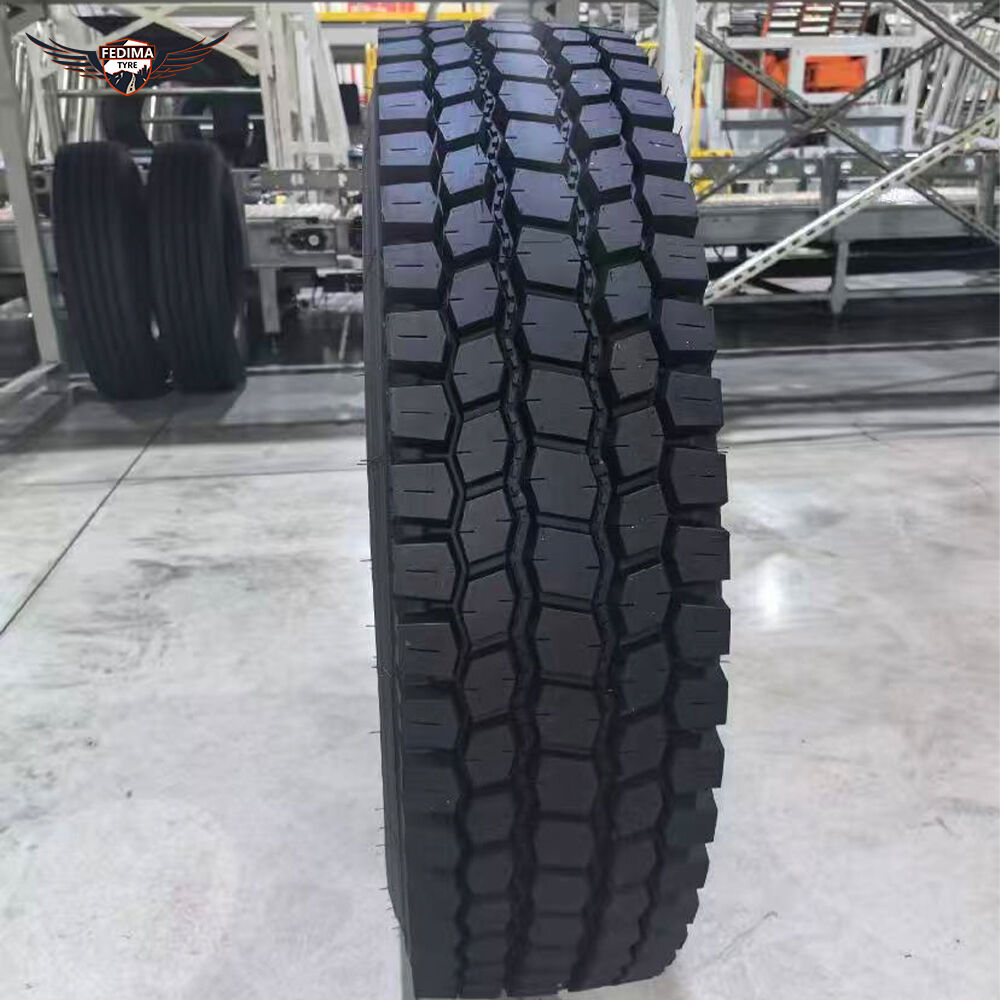
When vehicles operate at sustained high speeds, the margin for error narrows significantly. A premium brand tire is engineered specifically to perform under these demanding conditions, where heat buildup, road vibration, and lateral forces all intensify simultaneously. Understanding what separates a premium brand tire from its lower-cost counterparts is essential for fleet managers, logistics operators, and transport professionals who cannot afford compromised safety on the road.
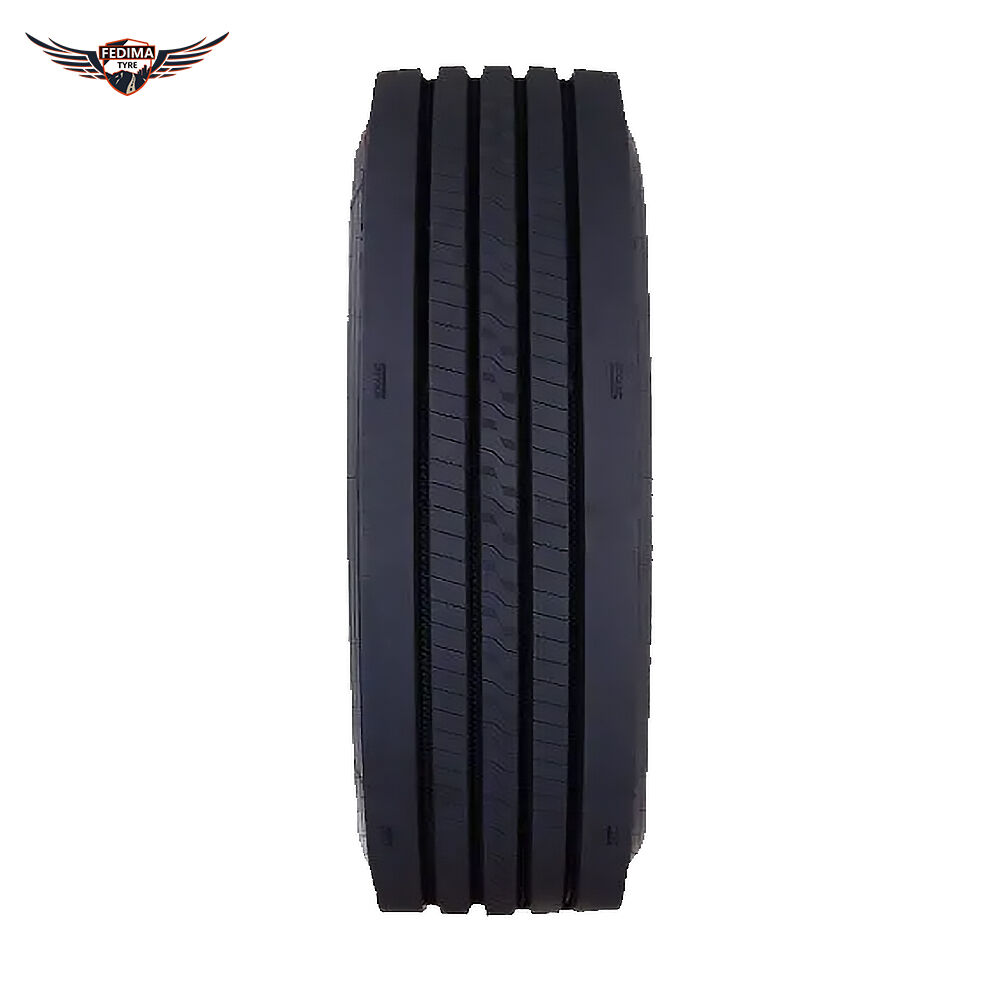
A premium brand tire undergoes rigorous research and development before it ever reaches the road. Every compound formulation, belt configuration, and tread geometry is tested against real-world high-speed scenarios. The result is a tire that not only meets regulatory speed ratings but actively contributes to vehicle stability, braking precision, and long-distance reliability. This article explains exactly why a premium brand tire delivers a measurably higher standard of safety when transport speed is a critical factor.
Compound Engineering and Heat Resistance
How Rubber Compounds Affect High-Speed Safety
The rubber compound inside a premium brand tire is one of the most critical determinants of safety at speed. As a tire rotates at high velocity, friction between the tread surface and road generates heat. A premium brand tire uses specially formulated compounds that maintain structural integrity even when operating temperatures rise significantly. Lower-grade alternatives often use simpler compound blends that soften, deform, or delaminate under sustained thermal stress.
The silica content and polymer matrix used in a premium brand tire are calibrated to balance grip, flexibility, and heat dissipation simultaneously. This allows the premium brand tire to maintain consistent contact with the road surface without losing shape or responsiveness. For heavy-duty vehicles operating on highways for extended periods, this thermal stability is not a luxury — it is a fundamental safety requirement. A premium brand tire rated for high-speed classifications achieves this through compound chemistry that budget tires simply cannot replicate at the same cost structure.
Internal Belt Architecture and Structural Rigidity
Beyond the compound itself, the internal construction of a premium brand tire plays an equally important role in high-speed safety. Steel belt layers, nylon cap plies, and carcass reinforcement work together to resist centrifugal expansion as speed increases. A premium brand tire is designed so that its structure remains stable and dimensionally consistent at elevated RPM, preventing the tread from lifting off the road surface — a condition known as 'tread float' — which severely reduces grip and control.
A well-constructed premium brand tire uses high-tensile steel cords arranged to distribute stress evenly across the contact patch. This prevents localized stress concentrations that lead to sudden failure. The nylon overwrap commonly found in a premium brand tire also contains the belt edges under centrifugal load, reducing the risk of belt separation at highway speeds. These internal features are where a premium brand tire justifies its investment for any operator running vehicles at sustained high velocity.
Tread Design and Road Contact Precision
Tread Pattern Logic for High-Speed Stability
A premium brand tire designed for high-speed transport uses tread patterns that are specifically optimized for directional stability and water evacuation at speed. Wide longitudinal grooves channel water away from the contact patch efficiently, reducing the risk of aquaplaning. The tread block geometry in a premium brand tire is shaped to minimize noise and vibration while maximizing the proportion of rubber in contact with the road at any given moment.
At speeds above 100 km/h, small imperfections in tread design become amplified in their effect on handling. A premium brand tire addresses this by using precision-milled mold tooling that produces consistent tread dimensions across the entire tire circumference. This uniformity eliminates the micro-vibrations that degrade steering precision and driver fatigue resistance during long-haul operations. For freight and logistics fleets, a premium brand tire with engineered tread geometry directly translates into more predictable handling and reduced accident risk.
Contact Patch Consistency Under Load
The contact patch is the only part of a premium brand tire that actually touches the road. Under heavy load and at high speed, maintaining a consistent, flat contact patch is critical for braking effectiveness and cornering stability. A premium brand tire achieves this through sidewall stiffness calibration, which prevents the tire from deforming excessively when lateral forces are applied during lane changes or emergency maneuvers.
When load and speed combine, an inadequately engineered tire will develop an uneven contact patch, reducing effective braking surface and increasing stopping distances. A premium brand tire is load-rated and speed-rated in combination, meaning its performance characteristics are validated for the exact operating envelope where heavy transport vehicles function. This dual-rating approach is a defining characteristic of a genuine premium brand tire built for demanding transport applications.
Speed Rating Validation and Regulatory Compliance
What Speed Ratings Actually Mean for Safety
A speed rating on a premium brand tire is not a marketing label — it is a certified performance threshold verified through standardized testing protocols. A premium brand tire carries its speed rating as a guarantee that the tire can sustain the specified velocity for a defined duration without structural failure. This is particularly relevant for long-haul transport where tires may operate near their rated limits for hours at a time.
Each premium brand tire undergoes drum testing at controlled speeds, loads, and temperatures to validate its rating before it reaches the market. This process exposes any weaknesses in compound stability, belt adhesion, or carcass integrity. A premium brand tire that passes this validation gives operators a documented assurance of performance. Choosing a tire without a verified speed rating for high-speed applications introduces a compliance gap and a genuine safety risk that no responsible fleet operator should accept.
Consistency Across Production Batches
One often-overlooked advantage of a premium brand tire is manufacturing consistency. A premium brand tire is produced under tightly controlled quality systems, ensuring that the tire you receive matches the specifications that were tested and certified. Variations in weight balance, compound mixing, or cure time in lower-quality tires create performance inconsistencies that become dangerous at speed. A premium brand tire minimizes these variables through disciplined production standards, giving every unit the same predictable safety profile.
FAQ
Why is a premium brand tire specifically safer at high speeds compared to standard options?
A premium brand tire uses advanced rubber compounds, reinforced internal belt architecture, and precision tread geometry that are all validated for high-speed performance. These elements work together to resist heat buildup, maintain structural integrity, and preserve road contact consistency — all of which are critical safety factors at elevated speeds that standard tires are not engineered to the same level to address.
How does heat management in a premium brand tire prevent blowouts during long-haul transport?
A premium brand tire uses heat-resistant compound formulations and nylon cap plies that contain thermal expansion and prevent belt separation. As internal temperatures rise during extended highway driving, the premium brand tire maintains its shape and adhesion between layers. This prevents the sudden pressure release and structural failure that causes blowouts, which are most likely to occur when an inferior tire is pushed beyond its thermal tolerance.
Is a premium brand tire worth the higher upfront cost for transport fleet operators?
For transport operators running vehicles at high speed and heavy loads, a premium brand tire delivers value through longer service life, lower risk of mid-journey failure, and reduced total cost of incidents. The safety assurance provided by a premium brand tire — through speed rating validation, consistent production quality, and engineered stability — outweighs the initial price difference when measured against the cost of accidents, vehicle downtime, and cargo loss.