
 EN
EN
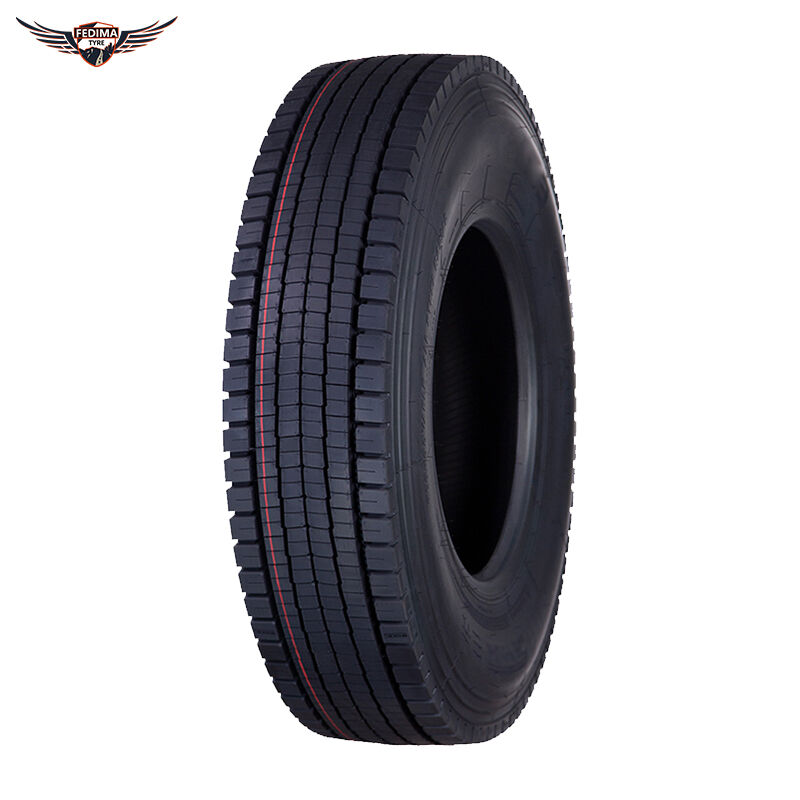
Sourcing an authentic premium brand tire for international resale is one of the most commercially sensitive decisions a distributor or importer can make. The global tire market is crowded with counterfeit products, gray-market goods, and mislabeled inventory that can erode your margins, damage your reputation, and expose your business to serious liability. Understanding how to navigate this landscape with precision is not optional — it is essential for any business serious about long-term success in the premium brand tire resale channel.
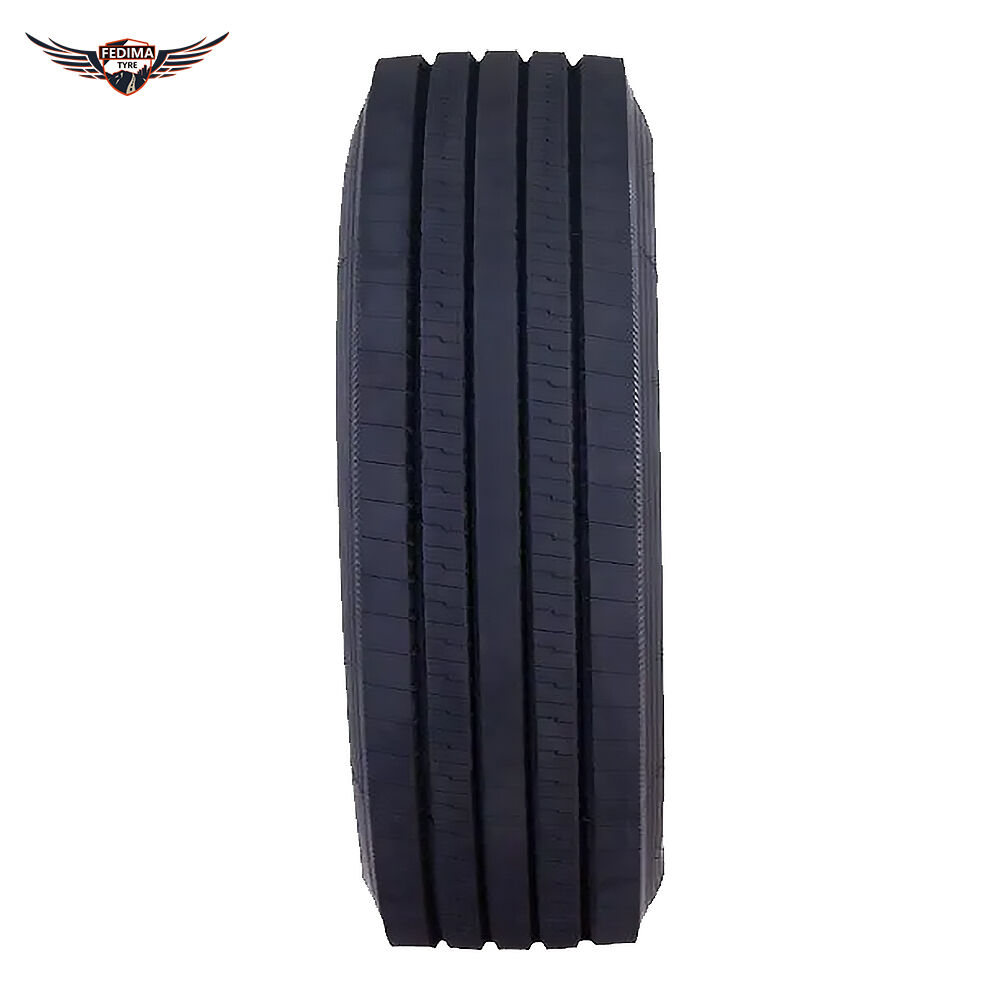
The demand for premium brand tire products in international markets continues to grow, driven by fleet operators, logistics companies, and automotive retailers seeking reliable performance, certified safety ratings, and strong brand recognition. However, the sourcing process requires far more than simply placing an order. It demands a structured approach to supplier verification, documentation review, and compliance with both origin-country and destination-country trade regulations. This guide walks you through each critical stage of sourcing a premium brand tire for legitimate international resale.
Identifying Legitimate Premium Brand Tire Suppliers
Manufacturer Authorization and Distributor Credentials
The first step in sourcing any premium brand tire is confirming that your supplier holds direct manufacturer authorization or is an officially recognized regional distributor. A genuine premium brand tire supplier will always be able to provide written authorization documents, distributor agreements, and verifiable contact details that trace back to the original manufacturer. Do not rely solely on a supplier's self-reported status — always conduct independent verification by contacting the manufacturer's official regional office or using the brand's authorized dealer lookup tools. Sourcing a premium brand tire through unauthorized intermediaries significantly increases the risk of receiving counterfeit, repackaged, or warranty-void stock that cannot be legitimately sold in most regulated markets.
When evaluating a potential supplier for premium brand tire inventory, request references from other international distributors who have previously purchased from that supplier. Legitimate suppliers of premium brand tire products will not hesitate to provide trade references and will welcome structured due diligence. If a supplier is reluctant to share documentation or rushes the transaction, treat that as a serious red flag regardless of the pricing offered.
Factory Audits and Traceability Standards
For high-volume premium brand tire sourcing programs, commissioning a factory or warehouse audit through a third-party inspection agency adds a critical layer of authentication. This is especially relevant when a premium brand tire supplier is based in a region where counterfeiting activity is documented. Audits should verify inventory labeling consistency, DOT or ECE compliance markings, and batch traceability records. A credible premium brand tire supplier will maintain batch-level documentation that allows you to trace every unit back to the production facility where it was manufactured.
Documentation and Compliance for International Resale
Certificates of Authenticity and Quality Standards
Every legitimate premium brand tire intended for international resale must be accompanied by a full documentation package. This typically includes a certificate of origin, a commercial invoice with verifiable HS codes, product conformity certificates such as ECE R117 for rolling resistance and wet grip standards, and any market-specific approvals required by the destination country. When sourcing a premium brand tire for markets in the EU, North America, or the Middle East, understanding the local type-approval framework is critical. A premium brand tire that lacks the appropriate regional certification cannot legally be sold in those markets, regardless of its actual quality level.
Importers sourcing a premium brand tire for resale must also verify that the product label and sidewall markings match the documentation exactly. Discrepancies between the DOT code, load index, speed rating, or size designation on the sidewall and the paperwork are a clear indicator of counterfeit or mislabeled inventory. Establish a pre-shipment inspection protocol where a qualified inspector physically verifies these details on a statistically significant sample of each premium brand tire shipment before the goods are loaded.
Customs Classification and Import Compliance
Correct customs classification is a legal obligation and a practical necessity when importing a premium brand tire across international borders. Misclassification can result in penalty duties, shipment holds, or product seizure. Work with a licensed customs broker who has experience in automotive and premium brand tire imports to ensure that your HS code selection, declared values, and import permits are all accurate. Some destination markets also require anti-dumping duty declarations or specific labeling in the local language before a premium brand tire can clear customs and enter commerce.
Building a Sustainable Premium Brand Tire Resale Program
Pricing, Minimum Order Quantities, and Supply Chain Resilience
Establishing a sustainable resale program around a premium brand tire requires more than a single successful transaction. You need to negotiate minimum order quantities that align with your local market demand cycles, agree on pricing structures that account for currency fluctuation and freight cost variability, and establish clear lead time commitments with your premium brand tire supplier. Forward-booking inventory on high-velocity SKUs, such as commercial trailer sizes or common passenger tire dimensions, reduces stockout risk and improves your ability to compete on availability as well as price. A reliable supply of premium brand tire stock is itself a competitive advantage in markets where delivery inconsistency is common.
After-Sales Support and Warranty Management
A key differentiator for premium brand tire resellers in international markets is the ability to offer credible after-sales support. When the premium brand tire you source comes with a manufacturer-backed warranty, you must clearly understand the claim submission process, the authorized service network requirements, and the documentation needed for warranty validation. Customers purchasing a premium brand tire at a premium price point expect recourse if a manufacturing defect arises. Establishing clear warranty communication with both your supplier and your end customers builds the trust that drives repeat purchases and long-term resale volume in the premium brand tire category.
FAQ
How can I verify that a premium brand tire is authentic before purchasing?
Request full documentation from the supplier including distributor authorization letters, certificates of origin, and batch traceability records. Cross-reference the sidewall markings with the official product specifications published by the manufacturer. For large orders, commission a third-party pre-shipment inspection to physically verify each premium brand tire unit before shipment is approved.
What certifications should a premium brand tire have for international resale?
The required certifications depend on the destination market. For EU resale, a premium brand tire typically requires ECE type approvals, EU label compliance covering fuel efficiency and wet grip grades, and a valid certificate of conformity. For North American markets, DOT compliance and FMVSS ratings apply. Always confirm the specific regulatory framework of your target market before finalizing any premium brand tire sourcing agreement.
Is gray-market sourcing of a premium brand tire a legal risk?
Yes, gray-market sourcing of a premium brand tire carries significant legal and commercial risk. Gray-market products may lack regional type approvals, void manufacturer warranties, and potentially breach trademark or distribution rights. In some jurisdictions, reselling a gray-market premium brand tire can result in fines, seizure of goods, or import bans. Always source through authorized channels to protect your business and your customers.