
 EN
EN
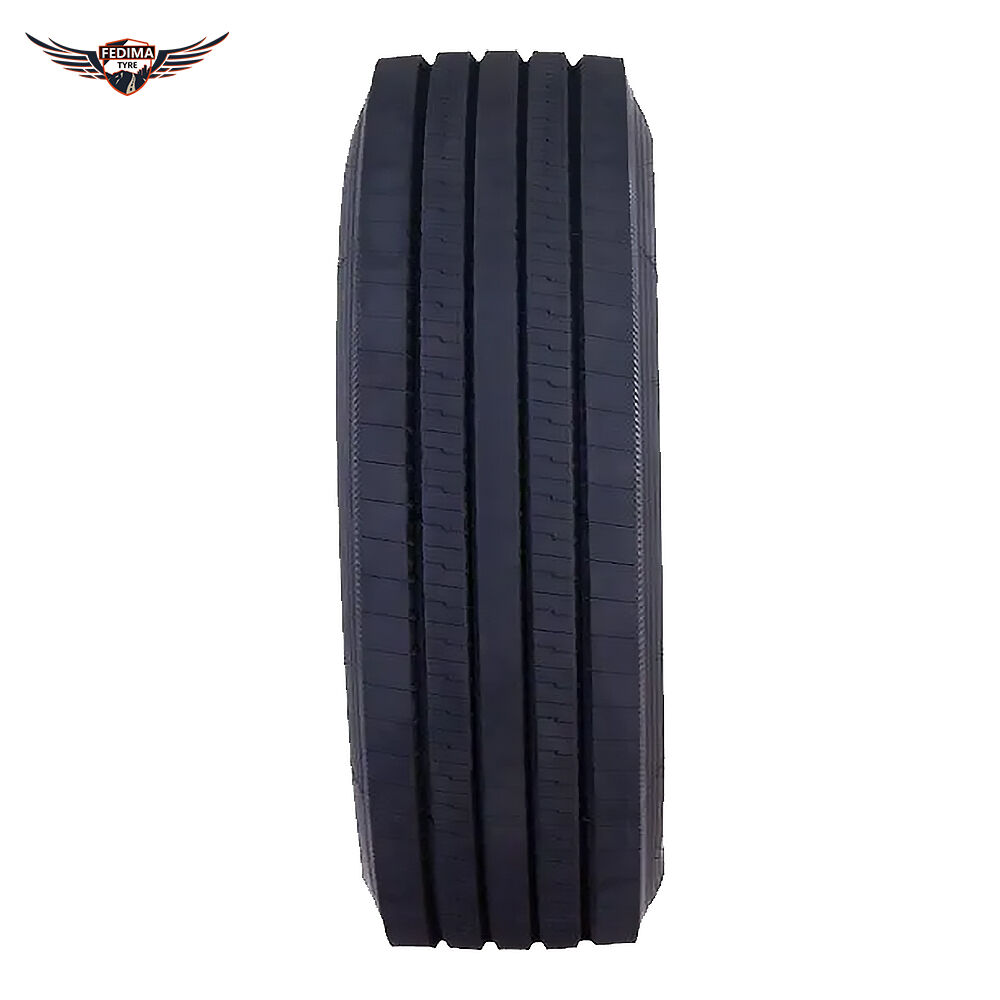
Braking performance is one of the most critical safety factors in commercial trucking, and the design of your tyre's rear pattern plays a surprisingly large role in how effectively a vehicle slows down and stops. Many fleet operators focus heavily on drivetrain efficiency, load capacity, or fuel economy when selecting tyres, but the geometry and compound structure of the rear pattern directly influences grip levels, heat distribution, and stopping distances under real road conditions. Understanding how to leverage the right rear pattern is not just a technical exercise — it is a practical, measurable way to improve safety outcomes and extend tyre service life simultaneously.
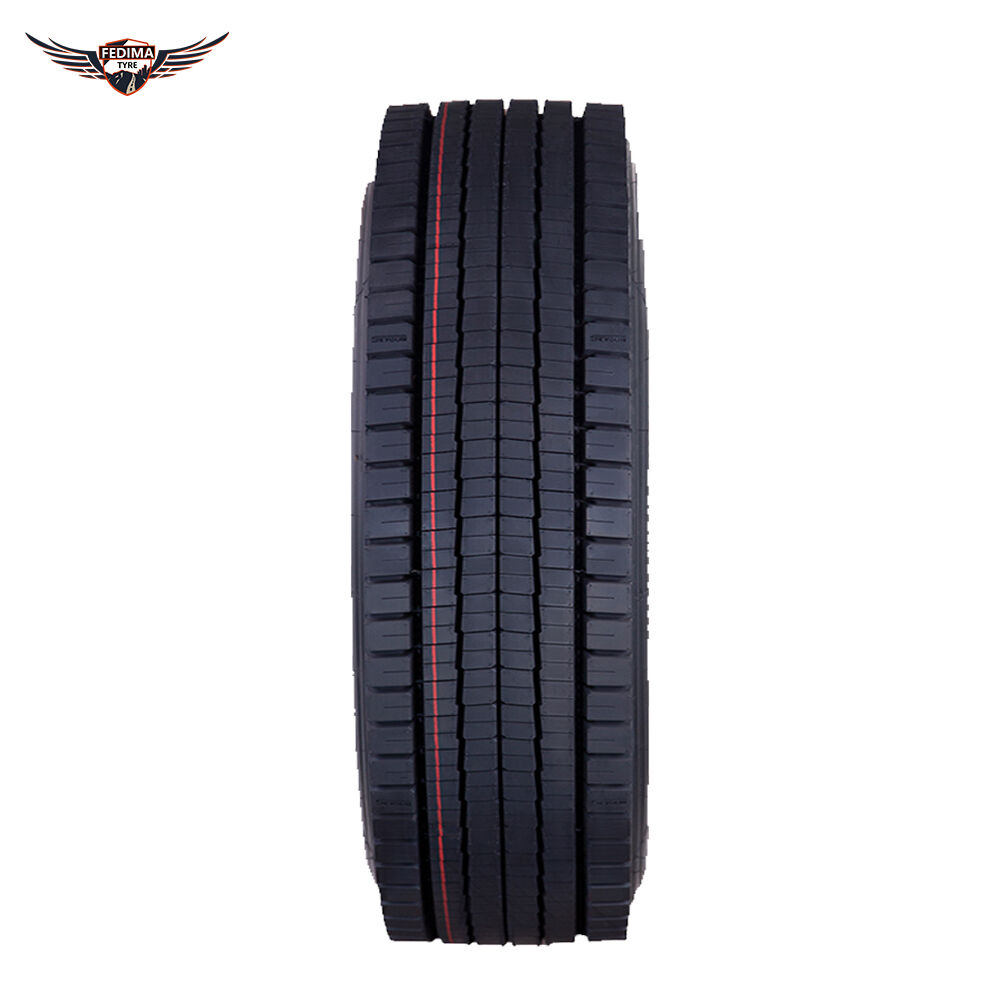
This article examines the mechanism behind how a well-engineered rear pattern improves braking, what specific design features contribute most to stopping power, and how fleet managers and drivers can make smarter tyre decisions based on these principles. Whether you are managing long-haul trailers, regional delivery vehicles, or heavy-duty drive axles, the principles of rear pattern optimization apply across a wide range of operational profiles and road environments. Let us explore the engineering logic and practical guidance that can genuinely transform your vehicle's braking capability.
The Role of Rear Pattern Geometry in Braking Dynamics
How Tread Block Arrangement Affects Grip Under Braking
When a driver applies the brakes, the tyre must transition rapidly from a rolling state to one where the contact patch resists longitudinal movement. The rear pattern geometry — specifically how tread blocks are arranged across the tyre face — determines how efficiently this transition happens. Block-style designs, for instance, create sharp leading and trailing edges that bite into the road surface and generate friction across a large contact area. This is precisely why block-style rear pattern designs are commonly favored for drive axle and trailer applications where braking torque is highest.
A rear pattern with wider, stiffer tread blocks reduces deformation under braking stress. When blocks deform excessively, the contact patch becomes less stable, which reduces friction efficiency and increases stopping distance. Engineers balance block width, sipe density, and groove depth to find the optimal combination that resists deformation while still allowing sufficient rubber-to-road contact during hard stops.
The spacing between tread blocks is equally important. Adequate groove volume in a rear pattern allows water, mud, and debris to be expelled from the contact zone quickly, maintaining wet braking performance. A pattern with insufficient void ratio may hydroplane under wet conditions, dramatically reducing braking effectiveness even when the tyre compound itself is suitable for the temperature.
The Impact of Sipe Design on Short Stopping Distances
Sipes — the fine cuts within tread blocks of a rear pattern — are often underestimated contributors to braking performance. These thin incisions multiply the number of biting edges available during a stop, especially on wet, icy, or uneven surfaces. When the contact patch meets the road under braking, each sipe opens slightly and grips the surface texture, creating micro-level friction that adds up to measurably shorter stopping distances.
A well-designed rear pattern uses sipes that are deep enough to remain functional across the majority of tread life, but not so deep that they compromise block rigidity during high-torque braking events. This balance is a key engineering challenge, and it explains why not all rear pattern designs perform equally well at the end of their service life. Quality patterns maintain sipe functionality well into the wear cycle, which means consistent braking performance across the tyre's usable lifespan.
Three-dimensional sipes, which interlock as the block deforms under load, are an advanced feature found in higher-specification rear pattern designs. These interlocking sipes allow individual blocks to flex and absorb road irregularities while still providing braking resistance, creating a pattern that performs well on both smooth highways and rough secondary roads.
Block Pattern Design and Its Specific Braking Advantages
Why Block Patterns Excel on Drive and Trailer Axles
The block rear pattern has become the industry standard for drive and trailer axles largely because of its inherent braking advantages. Unlike ribbed or directional patterns that prioritize straight-line rolling resistance, a block rear pattern provides multiple independent contact zones distributed across the tyre face. Each block operates as an individual friction unit during braking, and the cumulative grip of many separate blocks is substantially greater than that of continuous ribs during a hard stop.
On trailer axles, the rear pattern must handle significant braking loads during downhill grades, emergency stops, and normal deceleration cycles throughout a shift. A staggered or offset block arrangement distributes these loads more evenly across the contact patch, preventing concentrated wear and maintaining consistent friction geometry. This is especially relevant for vehicles operating in mountainous or hilly terrain where repeated braking cycles create substantial heat and mechanical stress on the tyre structure.
The Rear pattern designed specifically for drive and trailer applications typically features reinforced shoulder blocks that contribute additional stability during cornering brakes. When a vehicle decelerates while turning, lateral forces combine with longitudinal braking forces to create complex stress on the tyre. Robust shoulder blocks in a quality rear pattern resist this combined loading and help the vehicle maintain its intended trajectory through the stop.
Heat Management in High-Performance Rear Patterns
Braking generates significant heat, particularly during repeated stops or sustained downhill braking on commercial vehicles. The rear pattern design directly influences how this heat is generated, distributed, and dissipated. Patterns with optimized groove channels allow air movement across the tyre surface between braking events, which actively cools the contact patch and the underlying rubber compound.
Overheating in a rear pattern leads to rubber softening, accelerated wear, and in extreme cases, delamination or blowout risk. Tyre engineers account for this by designing groove geometry that maximizes airflow without compromising structural rigidity. The relationship between void ratio and heat management is a key reason why fleet operators should avoid running heavily worn rear pattern tyres on heavy loads — as tread depth decreases, so does the pattern's ability to manage thermal stress during braking.
High-quality compound formulations used in specialized rear pattern tyres also contribute to heat resistance. Compounds blended for drive and trailer applications typically include additives that maintain flexibility and grip across a wider temperature range, ensuring that braking performance does not degrade significantly as tyre temperature rises during a long descent or stop-and-go urban route.
Matching the Right Rear Pattern to Your Operating Environment
Road Surface Conditions and Pattern Selection Logic
No single rear pattern performs optimally across every road surface, which is why understanding your primary operating environment is essential to braking improvement. Vehicles that predominantly run on smooth motorways benefit from patterns with a moderate void ratio and wider blocks that provide a larger contact footprint. This maximizes dry braking grip while maintaining acceptable wet performance. In contrast, vehicles that regularly operate on wet, muddy, or unpaved surfaces need a rear pattern with deeper grooves and a higher void ratio to expel contaminants from the contact zone.
Winter and mixed-season operations present additional complexity. A rear pattern intended for cold weather use typically incorporates a higher sipe density and a compound formulated to remain flexible at low temperatures. Cold rubber loses grip rapidly, so a winter-capable rear pattern actively counteracts this by ensuring the contact patch remains pliable and responsive even when road temperatures drop below freezing. This is especially critical for trailer axles, where braking contribution is substantial and any reduction in grip has a direct impact on total stopping distance.
Urban distribution fleets face a different challenge. Frequent stops and starts subject the rear pattern to constant acceleration and deceleration stress, which accelerates shoulder wear and increases heat cycling. Patterns optimized for urban use balance braking performance with durability, using higher-density compounds and reinforced block architecture to withstand the mechanical demands of city driving without sacrificing the stopping power that safety requires.
Load Rating and Rear Pattern Structural Requirements
A rear pattern must be matched not only to road conditions but also to the load profile of the vehicle. Under heavy loads, the contact patch deforms more under braking, which places greater stress on individual tread blocks and the underlying casing. Patterns rated for higher load indices typically feature deeper tread depth, stiffer block construction, and reinforced belt packages beneath the rear pattern surface, all of which contribute to maintaining braking stability under maximum payload conditions.
When a rear pattern is operating at or near its load rating limit, the risk of block deformation during emergency braking is highest. Selecting a tyre with a rear pattern that includes reinforced shoulder zones and robust central rib structures provides a meaningful safety margin. This architectural investment directly translates to more predictable braking behavior when the vehicle is fully loaded and stopping distances are most critical.
Fleet managers should also consider the interaction between load rating and inflation pressure in the context of rear pattern performance. Underinflated tyres running under heavy loads deform the contact patch in ways that reduce the effective braking area and can cause uneven wear patterns that shorten the life of even the best-designed rear pattern. Maintaining correct inflation is therefore not just a fuel economy measure — it is a direct enabler of the braking performance that the pattern was designed to deliver.
Maintenance Practices That Preserve Rear Pattern Braking Performance
Tread Depth Monitoring and Braking Safety Thresholds
Even the most advanced rear pattern design loses its braking effectiveness as tread depth decreases. The relationship between remaining tread depth and wet braking distance is well established — as the rear pattern wears toward its legal minimum, stopping distances in wet conditions can increase substantially compared to a new tyre. Fleet operators who proactively monitor tread depth and rotate or replace tyres before they reach critical wear levels are not just protecting compliance — they are actively maintaining the braking performance their vehicles were specified to deliver.
Industry guidance generally recommends replacing or repositioning commercial tyres with a rear pattern well before the legal tread depth limit is reached for safety-critical applications. High-mileage vehicles, those that operate in wet climates, or those carrying hazardous materials should adopt conservative tread depth replacement thresholds to ensure the rear pattern continues to provide adequate braking performance throughout its service life.
Visual inspection routines should also include checks for uneven wear across the rear pattern. Feathering, heel-to-toe wear, or one-sided shoulder wear are indicators that axle alignment, suspension geometry, or inflation issues are compromising the way the pattern contacts the road. These wear anomalies reduce braking efficiency by creating uneven load distribution across the contact patch and should be investigated and corrected promptly.
Rotation Strategies That Support Consistent Braking Across Axles
Tyre rotation is a key maintenance tool for preserving rear pattern integrity and ensuring consistent braking performance across a vehicle's axle configuration. Drive axles typically generate more wear than trailer axles due to the torque applied during acceleration, and if tyres are not rotated, the rear pattern on drive positions will wear faster and deliver inferior braking performance compared to the fresher patterns on trailing positions.
A systematic rotation program moves tyres between positions in a sequence that equalizes wear across all rear pattern surfaces. This not only extends overall tyre life but ensures that no single axle position is carrying significantly more braking load on a deeply worn pattern than another. For multi-axle configurations, coordinating rotation intervals with regular service schedules makes the process manageable without disrupting fleet operations.
After each rotation, it is good practice to re-check inflation pressures and inspect the rear pattern for any emerging wear anomalies. Catching issues early allows corrective action before the braking performance compromise becomes significant, and it provides an opportunity to confirm that the overall tyre management strategy is delivering the safety and performance outcomes the fleet operator expects.
FAQ
What makes a rear pattern better for braking compared to a standard tyre design?
A specialized rear pattern is engineered with specific block geometry, sipe density, and groove architecture that maximizes friction during deceleration. Standard or multipurpose designs often compromise braking performance in favor of fuel efficiency or tread life, whereas a dedicated rear pattern for drive and trailer axles prioritizes the contact mechanics that deliver shorter, more predictable stopping distances under both normal and emergency conditions.
How does wet road performance differ based on rear pattern design?
On wet roads, the ability of a rear pattern to channel water away from the contact patch is the dominant factor in braking performance. Patterns with higher void ratios, angled grooves, and well-positioned drainage channels expel water more efficiently, maintaining rubber-to-road contact even at higher speeds. A rear pattern with insufficient drainage will hydroplane at lower speeds and deliver significantly longer wet stopping distances, which is a serious safety concern for heavily loaded commercial vehicles.
At what tread depth should a rear pattern tyre be replaced for optimal braking safety?
While legal minimums vary by region, many safety-focused fleet operators replace tyres when the rear pattern reaches 3 to 4 millimeters of remaining tread depth for wet-weather operations, rather than waiting for the absolute legal minimum. At lower depths, the rear pattern's ability to displace water and generate friction under braking is measurably reduced, and the risk of extended stopping distances increases proportionally with vehicle load and road speed.
Can the same rear pattern work effectively on both drive axles and trailer axles?
Yes, certain rear pattern designs are specifically engineered to perform effectively on both drive and trailer axle positions. These versatile patterns typically feature a robust block structure that can handle the torque stresses of a drive axle while also providing the braking stability and cornering grip required on trailer positions. Choosing a rear pattern rated for both applications simplifies fleet management and ensures consistent braking behavior across the entire vehicle configuration.
Table of Contents
- The Role of Rear Pattern Geometry in Braking Dynamics
- Block Pattern Design and Its Specific Braking Advantages
- Matching the Right Rear Pattern to Your Operating Environment
- Maintenance Practices That Preserve Rear Pattern Braking Performance
-
FAQ
- What makes a rear pattern better for braking compared to a standard tyre design?
- How does wet road performance differ based on rear pattern design?
- At what tread depth should a rear pattern tyre be replaced for optimal braking safety?
- Can the same rear pattern work effectively on both drive axles and trailer axles?