
 EN
EN
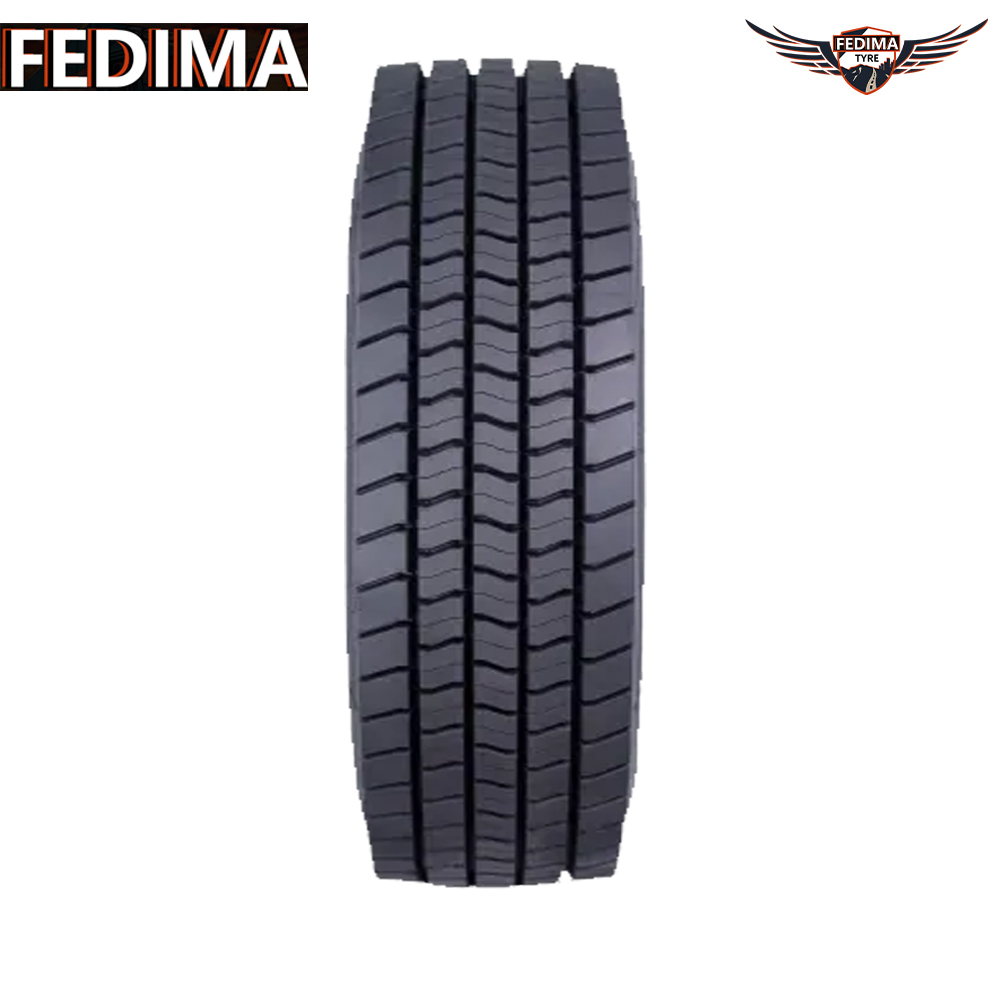
Heavy truck operators and fleet managers face a critical decision that directly impacts safety, fuel costs, and vehicle longevity: the selection of the rear pattern for trailer tires. The rear pattern—the tread design on the drive axle and trailer wheels—plays a fundamental role in determining how a truck handles under various road conditions, loading scenarios, and weather challenges. A properly selected rear pattern ensures predictable braking behavior, maintains lateral stability during cornering, and distributes weight evenly across the tire contact patch. Without careful rear pattern consideration, even well-maintained trucks can experience reduced grip, increased stopping distances, and unpredictable handling characteristics that compromise both driver safety and cargo security.

The importance of rear pattern selection extends beyond simple tire replacement. Modern heavy trucking demands that every component work in harmony to meet regulatory standards, reduce operating costs, and protect both driver and public safety. The rear pattern directly influences how a trailer responds to dynamic loads, moisture on road surfaces, and thermal stress during extended highway operation. Fleet managers who understand the connection between rear pattern design and vehicle stability can make informed purchasing decisions that reduce accidents, lower tire maintenance costs, and improve overall fleet performance.
Understanding Rear Pattern Design and Its Stability Impact
How Rear Pattern Architecture Affects Braking and Traction
The rear pattern is engineered with specific groove configurations, rib spacing, and sipe patterns that collectively determine how the tire contacts the road surface. A well-designed rear pattern creates multiple contact points that grip the asphalt while evacuating water and debris through strategically positioned channels. When a truck brakes suddenly, the rear pattern must provide sufficient grip to prevent wheel lockup and jackknifing, especially on wet or icy roads. Tires with inadequate rear pattern depth or poorly designed tread elements may lose traction prematurely, leading to loss of directional control and increased accident risk.
The rib structure within the rear pattern is particularly important for lateral stability during turns and lane changes. Rigid ribs resist sideways forces that occur when a loaded trailer navigates curves at highway speeds. A robust rear pattern prevents tire flex that could cause the truck to understeer or oversteer unexpectedly. Additionally, the rear pattern must maintain its grip characteristics across a wide temperature range, from freezing winter conditions to hot summer asphalt, ensuring consistent brake response regardless of seasonal changes.
Rear Pattern Role in Load Distribution and Weight Management
Heavy trucks regularly operate at or near maximum legal weight limits, placing enormous stress on the rear pattern throughout its service life. The rear pattern must support these loads without excessive deformation, which could create uneven pressure distribution and premature wear. A properly selected rear pattern maintains a uniform contact patch under load, distributing weight evenly across the tire width and length. This even distribution is critical because uneven pressure concentrations generate heat, accelerate rubber degradation, and reduce tire lifespan.
Load dynamics change constantly during operation—accelerating, braking, and cornering each place different demands on the rear pattern. The design must accommodate these forces while preventing the tire from shifting within the rim or developing edge wear patterns that indicate instability. Fleet operators who select the appropriate rear pattern for their typical loads and routes experience more predictable tire wear, lower replacement frequency, and improved cost control over vehicle lifecycles.
Rear Pattern Selection Criteria for Different Operating Conditions
Matching Rear Pattern to Road Environment and Climate
Different geographic regions and seasonal conditions require different rear pattern characteristics. Trucks operating primarily on wet or coastal roads benefit from a rear pattern engineered for enhanced water evacuation, featuring deeper grooves and more sipes that channel moisture away from the contact patch. Conversely, trucks in arid climates may prioritize a rear pattern optimized for abrasion resistance and fuel efficiency rather than wet-weather performance. Winter operation demands a rear pattern with smaller, more closely spaced ribs that maintain grip in snow and ice by creating micro-edges that bite into frozen surfaces.
The rear pattern also influences rolling resistance, which directly affects fuel consumption. Modern fleet operators increasingly demand a rear pattern that reduces rolling resistance without compromising safety—a balance achieved through careful tread compound selection and rib geometry. A lower-resistance rear pattern can improve fuel economy by three to five percent over the tire's service life, translating to significant savings across large fleet operations. However, this efficiency gain must never come at the cost of stability or braking performance.
Rear Pattern Considerations for Specialty Applications
Certain heavy truck applications require specialized rear pattern designs tailored to unique operational demands. Refrigerated trailers, for instance, benefit from rear pattern designs that maintain flexibility in cold environments where tires are exposed to extreme temperature cycling. Tanker trailers require rear pattern characteristics that provide predictable handling with liquid loads that shift during acceleration and braking. Construction-focused trucks operating on rough unpaved surfaces need a rear pattern with reinforced ribs that resist puncture and cutting hazards common in those environments.
Long-haul operations demand a rear pattern engineered for extended service life and consistency across tens of thousands of miles. These applications require durable compound formulations within the rear pattern structure that resist thermal degradation and maintain grip as the tread wears from new to near-replacement depth. The rear pattern selected for long-haul service must prove its stability characteristics across varying loads, speeds, and weather conditions throughout an entire season of operation.
Consequences of Improper Rear Pattern Selection
Safety Risks Associated with Mismatched Rear Pattern Choices
Selecting an inappropriate rear pattern creates safety hazards that affect not only the truck operator but also other motorists sharing the road. A rear pattern insufficient for the vehicle's weight or typical driving conditions reduces braking effectiveness, increasing stopping distance and jackknife risk during emergency maneuvers. When the rear pattern lacks adequate grip, drivers lose precision control during lane changes and turns, making it difficult to maintain stability with a loaded trailer. These compromised stability conditions become especially dangerous in wet conditions where marginal rear pattern performance can quickly escalate into loss-of-control incidents.
Improper rear pattern selection also contributes to tire failure modes including blowouts, chunking, and rapid wear that develop suddenly during operation. A rear pattern not engineered for the specific stresses of a truck's typical route or load profile may develop stress cracks that propagate into catastrophic tire separation. Such failures create hazardous road conditions and potential cargo loss, making rear pattern selection a critical safety responsibility for fleet management.
Economic Impact of Suboptimal Rear Pattern Performance
Beyond safety concerns, improper rear pattern selection directly impacts operating costs and profitability. Mismatched rear pattern choices lead to accelerated wear, requiring more frequent tire replacements and increasing downtime for maintenance. A rear pattern poorly suited to a vehicle's actual use generates higher rolling resistance, wasting fuel and reducing profit margins on every mile traveled. When trucks operate with a suboptimal rear pattern, drivers may struggle with traction or stability issues, leading to reduced productivity as they compensate by driving more cautiously or slowly.
The financial consequences of poor rear pattern selection compound over time. A single truck operating with an inappropriate rear pattern might waste hundreds of dollars monthly in excess fuel consumption and premature tire replacement. Across a fleet of dozens or hundreds of vehicles, this cumulative cost becomes a substantial operational burden. Forward-thinking fleet managers recognize that investing time in understanding rear pattern options and selecting the best match for their specific operations yields significant return through improved safety, reliability, and cost efficiency throughout each vehicle's service cycle.
FAQ
What exactly is a rear pattern and how does it differ from front tire tread?
The rear pattern refers specifically to the tread design on trailer tires and drive axles, engineered to handle the unique demands of supporting heavy loads and providing traction for braking and directional control. While front tires must balance steering precision with load support, the rear pattern prioritizes stability under sustained heavy weight and consistent braking performance. Rear pattern designs typically feature reinforced ribs and specific groove arrangements optimized for the forces experienced at the rear axles, making them fundamentally different from steer tire designs which prioritize responsiveness and precise steering feedback.
How often should rear pattern depth be monitored and when should replacement occur?
Fleet operators should monitor rear pattern depth regularly using a tread gauge, ensuring measurements are taken at multiple points around the tire circumference and across the tread width. Most regulatory standards and safety guidelines recommend replacing tires when the rear pattern reaches 4/32 of an inch remaining depth, though many operators maintain higher replacement thresholds for safety and performance consistency. Tracking rear pattern wear patterns helps identify potential alignment, load distribution, or specification issues before they cause safety problems or excessive replacement costs.
Can the same rear pattern work effectively for different truck sizes and load configurations?
While certain versatile rear pattern designs perform adequately across a range of applications, optimal performance typically requires matching the rear pattern to the specific vehicle's weight capacity, intended load profile, and primary operating environment. A rear pattern engineered for maximum load capacity may feel overly stiff for lighter-duty applications, while a rear pattern designed for efficiency might lack adequate stability under extreme loading conditions. Fleet managers with diverse vehicle types benefit from working with tire professionals to ensure each vehicle class receives a rear pattern specifically suited to its typical operational demands and expected service conditions.