
 EN
EN
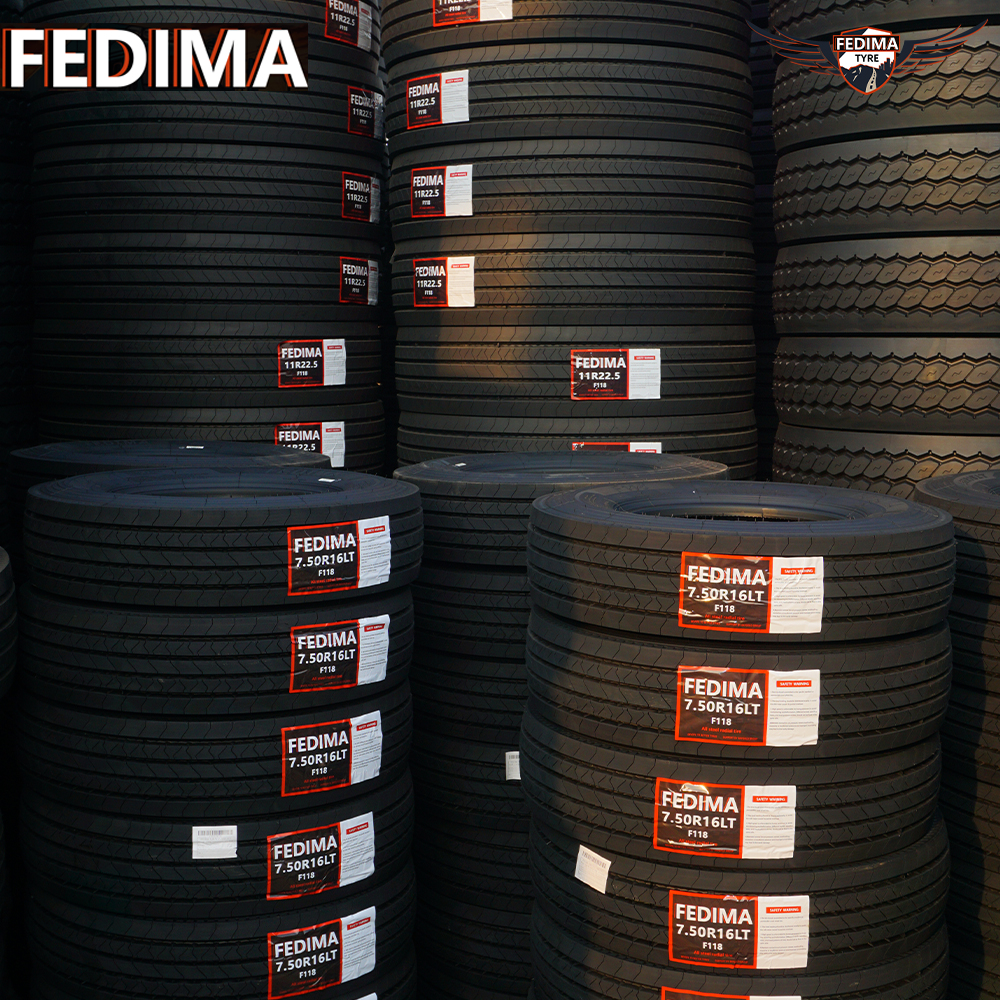
For distributors evaluating product lines, selecting the right light truck tire brand is one of the most consequential decisions in the business. The light truck tire segment sits at a dynamic intersection of fleet demand, retail consumer purchasing, and commercial logistics, making it a category with strong volume potential but equally strong competitive pressure. Distributors who choose well can build reliable recurring revenue streams, while those who choose poorly often face high return rates, thin margins, and eroding customer loyalty.

Return on investment in the light truck tire distribution business is not simply about the purchase price versus the selling price. It encompasses warranty claim rates, inventory turnover, brand recognition in target markets, and the depth of support a brand provides to its distribution channel. Understanding how each of these dimensions plays into profitability helps distributors move beyond surface-level price comparisons and make smarter sourcing decisions.
Key ROI Drivers in Light Truck Tire Distribution
Margin Structure and Volume Consistency
The foundation of distributor ROI in the light truck tire category starts with margin architecture. A light truck tire brand that offers tiered pricing based on volume commitments gives distributors a clear path to improving their per-unit economics as they scale. Brands that lock in flat pricing regardless of volume often create a ceiling on profitability. Distributors should evaluate not just the initial margin on a light truck tire but also what rebate structures or back-end incentives exist for loyal, high-volume partners.
Volume consistency matters as much as per-unit margin in the light truck tire segment. A light truck tire product that moves steadily across seasons — whether in mixed road conditions, urban delivery fleets, or rural commercial use — reduces the risk of slow-moving inventory. A light truck tire with broad application versatility, covering multiple axle positions and road surfaces, naturally supports higher inventory turnover. Distributors benefit most when a light truck tire line covers a wide enough size range to serve diverse customer bases without requiring excessive SKU complexity.
Warranty Performance and Return Rates
Warranty claims are a direct cost that erodes the gross margin earned on every light truck tire sold. A light truck tire brand with strong casing integrity, consistent tread compound quality, and predictable load ratings will generate fewer field failures. Fewer field failures translate directly into lower warranty processing costs, reduced logistics overhead, and preserved customer relationships. Distributors carrying a light truck tire line known for durability spend less time managing complaints and more time processing new orders.
When evaluating a light truck tire brand, distributors should request historical warranty data or field performance reports. A light truck tire that performs reliably under mixed road conditions — a common requirement in commercial and semi-commercial fleet use — demonstrates the kind of engineering consistency that protects distributor margins. The total cost of a light truck tire to the distributor is always higher than the invoice price once warranty-related costs are factored in.
Brand Positioning and Market Demand Fit
Alignment with Target Customer Segments
Not every light truck tire brand fits every distribution channel equally well. A light truck tire designed for heavy mixed-road conditions may be the ideal choice for distributors serving rural logistics operators, construction support fleets, or agricultural transport businesses. A light truck tire with a more urban tread design may suit distributors whose primary customers are last-mile delivery companies or urban commercial van operators. Matching the light truck tire product positioning to the actual demand profile of the distribution territory is essential for achieving strong sell-through rates.
Strong brand positioning in a specific light truck tire application niche also reduces direct head-to-head price competition. When a distributor can offer a light truck tire that fills a clearly defined need — such as exceptional durability on unpaved roads or reliable all-position performance on mixed surfaces — the purchase decision becomes less price-driven. A light truck tire with a credible technical story supports distributor sales teams in having value-based conversations rather than competing purely on price.
Brand Support and Channel Investment
The ROI a distributor earns on a light truck tire line is also shaped by what the brand invests back into the channel. A light truck tire supplier that provides technical training materials, co-marketing support, and clear product documentation enables distributors to sell with confidence. Brands that treat distributors as strategic partners rather than transactional buyers tend to offer more favorable inventory support programs, faster resolution of technical queries, and access to product development feedback channels.
For distributors evaluating a new light truck tire brand partnership, the quality of pre-sales and after-sales support is a tangible ROI factor. Slow response times, unclear product specifications, or poor availability of replacement stock all increase the distributor's operating cost per light truck tire unit sold. A brand that invests in channel support infrastructure signals that it understands long-term partnership value rather than short-term transaction volume.
Inventory Efficiency and Supply Chain Reliability
Lead Times and Stock Availability
Distributors carry real capital risk when stocking a light truck tire line. Long lead times, inconsistent production schedules, or frequent stockouts on key sizes force distributors to either over-invest in safety stock or risk losing sales to competitors. A light truck tire brand with reliable supply chain performance directly improves the distributor's working capital efficiency. When a light truck tire can be replenished predictably, distributors can operate leaner inventory positions while still maintaining service levels.
Supply chain reliability is especially critical for a light truck tire used in commercial applications where fleet customers cannot tolerate delivery delays. A light truck tire supplier that maintains regional warehouse support, communicates proactively about availability changes, and offers flexible minimum order quantities creates a lower-risk distribution environment. These operational factors are often overlooked in initial brand ROI analysis but consistently emerge as major contributors to long-term profitability.
SKU Rationalization and Range Depth
A well-structured light truck tire range reduces complexity while maximizing market coverage. Distributors benefit when a light truck tire line covers the most commercially active sizes across common axle configurations without requiring an unmanageable number of SKUs. A focused, well-curated light truck tire portfolio is easier to manage, easier to train sales teams on, and easier to forecast. Distributors who overextend their light truck tire inventory across too many marginal sizes often find that carrying costs erode the margins earned on core movers.
FAQ
What factors most directly affect a distributor's ROI on a light truck tire line?
The primary ROI factors for a light truck tire distributor include margin structure, inventory turnover rate, warranty claim frequency, and brand support quality. A light truck tire with strong durability, clear market positioning, and reliable supply availability delivers better total returns than a low-cost light truck tire with high claim rates and unpredictable restocking lead times.
How does application specificity affect light truck tire sales performance for distributors?
A light truck tire optimized for a specific application — such as mixed road, all-position commercial use, or heavy-load conditions — sells more effectively when the distributor's customer base has matching needs. Application-specific positioning reduces price competition and strengthens the distributor's technical credibility with fleet buyers who require a light truck tire suited to their actual operating environment.
Should distributors prioritize brand recognition or product performance when selecting a light truck tire line?
Both matter, but in B2B and fleet-oriented distribution channels, light truck tire product performance often drives repeat purchasing more than consumer brand awareness. Distributors serving commercial customers find that a light truck tire with proven field durability and consistent sizing standards generates stronger loyalty than a widely advertised light truck tire that underperforms in demanding conditions. Long-term ROI favors performance-driven light truck tire selection.