
 EN
EN
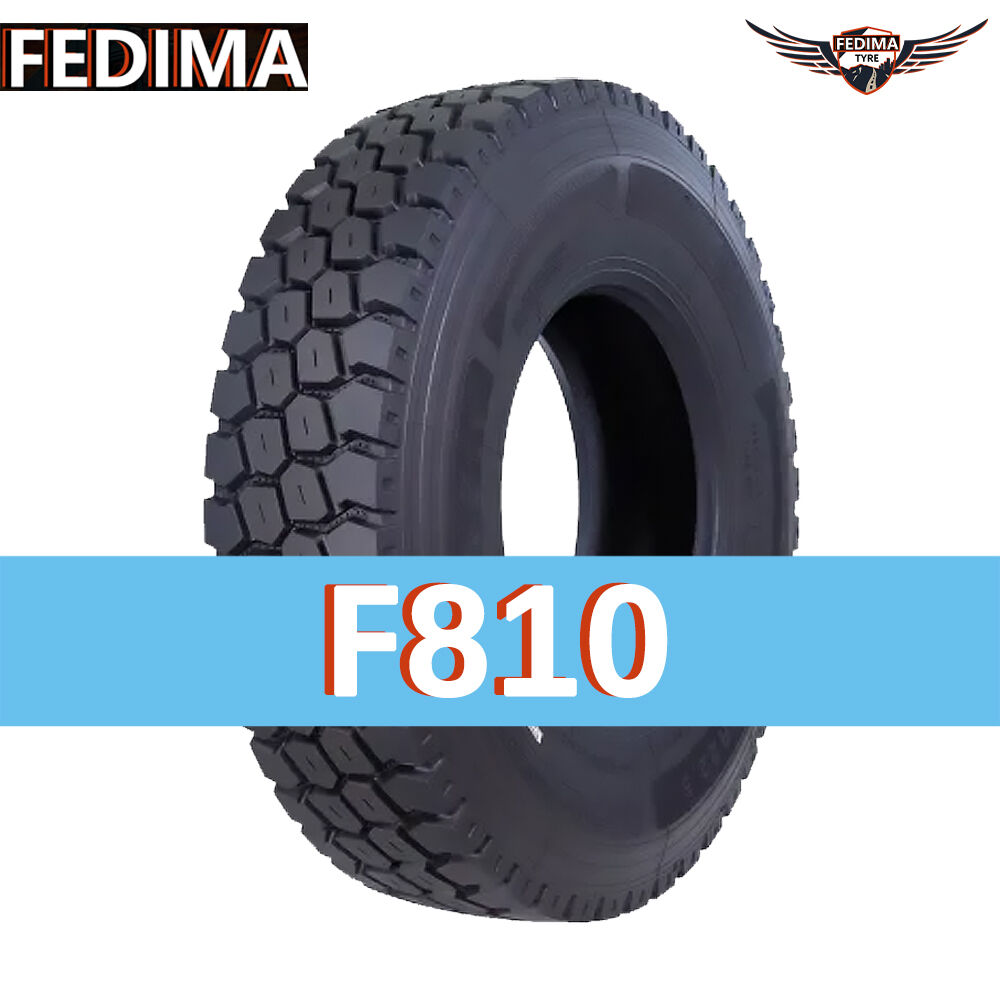
Irregular tyre wear is one of the most persistent and costly challenges fleet operators face, yet it is often misattributed to mechanical faults, inflation issues, or load imbalances alone. The truth is that the choice of rear pattern plays a far more significant and often underestimated role in determining whether a tyre wears evenly across its contact patch. When fleets select the wrong tread design for drive axles or trailer positions, the consequences show up quickly in the form of heel-and-toe wear, one-sided shoulder erosion, and rapid centre rib degradation. Understanding how the rear pattern interacts with the specific demands of its axle position is the first step toward genuinely preventing premature and uneven wear.
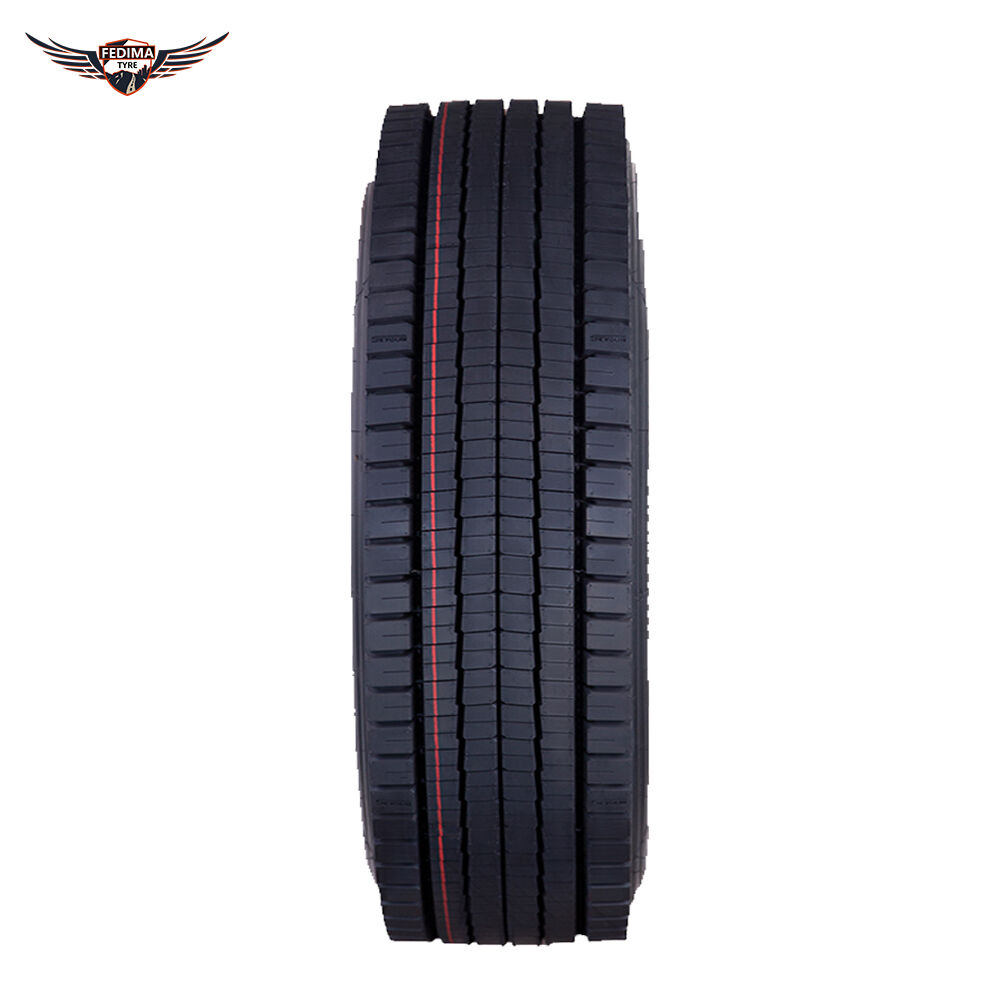
This article is designed for fleet managers, tyre procurement specialists, and transport operators who want to make more informed decisions about tyre selection. The focus is specifically on the rear pattern and how choosing the correct tread geometry, groove design, and block configuration for trailing and drive positions can dramatically reduce irregular wear cycles, extend tyre life, and lower total cost of ownership. If your fleet is experiencing repeat irregular wear patterns despite correct inflation and alignment, the answer may lie in the tread pattern itself.
The Role of the Rear Pattern in Tyre Wear Distribution
How Tread Geometry Governs Contact Pressure
Every rear pattern is engineered with a specific load distribution philosophy in mind. The block geometry, sipe density, groove depth, and pitch variation all work together to manage how pressure is spread across the tyre footprint during operation. A drive axle tyre, for example, must handle both traction forces and weight transfer, whereas a trailer tyre primarily endures lateral scrub and varying load cycles.
When the wrong rear pattern is mounted on a drive or trailer axle, the contact pressure becomes uneven. Certain blocks carry more load than their design intended, leading to faster localised wear. The result is irregular wear that no amount of rotation or inflation adjustment can fully reverse once it has set in. The tread geometry must match the axle's mechanical demands from the outset.
A well-matched rear pattern will distribute the contact pressure uniformly, allowing each block or rib to wear at a consistent rate. This is why tyre engineers design rear patterns differently from steer axle tyres — the functional requirements are entirely distinct, and pretending otherwise leads directly to premature wear.
Drive Axle Demands vs. Trailer Position Requirements
The drive axle subjects the rear pattern to significant torsional stress every time the engine delivers power to the road. This longitudinal scrubbing action is the primary cause of heel-and-toe wear on drive tyres. A rear pattern with robust, well-angled shoulder blocks and sufficient void ratio can absorb and distribute these forces more effectively than a rib-dominated design.
Trailer positions, by contrast, experience a very different wear mechanism. The tyre is not driven — it is dragged along, subjected to lateral forces during cornering, and loaded with the weight of the cargo. A rear pattern suited for trailer use typically features closed shoulder designs, more continuous ribs, and lower void ratios that reduce the risk of uneven rib wear caused by lateral scrub.
Mixing these applications — fitting a trailer-oriented rear pattern on a drive axle or vice versa — is a common mistake that leads to accelerated irregular wear. The tread design simply was not built to handle the wrong set of forces, and the tyre pays the price through rapid and uneven degradation.
Common Irregular Wear Patterns Linked to Incorrect Rear Pattern Selection
Heel-and-Toe Wear on Drive Axles
Heel-and-toe wear occurs when the leading edge of a tread block wears more slowly than the trailing edge, or vice versa, creating a sawtooth profile when the tread is viewed from the side. This is almost always the result of a rear pattern that does not have the right block stiffness or pitch sequence for the drive axle position. Overly tall and narrow blocks without sufficient lateral support are especially vulnerable.
When a rear pattern with an appropriate block aspect ratio and reinforced block edges is used on drive axles, the torsional forces are spread across a larger surface area during each traction event. This reduces the differential wear rate between the heel and toe of each block, keeping the tread surface flat for longer. Choosing the wrong rear pattern essentially accelerates the sawtooth effect from the very first kilometres.
Fleet operators who notice heel-and-toe wear within the first third of a tyre's expected service life should immediately audit their rear pattern selection. It is far more cost-effective to switch to the correct pattern at the next tyre replacement than to continue absorbing the cost of shortened tyre cycles.
One-Sided and Centre Wear on Trailer Tyres
Trailer tyres are prone to two specific irregular wear signatures: one-sided shoulder wear and centre channel wear. One-sided shoulder wear typically indicates a combination of alignment issues and a rear pattern with insufficient shoulder rib continuity. When the shoulder blocks are too open or too softly compounded for trailer service, lateral cornering forces carve into the outer shoulder unevenly.
Centre wear on trailer positions is often caused by inflation errors, but the rear pattern contributes significantly too. Patterns with narrow, isolated centre blocks concentrate pressure in the middle of the footprint when over-inflated, while patterns with a solid centre rib are far more resilient to the same inflation variation. Selecting a trailer-optimised rear pattern creates a buffer against wear triggers that cannot always be perfectly controlled in real fleet operations.
The practical takeaway is straightforward: the correct rear pattern for trailer positions must offer both shoulder protection and centre rib stability. These two characteristics reduce the likelihood of either wear mode developing, even when minor operational deviations occur.
Key Features to Look for in a Rear Pattern That Resists Irregular Wear
Block Design and Pitch Variation
A rear pattern engineered to resist irregular wear will typically feature variable pitch sequences. Pitch variation means the block sizes are not perfectly uniform around the tyre's circumference. This intentional variation prevents resonance harmonics that cause vibration-induced wear, which is a subtle but real contributor to irregular wear on high-mileage fleets.
Block stiffness is the other critical design parameter. A rear pattern with reinforced block edges and appropriate chamfering on the trailing edges of each block dramatically reduces the differential wear between the front and back of each block element. This is the engineering solution to heel-and-toe wear, and it works best when combined with a compound that balances grip and wear resistance for the specific axle position.
When evaluating a rear pattern for drive or trailer use, fleet buyers should ask their tyre supplier about the pitch variation ratio and block reinforcement design. These are not marketing features — they are measurable engineering properties that directly determine how uniformly the tyre will wear over its service life.
Groove Depth, Void Ratio, and Drainage Design
The groove depth and void ratio of a rear pattern directly influence how weight is distributed during operation. Higher void ratios increase drainage capability but reduce the total rubber contact area, which concentrates pressure on fewer blocks and can accelerate wear. For drive axle positions with high traction demands, a moderate void ratio balanced with deep grooves offers the best compromise between traction, drainage, and wear evenness.
For trailer positions, lower void ratios are generally preferable because they maximise the tread contact area and distribute load more evenly across the footprint. A rear pattern with a closed shoulder and a relatively low void ratio is inherently more resistant to the lateral scrubbing that causes one-sided wear in trailer service. It also responds more predictably to minor inflation variation.
The drainage design — meaning how the longitudinal and lateral grooves intersect — also matters for wear uniformity. Patterns with well-connected groove networks maintain tread rigidity better than fragmented block designs, which can flex unevenly and create micro-wear differentials across the contact patch. Selecting a Rear pattern that balances drainage efficiency with block rigidity is essential for achieving consistent wear across both drive and trailer axle applications.
Operational Factors That Magnify the Impact of an Incorrect Rear Pattern
Load Cycles and Payload Variation
Fleets that operate under variable payload conditions — running fully loaded on outbound journeys and empty on return trips — place highly varied stress on their tyres with every cycle. A rear pattern that is not designed with this load variability in mind will wear unevenly because the block deformation under full load versus empty running is dramatically different. Blocks that are ideal under maximum load may flex excessively when the axle is lightly loaded, causing scrubbing wear on the block edges.
Selecting a rear pattern with compound stiffness and block geometry calibrated for variable load conditions reduces this effect. Some rear patterns include reinforcing sub-layer compounds or multi-radius crown designs that maintain more consistent contact patch shape across different load states. For fleets with high payload variability, this is not a luxury — it is a practical necessity for avoiding irregular wear.
Road Surface and Route Profile
The type of roads a vehicle operates on regularly should directly influence rear pattern selection. Long-haul highway operations favour low-void, rib-dominated rear patterns that minimise block movement and resist abrasive wear on smooth asphalt. Regional and mixed-service routes involve more cornering, acceleration, and braking on varied surfaces, which demands a rear pattern with more robust block geometry and deeper grooves for traction and drainage.
Urban distribution fleets face the harshest wear conditions of all, with constant start-stop cycles, tight turns, and frequently rough pavement. A rear pattern used in urban duty must prioritise block edge rigidity and tread compound resilience above all else. Using a highway-optimised rear pattern on an urban distribution vehicle will almost always produce rapid and irregular wear, particularly at the shoulder zones.
Taking route profiles into account when specifying a rear pattern is a simple but often overlooked practice that can add thousands of kilometres to tyre service life. The best fleet tyre managers treat route data as a tyre specification input, not as an afterthought.
FAQ
What is the difference between a drive axle rear pattern and a trailer rear pattern?
A drive axle rear pattern is designed to handle traction forces, torsional stress, and high torque delivery. It typically features deeper grooves, stronger block edges, and moderate to high void ratios for traction. A trailer rear pattern, by contrast, is engineered for lateral stability, even load distribution, and resistance to scrubbing wear, usually with lower void ratios and more continuous ribs. Fitting either in the wrong position will accelerate irregular wear.
Can using the wrong rear pattern cause irreversible irregular wear?
Yes. Once irregular wear — such as heel-and-toe or one-sided shoulder wear — has developed beyond the initial tread depth, it cannot be reversed. The deformed tread blocks continue to contact the road unevenly and the wear pattern amplifies itself. Catching and correcting a mismatched rear pattern early, before irregular wear becomes entrenched, is the only effective strategy. Regular tyre inspections and early pattern audits are essential.
How often should I re-evaluate my rear pattern selection for my fleet?
You should re-evaluate your rear pattern selection whenever there is a significant change in vehicle operation — such as a new route type, payload category, axle configuration change, or if your current tyres are consistently wearing irregularly despite correct inflation and alignment. Additionally, when new tyre generations enter the market, their updated rear pattern technology may outperform legacy choices for your specific application.
Does tyre rotation help if the rear pattern is already causing irregular wear?
Tyre rotation can slow the progression of irregular wear and temporarily redistribute the wear load, but it does not address the root cause if a mismatched rear pattern is the underlying problem. Rotating a badly specified tyre simply moves the irregular wear to a different position. The correct solution is to replace the tyre with a rear pattern properly suited to the axle position and operational demands of the vehicle.
Table of Contents
- The Role of the Rear Pattern in Tyre Wear Distribution
- Common Irregular Wear Patterns Linked to Incorrect Rear Pattern Selection
- Key Features to Look for in a Rear Pattern That Resists Irregular Wear
- Operational Factors That Magnify the Impact of an Incorrect Rear Pattern
-
FAQ
- What is the difference between a drive axle rear pattern and a trailer rear pattern?
- Can using the wrong rear pattern cause irreversible irregular wear?
- How often should I re-evaluate my rear pattern selection for my fleet?
- Does tyre rotation help if the rear pattern is already causing irregular wear?