
 EN
EN
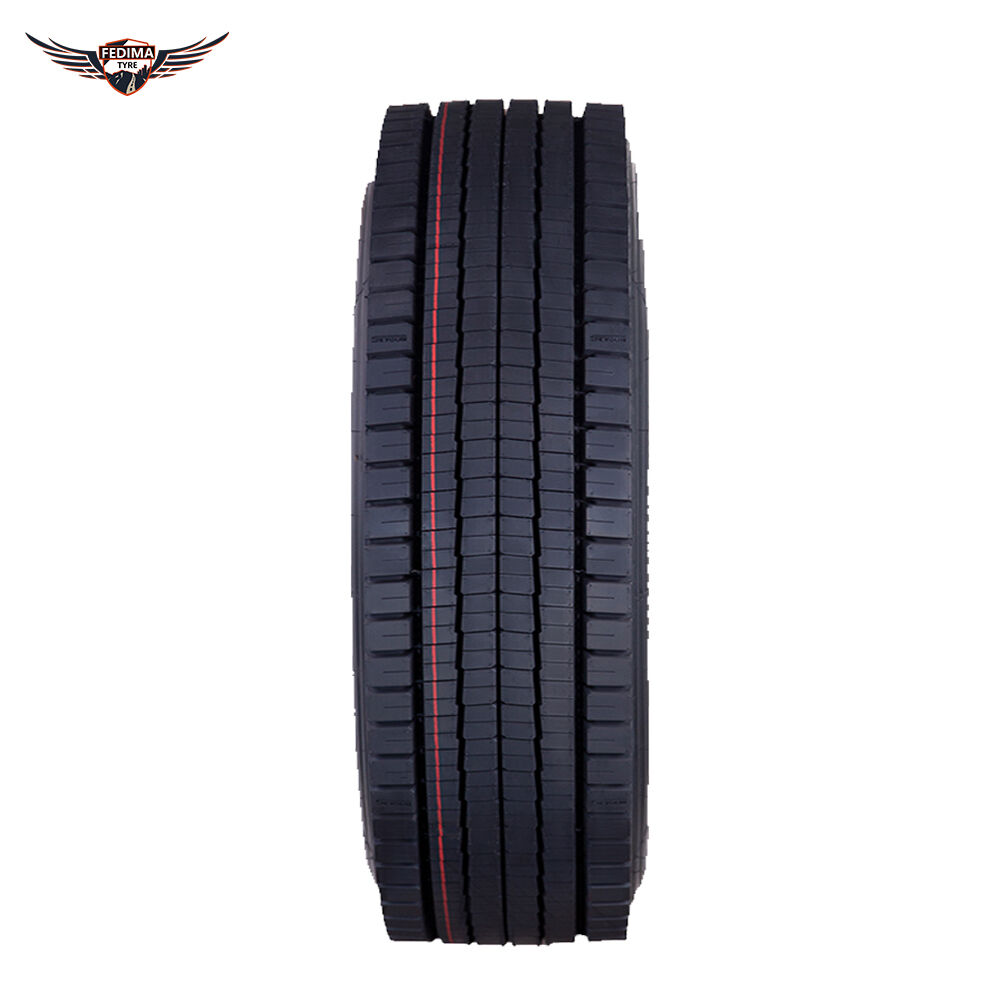
When fleet operators and transport managers evaluate long-haul performance, every component that touches the road matters — and the Drive tire sits at the center of that calculation. A well-engineered drive tire does far more than transfer engine torque to the pavement; it directly influences how much fuel a vehicle consumes across thousands of kilometres. Choosing the right drive tire is therefore not merely a maintenance decision but a strategic investment in operational cost control, sustainability targets, and driver confidence on demanding routes.
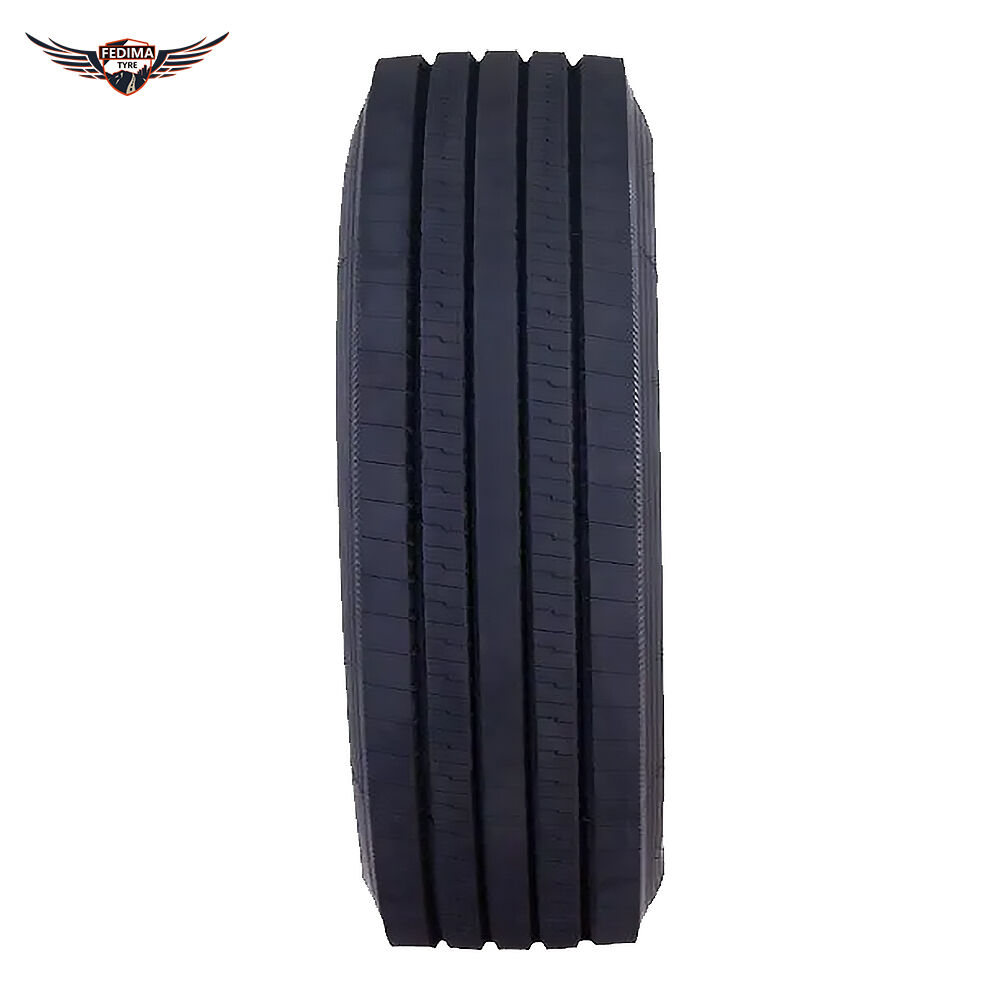
The question fleet managers most often ask is simple: what separates a genuinely fuel-efficient drive tire from one that merely claims to be? The answer lies in a combination of compound chemistry, tread architecture, structural engineering, and real-world validation. This article unpacks each of those dimensions to explain precisely why our drive tire has earned its reputation as a top-tier choice for operators who prioritise fuel savings without compromising safety or durability.
The Role of Rolling Resistance in Drive Tire Fuel Efficiency
Understanding Rolling Resistance at the Drive Axle
Rolling resistance is the force that opposes the forward motion of a tyre as it deforms and recovers with each rotation. At the drive axle, this force is amplified because the drive tire must simultaneously manage traction loads and forward propulsion. When rolling resistance is high, the engine compensates by consuming more fuel, making this single parameter one of the most consequential variables in total fuel expenditure for any long-haul truck.
Studies across commercial vehicle sectors consistently show that a 10% reduction in rolling resistance can translate to approximately a 3% reduction in fuel consumption. Over a vehicle operating 150,000 kilometres per year, that figure becomes financially significant very quickly. Our drive tire is engineered from the compound level upward to minimise internal energy loss during deformation cycles, ensuring that the engine's output is converted into forward motion rather than dissipated as heat.
The measurement standard most commonly used across the EU and international markets is the rolling resistance coefficient, which is assessed under controlled laboratory conditions and increasingly reflected in EU tyre labelling grades. A drive tire rated highly in rolling resistance testing does not just perform well in the lab — it translates that efficiency directly into real-world fuel savings on motorways, A-roads, and mixed-duty routes.
How Compound Technology Reduces Energy Loss
The rubber compound used in a drive tire is not a single material but a precisely engineered blend of polymers, reinforcing agents, and chemical additives. Silica-enhanced compounds have become an industry benchmark for low-hysteresis formulations, meaning the rubber recovers energy more efficiently after each deformation cycle. This reduces the heat build-up that signals wasted energy and contributes directly to lower rolling resistance figures.
Our drive tire compound is formulated to achieve a balance that the industry often finds difficult: maintaining strong wet grip and traction performance while simultaneously lowering the energy dissipation coefficient. This balance matters enormously in real fleet operations because a tyre that is fuel-efficient but lacks grip in wet or cold conditions creates unacceptable safety trade-offs. The compound in our drive tire addresses both requirements through a layered molecular architecture that separates the grip-generating surface from the low-loss structural base.
Temperature stability is another dimension of compound engineering that affects long-term fuel efficiency. As a drive tire heats up during extended motorway runs, a poorly designed compound becomes softer and more hysteretic, causing rolling resistance to creep upward. Our compound is formulated to maintain stable viscoelastic properties across a wide operating temperature range, ensuring consistent fuel efficiency throughout an entire journey rather than only during the first hundred kilometres.
Tread Design Features That Support Fuel Savings
Rib Architecture and Contact Patch Optimisation
Tread pattern design has a direct and measurable influence on rolling resistance. Wide longitudinal ribs reduce the number of edges that flex under load, which in turn reduces the micro-deformation events that generate heat and energy loss. Our drive tire features an optimised rib architecture that maximises the stable contact area while minimising unnecessary tread movement under load. This creates a more consistent and controlled footprint that interacts with the road surface in a predictable, energy-efficient manner.
The geometry of each rib, including its width, depth, and lateral stiffness, is calibrated through finite element analysis and physical testing to ensure the contact patch remains stable even when the drive tire is operating under maximum load. A stable contact patch means less lateral squirming, less energy waste, and more precise torque transfer — all of which contribute to lower fuel consumption per kilometre.
Groove depth management is equally important. While deeper grooves extend tread life, they also increase the flexibility of the tread block edges, which raises rolling resistance. Our drive tire is designed with a groove geometry that balances longevity with stiffness, ensuring that fuel efficiency remains excellent throughout the operational life of the tyre rather than only when the tread is new.
Sipe Density and Pattern Noise Reduction
Sipes — the fine cuts within tread blocks — play a dual role. They improve grip on wet or lightly contaminated surfaces by creating additional biting edges, but excessive sipe density increases tread block flexibility and, consequently, rolling resistance. Our drive tire uses a carefully controlled sipe layout that provides adequate wet performance without compromising the tread stiffness that supports low rolling resistance targets.
Pattern noise, while primarily a comfort consideration, also has a secondary relationship with fuel efficiency. Aerodynamic drag generated by tyre noise and turbulence in the wheel arch contributes to overall vehicle resistance. Our drive tire tread pattern is designed with noise-optimised pitch sequencing that reduces tonal noise generation, which marginally but meaningfully reduces aerodynamic losses at higher motorway speeds.
The relationship between tread pattern and noise also affects driver fatigue on long routes. Quieter tyres reduce cabin noise levels, which in turn reduces fatigue-driven speed variation — a behavioural factor that has a measurable but often overlooked impact on fleet fuel consumption. A driver who is less fatigued maintains more consistent speed profiles, particularly on motorways where micro-accelerations caused by noise discomfort can add up significantly over a 10-hour shift.
Structural Engineering and Casing Integrity
Belt Package Design for Stability Under Load
The internal architecture of a drive tire is as important as its external tread features. The belt package — typically composed of high-tensile steel cords arranged at precise angles — is responsible for maintaining tread rigidity and ensuring that the contact patch deforms predictably rather than chaotically under load. A well-engineered belt package reduces the lateral tread movement that generates excess heat and increases rolling resistance.
Our drive tire incorporates a multi-layer belt structure with optimised cord angles that distribute load stresses evenly across the contact patch. This even load distribution prevents hot spots and localised fatigue, both of which can accelerate compound degradation and cause rolling resistance to increase over the tyre's lifetime. The result is a drive tire that maintains its efficiency credentials consistently across a full service life rather than degrading rapidly after the initial break-in period.
Casing stiffness also plays a role in torque transfer efficiency. A casing that is too flexible loses energy during the load/unload cycle of each rotation, while a casing that is too rigid creates harshness and poor road contact. Our drive tire's casing is engineered to provide the optimal stiffness balance — firm enough to resist unnecessary flexion under heavy loads, yet compliant enough to maintain consistent road contact on imperfect surfaces.
Bead Construction and Inflation Retention
Consistent tyre pressure is one of the most critical variables in maintaining the fuel efficiency of any drive tire. When pressure drops below the recommended level, the sidewall flexes excessively, dramatically increasing rolling resistance and heat generation. Our drive tire features a reinforced bead construction designed for outstanding air retention over extended intervals, helping fleets maintain target pressures more consistently between scheduled checks.
The bead-to-rim interface is engineered for a secure, airtight seal even under the dynamic loads experienced at the drive axle. Lateral forces during cornering, the torque spike during acceleration, and the braking loads during deceleration all stress the bead area. Our drive tire's bead construction is validated under these combined stress conditions to ensure that inflation pressure remains stable, protecting both fuel efficiency and structural integrity.
For fleets running tyre pressure monitoring systems, the stable inflation characteristics of our drive tire provide an additional operational benefit: fewer pressure alerts, fewer roadside corrections, and less driver disruption. This reliability dimension supports fuel efficiency indirectly by ensuring that the tyre is always operating in its designed pressure window rather than in a slightly underinflated state that compromises every efficiency parameter simultaneously.
Real-World Fuel Efficiency Validation and Fleet Benefits
From Test Track to Road: Translating Lab Performance to Fleet Operations
Laboratory rolling resistance measurements are essential for product development and regulatory compliance, but fleet operators ultimately care about real-world fuel savings. Our drive tire is validated not only in controlled test environments but also through structured fleet trials conducted on representative routes with representative loads. These trials use calibrated fuel measurement systems to quantify fuel consumption differences with statistical confidence.
The results consistently demonstrate that switching to our drive tire produces measurable fuel savings per 100 kilometres compared to industry-average alternatives. These savings are observed across a variety of conditions — fully loaded long-haul runs, regional distribution cycles, and mixed-use operations — indicating that the efficiency benefits are not limited to ideal conditions but are robust across the diversity of real fleet operations.
Fleet operators who have adopted our drive tire also report secondary benefits that compound the direct fuel savings. Reduced tyre temperatures during operation extend the intervals between heat-related inspections, lower the risk of sidewall fatigue cracking, and preserve the casing integrity that is essential for retreading programmes. For fleets that retread tyres as part of their cost management strategy, a casing that remains structurally sound is a significant economic asset.
Total Cost of Ownership Perspective
Evaluating a drive tire purely on its purchase price misses the larger economic picture. When fuel savings, extended service life, retreading potential, and reduced downtime are factored into a total cost of ownership model, our drive tire consistently demonstrates a strong return on investment. The fuel savings alone typically offset the initial cost premium within a defined number of operating kilometres, after which the financial benefit becomes net positive.
For transport operators navigating rising fuel costs, emissions regulations, and decarbonisation commitments, choosing a drive tire that delivers verifiable fuel efficiency contributes directly to both cost control and sustainability reporting. Many operators now include tyre rolling resistance ratings in their environmental management documentation, and a high-performing drive tire provides concrete data points for CO2 reduction claims in corporate sustainability reports.
The Drive tire in our F100 range is specifically engineered for fuel-efficient long-haul applications, combining the compound technology, tread architecture, and structural engineering principles described throughout this article into a single, validated product ready for demanding fleet deployment.
FAQ
How does a drive tire differ from a steer or trailer tyre in terms of fuel efficiency engineering?
A drive tire must handle both torque transfer and forward propulsion, which means its compound and casing must manage greater shear and heat loads than steer or trailer tyres. Fuel efficiency engineering for a drive tire therefore focuses heavily on thermal stability, traction-efficiency balance, and casing stiffness under combined load conditions, whereas steer tyre engineering prioritises handling precision and trailer tyre engineering focuses almost entirely on low rolling resistance under passive load.
What tyre pressure should I maintain to maximise the fuel efficiency of my drive tire?
The recommended inflation pressure for maximum fuel efficiency is specified by the tyre manufacturer and varies based on the axle load carried. Operating at the correct pressure is critical because even a small deviation — typically 10% below target — can increase rolling resistance by a meaningful margin. Fleets should use calibrated pressure gauges and consider tyre pressure monitoring systems to maintain the optimal pressure window consistently across all operating conditions.
Does the fuel efficiency of a drive tire degrade as the tread wears?
Rolling resistance can change as tread depth decreases, and the direction of that change depends on the tyre's design. In many cases, a drive tire with lower tread depth has slightly lower rolling resistance because there is less tread mass to deform. However, the more important consideration is that worn tread reduces wet traction performance, so legal minimum tread depth limits exist for safety reasons. Our drive tire is designed to maintain strong fuel efficiency performance throughout its legal tread life, not just at new tread depth.
Can a single drive tire change make a measurable difference to a fleet's annual fuel bill?
Yes, particularly for vehicles with high annual mileage. A vehicle covering 150,000 kilometres per year and achieving a fuel saving of just 2 to 3 litres per 100 kilometres through a more efficient drive tire can save several hundred litres annually. Across a fleet of 50 or 100 vehicles, this aggregates into a financially significant figure. The key is to select a drive tire with verified rolling resistance credentials and to maintain correct inflation pressure consistently to realise the full saving potential.
Table of Contents
- The Role of Rolling Resistance in Drive Tire Fuel Efficiency
- Tread Design Features That Support Fuel Savings
- Structural Engineering and Casing Integrity
- Real-World Fuel Efficiency Validation and Fleet Benefits
-
FAQ
- How does a drive tire differ from a steer or trailer tyre in terms of fuel efficiency engineering?
- What tyre pressure should I maintain to maximise the fuel efficiency of my drive tire?
- Does the fuel efficiency of a drive tire degrade as the tread wears?
- Can a single drive tire change make a measurable difference to a fleet's annual fuel bill?