
 EN
EN
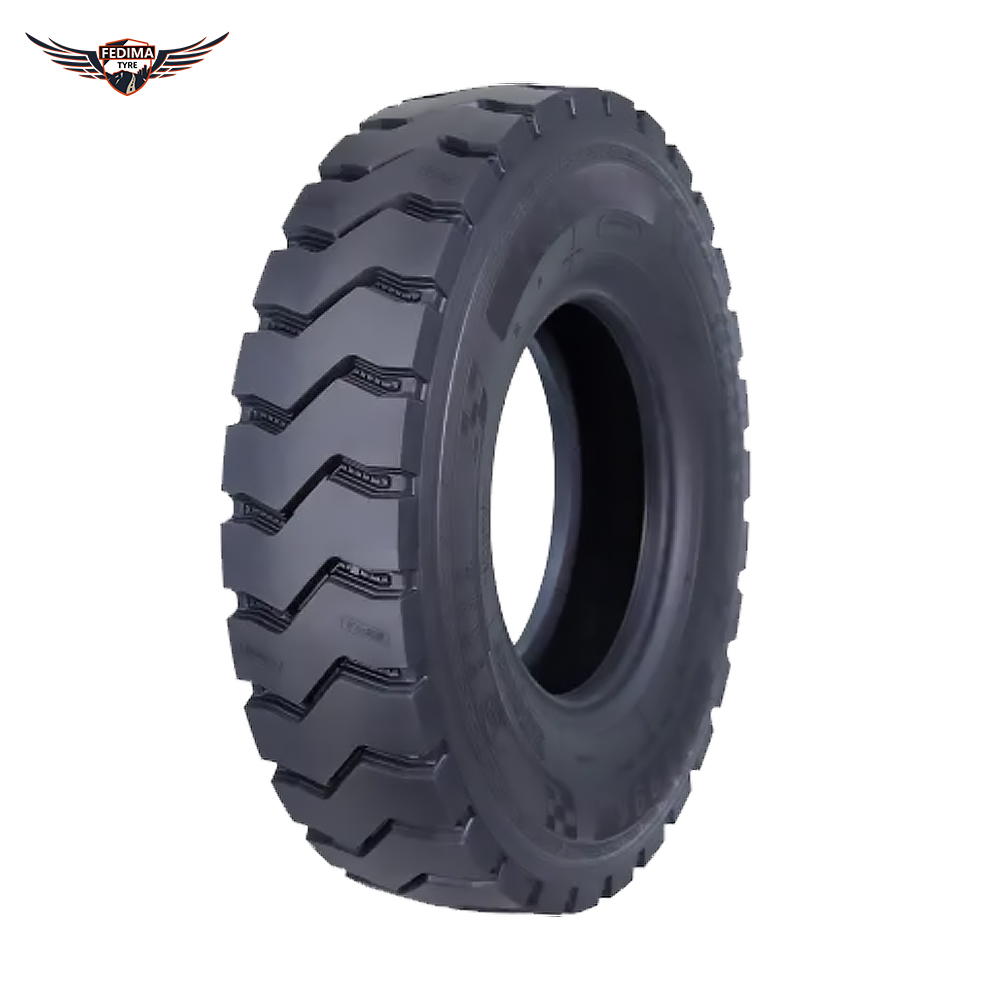
Operating vehicles on extreme terrain demands equipment engineered for conditions that standard road tyres simply cannot withstand. An off road tyre represents a specialized solution designed specifically to handle rocky landscapes, muddy surfaces, sandy dunes, and steep inclines where conventional tyres would fail catastrophically. The necessity of an off road tyre extends far beyond convenience—it directly impacts vehicle safety, operational efficiency, and mission success in remote or challenging environments. Understanding why an off road tyre differs fundamentally from highway alternatives helps operators, fleet managers, and procurement specialists make informed decisions about terrain-specific mobility.
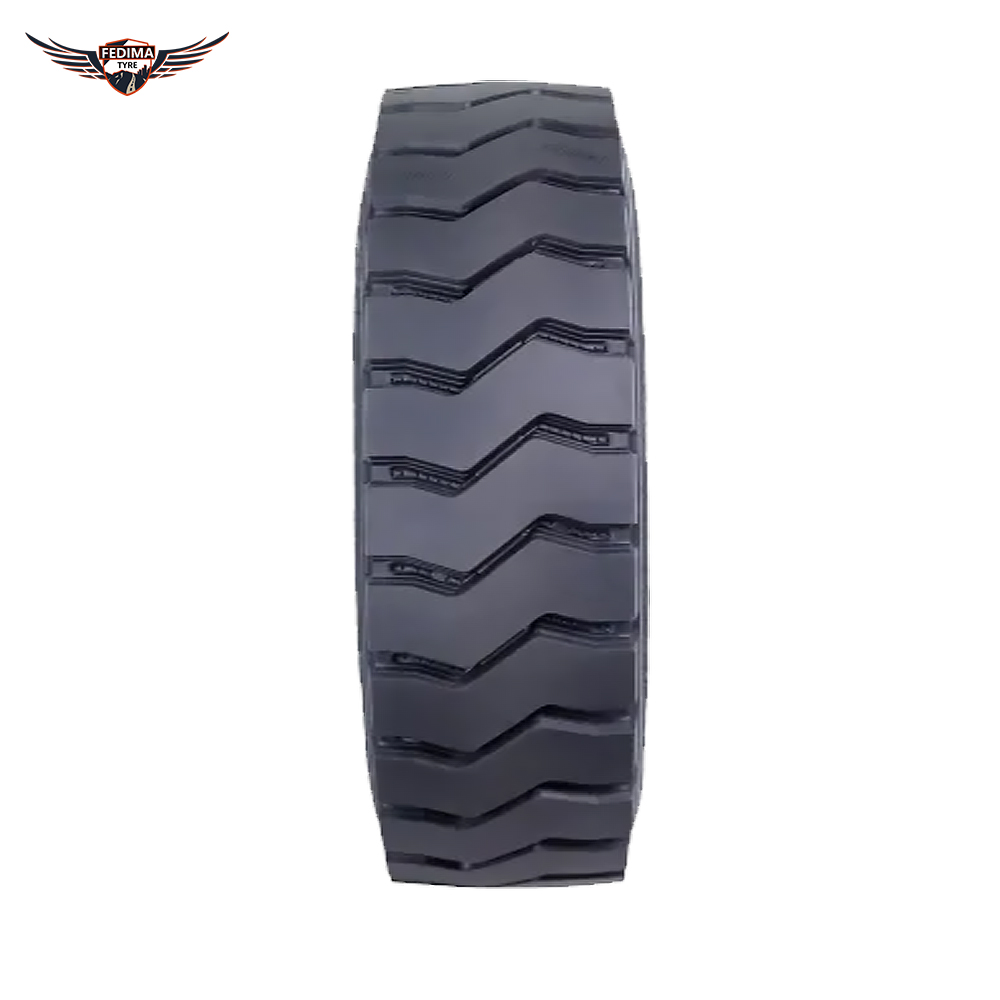
Extreme terrain environments present dynamic challenges that require an off road tyre engineered with enhanced structural integrity and specialized tread patterns. The transition from paved surfaces to unpredictable ground conditions creates forces and abrasion levels that demand fundamentally different rubber compounds and reinforcement strategies. When organizations deploy vehicles into mining operations, construction sites, agricultural fields, or remote exploration zones, selecting the right off road tyre becomes a critical operational and safety decision that affects downtime, repair costs, and personnel protection.
Traction and Grip in Harsh Environments
Enhanced Tread Pattern Design
An off road tyre incorporates aggressive tread patterns with deeper lugs and wider spacing compared to road tyres, specifically engineered to bite into loose and unstable surfaces. These design features allow an off road tyre to maintain grip on muddy terrain where standard tyres would spin uselessly, and on rocky ground where smooth surfaces offer minimal mechanical locking. The spacing between lugs in an off road tyre prevents mud and debris accumulation, a phenomenon called 'mud packing' that would reduce traction to dangerous levels. Rocky slopes, sandy areas, and waterlogged surfaces all require an off road tyre with geometrically optimized lugs that conform to microscopic surface variations and maximize contact pressure distribution.
Self-Cleaning and Debris Management
An off road tyre's void architecture actively expels loose material during rolling motion, maintaining consistent contact with the underlying surface throughout the tyre's rotation cycle. This self-cleaning capability distinguishes an off road tyre from conventional tyres, which accumulate material in tread cavities and experience progressive traction loss as mud buildup insulates the tread from direct ground contact. Operating heavy equipment on muddy construction sites or wet agricultural land reveals why an off road tyre's design prevents this degradation. The larger voids characteristic of an off road tyre also accommodate temporary deformation when traversing sharp rocks or root systems, absorbing impact energy before the rubber re-expands into original geometry.
Structural Durability and Impact Resistance
Reinforced Sidewall Construction
Extreme terrain exposes sidewalls to lateral stresses and sharp abrasion that road surfaces never generate, making sidewall reinforcement a defining characteristic of every premium off road tyre. An off road tyre features thicker, reinforced rubber compounds in sidewall areas, often incorporating extra steel or textile reinforcement layers that distribute lateral loads and resist puncture initiation. When vehicles navigate boulder fields, traverse deep ruts, or operate on steep hillsides, the forces transmitted through sidewalls can exceed those experienced during normal highway driving by factors of three to five. An off road tyre's reinforced sidewall absorbs these forces without cracking, delaminating, or failing prematurely, directly extending the vehicle's operational window in remote environments where replacement tyres may be inaccessible for weeks or months.
Puncture and Cut Resistance
Sharp rocks, thorns, metal fragments, and woody debris present constant puncture risks in extreme terrain, requiring an off road tyre engineered with impact-resistant rubber formulations and protective tread layers. A quality off road tyre incorporates polyamide or aramid reinforcement in the tread area, materials that absorb cutting forces before they reach the air-retaining carcass. Mining operations, forestry work, and desert exploration all demonstrate that an off road tyre's resistance to puncture directly correlates with operational uptime and total cost of ownership. The investment in an off road tyre with superior puncture protection eliminates frequent tire changes in remote locations where roadside assistance is unavailable, making durability an economic necessity rather than a luxury feature.
Load Capacity and Terrain Suitability
Weight Distribution and Ground Pressure
An off road tyre's broader footprint and specialized structure allows vehicles to operate effectively on soft, unstable surfaces like sand, swamps, and tundra where concentrated pressure from narrow tyres would cause vehicles to sink or become immobilized. Agricultural machinery, military vehicles, and expedition transport all benefit from an off road tyre's pressure distribution characteristics, which prevent ground penetration and maintain forward mobility. The load-carrying capacity of an off road tyre is typically engineered for specific applications—agricultural towing, heavy construction equipment, light utility vehicles—requiring careful matching between tyre designation and actual operating loads. Oversizing or undersizing an off road tyre relative to vehicle weight and terrain exposure creates safety hazards including uncontrolled handling, accelerated tread wear, and potential blowouts during high-stress operations.
Application-Specific Tire Variants
Different extreme terrain categories demand different off road tyre configurations optimized for particular ground conditions. Agricultural applications require an off road tyre with self-cleaning blocky lugs suited to muddy farm fields, while desert operations demand an off road tyre with finer pattern density to maintain grip on shifting sand. Rocky, boulder-strewn terrain benefits from an off road tyre with reinforced shoulders and thicker tread depths that resist sharp-stone puncture and cutting. Mining and quarry operations typically employ an off road tyre with extra-stiff sidewalls capable of handling immense loads on rutted, compacted ground. Fleet managers must understand these application-specific differences to select an off road tyre that delivers optimal performance, longevity, and safety for their operational environment.
FAQ
Can regular highway tyres be used temporarily on extreme terrain?
Regular highway tyres lack the structural reinforcement, tread design, and puncture resistance inherent to an off road tyre, making them unsuitable even for brief extreme terrain exposure. Using highway tyres on rocky, muddy, or sandy terrain dramatically increases puncture risk, reduces traction, accelerates tread wear, and creates safety hazards including loss of vehicle control. An off road tyre is engineered specifically to handle these conditions, and attempting to substitute standard tyres represents a false economy that typically results in expensive emergency repairs and personnel safety risks.
How often should an off road tyre be replaced when operating in extreme conditions?
Off road tyre replacement intervals depend on terrain severity, load intensity, vehicle operating speed, and maintenance practices, typically ranging from 12,000 to 40,000 kilometers before reaching unsafe wear limits. An off road tyre operating continuously on sharp rocky terrain or high-stress construction sites may require replacement within 12,000 to 18,000 kilometers, while an off road tyre used for moderate agricultural work might extend to 30,000 to 40,000 kilometers. Regular inspection of an off road tyre for sidewall damage, tread depth reduction, and foreign object penetration helps prevent catastrophic failures and guides timely replacement decisions.
What factors determine the cost difference between an off road tyre and standard highway tyres?
An off road tyre's higher price reflects specialized rubber compounds, reinforced structural components, advanced tread patterns, and engineering development costs not required for standard tyres. The materials comprising an off road tyre—additional steel wire, protective tread layers, reinforced sidewalls—increase manufacturing complexity and raw material expense. Additionally, the smaller production volume for specialized off road tyre variants compared to mass-market highway tyres prevents economies of scale that reduce unit costs for standard products, making the premium pricing of an off road tyre justified by its superior durability and safety performance in extreme environments.