
 EN
EN
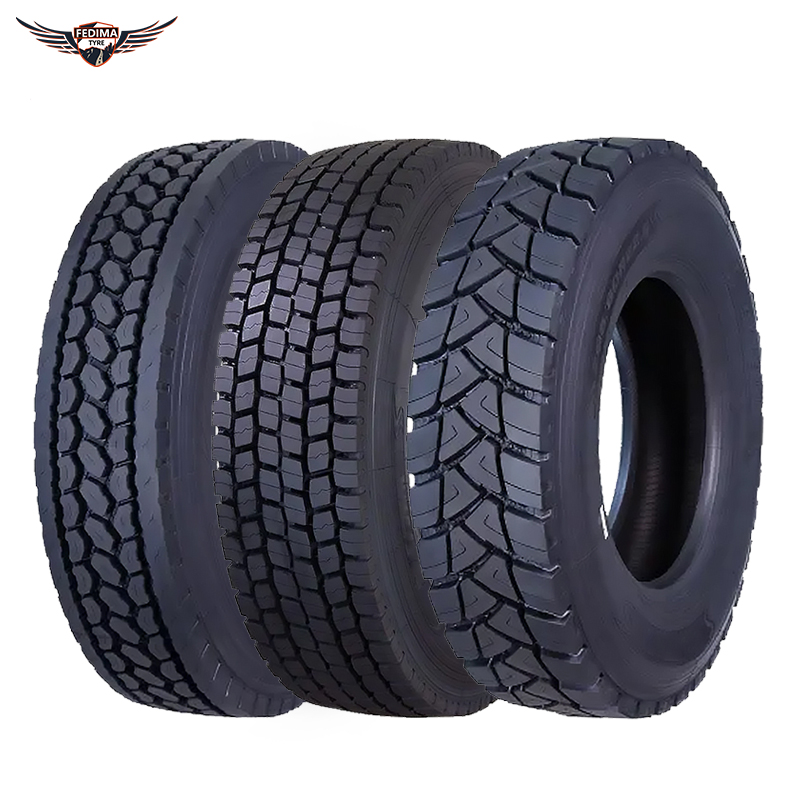
Selecting the right mining tyre for rocky surfaces is critical to operational safety and cost efficiency in mining operations. Rocky terrain presents unique challenges that demand specific tread pattern designs to ensure traction, durability, and stability. A mining tyre must balance aggressive grip with resistance to punctures and cuts from sharp rocks and jagged debris. Understanding how different tread patterns perform on rocky ground helps operators reduce downtime, minimize replacement costs, and maintain productivity across challenging mining sites.

Rocky mining environments demand superior puncture resistance and traction compared to standard industrial tyres. The mining tyre industry has developed specialized tread patterns that address these specific hazards through reinforced sidewalls, deeper grooves, and strategic void arrangements. The best mining tyre for rocky surfaces combines aggressive tread blocks with protective design features that prevent stone jams and reduce sidewall cracking.
Deep Lug Tread Patterns for Maximum Rocky Terrain Grip
Understanding Deep Lug Mining Tyre Design
Deep lug tread patterns represent one of the most effective mining tyre solutions for rocky surfaces. These patterns feature prominent vertical ribs and deep grooves that extend into the rubber structure, creating substantial contact points with uneven rock surfaces. A mining tyre with deep lugs provides superior bite and gripping power on loose gravel, sharp rocks, and fragmented stone beds. The spacing between lugs in a quality mining tyre allows rocks and debris to escape rather than accumulate and damage the tread surface.
Performance Benefits of Deep Lug Mining Tyres
Mining tyre operators report improved traction and reduced wheel spin when using deep lug patterns on rocky ground. The aggressive architecture of these mining tyre designs engages more tread material with the surface, distributing load stress across a wider contact patch. This characteristic reduces the likelihood of a mining tyre slipping, which is especially important when ascending or descending steep rocky slopes. Deep lug mining tyre patterns also shed water and mud more effectively than other designs, maintaining grip even after rain.
Block Reinforcement and Puncture Resistance in Rocky Conditions
How Mining Tyre Block Reinforcement Works
Mining tyre manufacturers have incorporated advanced block reinforcement technology to address the puncture hazard unique to rocky mining sites. Reinforced blocks in a mining tyre contain thicker rubber at stress points and include secondary support ribs that prevent rock spikes from penetrating the tread layer. A mining tyre designed for rocky surfaces uses variable block heights, with primary blocks larger and more robust than secondary blocks. This architecture ensures that even if a mining tyre encounters a sharp stone spike, the reinforced block structure resists penetration better than traditional tread patterns.
Puncture Resistance Features in Premium Mining Tyres
The most durable mining tyre options include layered tread compounds that combine hard outer surfaces for cut resistance with softer inner layers for flexibility. Advanced mining tyre technology incorporates aramid fiber inserts in the tread structure, creating a puncture-resistant barrier without adding weight. Quality mining tyre designs also feature circumferential and lateral sipes (small cuts) that allow the tread to flex and absorb impact energy from rocks without initiating deep cracks. A mining tyre with these features significantly extends service life on rocky terrain compared to standard alternatives.
Specialized Void Geometry and Stone Ejection in Mining Tyres
Void Architecture and Rocky Surface Performance
Void geometry refers to the empty spaces between tread blocks, and this design element critically affects how a mining tyre performs on rocky ground. Strategic void patterns in a mining tyre channel rocks and debris outward instead of allowing them to wedge between blocks. Open shoulder designs in quality mining tyre patterns prevent stone jams that can damage the tyre structure and create dangerous unbalanced loads. The spacing in modern mining tyre tread blocks allows optimal cleaning action, ensuring rocks pass through rather than embed in the rubber.
Stone Ejection Design in Rocky Mining Conditions
Effective stone ejection separates premium mining tyre designs from standard tyres on rocky surfaces. A mining tyre engineered for rocky terrain features wide open pathways between blocks that accelerate rock movement during rotation. The angle and orientation of tread blocks in a quality mining tyre create shear forces that actively eject stones rather than allowing passive trapping. This active stone ejection mechanism in a superior mining tyre reduces impact damage and prevents the gradual wearing effect caused by trapped debris pressing against the sidewall during operation.
FAQ
What tread depth should a mining tyre have for rocky surfaces?
Mining tyre tread depth for rocky terrain should ideally start at 18 to 20 millimeters or greater. This substantial tread depth ensures that a mining tyre maintains structural integrity even after rocks wear away surface material. A mining tyre with minimum regulatory depth (2 to 3 millimeters) loses protective capability on rocky ground. Operators should replace a mining tyre well before reaching minimum depth when operating consistently on jagged surfaces, as reduced depth increases puncture susceptibility.
How do aggressive tread patterns improve mining tyre durability on rocky terrain?
Aggressive tread patterns in a mining tyre provide superior load distribution and improved traction, which reduces the stress concentration at any single contact point. When a mining tyre features aggressive lugs, the impact force from striking rocks distributes across more tread blocks simultaneously, reducing the shock to any individual block. Additionally, an aggressive mining tyre pattern improves traction control, reducing wheel spin and the associated heat buildup that can weaken rubber compounds. This combination of force distribution and traction management extends mining tyre service life significantly on rocky mining sites.
Can a standard industrial tyre perform adequately compared to a specialized mining tyre on rocky surfaces?
Standard industrial tyres lack the puncture resistance, block reinforcement, and void geometry optimized for rocky conditions, making them unsuitable for demanding rocky mining environments. A mining tyre incorporates reinforced sidewalls and specialized compounds formulated to resist the specific cutting and abrasion hazards of rocky terrain. While a standard tyre may initially cost less than a specialized mining tyre, replacement frequency and downtime costs on rocky surfaces typically exceed the price difference significantly. Operators requiring reliable performance on rocky ground should invest in purpose-engineered mining tyre solutions designed specifically for that application.