
 EN
EN
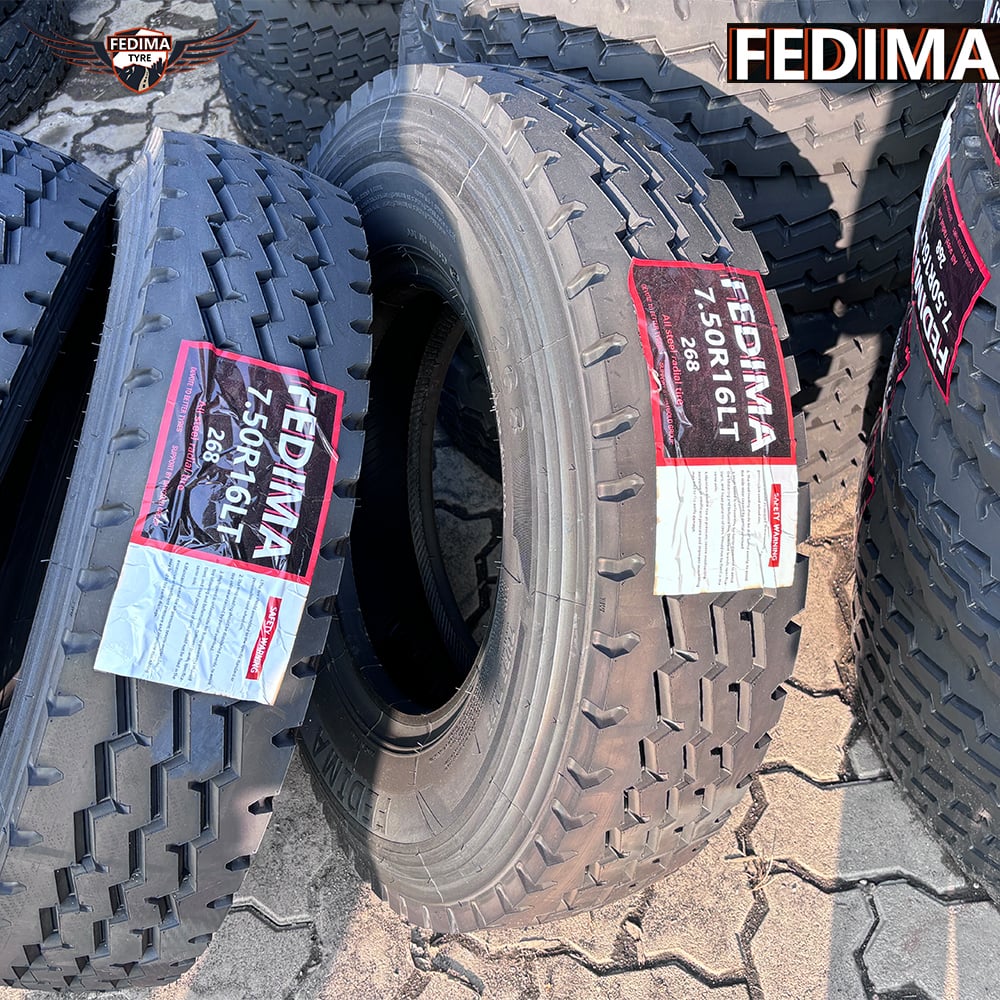
Operating heavy equipment in mining environments demands specialized tire solutions engineered to withstand extreme conditions. A mining tyre must balance durability, traction, and load capacity while minimizing operational interruptions that drain resources and reduce productivity. The right mining tyre selection can dramatically cut maintenance costs and extend equipment availability in the harshest terrain.
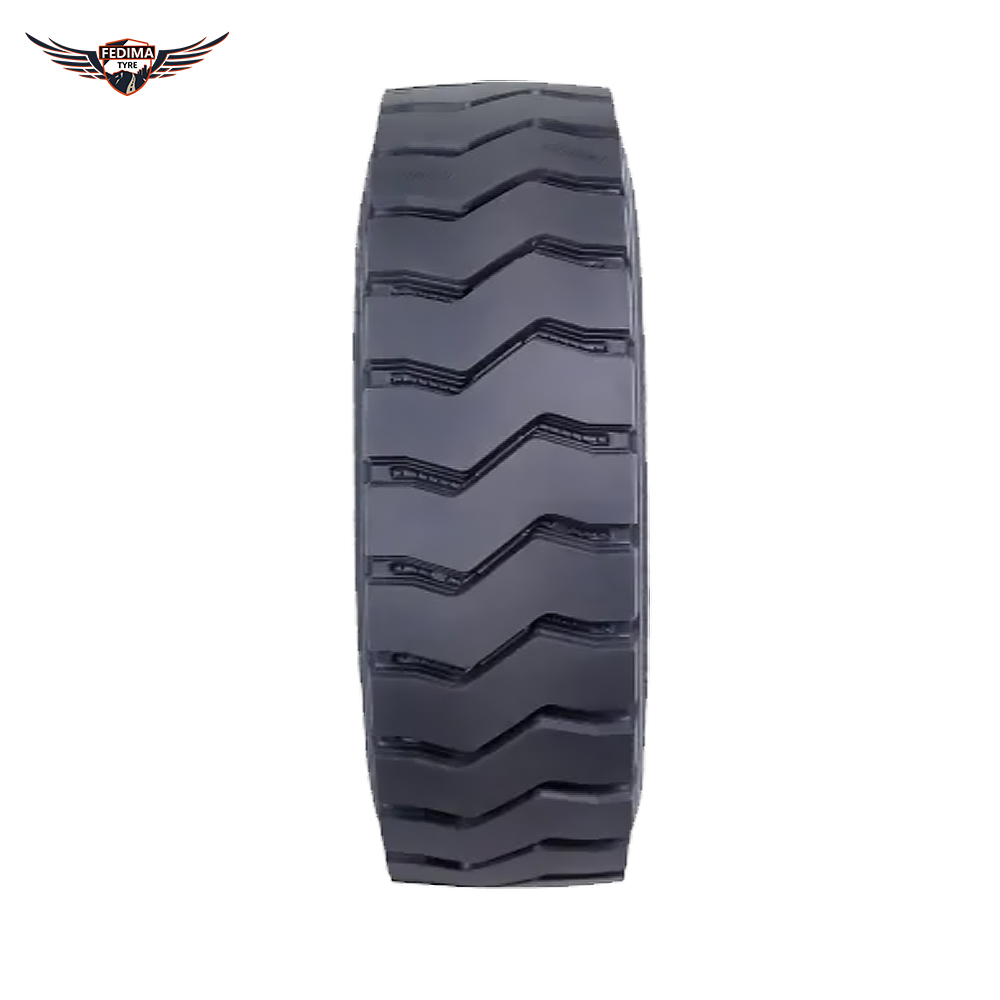
Mining operations face constant pressure to maintain equipment uptime while managing unpredictable terrain, extreme temperatures, and abrasive surfaces. A mining tyre built for these conditions becomes a critical investment, not merely a replacement part. Understanding the engineering principles behind high-performance mining tyres helps operators make informed decisions that align with operational demands and budget constraints.
Key Engineering Features of Robust Mining Tyres
Advanced Tread Design and Material Composition
The most effective mining tyre incorporates reinforced sidewalls and specialized rubber compounds that resist punctures and cuts common in mining operations. Modern mining tyre designs feature deeper, more aggressive tread patterns that improve grip on loose surfaces, wet terrain, and rocky ground. The rubber formulation itself matters significantly; premium compounds maintain flexibility at temperature extremes while resisting oxidation and degradation from chemical exposure.
Load-carrying capacity represents another critical dimension. A mining tyre must support substantially heavier loads than standard commercial tyres while maintaining structural integrity across thousands of operating hours. Multiple steel cord layers embedded within the mining tyre carcass distribute stress evenly, preventing localized failure points that lead to sudden blowouts and unplanned downtime.
Sidewall Protection and Puncture Resistance
Mining environments scatter sharp rock fragments and metal debris across operational zones. A mining tyre designed for these conditions includes reinforced sidewall protection that deflects sharp objects rather than allowing penetration. Some advanced mining tyre designs incorporate additional rubber layers or specialized protective compounds specifically targeting the sidewall area most vulnerable to damage.
Puncture sealing technologies integrated into premium mining tyre products can automatically seal small perforations, allowing equipment to continue operating even after minor damage. This self-healing capability in a mining tyre can mean the difference between minor maintenance and major operational failure, particularly in remote mining locations where tire replacement logistics present significant challenges.
Downtime Reduction Through Mining Tyre Selection
Reliability as an Operational Asset
The economic impact of equipment downtime extends far beyond the cost of replacing a mining tyre. When a haul truck stops moving, entire production chains halt, crews stand idle, and daily revenue targets become impossible. Selecting a mining tyre specifically engineered for the operational environment directly reduces unplanned maintenance events and extends intervals between tire changes.
Field data from mining operations consistently demonstrates that premium-grade mining tyres outperform standard commercial tyres by lasting 30 to 50 percent longer in harsh conditions. This extended service life means fewer mining tyre replacements per year, fewer maintenance windows that interrupt schedules, and more predictable operational planning. Equipment managers can rely on extended tire intervals, allowing better workforce allocation and reduced emergency repair situations.
Predictability and Maintenance Planning
A quality mining tyre provides consistent performance that allows operations teams to implement scheduled maintenance rather than reactive repairs. Predictable tire degradation means maintenance can align with planned equipment downtime, shift changes, or production cycles. This scheduling advantage alone can prevent the cascading delays that occur when unexpected mining tyre failures force emergency maintenance during peak production periods.
Mining operations benefit from tyres manufactured to strict standards, ensuring batch-to-batch consistency. When a mining tyre performs reliably in one vehicle, operators gain confidence that identical models will perform similarly across the fleet. This consistency enables more accurate planning and reduces the uncertainty costs associated with unpredictable equipment failures.
Environmental and Operational Conditions Demanding Specialized Mining Tyres
Terrain Variability and Load Fluctuations
Mining sites feature diverse terrain ranging from compacted soil to sharp rock surfaces, wet clay zones to dust-choked areas. A mining tyre must adapt to these varying conditions without compromising performance. The tread design and compound flexibility that works on dry rock may differ from what works optimally on muddy slopes, yet a mining tyre must deliver acceptable performance across this spectrum.
Load dynamics also shift frequently across mining operations. Haul trucks operate fully loaded in one direction and return partially loaded, constantly changing the stress distribution across the mining tyre. The sidewall and carcass design of a quality mining tyre account for these fluctuating loads, maintaining structural integrity throughout the duty cycle without developing weak points that accelerate failure.
Temperature Extremes and Chemical Exposure
Mining operations in desert regions experience extreme heat that degrades standard tire compounds, while cold climate operations demand rubber that remains flexible at freezing temperatures. A mining tyre formulated for specific climate zones maintains optimal elasticity and resistance to aging across the expected temperature range. Additionally, mining environments often expose tyres to oils, solvents, and fuel residues that chemically attack inferior rubber compounds.
The mining tyre engineered for harsh environments incorporates compounds specifically selected to resist these chemical attacks while maintaining the structural properties necessary for extreme load-bearing. This chemical resistance prevents premature degradation that would otherwise force mining tyre replacement long before mechanical wear would typically warrant it.
FAQ
What distinguishes a mining tyre from a standard commercial tyre?
A mining tyre features reinforced sidewalls, deeper tread patterns, specialized rubber compounds, and significantly higher load-carrying capacity compared to standard commercial tyres. Mining tyres are engineered specifically for rocky, uneven terrain and extreme operational stress, while commercial tyres prioritize highway performance and comfort. The mining tyre construction includes multiple steel cord layers and puncture-resistant technologies designed to withstand abrasive surfaces and sharp debris common in mining environments.
How often should mining tyres be replaced in harsh operational environments?
The replacement interval for a mining tyre depends on terrain severity, load consistency, maintenance practices, and the specific quality level of the tyre. Premium mining tyres typically last 30 to 50 percent longer than budget alternatives, often extending 3 to 5 years in active mining operations. Regular inspection and proper inflation maintenance significantly extend mining tyre service life, making preventive care as important as the initial tyre selection.
Can a mining tyre reduce total cost of ownership despite higher initial investment?
Yes, a quality mining tyre typically reduces total cost of ownership by minimizing downtime, extending service intervals, and reducing emergency maintenance expenses. While premium mining tyres cost more upfront, they last longer, require fewer replacements per year, and provide the reliability that prevents expensive production interruptions. When calculating true operational costs including downtime expenses and labor, a mining tyre engineered for harsh conditions delivers superior economic value compared to cheaper alternatives that fail prematurely.