
 EN
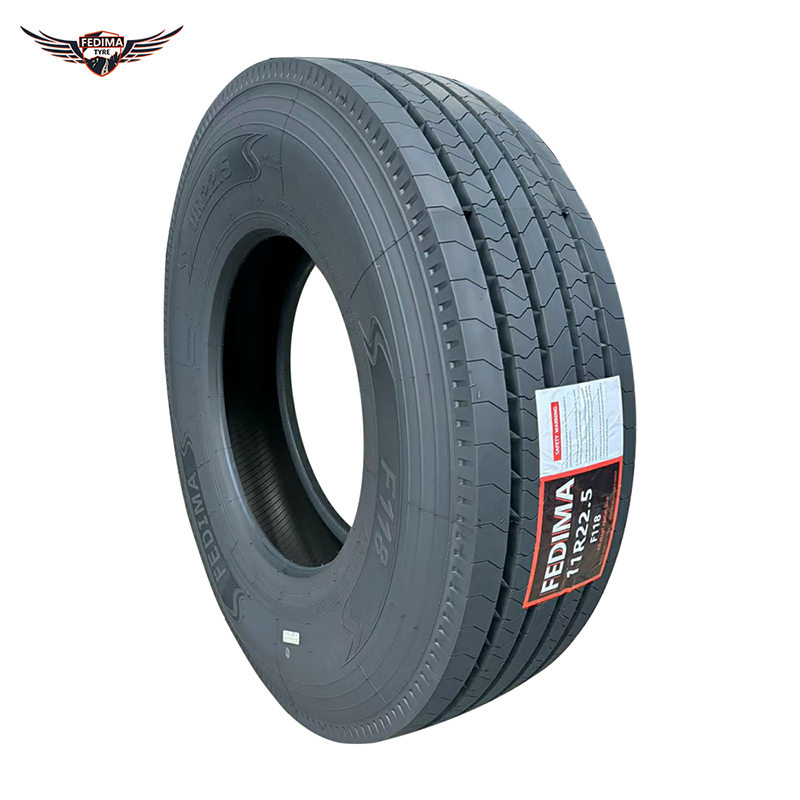
Safety in mining operations depends heavily on equipment reliability, and the mining tyre plays a critical role in preventing accidents and maintaining productivity. Reinforced mining tyres are engineered with advanced structural features that provide superior protection against the extreme conditions found in underground and surface mining environments. These specialized tyres reduce the risk of blowouts, punctures, and loss of traction that could lead to equipment failures or operator injuries.
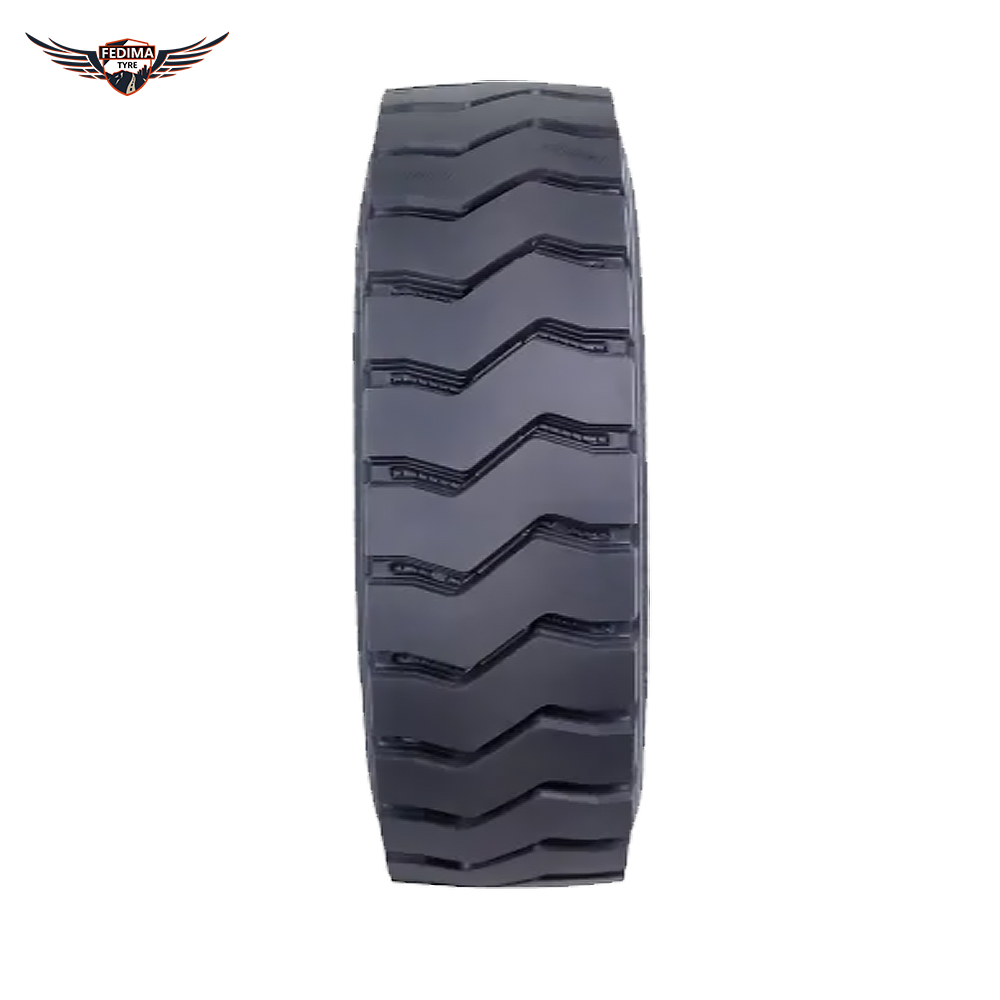
A quality mining tyre directly influences vehicle stability, stopping distance, and overall operator safety during demanding shifts. When mining operations rely on substandard tyres, the consequences can be severe, ranging from vehicle immobilization to catastrophic failures that threaten worker lives. Understanding the safety benefits of reinforced mining tyres helps mining managers and fleet operators make informed purchasing decisions that protect both human capital and operational continuity.
Puncture Resistance and Sidewall Protection
Advanced Rubber Compound Design
Reinforced mining tyre construction incorporates specialized rubber compounds formulated to resist puncture and cut damage that occur when vehicles traverse rocky, debris-laden terrain. The mining tyre sidewall is strengthened with additional rubber layers and internal reinforcement that deflect sharp objects rather than allowing them to penetrate the carcass. This protection extends the tyre lifespan significantly and reduces the frequency of emergency repairs that could strand equipment in hazardous locations.
The mining tyre carcass strength prevents catastrophic failure when the vehicle encounters hidden obstacles or sharp rock edges common in mining sites. Enhanced puncture resistance means fewer unexpected breakdowns during critical production periods, ensuring that mining operations maintain consistent output without safety interruptions. When a mining tyre resists damage, operators can work with greater confidence and focus entirely on their primary mining tasks.
Steel Belt and Reinforcement Structure
The mining tyre includes multiple steel belts positioned beneath the tread surface to provide structural integrity and load distribution across the contact patch. This reinforced framework prevents the mining tyre from collapsing under extreme loads or deforming excessively on uneven surfaces. Steel reinforcement also restricts sudden deflation if the tyre sustains minor damage, giving operators critical time to reduce speed and reach a safe location.
A properly reinforced mining tyre maintains its shape under stress, which is essential for vehicles operating on inclines or on loose terrain where tyre deformation could cause rollovers. The internal structure of the mining tyre absorbs impact energy from rocks and ruts, protecting the operator from jarring jolts that cause fatigue and reduce attention during long shifts.
Traction and Braking Performance in Hazardous Terrain
Aggressive Tread Patterns for Grip
The mining tyre is designed with deeply cut, aggressive tread patterns that bite into loose soil, gravel, mud, and rocky surfaces to provide maximum grip and minimize wheelspin. This traction feature is critical for safety because adequate grip prevents vehicles from sliding on slopes or losing directional control when navigating steep mining roads. A mining tyre with poor traction forces operators to work at reduced speeds, cutting productivity and increasing operational costs.
Superior grip delivered by a reinforced mining tyre reduces the risk of skidding during emergency braking or sudden steering maneuvers required to avoid obstacles or other vehicles. In wet or muddy conditions common in mining operations, the mining tyre's self-cleaning tread design expels water and loose material to maintain contact with the ground surface. This consistent traction capability is a direct contributor to accident prevention and safe vehicle handling.
Wet and Muddy Condition Performance
Mining environments frequently involve exposure to water, whether from seasonal rainfall, groundwater seepage, or operational dust suppression systems. The mining tyre must maintain braking effectiveness and directional stability when surfaces become wet or covered in slippery mud. Reinforced tyre designs include microstructures and sipe patterns that enhance water evacuation and prevent hydroplaning, which is a leading cause of mining vehicle accidents.
When a mining tyre performs reliably in adverse weather and wet conditions, operators reduce their speed anxiety and can work more confidently without excessive caution. This psychological benefit translates into fewer rushed maneuvers and smoother operational workflows. The mining tyre's all-weather performance capability ensures consistent safety standards regardless of seasonal variations or site-specific moisture challenges.
Load Capacity and Stability Under Heavy Payloads
Structural Strength for Maximum Load Rating
Mining vehicles frequently operate at or near maximum load capacity, transporting extracted materials, equipment, and supplies across challenging terrain. A reinforced mining tyre is engineered to handle these extreme payload demands without experiencing structural failure, excessive heat buildup, or rapid wear. The mining tyre's load rating ensures vehicles can carry their design payload safely without risking tyre collapse, blowout, or catastrophic separation.
Operating a mining vehicle with an underrated mining tyre creates a dangerous situation where internal stresses cause premature failure during critical operations. Over-stressed tyres overheat rapidly, degrade quickly, and may fail suddenly with little warning. Properly specified reinforced mining tyres eliminate this risk by providing adequate safety margins above the vehicle's typical loading conditions.
Heat Dissipation and Thermal Management
The mining tyre experiences considerable heat generation from friction and flexing when supporting heavy loads at high ground pressure over rocky surfaces. Advanced reinforced mining tyre construction includes materials and design features that efficiently dissipate this heat, preventing internal temperature spikes that could trigger blowouts. Heat-resistant rubber compounds and optimized carcass structures allow the mining tyre to maintain structural integrity even during extended operations without cooling breaks.
When a mining tyre operates at elevated temperatures, the risk of sudden pressure loss or catastrophic failure increases dramatically, potentially causing loss of vehicle control and operator injury. Thermal management through reinforced design reduces this risk substantially. The mining tyre's ability to handle heat stress safely extends operational windows and reduces unplanned downtime caused by thermal failure.
FAQ
How does a mining tyre differ from a standard commercial tyre?
A mining tyre is specifically engineered for extreme off-road conditions with reinforced sidewalls, deeper tread patterns, and more robust carcass structures than standard commercial tyres. Mining tyre construction includes additional steel belts, puncture-resistant rubber compounds, and thermal management features designed for rocky terrain, heavy payloads, and demanding duty cycles. Standard commercial tyres lack these reinforcements and would fail rapidly in mining environments, creating serious safety hazards for operators and equipment.
What is the typical lifespan of a reinforced mining tyre?
A reinforced mining tyre typically lasts significantly longer than conventional tyres when used in appropriate mining applications, often delivering 30 to 50 percent more operating hours depending on site conditions, load patterns, and maintenance practices. The mining tyre's durability depends on proper inflation pressure, regular inspections, appropriate load matching, and timely repairs of minor damage. Extending mining tyre lifespan requires following manufacturer guidelines and avoiding overloading or operating at excessive speeds.
Can a mining tyre be repaired if punctured?
Many mining tyre punctures can be repaired using industrial repair methods, provided the damage is located in the tread area and is smaller than a quarter inch in diameter. The mining tyre's reinforced structure supports repair processes that would fail on weaker tyres, making professional repair a cost-effective option. However, sidewall damage to a mining tyre cannot be safely repaired and requires tyre replacement to maintain safety standards and prevent blowouts during operation.