
 EN
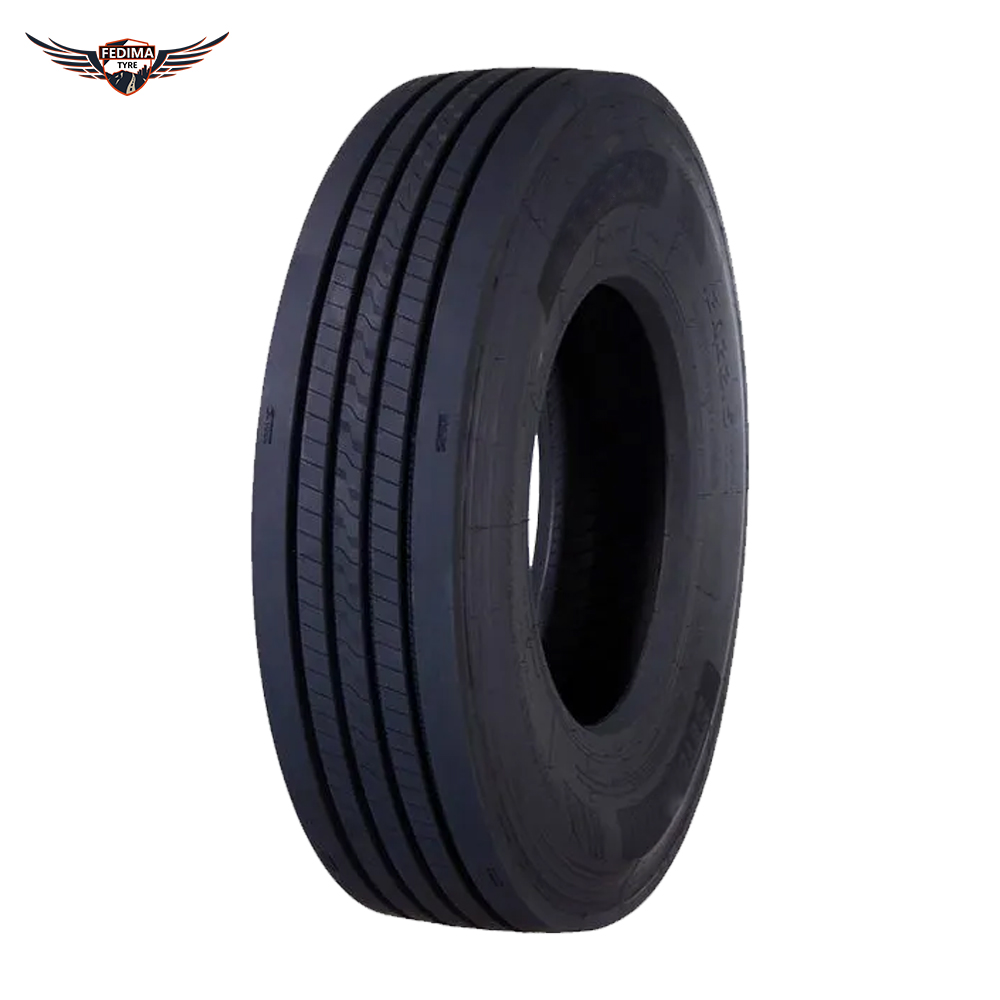
Selecting the right mining tyre is critical for operational efficiency, safety, and cost management in extractive industries. The harsh terrain, abrasive surfaces, and extreme loading conditions in mining operations demand specialized tires engineered specifically to withstand punctures, cuts, and material damage. A mining tyre with superior cut and chip resistance directly impacts uptime, reduces replacement frequency, and minimizes unexpected breakdowns that disrupt production schedules. Understanding how to evaluate and choose a mining tyre that meets your specific operational demands requires knowledge of construction standards, material composition, and proven performance metrics.
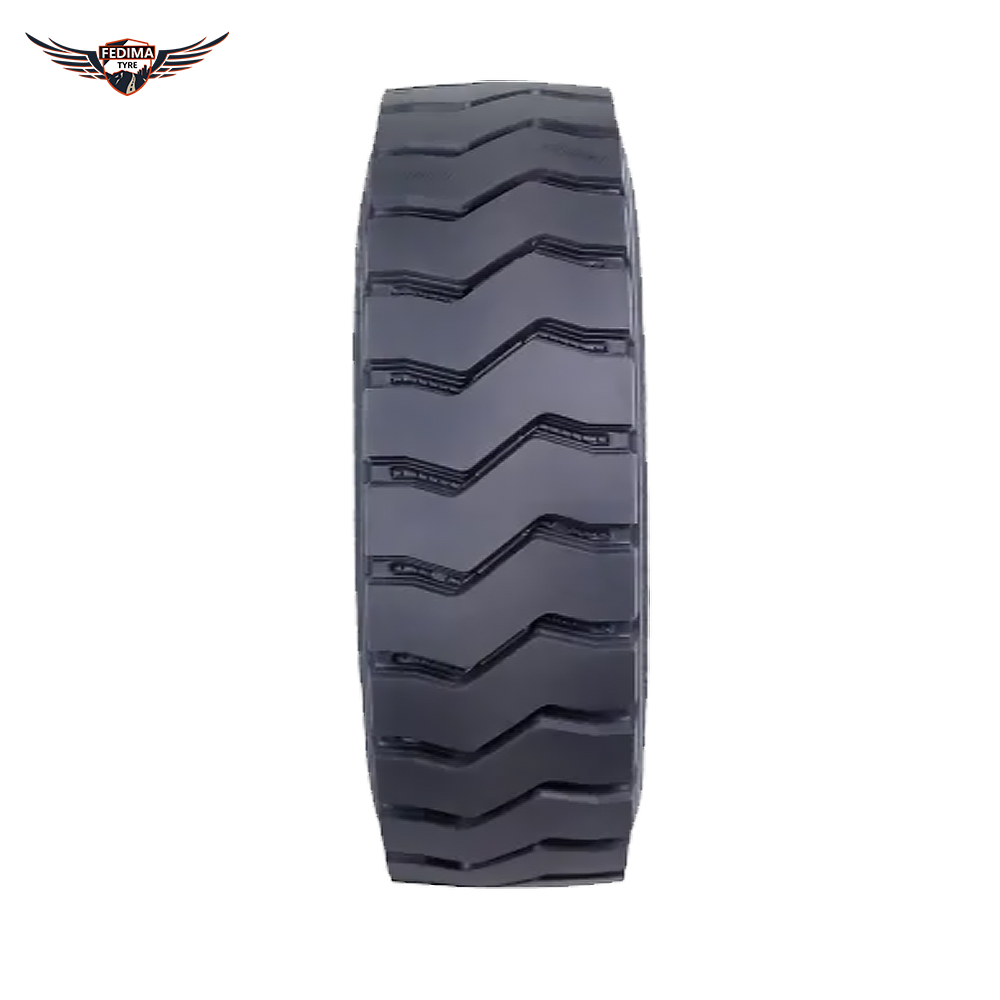
The process of choosing an appropriate mining tyre involves evaluating tread design, sidewall reinforcement, rubber compound formulation, and load index ratings. Mining operations span diverse environments, from open-pit extraction to underground transport routes, each presenting unique challenges that demand tailored tire solutions. A properly specified mining tyre reduces maintenance costs, extends vehicle availability, and improves operational safety across fleet operations.
Identifying Cut and Chip Resistance Features in Mining Tyre Design
Tread Pattern Architecture and Material Composition
A high-quality mining tyre exhibits aggressive tread blocks with specific geometric angles designed to shed debris and resist material embedding. The rubber compound used in premium mining tyre products contains reinforced elastomers and carbon black formulations that enhance abrasion resistance and reduce flex-induced cracking. The depth and spacing of tread elements directly influence how effectively a mining tyre resists sharp stone cuts and maintains structural integrity under cyclic stress. Manufacturers engineer each mining tyre with compound resilience that balances flexibility with hardness, preventing rapid wear while accommodating load variations common in extractive operations.
Sidewall Reinforcement and Carcass Construction
The sidewall region of a mining tyre represents a critical vulnerability point in harsh mining environments where side-wall abrasion against rock faces and uneven terrain occurs frequently. Advanced mining tyre designs incorporate extra rubber gauge layers and reinforced ply structures that absorb impact energy and resist puncture penetration. The carcass construction of a professional-grade mining tyre uses high-tensile steel wire and polyester cord materials arranged in specific patterns to distribute load stress uniformly. These internal reinforcements enable a mining tyre to maintain pressure integrity even when exposed to sharp protrusions and abrasive contact surfaces inherent to mining sites.
Evaluating Performance Metrics and Load Capacity Standards
Load Index Ratings and Ply Rating Systems
Every mining tyre carries standardized load index and ply rating designations that communicate maximum safe weight capacity and structural strength. The ply rating system for mining tyre products reflects the tire's ability to carry heavy loads without excessive deflection or internal stress concentration. When selecting a mining tyre for fleet use, matching the load index to your vehicle's gross vehicle weight rating ensures optimal performance and tire longevity. Undersizing a mining tyre in load capacity leads to premature sidewall failure, while oversizing unnecessarily inflates procurement costs. A correctly sized mining tyre with appropriate ply rating operates within its design envelope, delivering consistent cut resistance and extended service life.
Speed Rating and Temperature Resistance
Although mining operations typically occur at controlled speeds, mining tyre speed ratings indicate the tire's ability to manage heat generation during operation. Temperature control becomes critical because excessive heat accelerates rubber compound degradation and reduces the chip resistance benefits engineered into premium mining tyre products. The thermal characteristics of a well-designed mining tyre prevent stress cracking and maintain dimensional stability even during extended heavy-load cycles. Mining site elevation, ambient temperature ranges, and daily cycle intensity all influence how effectively a given mining tyre maintains its protective properties throughout operational periods.
Assessing Durability Standards and Industry Certifications
Compliance with Mining Industry Specifications
Leading mining operations reference industry standards and manufacturer certifications when specifying mining tyre requirements for fleet procurement. A certified mining tyre demonstrates compliance with rigorous testing protocols that validate cut resistance, abrasion performance, and puncture tolerance under simulated mining conditions. Many mining operations conduct accelerated field trials comparing candidate mining tyre products across representative terrain and loading scenarios before making bulk purchase commitments. The certification status of a mining tyre reflects manufacturer investment in quality assurance and technical development, providing procurement confidence. Establishing clear mining tyre specifications based on verified performance data reduces procurement risk and ensures consistent quality across tire purchases.
Tread Wear Warranty and Replacement Protocols
Premium mining tyre manufacturers typically offer tread wear warranties that guarantee minimum performance thresholds under defined operational conditions. The warranty terms for a mining tyre should explicitly address cut and chip resistance, specifying acceptable damage thresholds and replacement eligibility criteria. Regular inspections using standardized depth gauges and visual damage assessment protocols help track mining tyre condition and identify replacement timing before catastrophic failure occurs. Establishing preventive replacement schedules for fleet mining tyre units reduces emergency repair expenses and maintains consistent equipment availability. Understanding warranty coverage limits for a mining tyre enables accurate cost forecasting and maintenance budgeting across mining operations.
FAQ
What specific rubber compounds make mining tyre products resistant to cuts and chips?
Premium mining tyre manufacturers blend reinforced elastomers with specialized carbon formulations that enhance molecular cross-linking density. These advanced compounds used in high-performance mining tyre products maintain structural integrity under sharp contact stress while resisting accelerated wear from abrasive mineral surfaces. The proprietary blend creates a mining tyre that absorbs impact energy while preventing crack propagation, directly supporting extended operational life in harsh mining environments.
How do mining tyre ply ratings translate to real-world durability in extraction operations?
Ply rating for a mining tyre indicates the structural reinforcement level that enables load distribution across the tire's internal architecture. A higher ply-rated mining tyre accommodates greater peak stresses without experiencing localized failure at vulnerable points like sidewalls. In extraction operations, selecting a mining tyre with ply rating matching equipment specifications ensures predictable performance and reduces unexpected downtime from structural failure.
Should mining operations prioritize tread depth measurement or visual damage assessment when evaluating mining tyre replacement timing?
Both methods provide complementary information for managing mining tyre fleet condition; combining quantitative tread depth measurements with detailed visual inspection of cuts, chips, and sidewall damage creates comprehensive mining tyre assessment protocols. Establishing minimum acceptable tread depth thresholds for a mining tyre based on manufacturer specifications prevents operation with insufficient traction, while visual inspection identifies damage patterns that signal accelerated deterioration requiring replacement despite adequate remaining tread depth.
Table of Contents
- Identifying Cut and Chip Resistance Features in Mining Tyre Design
- Evaluating Performance Metrics and Load Capacity Standards
- Assessing Durability Standards and Industry Certifications
-
FAQ
- What specific rubber compounds make mining tyre products resistant to cuts and chips?
- How do mining tyre ply ratings translate to real-world durability in extraction operations?
- Should mining operations prioritize tread depth measurement or visual damage assessment when evaluating mining tyre replacement timing?