
 EN
EN
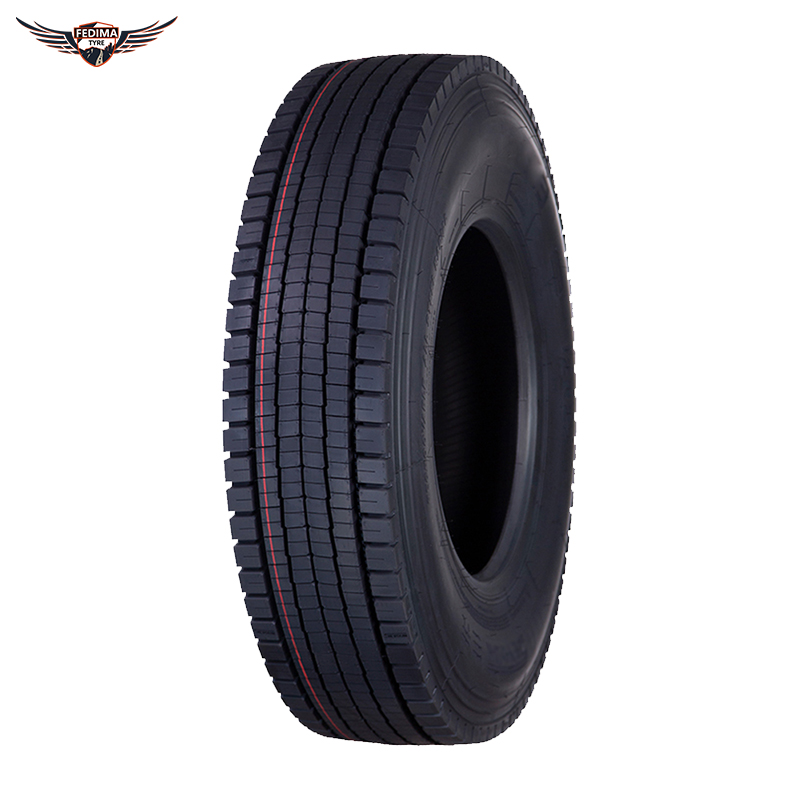
Building a long-term partnership with a tyre producer requires more than just placing orders and processing invoices. A strategic approach to selecting, negotiating with, and maintaining relationships with a quality tyre producer can significantly impact your operational efficiency, reduce costs, and ensure consistent product quality. Whether you operate a fleet, manage a logistics network, or oversee industrial equipment, understanding how to cultivate a strong partnership with a tyre producer directly influences your bottom line and reliability metrics.

The foundation of any successful relationship with a tyre producer starts with alignment on expectations, quality standards, and business objectives. A tyre producer who understands your operational demands, climate challenges, and budget constraints becomes more than just a vendor—they become a strategic partner invested in your success. This shift from transactional buying to collaborative partnership requires clear communication, mutual transparency, and a commitment to solving problems together rather than placing blame when issues arise.
Selecting the Right Tyre Producer for Your Needs
Evaluating Quality, Capacity, and Production Standards
The first step in building a long-term partnership is choosing a tyre producer whose capabilities genuinely match your requirements. This means moving beyond price comparisons and examining factors such as manufacturing certifications, production capacity, quality control processes, and technical expertise. A reputable tyre producer should provide transparent documentation of their quality assurance protocols, including tire testing results, industry certifications, and customer references. Evaluate whether the tyre producer has the ability to scale production if your business grows, as this flexibility prevents future supply chain disruptions and allows for seamless expansion.
During the initial evaluation phase, request detailed specifications on the tyre producer's equipment, workforce training programs, and waste management practices. A professional tyre producer will invest in employee development and maintain modern manufacturing facilities that reflect quality standards. Ask about their tire testing frequency, failure analysis procedures, and how they handle quality issues. Understanding the tyre producer's commitment to continuous improvement reveals whether they view quality as a cost center or a competitive advantage.
Assessing Financial Stability and Market Position
A long-term partnership depends on your tyre producer remaining financially healthy and operationally stable. Research the company's market reputation, years in business, and customer retention rates. A tyre producer with a strong track record of reliability demonstrates financial discipline and operational excellence. Check industry reports, supplier ratings, and customer testimonials to understand how the tyre producer is perceived across the market. Financial instability at the tyre producer level can lead to sudden price increases, production delays, or even supply interruptions that damage your operations.
Structuring a Strategic Partnership Agreement
Defining Clear Terms, Quality Metrics, and Pricing Frameworks
Once you identify a suitable tyre producer, the next step is negotiating a partnership agreement that protects both parties and sets realistic expectations. A comprehensive agreement with a tyre producer should include fixed pricing structures or transparent pricing adjustment mechanisms, minimum order quantities, delivery schedules, payment terms, and quality standards. Rather than focusing solely on the lowest unit price, work with the tyre producer to structure pricing that reflects volume commitments, seasonality, and industry material costs. This approach ensures the tyre producer maintains profitability while offering you predictable costs.
Quality metrics must be clearly defined in any partnership with a tyre producer. Specify acceptable defect rates, tread depth standards, load ratings, and performance requirements relevant to your application. Include provisions for how the tyre producer will handle quality failures, warranty claims, and returns. A professional tyre producer welcomes precise specifications because clarity reduces miscommunications and disputes. Establish a escalation process for quality concerns that allows the tyre producer to investigate and respond before involving senior management, demonstrating good faith collaboration.
Building Flexibility and Contingency Planning
Long-term partnerships with a tyre producer thrive when both parties build flexibility into their agreements. Include provisions that address unforeseen events such as supply chain disruptions, natural disasters, or significant demand fluctuations. A reliable tyre producer will appreciate working with partners who acknowledge real-world challenges and build contingency plans collaboratively. Discuss safety stock levels, backup production schedules, and communication protocols for emergency situations. These discussions reveal whether the tyre producer views you as a true partner or simply another customer.
Cultivating Communication and Continuous Improvement
Establishing Regular Dialogue and Performance Reviews
Maintaining strong communication with your tyre producer is essential for long-term success. Schedule regular business reviews to discuss sales trends, upcoming demand forecasts, and any emerging challenges. During these meetings with the tyre producer, share information about market conditions, customer feedback, and your operational needs. A responsive tyre producer will use this information to optimize production schedules, anticipate supply needs, and proactively address potential issues. Quarterly or bi-annual reviews demonstrate that you view the partnership as strategically important and worth investing time in.
Performance metrics should be reviewed jointly with the tyre producer to identify trends and opportunities for improvement. Discuss on-time delivery rates, quality indicators, and invoice accuracy. If your tyre producer consistently falls short on agreed metrics, address concerns directly and collaboratively. A mature tyre producer will appreciate constructive feedback and use it to strengthen their operations. Conversely, if the tyre producer exceeds expectations, acknowledge their performance and discuss how you might expand the partnership or offer longer-term commitments as recognition.
Investing in Technical Collaboration and Product Development
An advanced partnership with a tyre producer extends beyond transactional ordering into joint product development and technical optimization. A forward-thinking tyre producer will engage with your technical team to understand specific performance requirements, environmental conditions, and vehicle specifications unique to your operations. Share relevant data about tire wear patterns, failure modes, and application-specific challenges. This collaboration helps the tyre producer develop products that truly meet your needs rather than offering only commodity products.
Request technical support from your tyre producer on topics such as tire maintenance, load calculations, inflation optimization, and fleet management practices. Many tyre producers employ engineers and specialists who can provide valuable guidance on maximizing tire lifespan and safety. This expertise strengthens the partnership by positioning the tyre producer as a knowledge partner rather than just a product supplier. Training your team on proper tire care, based on guidance from the tyre producer, reduces failures and extends tire life, ultimately reducing your total cost of ownership.
FAQ
What key factors should I evaluate when selecting a tyre producer?
When evaluating a tyre producer, assess manufacturing certifications, production capacity, quality control processes, financial stability, and market reputation. Request quality documentation, customer references, and details about their testing procedures. A strong tyre producer should demonstrate investment in employee training, modern equipment, and continuous improvement practices. Visit their facility if possible to directly observe operations and understand their commitment to quality standards and workplace safety.
How can I structure a partnership agreement with a tyre producer to ensure mutual benefit?
A balanced partnership agreement with a tyre producer should include transparent pricing structures, clearly defined quality metrics, delivery schedules, and payment terms. Move beyond lowest-cost thinking and work with the tyre producer to align pricing with your volume commitments and market conditions. Include specific specifications for defect rates, performance standards, and warranty provisions. Build flexibility into agreements to address supply chain disruptions and seasonal variations. Establish clear escalation procedures for quality concerns that demonstrate good faith collaboration rather than adversarial responses.
What ongoing communication practices strengthen a long-term partnership with a tyre producer?
Schedule regular business reviews with your tyre producer to discuss sales forecasts, market conditions, and operational challenges. Share customer feedback and performance data relevant to their products. Review agreed metrics jointly to identify improvement opportunities and celebrate achievements. Beyond transactional communication, engage your tyre producer in technical discussions about product optimization, maintenance practices, and application-specific requirements. A mature tyre producer values partners who invest time in collaborative dialogue and view the relationship as strategically important rather than purely functional.