
 EN
EN
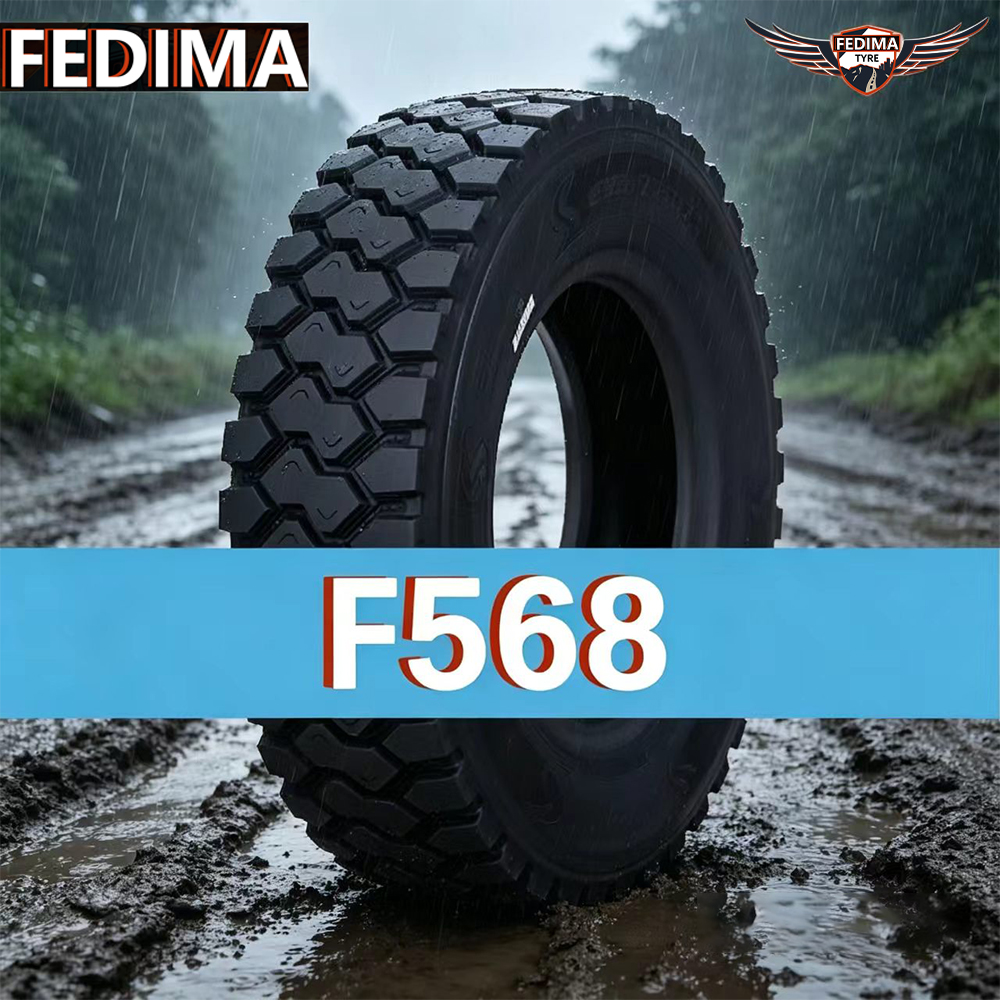
When navigating challenging terrain, the right off road tyre can mean the difference between reliable performance and costly recovery situations. Aggressive off road tyre designs are engineered with specific tread geometries, compound formulations, and sidewall reinforcements that maximize grip across mud, rock, sand, and loose surfaces. Understanding which off road tyre designs deliver the most aggressive grip helps fleet managers, heavy equipment operators, and industrial users make informed purchasing decisions that directly impact operational safety and efficiency.
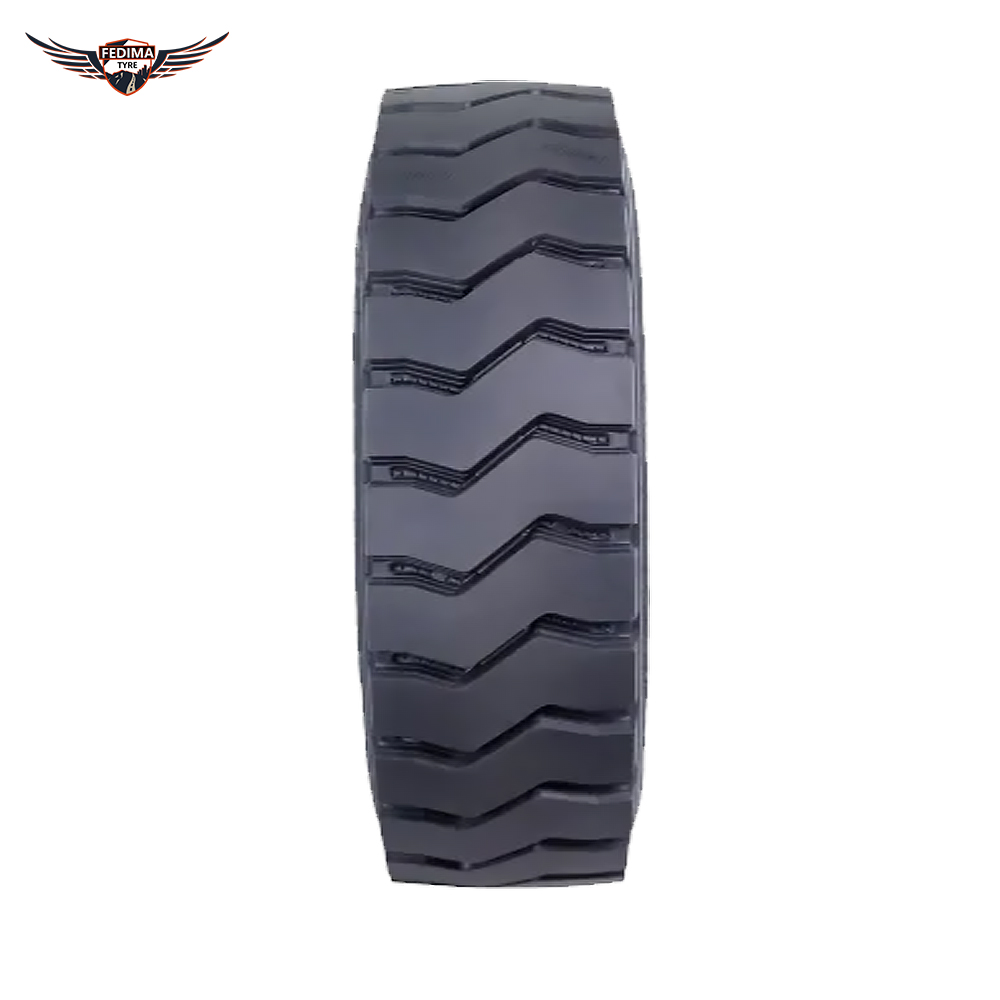
The most aggressive off road tyre solutions combine deep lug structures, strategic void patterns, and reinforced sidewalls to withstand extreme stress while maintaining contact with uneven surfaces. Modern off road tyre technology incorporates multi-angle tread blocks, aggressive sipes, and specialized rubber compounds that bite into loose terrain. This article explores the key design features that define high-performance off road tyre options, enabling you to select tyres that maximize grip, durability, and operational reliability in demanding conditions.
Tread Pattern Architecture and Aggressive Lug Design
Deep Lug Geometry and Block Separation
Aggressive off road tyre designs feature significantly deeper lugs compared to standard highway tyres, with depth ranging from 18 to 24 millimeters or more. This increased lug depth allows the off road tyre to penetrate loose material such as mud, sand, and gravel, creating mechanical interlocking that generates superior traction. The blocks within an aggressive off road tyre are deliberately separated by wider voids, preventing mud and debris from packing between treads and maintaining grip throughout the braking and acceleration cycle.
The spacing between lug blocks in a high-performance off road tyre is precisely calculated to balance self-cleaning capability with structural rigidity. When an off road tyre encounters soft terrain, void volume allows material to discharge rather than accumulate, which would otherwise reduce contact pressure. Leading industrial off road tyre designs incorporate staggered block heights and asymmetric patterns that optimize grip across multiple surface types while maintaining predictable handling characteristics during transitions between terrain conditions.
Multi-Angle Sipes and Micro-Grip Enhancement
Advanced off road tyre technology includes multi-directional sipes—thin cuts within each lug block—that increase surface area for micro-grip on hard and slippery surfaces. Unlike highway-focused tyres, aggressive off road tyre designs use sipes oriented at multiple angles rather than uniform perpendicular cuts, creating additional biting edges that engage rock, stone, and hardpacked earth. This design approach ensures an off road tyre maintains traction across diverse surface conditions from wet clay to rocky outcrops.
The sipe geometry in premium off road tyre options is engineered to remain open and functional under load, preventing edges from collapsing and losing their gripping effect. Specialized off road tyre formulations use sipes that maintain flexibility across temperature ranges, ensuring consistent grip performance whether operating in hot deserts or cold mountainous regions. This multi-angle sipe approach distinguishes high-performance off road tyre designs from budget alternatives and directly correlates with improved grip ratings in independent testing.
Sidewall Construction and Load-Bearing Capability
Reinforced Sidewall Architecture for Aggressive Terrain
An aggressive off road tyre must withstand sidewall stress that standard tyres never encounter, including sharp rock contacts, bulging under low-pressure operation, and extreme lateral forces during climbing and descent. Premium off road tyre designs incorporate thickened rubber compounds and additional steel cord reinforcement layers in the sidewall structure, allowing these tyres to maintain structural integrity when operating at significantly reduced pressures—a critical technique for maximizing grip in extremely soft terrain.
The reinforced sidewalls found in robust off road tyre solutions enable operators to air down to pressures that would cause catastrophic failure in standard industrial tyres. Lower pressure increases the off road tyre footprint and allows the tread pattern to conform more effectively to irregular surfaces, substantially improving grip and traction. This load-bearing capability is particularly important for heavy vehicles and equipment operating in challenging environments, where a quality off road tyre investment reduces downtime and recovery costs.
Chunking Resistance and Edge Durability
Aggressive off road tyre designs must resist chunking—the loss of tread segments—which occurs when sharp rocks or hard impacts separate lug blocks from the tyre structure. Advanced industrial off road tyre formulations use specialized rubber compounds with enhanced flexibility and adhesion, preventing chunks from tearing away even under extreme stress. The tread block attachment points in high-performance off road tyre designs are reinforced and shaped to distribute stress more evenly, extending tyre life and maintaining consistent grip performance.
The edges of lug blocks in durable off road tyre solutions are carefully shaped with rounded profiles rather than sharp corners, reducing stress concentration points that lead to tearing and edge wear. Modern off road tyre manufacturing techniques include reinforcement layers beneath the tread that prevent delamination and separation when these tyres encounter the punishing conditions of true off-road operation. This design sophistication is what separates premium aggressive off road tyre products from consumer-grade alternatives.
Rubber Compound Technology and Surface Grip
Specialized Elastomer Formulations for Grip Enhancement
The rubber compound used in an aggressive off road tyre is fundamentally different from highway tyre formulations, incorporating specialized elastomers that provide higher surface tackiness and molecular-level grip against various terrain types. Premium off road tyre compounds maintain softness and flexibility across wide temperature ranges, ensuring consistent grip whether the off road tyre operates in freezing conditions or scorching desert heat. These formulations often include carbon black additives and silica compounds that enhance grip on both hard surfaces and loose material simultaneously.
Aggressive off road tyre formulations prioritize grip over rolling resistance and fuel efficiency, reflecting the different operational priorities of off-road equipment compared to highway vehicles. A high-quality off road tyre compound will exhibit measurably higher grip coefficients on rock, mud, and sand than standard industrial tyres. Manufacturers of premium off road tyre solutions invest significantly in compound development, understanding that superior surface adhesion directly translates to improved traction, shorter stopping distances, and enhanced operator safety.
Temperature Stability and Consistent Performance
One critical advantage of advanced off road tyre designs is thermal stability—the rubber compound maintains grip-enhancing properties even as temperature changes during extended operation or varied weather conditions. Standard tyres can experience significant grip loss when cold, but aggressive off road tyre compounds are formulated to resist this performance degradation. This consistency makes an off road tyre with superior thermal properties far more reliable for critical operations where equipment must function reliably regardless of season or climate.
The durability of rubber compounds used in heavy-duty off road tyre solutions also reflects advanced formulation chemistry that resists oxidation, UV damage, and thermal cracking. A premium off road tyre will maintain its original grip characteristics far longer than budget alternatives, ultimately delivering lower cost per operational hour despite higher initial investment. This performance stability is why serious industrial users specify off road tyre products engineered for aggressive application rather than general-purpose options.
FAQ
What makes an off road tyre design more aggressive than standard industrial tyres?
Aggressive off road tyre designs prioritize grip and traction through deeper lugs, wider voids, specialized compounds, and reinforced sidewalls rather than balanced performance across mixed conditions. An off road tyre engineered for aggression features tread blocks specifically shaped to penetrate and bite into loose terrain, multi-angle sipes for micro-grip on hard surfaces, and elastomers formulated for maximum surface contact. Standard industrial tyres sacrifice some grip capability to improve rolling efficiency and sidewall durability, whereas aggressive off road tyre solutions optimize purely for traction performance.
Can aggressive off road tyre designs maintain grip on both mud and rock surfaces effectively?
Yes, modern aggressive off road tyre technology combines multiple grip mechanisms to handle diverse surfaces efficiently. The off road tyre lug structure provides mechanical interlocking in soft terrain like mud, while sipes create micro-grip on hard rock surfaces. Premium off road tyre compounds maintain tackiness across surface types, and specialized tread block geometry optimizes contact pressure distribution whether the off road tyre encounters clay, sand, stone, or mixed terrain. This multi-surface capability is what justifies the premium investment in quality aggressive off road tyre solutions.
How does sidewall reinforcement in aggressive off road tyres improve performance?
Reinforced sidewalls in aggressive off road tyre designs allow operators to reduce pressure significantly, expanding the tyre footprint and increasing surface contact for superior grip on challenging terrain. A well-engineered off road tyre with robust sidewalls can operate at pressures that would damage standard tyres, enabling the off road tyre to conform to irregular surfaces and maintain traction in extreme conditions. Additionally, the enhanced sidewall structure protects the off road tyre from puncture and damage from sharp rocks and obstacles, extending operational life and reducing replacement frequency.