
 EN
EN
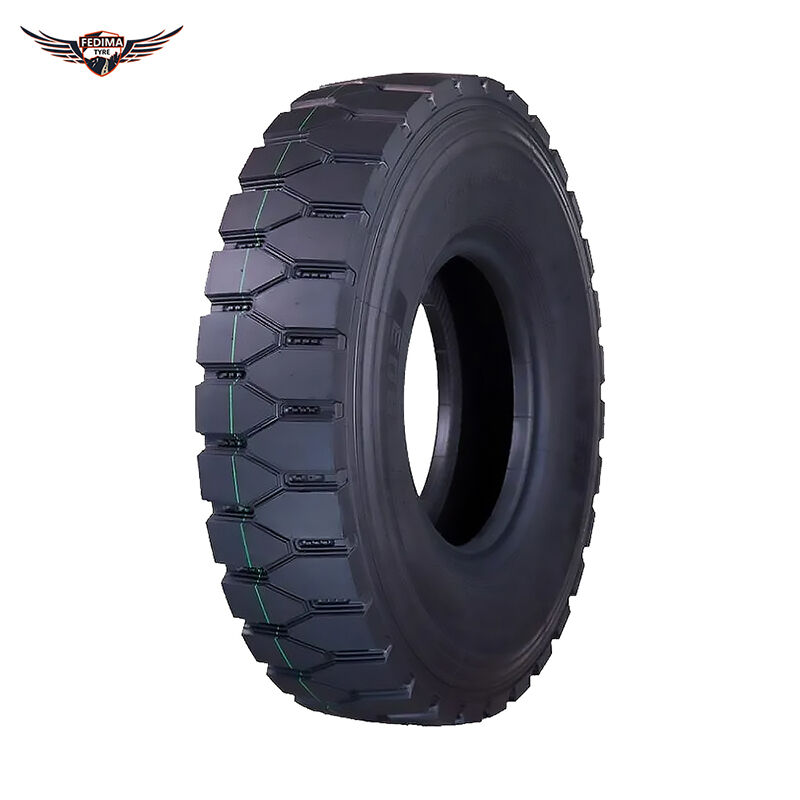
When sourcing Truck tyres at a wholesale level, the stakes go far beyond price per unit. Fleet operators, logistics companies, and commercial distributors understand that the certification status of every tyre directly affects safety compliance, liability exposure, and operational continuity across international markets. As global trade expands and cross-border freight becomes the norm, the demand for truck tyres backed by globally recognized safety certifications has grown from a preference into an absolute requirement.
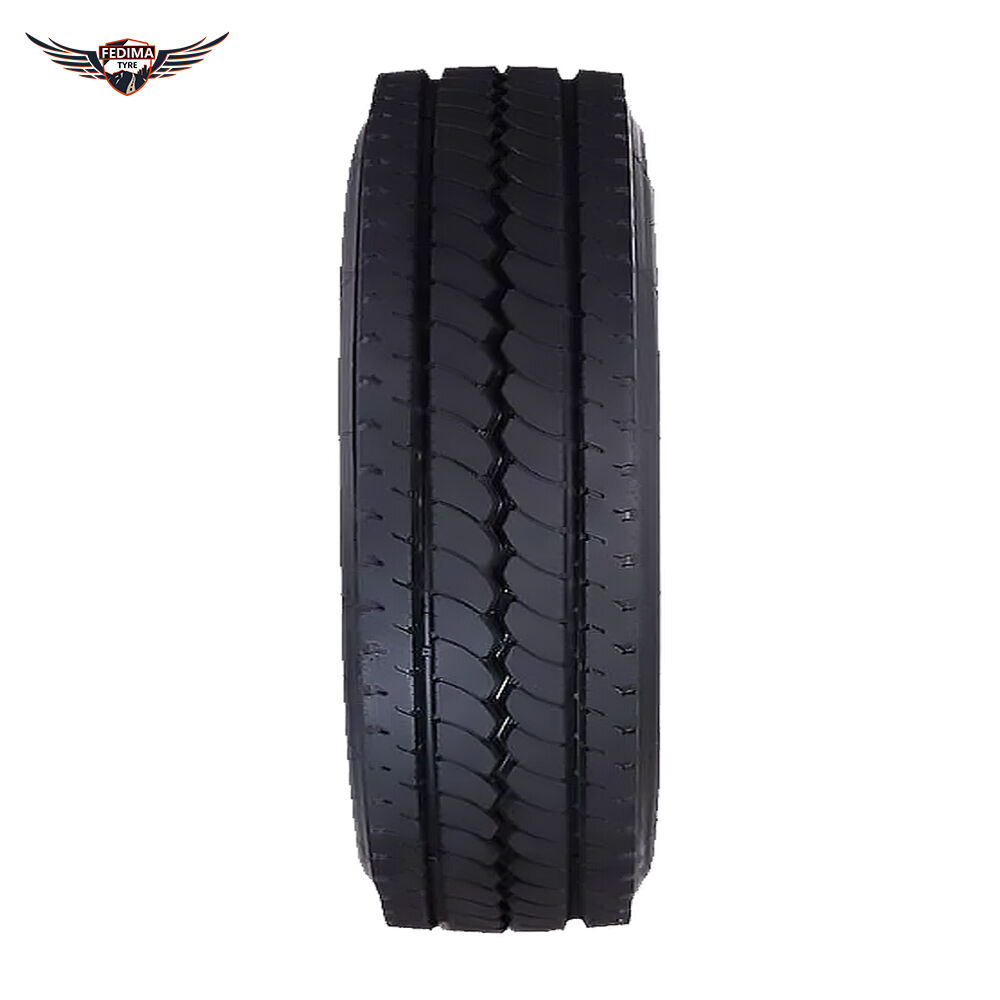
This article is written specifically for wholesale buyers, fleet procurement managers, and commercial tyre distributors who are evaluating truck tyres and need a clear understanding of what global safety certifications mean, why they matter at scale, and how to identify products that genuinely meet international standards. If you have been asking whether certified truck tyres are actually worth the additional scrutiny in the sourcing process, the answer is an unambiguous yes — and the reasons are both regulatory and operational.
Why Global Safety Certifications Matter for Wholesale Truck Tyre Buyers
The Regulatory Landscape Across Key Markets
Truck tyres are among the most heavily regulated components in the commercial vehicle ecosystem. Different regions maintain their own certification frameworks, and wholesale buyers who operate across borders must ensure their tyre inventory complies with each applicable standard. In Europe, the ECE R54 and R117 regulations govern the performance and labeling of commercial vehicle tyres. In the United States, the DOT marking is a legal requirement for any tyre sold or used on public roads. Middle Eastern and African markets increasingly reference GCC and GSO standards, while Asia-Pacific regions have adopted national frameworks aligned with international benchmarks.
For wholesale procurement, this means that purchasing truck tyres without verified certifications can result in shipment rejections at customs, regulatory penalties, and costly recalls. The financial exposure from non-certified inventory far exceeds any short-term savings achieved by sourcing cheaper, uncertified alternatives. Procurement teams that build certification verification into their supplier evaluation process protect their business from downstream legal and financial risk.
Understanding the specific certifications required in each target market is therefore a foundational step in any wholesale truck tyre sourcing strategy. It is not a bureaucratic formality — it is a commercial necessity that determines whether the product can be legally sold and safely used in the intended markets.
The Role of the GSC Mark in International Tyre Trade
The GSC, or Gulf Standards Certification, has emerged as a particularly important mark for truck tyres sold into Gulf Cooperation Council markets. This certification confirms that the tyre meets a defined set of performance, safety, and labeling standards recognized across GCC member states. For wholesale buyers supplying fleets or distributors operating in the Gulf region, a GSC-marked tyre removes significant customs and compliance friction.
Truck tyres carrying the GSC mark have been tested and verified against regional standards, which means procurement teams can present documentation to customs authorities, fleet operators, and end clients with full confidence. This is especially relevant for high-load commercial applications such as long-haul freight, construction logistics, and port operations where tyre failure carries both safety and liability consequences.
Sourcing truck tyres with GSC certification as part of a broader multi-certification strategy allows wholesale buyers to open distribution channels that would otherwise require time-consuming re-certification processes for each market entry.
Key Performance Attributes of Certified Wholesale Truck Tyres
Load Index and Speed Rating Compliance
Global safety certifications for truck tyres are not issued based on branding or price tier — they are awarded based on verifiable performance testing. Among the most critical parameters assessed are the load index and speed rating. For commercial truck tyres, these figures dictate the maximum weight each tyre can safely carry and the speed at which the vehicle can safely operate. Certified truck tyres carry markings that have been independently verified, not simply self-reported by the manufacturer.
For wholesale buyers, this verification provides an operational foundation. Fleet managers can match tyre specifications precisely to vehicle requirements, reducing overloading risks and extending tyre service life. Logistics operators can document compliance for audits and insurance assessments. In regulated freight sectors, particularly those involving hazardous materials or oversized loads, load index compliance is a contractual obligation that only certified truck tyres can fulfill with confidence.
When evaluating wholesale tyre products, buyers should request the full technical data sheet and cross-reference the stated load and speed ratings against the relevant certification test reports. This due diligence step protects procurement integrity and ensures the tyre performs as documented under real operating conditions.
Structural Durability and Casing Integrity Standards
Certified truck tyres are required to pass rigorous structural testing that examines casing integrity under sustained load, thermal stress, and repeated flexing. These tests simulate the conditions experienced during long-haul operations and assess whether the tyre construction can withstand extended service without delamination, bead failure, or catastrophic blowout. Certification test protocols vary by region but consistently examine internal structural robustness rather than surface-level presentation.
For wholesale buyers supplying fleet operators, casing durability translates directly to total cost of ownership. A structurally certified tyre is more likely to be retreatable after initial use, which is a significant economic factor for high-mileage commercial applications. Retreading extends the usable life of the casing and reduces per-kilometer tyre costs considerably. Fleets that systematically source certified truck tyres often build retreading programs around predictable casing performance, creating a sustainable and cost-efficient tyre management cycle.
Understanding casing quality is therefore not a secondary consideration in wholesale procurement — it is a primary value driver that affects both upfront investment and long-term operating economics. Certifications provide a standardized baseline for comparing casing performance across suppliers and product lines.
Evaluating Wholesale Suppliers of Certified Truck Tyres
Documentation and Certification Traceability
Any credible supplier of certified truck tyres at wholesale scale should be able to provide complete and traceable certification documentation for every product in their catalog. This includes test reports from accredited laboratories, certification registration numbers, and confirmation of the certifying body's standing in the relevant market. Wholesale buyers should treat incomplete or unverifiable documentation as a disqualifying factor in supplier assessment, regardless of pricing competitiveness.
Certification traceability also matters for downstream accountability. When a fleet operator or distribution client requests proof of compliance, the wholesale buyer needs to be able to respond quickly and comprehensively. Having full documentation on file for each tyre product in inventory creates a professional and defensible procurement record. In the event of a product liability inquiry or customs dispute, documented certification traceability is the primary mechanism for demonstrating due diligence.
Beyond individual product certifications, buyers should also assess whether the supplier maintains an ISO-certified quality management system. ISO 9001 certification at the manufacturing level indicates that the processes producing the truck tyres are systematically controlled, which supports consistent product quality across production batches and across time.
Consistency Across Production Batches for Volume Orders
One of the most frequently overlooked risks in wholesale truck tyre procurement is batch-to-batch consistency. A supplier may present certified samples that perform exactly as specified, while subsequent production batches deviate from the tested parameters due to raw material substitutions, process variations, or quality control lapses. For wholesale buyers placing large-volume orders, this inconsistency creates operational problems that can damage client relationships and brand reputation.
Wholesale buyers should request batch testing reports or statistical process control data as part of ongoing supplier qualification. Suppliers who take certification seriously maintain production records that can be audited and compared across batches. This level of transparency distinguishes professional wholesale tyre suppliers from lower-tier alternatives that may use initial certification primarily as a marketing credential rather than a sustained quality commitment.
Establishing clear contractual requirements around batch quality documentation, acceptable variance tolerances, and remediation procedures in the event of non-conformance protects the wholesale buyer and establishes a professional framework for long-term supplier relationships built on measurable performance rather than informal assurances.
Application Context for Certified Truck Tyres in Wholesale Distribution
Long-Haul Freight and Highway Operations
The most demanding application environment for truck tyres is long-haul highway freight, where vehicles operate continuously over thousands of kilometers at sustained speeds with full payloads. In this context, every certified specification — from load index to heat resistance to tread wear rating — becomes a direct factor in operational safety and cost management. Wholesale buyers supplying fleets engaged in long-distance freight need truck tyres that have been certified to perform reliably under these exact conditions, not just in controlled test scenarios.
Certifications such as ECE R117 specifically assess rolling resistance and wet grip performance, which are directly relevant to fuel efficiency and braking safety on highway operations. For fleet procurement managers, sourcing truck tyres with verified rolling resistance ratings can translate into measurable fuel savings across a large fleet over a full operating year. This economic argument reinforces why certified truck tyres often deliver better total value than uncertified alternatives, even when the initial unit price is higher.
Wholesale distributors serving the long-haul freight sector should position certified truck tyres as a performance and compliance solution, not merely a product category. Clients in this segment have sophisticated procurement criteria and respond positively to suppliers who can present technical certification data alongside commercial pricing.
Construction, Mining, and Off-Highway Commercial Applications
Beyond conventional highway freight, truck tyres serve demanding off-highway applications in construction, mining, and heavy industrial logistics. These environments impose extreme stress conditions including sharp debris exposure, heavy overloading, irregular terrain, and sustained low-speed high-torque operation. Certified truck tyres intended for these applications are tested against additional standards that address puncture resistance, casing deformation under load, and heat build-up in low-speed high-load cycles.
For wholesale buyers targeting construction or mining fleet operators, certification alignment with the specific application is critical. A tyre certified for highway use may not carry the relevant off-highway performance credentials, and vice versa. Understanding the application environment of the end client allows the wholesale buyer to match product selection to certified performance parameters accurately, creating a more credible and technically sound sales proposition.
Wholesale procurement teams that develop application-specific product knowledge around certified truck tyres position themselves as value-adding partners rather than commodity suppliers. This differentiation supports stronger client retention and justifies premium pricing for technically appropriate, fully certified products.
FAQ
What certifications should I look for when buying truck tyres wholesale?
The specific certifications required depend on the target market. For European distribution, ECE R54 and R117 are the primary standards. For the Gulf region, the GSC mark is widely required. For the US market, DOT compliance is mandatory. When purchasing truck tyres for multi-market wholesale distribution, prioritize suppliers who hold certifications across multiple frameworks, as this simplifies compliance management and broadens the markets where the product can be legally distributed.
Can truck tyres be sold internationally without global safety certifications?
In most regulated markets, truck tyres that lack the required local safety certifications cannot be legally sold, registered, or used on public roads. Attempting to import or distribute non-certified truck tyres can result in customs rejection, product seizure, financial penalties, and business liability. For wholesale buyers, the risk of carrying non-certified inventory extends beyond regulatory penalties to include reputational damage with fleet clients who operate under their own compliance obligations.
How does certification affect the total cost of ownership for fleet truck tyres?
Certified truck tyres generally demonstrate more predictable performance characteristics, which supports better fleet planning and maintenance scheduling. Their verified load and wear ratings reduce the risk of premature failure, and their structural certifications often indicate casing quality suitable for retreading. When total cost of ownership is calculated across a full service cycle including retreading potential, certified truck tyres frequently deliver lower per-kilometer costs than uncertified alternatives, even when the initial purchase price is higher.
What documentation should a wholesale tyre supplier provide for certified products?
A reputable wholesale supplier of certified truck tyres should provide laboratory test reports from accredited testing bodies, official certification registration numbers, confirmation of the certifying authority's standing, and relevant safety data sheets. For ongoing supply relationships, batch quality reports and production process documentation should also be available on request. Buyers should treat the inability to produce complete certification documentation as a significant red flag in supplier qualification.
Table of Contents
- Why Global Safety Certifications Matter for Wholesale Truck Tyre Buyers
- Key Performance Attributes of Certified Wholesale Truck Tyres
- Evaluating Wholesale Suppliers of Certified Truck Tyres
- Application Context for Certified Truck Tyres in Wholesale Distribution
-
FAQ
- What certifications should I look for when buying truck tyres wholesale?
- Can truck tyres be sold internationally without global safety certifications?
- How does certification affect the total cost of ownership for fleet truck tyres?
- What documentation should a wholesale tyre supplier provide for certified products?