
 EN
EN
Choosing the right tire manufacturer for your fleet, distribution chain, or procurement program is never a simple decision. While price and product availability often dominate early negotiations, the deeper and more strategically important question is this: how capable is the tire manufacturer of innovating, improving, and solving real-world problems through genuine research and development? A supplier that invests seriously in R&D is not just selling rubber — it is selling engineered solutions backed by science, testing data, and continuous improvement cycles that translate into measurable performance on the road.
Evaluating R&D capability requires going beyond marketing materials and brochures. It demands a structured, evidence-based assessment of how a tire manufacturer designs, tests, validates, and iterates on its products. This article walks procurement managers, fleet operators, and logistics decision-makers through the key evaluation dimensions — from material science investment to computational testing infrastructure — so they can make confident, long-term sourcing decisions when selecting a tire manufacturer partner.
Why R&D Capability Matters in a Tire Manufacturer Partnership
The Business Risk of Choosing a Low-Innovation Supplier
When a tire manufacturer lacks genuine R&D investment, the consequences show up in predictable ways: inconsistent compound quality, slow adaptation to new load and speed standards, and limited customization for specific applications. For high-stakes commercial operations — such as long-haul trucking, refrigerated transport, or heavy-duty trailer fleets — these gaps translate directly into unplanned downtime, increased fuel costs, and premature tire replacement cycles.
A tire manufacturer with strong R&D capabilities, on the other hand, can adapt product formulations to match evolving regulatory demands, improve rolling resistance coefficients on request, and produce application-specific designs that reduce total cost of ownership. The difference is not merely technical — it is financial and operational. Over a multi-year procurement contract, the right partner can materially reduce fleet operating costs.
Understanding R&D depth also helps buyers avoid suppliers that rebadge generic products without engineering accountability. An authentic tire manufacturer will be able to explain specific development decisions — such as tread pattern geometry, belt construction, and compound curing protocols — rather than offering vague references to 'advanced technology.' That transparency is itself a signal of genuine capability.
Long-Term Value Creation Through Technical Partnership
The most productive relationships between a fleet operator and a tire manufacturer evolve beyond transactional purchasing. They become technical partnerships where the supplier contributes engineering insights, performance feedback loops, and product adaptation that align with the buyer's specific operational profile. This kind of value only emerges when the tire manufacturer has a real R&D function — one with human expertise, physical testing assets, and documented development processes.
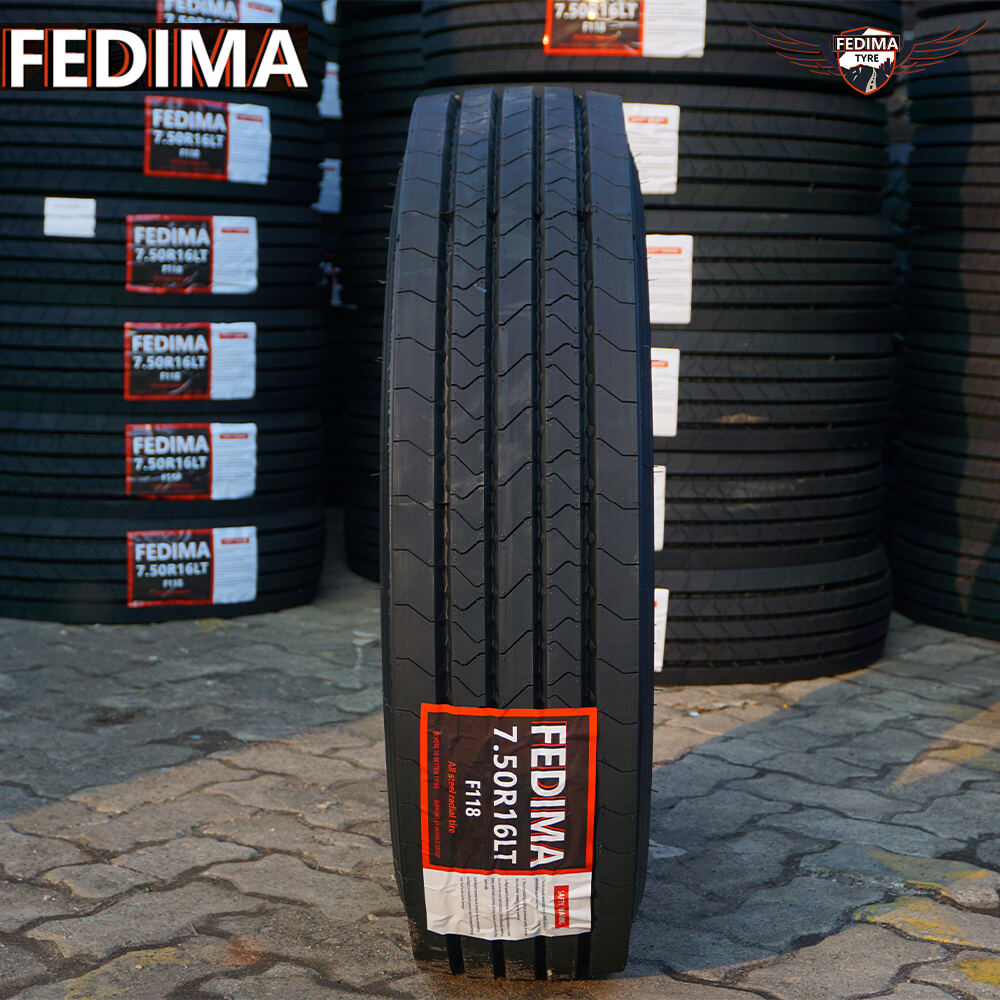
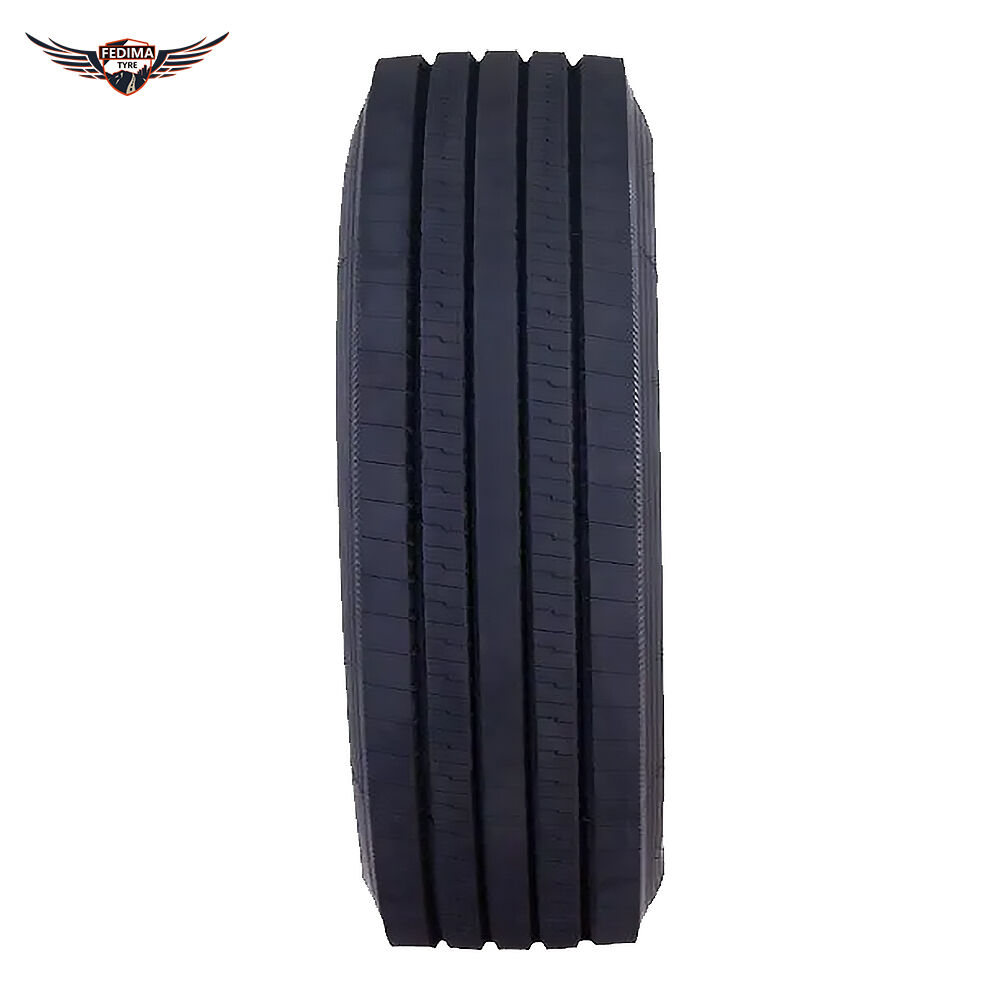
For example, a tire manufacturer developing a fuel-efficient trailer tire for long-haul applications — such as the Tire manufacturer behind rib-design solutions optimized for low rolling resistance — must invest in computational fluid dynamics modeling, internal heat generation analysis, and extensive road testing across multiple load conditions. This level of investment cannot be faked or sourced cheaply through outsourcing.
Key Indicators of Strong R&D Infrastructure
Internal Testing Facilities and Equipment Depth
One of the most reliable indicators of a tire manufacturer's R&D capability is the presence of owned, internal testing infrastructure. This includes indoor drum test machines capable of simulating millions of kilometers at controlled loads and speeds, environmental chambers for temperature and humidity cycling, and dynamic mechanical analysis equipment for compound characterization. A tire manufacturer that relies entirely on third-party labs for development work lacks the feedback loop speed that serious innovation requires.
During supplier evaluations, buyers should ask for a physical or virtual tour of R&D facilities and request specifics: how many test machines are in operation, what is the annual test cycle volume, and how are test results integrated back into product development workflows. A credible tire manufacturer will answer these questions with data, not generalities. If answers are evasive or vague, that itself signals an R&D function that is more cosmetic than substantive.
Beyond mechanical testing, advanced material characterization tools — such as scanning electron microscopy for compound microstructure analysis and dynamic viscoelastic measurement systems — indicate a tire manufacturer that is working at a fundamental materials science level rather than just mixing pre-existing compound recipes. These are meaningful differentiators in a competitive evaluation.
Engineering Headcount and Technical Specialization
The human dimension of R&D is equally important. A tire manufacturer with genuine development capability employs specialists across multiple disciplines: polymer chemists, structural engineers, tribology experts, noise and vibration analysts, and data scientists who manage simulation models. The ratio of R&D engineers to total headcount — and the tenure and publication records of senior technical staff — provides a proxy measure for how seriously a tire manufacturer invests in internal knowledge development.
When conducting supplier visits or technical audits, buyers should request meetings with R&D leadership rather than only sales representatives. A tire manufacturer that willingly facilitates direct technical dialogue is demonstrating confidence in its engineering depth. Conversely, a supplier that consistently routes all conversations through commercial staff may be protecting a relatively thin technical base.
Evaluating Product Development Process and Validation Rigor
Stage-Gate Development Frameworks and Prototype Cycles
A mature tire manufacturer operates product development through a structured stage-gate process — a framework that moves new products from concept definition through material selection, prototype building, internal validation, field testing, and production release in sequenced, documented stages. Understanding whether a supplier follows such a process — and how many iterations a typical product undergoes before commercial launch — reveals the rigor with which the tire manufacturer manages quality risk in development.
Ask the supplier how many prototype versions a new product line typically generates before production release, and how field performance data from earlier product generations feeds back into new development cycles. A tire manufacturer with disciplined processes will have clear answers. One without them will give approximate or inconsistent responses that reflect ad hoc rather than systematic development habits.
The timeline from concept to commercial launch is also informative. Extremely short development cycles — measured in months — often suggest modification of existing designs rather than genuine new product development. A serious tire manufacturer developing a product optimized for a specific application, load range, or regulatory environment will require meaningful development time to validate performance claims with reproducible data.
Certification Portfolios and Regulatory Compliance Capability
Certifications are not just commercial prerequisites — they are evidence of a tire manufacturer's ability to design and produce products that meet externally verified performance standards. Relevant certifications include ECE R117 rolling resistance and wet grip classifications in Europe, China's GB standards, and DOT compliance for North American markets. A tire manufacturer holding a broad portfolio of current certifications across multiple markets has demonstrated sustained investment in regulatory monitoring and testing infrastructure.
More informative than the certifications themselves is the process by which they are obtained and maintained. Ask the tire manufacturer how frequently products are retested for compliance as formulations or processes change, and how the company monitors regulatory changes across its target markets. A supplier with a dedicated regulatory affairs function — separate from but coordinated with R&D — is operating with a level of organizational sophistication that reflects genuine technical seriousness.
Assessing Innovation Output and Technology Roadmap Transparency
Patent Activity and Published Technical Research
A tire manufacturer that genuinely innovates will accumulate intellectual property in the form of patents, utility models, and sometimes academic or industry conference publications. While large patent portfolios should not be the sole measure of R&D health, consistent patent activity in specific technical domains — tread compound formulation, belt construction, noise damping geometry — indicates that the tire manufacturer is producing original technical work rather than adapting existing designs.
Request a summary of patent activity over the past three to five years and ask the tire manufacturer to explain two or three specific patents in plain technical language. This exercise is highly revealing. Companies with authentic R&D ownership will explain patents confidently and connect them to specific product performance benefits. Companies that cannot do so are likely citing IP that originated elsewhere or was acquired without deep internal understanding.
Roadmap Clarity and Willingness to Co-Develop
One of the strongest signals that a tire manufacturer operates a serious R&D function is its willingness to discuss a multi-year product and technology roadmap — and, in appropriate contexts, to engage in co-development conversations with key customers. A tire manufacturer that can articulate planned improvements in rolling resistance targets, compound sustainability profiles, or digital integration capabilities over a three-to-five year horizon is one that has forward-looking R&D planning in place.
Co-development willingness is especially relevant for large fleet operators or OEM customers with specific application requirements. A tire manufacturer that invites this kind of collaboration — and has the engineering resources to act on it — provides a fundamentally different level of strategic value than a passive product supplier. This differentiation compounds over time and represents one of the most durable competitive advantages a tire manufacturer can offer to B2B buyers with complex requirements.
Practical Steps for Conducting a Supplier R&D Audit
Structuring the Technical Evaluation Visit
A well-structured R&D audit visit to a tire manufacturer facility should include: a walkthrough of the compound development laboratory, a review of the testing machine fleet and its utilization data, a meeting with R&D leadership (not just quality or commercial teams), a review of at least one product development file from concept to commercialization, and a discussion of how customer performance feedback is formally incorporated into ongoing development work. Each of these touchpoints provides direct evidence of R&D depth and process maturity.
Buyers should prepare a structured questionnaire in advance and score responses against defined criteria — rather than relying on impressions alone. Key dimensions to score include infrastructure investment, human capital depth, process rigor, certification breadth, innovation output, and roadmap clarity. When applied consistently across multiple candidate tire manufacturer suppliers, this scoring approach produces defensible, comparable assessments that support confident sourcing decisions.
Red Flags to Watch for During the Evaluation Process
Certain patterns during supplier evaluation should prompt deeper scrutiny. These include reluctance to allow facility access beyond showroom areas, technical representatives who cannot explain compound or construction choices at an engineering level, absence of any internal test machines, and inability to provide documented product development histories. Any tire manufacturer that deflects technical questions with marketing language is signaling that its R&D story may not survive scrutiny.
Similarly, a tire manufacturer that claims broad technological capability but holds no relevant patents, employs very few engineers relative to its production scale, and sources all compound formulations from external chemical suppliers is likely operating as an assembler rather than a developer. This is not necessarily disqualifying for all procurement scenarios — but it is critical information for buyers whose performance requirements depend on genuine technical innovation and responsiveness.
FAQ
What is the most important question to ask a tire manufacturer about their R&D capabilities?
The single most revealing question is: 'Can you walk me through the specific development decisions made in your most recent product launch?' A credible tire manufacturer will be able to explain compound selection rationale, construction trade-offs, and validation test results. A supplier unable to answer at this level of specificity likely lacks substantive internal R&D depth.
How do certifications reflect a tire manufacturer's R&D investment?
Certifications such as ECE R117 or equivalent national standards require products to meet independently verified performance thresholds. Maintaining these certifications across product updates requires continuous testing investment. A tire manufacturer with a broad, current certification portfolio has consistently allocated resources to validation — which is itself a form of applied R&D discipline.
Can a smaller tire manufacturer have strong R&D capabilities?
Absolutely. R&D capability is not solely a function of company size. A focused tire manufacturer specializing in a narrow application segment — such as fuel-efficient commercial trailer tires — may maintain very deep technical expertise in that domain even without the scale of a global conglomerate. The key is to evaluate depth and relevance of capability relative to the buyer's specific application requirements.
How often should a buyer reassess a tire manufacturer's R&D capabilities after initial supplier selection?
For strategic or high-volume procurement relationships, a formal R&D capability reassessment every two to three years is advisable. Technology investment, engineering headcount, and product development velocity can change significantly as a tire manufacturer grows or restructures. Periodic reassessment ensures that the supplier relationship continues to deliver the technical value that justified the initial selection decision.
Table of Contents
- Why R&D Capability Matters in a Tire Manufacturer Partnership
- Key Indicators of Strong R&D Infrastructure
- Evaluating Product Development Process and Validation Rigor
- Assessing Innovation Output and Technology Roadmap Transparency
- Practical Steps for Conducting a Supplier R&D Audit
-
FAQ
- What is the most important question to ask a tire manufacturer about their R&D capabilities?
- How do certifications reflect a tire manufacturer's R&D investment?
- Can a smaller tire manufacturer have strong R&D capabilities?
- How often should a buyer reassess a tire manufacturer's R&D capabilities after initial supplier selection?