
 EN
EN
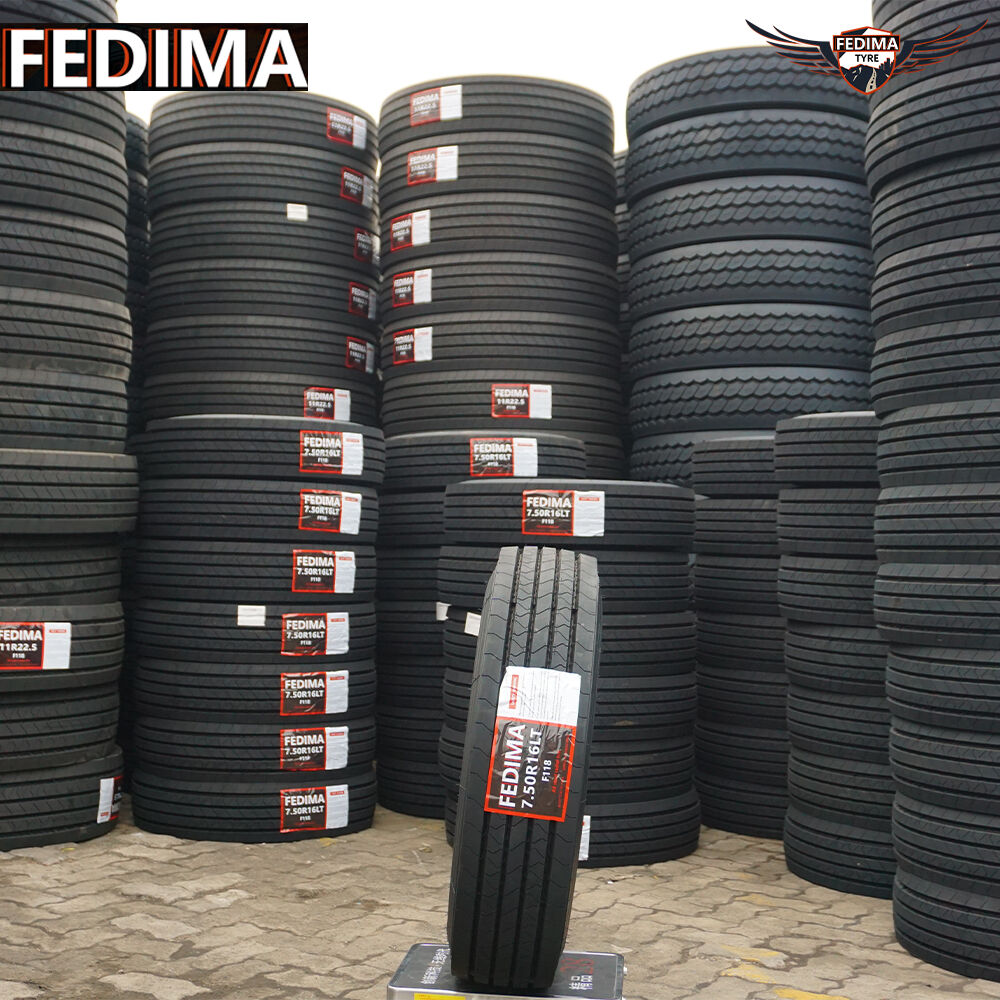
Every fleet manager and owner-operator knows that replacing a light truck tire too frequently is one of the most avoidable operational costs in commercial transport. Tread life is not simply a product of tire quality alone — it is the cumulative result of how a tire is selected, maintained, loaded, and driven. Understanding the factors that accelerate tread wear gives you a clear roadmap for stretching every kilometer out of each light truck tire before replacement becomes necessary.
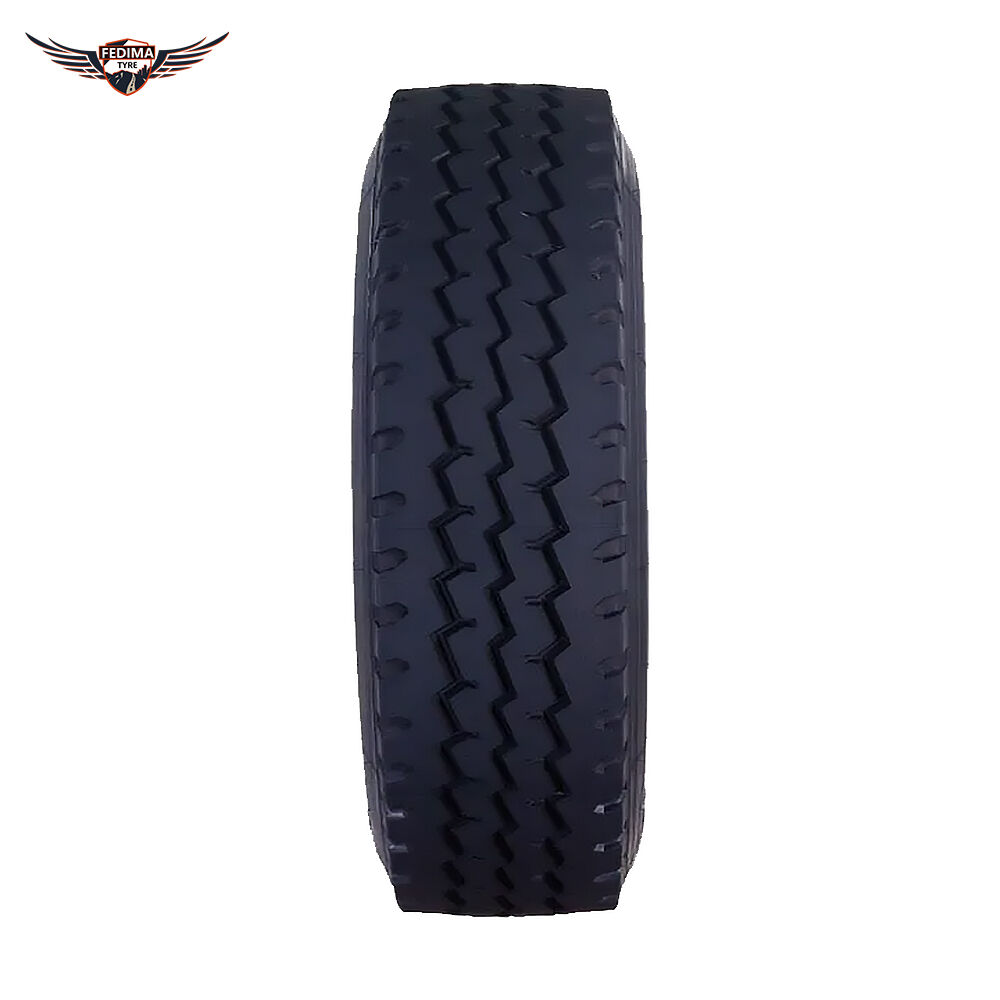
In the commercial light truck segment, margins are often thin and vehicle uptime is everything. A light truck tire subjected to incorrect inflation, misaligned axles, or inappropriate road pairing will wear unevenly and fail prematurely, adding unplanned cost and downtime to your operation. This guide walks through every major lever you can pull to maximize tread longevity, covering inflation management, load discipline, rotation strategy, driving behavior, and the importance of choosing the right light truck tire for your specific operating conditions in the first place.
The Role of Tire Inflation in Tread Longevity
Why Pressure Accuracy Is the Single Biggest Variable
Tire inflation is the most controllable and most frequently neglected factor in light truck tire tread life. When a tire runs underinflated, the contact patch widens abnormally, causing the shoulder blocks on both sides of the tread to carry a disproportionate share of the load. This produces rapid, uneven shoulder wear that cannot be recovered regardless of how well other maintenance tasks are performed.
Overinflation creates the opposite problem. The contact patch shrinks toward the center of the tread, accelerating center-rib wear and reducing the tire's ability to absorb road shock effectively. Both conditions shorten the usable life of a light truck tire significantly, and both are entirely preventable with routine pressure checks.
Pressure checks should be performed when tires are cold, meaning the vehicle has not been driven for at least three hours or has been driven fewer than three kilometers at low speed. Checking pressure in a hot tire after a long haul will produce a higher reading that does not reflect true baseline inflation. Using a calibrated gauge and following the vehicle manufacturer's placard specifications — not the maximum pressure printed on the tire sidewall — is the correct standard practice.
Inflation Frequency and Fleet Protocols
For commercial operators running a fleet of light trucks, informal pressure checks are not sufficient. A documented inflation protocol with assigned accountability reduces the risk of tires running at damaging pressures for extended periods. Many fleets adopt a weekly cold-check schedule, with additional checks before long-haul routes or after significant load changes.
Tire pressure monitoring systems can complement manual checks but should not replace them entirely. Sensors that alert only when pressure drops below a critical threshold still allow significant wear to accumulate before the driver receives any warning. Combining automated monitoring with regular manual verification gives commercial operators the most reliable protection for each light truck tire in service.
Load Management and Its Direct Impact on Tread Wear
Understanding Load Rating and Overloading Risks
Every light truck tire carries a load index rating that defines the maximum weight it can safely support at a given inflation pressure. Operating consistently at or near the maximum rated load accelerates tread wear because the tire flexes more aggressively with each rotation, generating higher internal temperatures and placing greater mechanical stress on the tread compound.
Chronic overloading is even more destructive. A light truck tire that regularly carries loads exceeding its rated capacity will suffer from accelerated wear, heat-related compound degradation, and an increased risk of sidewall failure. Beyond tread life, overloading is a significant safety risk and a compliance issue in most markets. Selecting tires with an appropriate load index for the vehicle's gross vehicle weight rating is a foundational step that many operators overlook when sourcing replacements on price alone.
Distributing Load Evenly Across Axles
Uneven load distribution across the front and rear axles of a light truck causes individual tires to wear at different rates. A heavily loaded rear axle combined with a lightly loaded front axle forces rear tires to carry a significantly higher burden, wearing them faster and creating a mismatch between axle positions that complicates rotation scheduling.
Operators should pay attention to payload positioning when loading cargo. Concentrating heavy loads over the rear axle is a common practice that reduces traction on the front steer axle and adds disproportionate stress to rear light truck tire units. Distributing weight as evenly as the cargo type allows reduces differential wear rates and allows a more balanced rotation strategy to function effectively.
Tire Rotation and Alignment Strategies
Rotation Intervals That Actually Protect Tread
Tire rotation is one of the most cost-effective ways to equalize tread wear across all positions on a light truck. Front tires on driven vehicles wear faster at the shoulders due to steering forces, while rear drive tires experience higher torque-related wear patterns. Rotating tires according to a defined schedule allows each light truck tire to wear evenly across its entire service life.
The recommended rotation interval for commercial light trucks is typically every 8,000 to 12,000 kilometers, though this varies depending on the vehicle's drive configuration, load profile, and operating surface. Vehicles that operate primarily on unpaved or mixed-condition roads may benefit from more frequent rotation since irregular surfaces accelerate differential wear between positions. Maintaining a rotation log ensures accountability and prevents positions from being skipped during busy maintenance periods.
Wheel Alignment and Its Tread-Wear Consequences
Misaligned wheels are a silent killer of light truck tire tread life. Toe misalignment — where the fronts of the tires point inward or outward relative to the direction of travel — causes rapid feather-edge wear across the tread surface. Camber misalignment causes one-sided wear, where the inner or outer edge of the tread erodes significantly faster than the rest of the contact patch.
Commercial light trucks are particularly susceptible to alignment drift because they operate under heavy loads on imperfect road surfaces, both of which accelerate the loosening of steering and suspension components. A wheel alignment check should be part of every scheduled service interval, and it should also be performed immediately after any significant impact, such as hitting a deep pothole or a kerb strike. Correcting alignment early prevents a minor adjustment issue from destroying a light truck tire within a few thousand kilometers.
Driving Behavior and Road Surface Selection
How Driver Inputs Affect Tread Life
Driver behavior has a measurable and significant impact on how long a light truck tire lasts. Hard acceleration from a stop generates wheelspin that abrades the tread surface rapidly, particularly on drive axle tires. Aggressive cornering at speed imposes lateral scrubbing forces across the tread that remove rubber in the same way that sandpaper removes wood — quickly and irreversibly.
Late and heavy braking is equally damaging. Locking up tires during emergency braking, even momentarily, creates flat spots that permanently alter the roundness of the light truck tire and create vibration throughout the remaining service life. Driver training programs that focus on smooth acceleration, progressive braking, and steady cornering have been shown in commercial fleet studies to meaningfully extend average tire replacement intervals.
Matching Tire Specification to Road Conditions
The operating surface has a dramatic influence on tread life. A light truck tire designed for mixed-road operation will perform very differently on a sealed highway versus a gravel access road or a site with loose substrate. Using a tire that is not engineered for the surface creates accelerated tread wear because the tread compound and pattern are not optimized for the abrasion characteristics of that environment.
For operators working across a combination of sealed and unsealed roads, selecting a light truck tire with a compound and tread pattern designed for mixed conditions is essential. Such tires offer a balance between highway tread life efficiency and the durability needed to withstand the abrasive and cutting forces of off-road surfaces. Forcing a purely highway tire to handle rough terrain, or using an off-road tire exclusively on sealed roads, will accelerate wear in either case.
Selecting the Right Tire Specification From the Start
Why Specification Fit Determines Maximum Possible Tread Life
All the maintenance discipline in the world cannot compensate for a fundamentally incorrect tire specification. If a light truck tire is chosen based on price or availability alone, without regard for the vehicle's load rating requirement, speed rating, axle position specification, or primary operating surface, its tread life ceiling will be significantly lower than a correctly specified alternative.
Tread compound formulation, pattern design, and construction type all vary significantly between tire lines even within the same size designation. A light truck tire built for all-position use on a lorry operating across mixed road conditions will have a different compound hardness, tread depth, and void ratio compared to a tire designed purely for urban delivery. These differences translate directly to tread life outcomes under real-world operating conditions.
Reading Tread Wear Patterns as Diagnostic Signals
Tread wear patterns are one of the most reliable diagnostic tools available for identifying the root cause of premature wear on any light truck tire. Center wear points to chronic overinflation. Shoulder wear on both sides indicates underinflation. One-sided wear across the full tread width is a clear indicator of camber misalignment. Feathering or sawtooth wear patterns across individual tread blocks signal toe misalignment or aggressive suspension geometry.
Operators who inspect tread wear patterns regularly — rather than only checking remaining depth — gain early warning of underlying vehicle or maintenance issues before they cause irreversible damage. Addressing the root cause identified by the wear pattern protects not only the current set of tires but also every subsequent set that is fitted to the same vehicle. A light truck tire should be regarded as a diagnostic instrument as much as a consumable component.
FAQ
How often should I check the inflation pressure on a commercial light truck tire?
You should check the inflation pressure of each light truck tire at least once per week under cold conditions, meaning the vehicle has not been in operation for at least three hours. For vehicles on daily long-haul routes or carrying variable loads, an additional check before each significant journey is advisable. Using a calibrated gauge and recording results consistently allows you to detect slow leaks or systematic pressure issues before they cause meaningful tread damage.
Does road surface type really make a significant difference to tread life?
Yes, road surface is one of the most powerful variables in determining how long a light truck tire lasts. Rough, abrasive, or unpaved surfaces remove tread rubber far more aggressively than smooth sealed roads. If your operation regularly crosses mixed terrain, choosing a tire specifically engineered for mixed-road conditions is more effective than relying purely on maintenance practices to compensate for a mismatched specification.
Can wheel misalignment cause a light truck tire to wear out twice as fast?
In severe cases, yes. Significant toe or camber misalignment can reduce the usable life of a light truck tire by 30 to 50 percent or more compared to a properly aligned vehicle. The wear is also typically localized, meaning the tire becomes unsafe for use long before the remaining tread depth across the full contact patch would otherwise require replacement. Regular alignment checks are among the most cost-effective interventions available to any commercial operator.
Is it worth investing in higher-grade light truck tires to get longer tread life?
The cost-per-kilometer calculation almost always favors a better-specified light truck tire over the lowest-priced option. Tires built with higher-quality compounds, deeper initial tread depth, and engineered tread patterns for the specific application will consistently outperform economy alternatives when total service life is measured against acquisition cost. Combined with correct inflation management, alignment discipline, and rotation scheduling, the right tire specification delivers measurable long-term savings that far exceed the initial price premium.
Table of Contents
- The Role of Tire Inflation in Tread Longevity
- Load Management and Its Direct Impact on Tread Wear
- Tire Rotation and Alignment Strategies
- Driving Behavior and Road Surface Selection
- Selecting the Right Tire Specification From the Start
-
FAQ
- How often should I check the inflation pressure on a commercial light truck tire?
- Does road surface type really make a significant difference to tread life?
- Can wheel misalignment cause a light truck tire to wear out twice as fast?
- Is it worth investing in higher-grade light truck tires to get longer tread life?