
 EN
EN
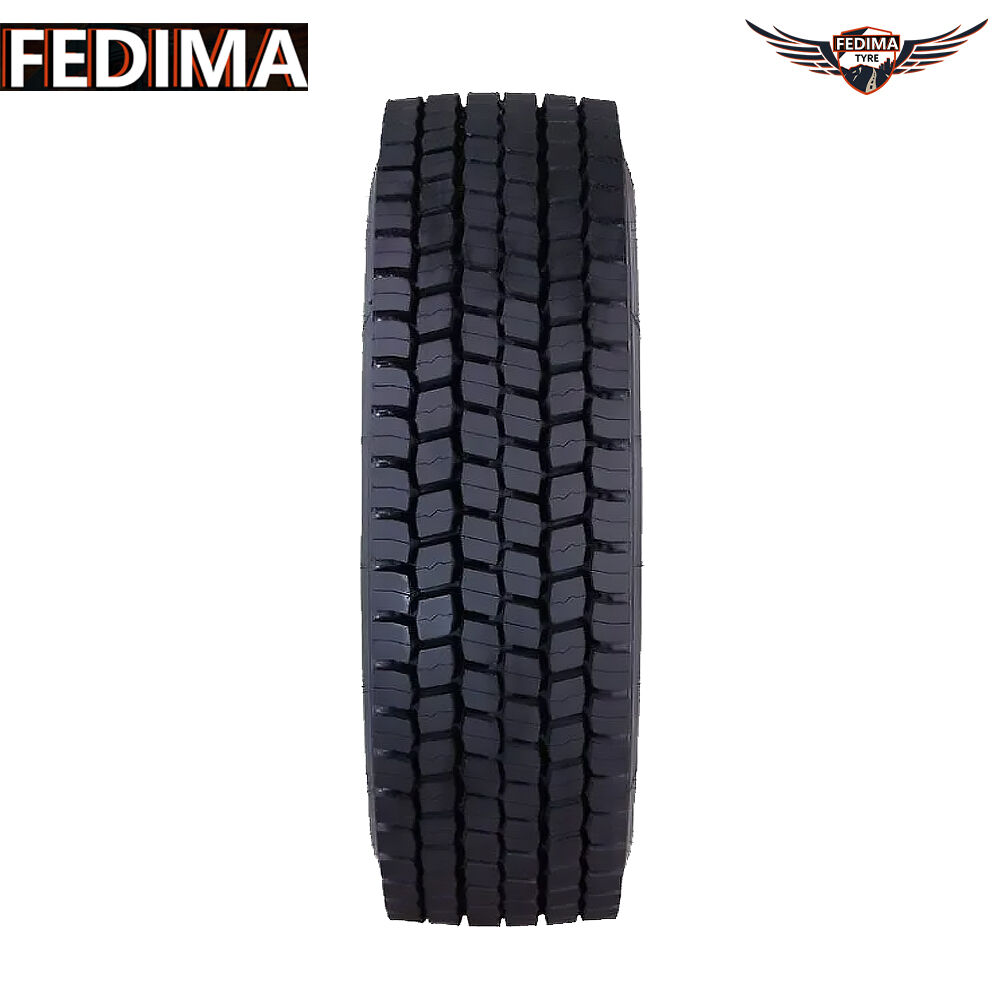
Selecting the right light truck tire is one of the most impactful decisions a fleet manager or owner-operator can make when it comes to controlling fuel costs. Tires are the only point of contact between the vehicle and the road, and their design, compound, and inflation characteristics directly influence how much energy is consumed with every kilometer traveled. With fuel expenses often representing the largest single operational cost in commercial transport, choosing a light truck tire optimized for fuel efficiency is not a minor detail — it is a strategic business decision.
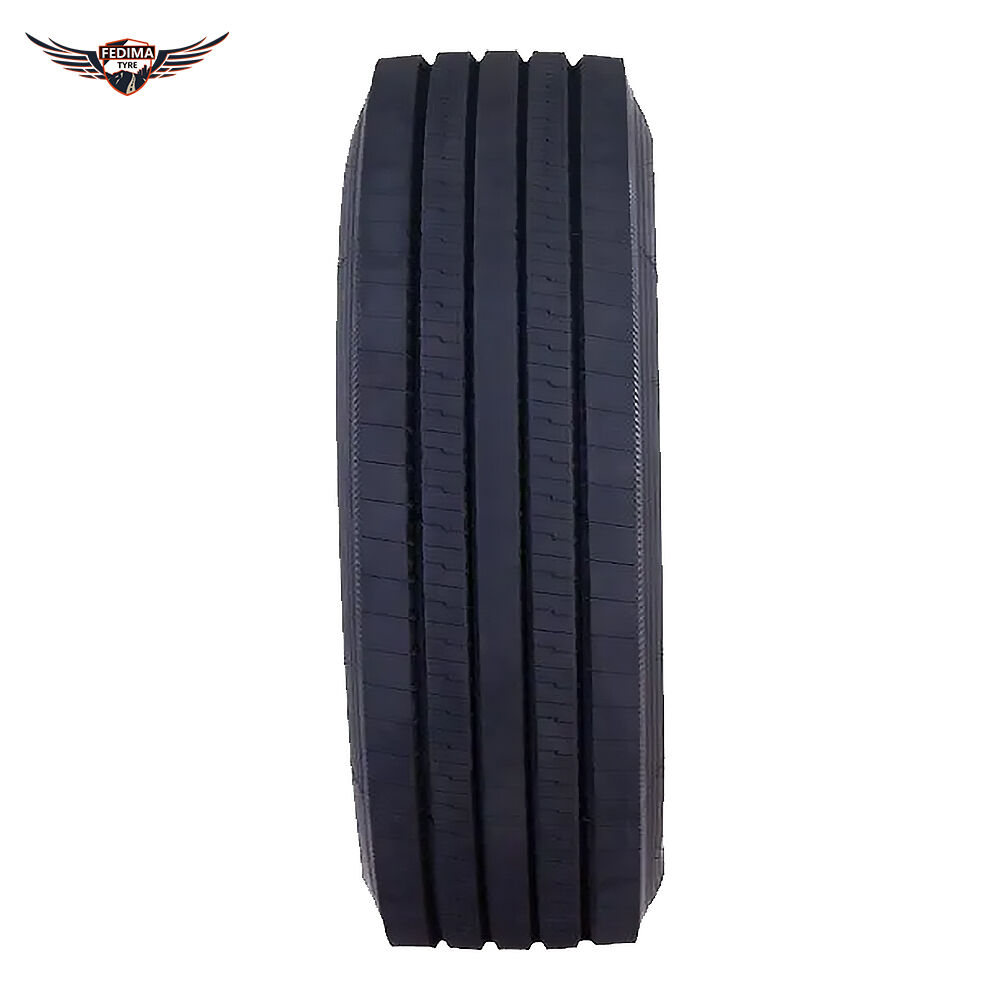
Understanding what makes one light truck tire more fuel-efficient than another requires looking beyond surface-level features and into the engineering principles that govern rolling resistance, tread design, and load management. This guide walks through the key selection criteria so you can confidently choose a light truck tire that delivers measurable savings over its service life. Whether you are managing a regional delivery fleet or operating a single light commercial vehicle, the principles outlined here will help you make a smarter, more cost-effective tire selection.
The Role of Rolling Resistance in Fuel Efficiency
Understanding Rolling Resistance
Rolling resistance is the force that opposes the motion of a tire as it rolls along a surface. It is generated primarily by the internal deformation of the tire's rubber compound as the tire rotates and flexes under load. The more energy a tire absorbs through this deformation process, the more fuel the engine must burn to maintain speed. For a light truck tire, even a small reduction in rolling resistance can translate into meaningful fuel savings over tens of thousands of kilometers.
Experts generally estimate that rolling resistance accounts for approximately 20 to 30 percent of a vehicle's total fuel consumption, depending on driving conditions and vehicle type. This means that a light truck tire engineered with low rolling resistance compounds can directly reduce this figure and improve overall efficiency. When evaluating tires, always look for rolling resistance classifications or energy labels where available, as these provide standardized benchmarks for comparison.
The rubber compound used in the tire's tread and sidewall is the most significant variable affecting rolling resistance. Silica-enriched compounds and advanced polymer blends are commonly used in modern fuel-efficient tire designs because they flex and recover more efficiently than older carbon-black formulations. When selecting a light truck tire, verifying that the manufacturer uses a low hysteresis compound is an important step in the decision process.
How Tire Construction Affects Energy Loss
Beyond the rubber compound, the internal construction of a light truck tire plays a substantial role in determining how much energy is lost to heat and deformation. Radial tire construction, which arranges the internal ply cords perpendicular to the direction of travel, is widely recognized as more fuel-efficient than bias-ply construction because it reduces sidewall stiffness and allows the tread to maintain better road contact with less energy expenditure.
The belt package configuration also matters. A well-engineered steel belt system in a light truck tire stabilizes the tread area, reduces unnecessary flexing, and distributes load more evenly across the contact patch. This stability contributes directly to lower rolling resistance and more consistent fuel consumption. Vehicles that frequently carry variable loads benefit especially from this type of construction, as the tire maintains its efficiency characteristics even as weight fluctuates throughout the day.
Tread Design and Pattern Selection
Rib and Highway Tread Patterns
The tread pattern of a light truck tire has a direct effect on aerodynamic drag, noise, and rolling resistance. Rib-style tread designs, characterized by continuous circumferential grooves running parallel to the direction of travel, are widely regarded as the most fuel-efficient option for highway and long-haul applications. These patterns reduce the amount of rubber that flexes and deforms with each rotation, resulting in lower energy loss and improved fuel economy.
A light truck tire featuring a rib tread design is particularly well-suited for regional distribution routes, motorway driving, and applications where the vehicle spends the majority of its time on paved surfaces. The Light truck tire with a trailer rib design, for example, exemplifies how tread geometry can be engineered specifically to minimize rolling resistance while maintaining acceptable wet-weather performance. For fleet operators prioritizing fuel efficiency above all else, rib-pattern tires are the default recommendation.
It is important to match tread design to actual usage patterns. A light truck tire with a very aggressive off-road or all-terrain pattern will perform poorly on fuel economy when used predominantly on highways, because the additional tread void area creates more flexing, more noise, and more aerodynamic disruption. Selecting the most appropriate pattern for the vehicle's primary operating environment is a foundational step in the selection process.
Tread Depth and Contact Patch Optimization
Tread depth also influences fuel efficiency in ways that many buyers overlook. A new light truck tire with deep tread grooves carries more rubber mass, which generates more heat during operation and increases rolling resistance compared to the same tire at mid-life wear. This is a well-documented phenomenon in commercial tire engineering, sometimes referred to as the 'wear-in' efficiency curve.
However, selecting a light truck tire purely based on shallow tread depth to achieve lower rolling resistance is not advisable, as adequate tread depth is essential for wet traction, hydroplaning resistance, and safe stopping performance. The practical takeaway is that during the selection process, you should prioritize tires that have been engineered to balance tread longevity with rolling resistance, rather than assuming that deeper is always worse or shallower is always better.
The width and shape of the contact patch also affect efficiency. A light truck tire with a wider, flatter contact patch distributes the load across more rubber, reducing the peak deformation stress at any single point. This can contribute to lower operating temperatures and reduced energy loss, particularly under sustained highway loads. Understanding the contact patch geometry of a candidate tire through manufacturer technical data is a useful part of the evaluation process.
Tire Size, Load Index, and Inflation Practices
Choosing the Correct Size for Your Application
Tire size selection has significant implications for fuel efficiency. A light truck tire that is oversized for the vehicle's actual load requirements will carry unnecessary mass and create additional aerodynamic drag, both of which increase fuel consumption. Conversely, an undersized tire that is consistently operating near or at its load limit will run hotter, wear faster, and consume more fuel due to excessive structural flexing.
The optimal approach is to select a light truck tire whose load index closely matches the actual maximum load the vehicle carries, with a reasonable safety margin. Avoid the common mistake of automatically upsizing tires for a more aggressive appearance or assumed durability benefit without verifying that the new size genuinely serves the operational load profile. Proper size selection is one of the simplest and most overlooked fuel-saving practices in light commercial vehicle management.
Aspect ratio is another dimension of size selection that affects fuel efficiency. A lower aspect ratio light truck tire has a shorter, stiffer sidewall, which can reduce sidewall flexing and contribute to lower rolling resistance. However, very low aspect ratio tires may also transmit more road shock into the vehicle, affecting driver comfort and potentially requiring more frequent replacement due to kerb and pothole damage. Balancing aspect ratio against operational road conditions is a nuanced but worthwhile part of the selection process.
The Critical Importance of Correct Inflation
Tire inflation pressure is one of the most powerful variables in managing the fuel efficiency of any light truck tire. An underinflated tire has a larger, more deformable contact patch, which generates significantly more rolling resistance and heat. Industry data consistently shows that a tire running 20 percent below its recommended pressure can increase rolling resistance by as much as 20 percent — a direct and measurable increase in fuel costs.
For fleet operators, implementing a rigorous inflation monitoring program is arguably the single highest-return investment in fuel efficiency. Even the best-designed light truck tire will underperform on fuel economy if it is routinely operated at incorrect pressures. Weekly manual checks, or the installation of tire pressure monitoring systems for larger fleets, are practical measures that deliver ongoing returns throughout the tire's service life.
Overinflation, while less common, also affects efficiency and safety. A light truck tire that is inflated beyond its recommended maximum will have a smaller contact patch, reducing traction and increasing the risk of irregular wear across the center of the tread. The target is always to maintain the manufacturer-specified inflation pressure for the actual load being carried, adjusted for ambient temperature changes and seasonal variation.
Matching Tire Technology to Operational Profiles
Regional and Urban Distribution Applications
Light commercial vehicles used for urban or regional distribution face a specific set of challenges that affect the fuel efficiency of a light truck tire. Frequent acceleration and braking cycles, mixed road surfaces, and high daily mileage accumulations all influence how quickly a tire loses its energy-efficient characteristics. For these applications, tires with reinforced sidewalls, abrasion-resistant compounds, and optimized rib tread patterns offer the best combination of durability and efficiency.
A light truck tire chosen for urban delivery should also have a low noise signature, as high noise levels in these tires are often indicative of aggressive tread patterns that also generate higher rolling resistance. Selecting a quieter tire in this context is not merely a comfort decision — it is a reasonable proxy indicator for lower energy loss. Fleet managers who pay attention to these compound performance indicators consistently report better fuel economy outcomes over full tire life cycles.
Highway and Long-Distance Hauling Applications
For light trucks used predominantly on highways and long-distance routes, the selection criteria shift toward sustained low rolling resistance, consistent performance at speed, and resistance to heat buildup during extended high-speed operation. A light truck tire designed for highway use will typically feature a finer, more closely pitched rib tread, a harder tread compound formulated for longevity at high temperatures, and a construction profile that minimizes heat generation in the belt and shoulder areas.
In these applications, trailer position tires deserve separate attention. The light truck tire used on the trailer axles of combination vehicles has a slightly different efficiency profile than a drive axle tire, because trailer tires do not transmit traction forces — they only need to roll freely and support the load. Rib-tread trailer-specific designs are purpose-built for this role and consistently outperform general-purpose tires on fuel economy in trailer axle positions.
For long-haul operators, even a modest improvement in the fuel efficiency of each light truck tire on the vehicle multiplies across the entire fleet and across millions of kilometers driven annually. Investing in technically superior tires for highway applications typically delivers a clear and relatively rapid return on the price premium compared to budget alternatives with higher rolling resistance.
FAQ
What is the most important factor when selecting a light truck tire for fuel efficiency?
Rolling resistance is the single most important technical factor. A light truck tire with a low-hysteresis rubber compound and a rib-style tread pattern will consistently outperform higher-resistance alternatives on fuel economy, especially in highway and long-distance applications. Correct inflation pressure and proper size selection are equally critical operational practices that work alongside tire design to maximize efficiency.
Does tire size affect fuel economy on light commercial vehicles?
Yes, significantly. An oversized light truck tire adds unnecessary mass and aerodynamic drag, increasing fuel consumption. Undersized tires run hotter and flex more under load, which also wastes energy. Selecting a tire whose load index closely matches the vehicle's actual operational load is the optimal approach for balancing safety and fuel efficiency.
Are rib tread tires always better for fuel efficiency than other patterns?
For highway and paved-road applications, rib tread designs are generally superior for fuel efficiency because their continuous circumferential grooves minimize tread flexing and rolling resistance. However, a light truck tire used frequently on unpaved or rough surfaces may need a more aggressive pattern to handle traction demands safely, even if this comes at a modest fuel efficiency cost. Matching tread design to actual operating conditions is the correct approach.
How often should I check the inflation pressure of a light truck tire?
For commercial operators, checking inflation pressure at least once per week is the recommended practice. A light truck tire can lose pressure gradually through normal permeation, temperature changes, and minor valve wear. Maintaining correct inflation at all times is one of the highest-return, lowest-cost actions a fleet can take to preserve fuel efficiency and extend tire service life across the entire vehicle.