
 EN
EN
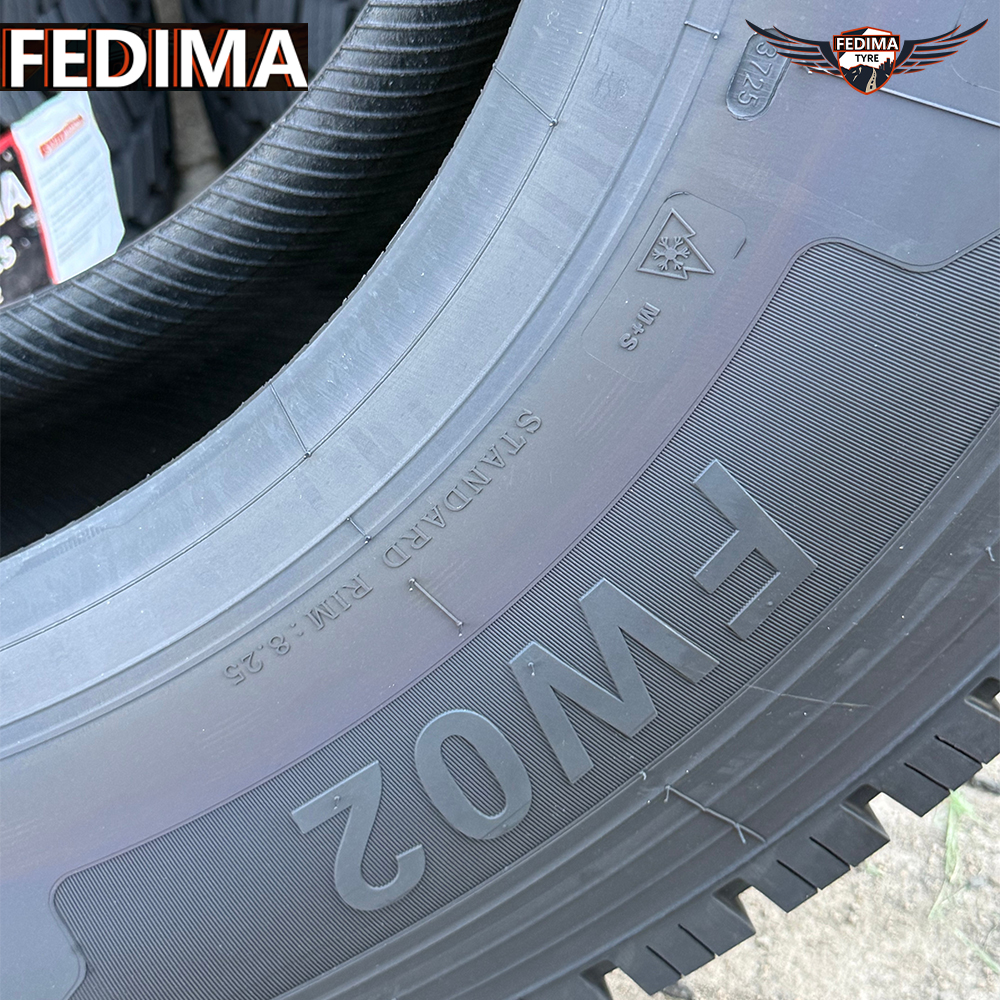
ဖြန့်ဖြူးရေးလုပ်ဖော်ကိုင်ဖော်များ၊ ယာဥ်အုပ်စုများနှင့် အမြဲတမ်း ပြိုင်ဆိုင်မှုများကို ဖြတ်သန်းနေသော အရောင်းအဝယ်လုပ်ဖော်ကိုင်ဖော်များအတွက် ဘယ်နေရာမှ ဝယ်ယူရမည်ဆိုသည့် မေးခွန်းသည် ထုတ်ကုန်များ သို့မဟုတ် အလွန်ရှုပ်ထွေးပါသည်။ ကုန်စည်များအတွက် ပေးသွင်းရေး ဆက်လုံးမှုကို ဆုံးဖြတ်ရာတွင် သင့်၏ အမြတ်အစွန်းများကို အမြတ်မရှိသည့်အထိ ဖိသိပ်နိုင်သည် (သို့မဟုတ်) ယှဉ်ပြိုင်ရေး၊ ရင်းနှီးမှုနှင့် ဖွံ့ဖြိုးရေးအတွက် နေရာဖေးပေးသည့် ရှူးသော စျေးနှုန်းအကျိုး advantage ကို ရရှိစေနိုင်ပါသည်။ တိုက်ရိုက် ပေးသွင်းသည့် လုံးပြားကူးသစ်ဆိုင် လေယာဉ်ဘီယာလုပ်ငန်းတစ်ခုအတွက် အရေးအကြီးဆုံး လုပ်ဆောင်ချက်များထဲမှ တစ်ခုအဖြစ် အများအားဖြင့် အသိအမှတ်ပြုခံရသည်။ သို့သော် အများစုသော ဝယ်ယူသူများသည် လေယာဉ်ဘီယာစက်ရုံမှ တိုက်ရိုက် ဝယ်ယူခြင်းအစား အလယ်အလတ်များကို အသုံးပြုနေပါသည်။ ထိုအလယ်အလတ်များသည် လေယာဉ်ဘီယာစက်ရုံမှ တိုက်ရိုက် ဝယ်ယူခြင်းထက် စျေးနှုန်းများကို အလွန်များစွာ မြင့်မားစေပါသည်။

ဤဆောင်းပါးသည် စီးပွားရေးအမြင်မှ လက်တွေ့ကျသော အချက်များဖြင့် ဘာကြောင့် တိုက်ရိုက် စီးပွားရေးလုပ်ငန်းများနှင့် ဆက်သွယ်ခြင်းဖြင့် သင့်၏ စီးပွားရေးအနေအထားကို ပြောင်းလဲနေသည်ကို ရှင်းလေးစွာ ဖော်ပြပေးပါသည်။ အမြတ်အစွန်းအဆင့်များကို ဖျက်သိမ်းခြင်း၊ ထုတ်လုပ်မှုနေရာသို့ နည်းပညာအရ တိုက်ရိုက်ဝင်ရောက်နိုင်ခြင်း၊ ထုတ်လုပ်မှုလုပ်ငန်း၏ ပိုမိုကျယ်ပေါင်းသော လုပ်ဆောင်နိုင်မှုများနှင့် ရှည်လျားသော ကုန်သွယ်မှုဆက်ဆံရေးများ တည်ဆောက်နိုင်ခြင်းတို့သည် တိုက်ရိုက်ဝယ်ယူခြင်း၏ အားသာချက်များဖြစ်ပြီး ငွေကြေးရေးရာ အကျိုးကျေးဇူးများနှင့် ဗျူဟာမြောက်အရ အားကောင်းမှုများ နှစ်မျှော်သော အကျိုးကျေးဇူးများကို ပေးစေပါသည်။ ဤအချက်များကို နားလည်ခြင်းဖြင့် ဝယ်ယူမှုစီမံခန့်ခွဲမှုမှူးများနှင့် စီးပွားရေးပိုင်ရှင်များသည် အမြတ်အစွန်းကို ထိခိုက်စေသည့် အဆင်ပေးမှုကို အလွယ်တကူ လက်ခံခြင်းထက် ပိုမိုပါးနပ်ပြီး အသိအမြင်ပါသော ဝယ်ယူမှုဆုံးဖြတ်ချက်များကို ချမှတ်နိုင်ပါသည်။
အလှည့်ကုန်သည်များမှတဆင့် ဝယ်ယူခြင်း၏ အမှန်တကယ်သော စုစုပေါင်းကုန်ကုန်
ကုန်စည်ဖြန့်ဖေးခွဲမှု အဆင့်တိုင်းသည် သင့်၏ အမြတ်အစွန်းကို မည်သို့လျော့နည်းစေသည်ကို
အချိုးအစားကို သတ်မှတ်ချက်များနှင့်အညီ သတ်မှတ်ထားသည်။ ကုန်ပစ္စည်းတစ်မျိုး ရောက်လာတဲ့အချိန်မှာ မူလစက်ရုံကစျေးထက် နှစ်ထပ်၊ သုံးထပ်၊ လေးထပ်တောင် ကုန်သွယ်မှုအတိုးကို ထင်ဟပ်တဲ့ ဈေးကို ပေးနေလောက်တယ်။ အချိုးအစားထုတ်လုပ်သည့် Tire စက်ရုံအတွက် တစ်ယူနစ်စရိတ်သည် နောက်ဆုံးဝယ်ယူသူသည် အများအပြားသောအဆင့်ဆက်သွယ်မှုမှတစ်ဆင့် ပုံမှန်ပေးသွင်းသည့်စရိတ်ထက် သိသိသာသာလျော့နည်းသည်။
ဤသည်မှာ သီအိုရီဆန်သော စိုးရိမ်မှုသာမက လက်တွေ့ကျသော အခြေအနေဖြစ်ပါသည်။ ဒေသတွင်း ဖြန့်ဖြူးရေးလုပ်ငန်းမှ ဝယ်ယူပြီး အေးဂျင့်မှ ဝယ်ယူသည့် အင်ပိုးတာမှ တဆင့် ဝယ်ယူသည့် ဝယ်သူသည် တိုက်ရိုက်ဝယ်သူများထက် ၂၀ ရှိသည်မျှမှ ၅၀ ရှိသည်မျှအထိ အမြတ်နုန်းများ ပေါင်းစပ်၍ ပေးနေရခြင်းဖြစ်ပါသည်။ အဆုံးသတ်ဖောက်သည်များသည် အသိပေးထားသည့် ဈေးကွက်တွင် ယှဉ်ပြိုင်မှုရှိသည့် စျေးနှုန်းသတ်မှတ်မှုကို ကြိုးစားနေသည့် လုပုပ်ငန်းအတွက် ဤသို့သော အမြတ်နုန်းလျော့နည်းမှုသည် အလွန်ပိုမိုဆိုးရွားပါသည်။ တိုက်ရိုက် ဘေးယားစက်ရုံနှင့် ဆက်သွယ်ခြင်းဖြင့် အလယ်အလတ် အဆင့်တစ်ခုကို ဖျက်သိမ်းလိုက်ခြင်းဖြင့် သင့်၏ ကုန်ကုန်စရိတ်အနေအထားကို ချက်ချင်း မြ improvement မှုရှိစေပါသည်။
အရေးကြီးသည်မှာ အလယ်အလတ်များသည် အမျှတသော တန်ဖိုးကို အမြဲတမ်း ထည့်သွင်းပေးခြင်းမရှိပါ။ အများအားဖြင့် ၎င်းတို့သည် စာရွက်စာတမ်းများကို ကိုင်တွယ်ခြင်း၊ အရွယ်အစားသေးငယ်သည့် ပို့ဆောင်မှုများကို စုစည်းခြင်း သို့မဟုတ် ဒေသတွင်း စတော့ကုန်များကို ပေးဆောင်ခြင်းစသည့် အဆင်ပေးမှုများကိုသာ ပေးပါသည်။ သို့သော် သင့်လုပုပ်ငန်းတွင် တိုက်ရိုက် အင်ပိုးတ်များကို ကိုင်တွယ်နိုင်ရေးအတွက် ပမောက်ချီမှုနှင့် ပို့ဆောင်ရေးစွမ်းရည်များ ရှိပါက သင်သည် သင်မလိုအပ်သည့် ဝန်ဆောင်မှုများအတွက် အပိုစရိတ်ကို ပေးနေခြင်းဖြစ်ပါသည်။ ဤသို့သော အလဲအလှယ်ကို နားလည်ခြင်းသည် ပိုမိုအမြတ်ရသည့် ဝယ်ယူမှုနောက်ခံမှုကို ဖန်တီးရာတွင် ပထမဆုံးအဆင့်ဖြစ်ပါသည်။
ဝယ်သူများက အလွန်ရှာဖွေမှုနည်းပါးသော ပုံမှန်မဟုတ်သော စရိတ်များ
မြင်သာသော စျေးနှုန်းမြင့်မှုကို ကျော်လွန်၍ အလုပ်သမားများကို အသုံးပြုခြင်းဖြင့် သင့်၏ ထိရောက်မှုရှိသော အမြတ်နှုန်းကို ပိုမိုလျော့နည်းစေသည့် ပုံမှန်မဟုတ်သော စရိတ်များကို ဖန်တီးပေးပါသည်။ ဤစရိတ်များတွင် သင့်အနေဖြင့် အပိုစတော့ကို ပိုမိုထားရှိရန် လိုအပ်သည့် ပုံမှန်ထက် ပိုမိုကြာမှုရှိသော ပြန်လည်ဖြည့်သွင်းရေး အချိန်ကာလများ၊ အသေးစိတ်အချက်အလက်များကို ပြောင်းလဲရေး လွတ်လပ်မှု လျော့နည်းခြင်းနှင့် ထုတ်လုပ်မှု အချိန်ကာလများအကြောင်း အမြင်အာရုံ အားနည်းခြင်းတို့ ပါဝင်ပါသည်။ သင့်နှင့် တိုက်ရိုက်ဆက်သွယ်ပေးသည့် ဘိုင်ကာစက်ရုံသည် ထုတ်လုပ်မှုအခြေအနေအက်ပ်ဒိတ်များကို အချိန်နှင့်တွေ့လျော်စွာ ပေးပေးနိုင်ပါသည်။ ထို့ကြောင့် ပိုမိုချောမွေ့သော စတော့စီမံခန့်ခွဲမှုကို ပေးစေပါသည်။
အချက်အလက်များ မညီမျှမှု ပြဿနာလည်း ရှိပါသည်။ သင်သည် ဖြန့်ဖြူးရေးကုမ္ပဏီများမှတစ်ဆင့် ဝယ်ယူပါက ထုတ်ကုန်အရည်အသွေး၊ နည်းပညာဆိုင်ရာ အသေးစိတ်အချက်အလက်များနှင့် စျေးနှုန်းသတ်မှတ်မှု အခြေအနေများအက်ပ်ဒိတ်များကို စီစဥ်ထားသည့် အချက်အလက်များကိုသာ ရရှိပါသည်။ ဘိုင်ကာစက်ရုံသည် ဤအရာအားလုံးနှင့် ပတ်သက်၍ အတိအကျဆုံးနှင့် အပြည့်အစုံဆုံး အသိအမြင်ကို ပိုင်ဆိုင်ပါသည်။ အလုပ်သမားများကို အသုံးပြုသည့် ဝယ်သူများသည် စက်ရုံအဆင့်တွင် စျေးနှုန်းအခြေအနေများ ပြောင်းလဲသည့်အချိန်ကို သိရှိမှုမရှိသည့်အတွက် စျေးနှုန်းများသည် ဈေးကွက်အခြေအနေကို မဖော်ပြတော့သည့် စာချုပ်များ သို့မဟုတ် စျေးနှုန်းများတွင် သိမ်းဆောင်ထားခံရနိုင်ပါသည်။
အချိန်ကြာလာသည်နှင့်အမျှ ဤဖုန်းလုပ်ထားသောစရိတ်များသည် စုစုပေါင်းလာပါသည်။ စုစုပေါင်းဝယ်ယူမှုစရိတ် ဆန်းစစ်မှုကို အသေးစိတ်ပြုလုပ်သည့် လုပုပ်ငန်းများသည် ယေဘုယျအားဖြင့် တိုက်ရိုက်စက်ရုံမှ ဝယ်ယူခြင်းသည် ယူနစ်စျေးနှုန်းသာမက ငွေသားစီးဆင်းမှု ခန့်မှန်းခြင်း၊ စတော့ခ်စီမံခန့်ခွဲမှု ထိရောက်မှုနှင့် ထုတ်ကုန်အရည်အသွေး တည်ငြိမ်မှုတို့တွင်ပါ ပိုမိုကောင်းမွန်သော ရလဒ်များကို ပေးစေကြောင်း တွေ့ရှိကြပါသည်။
တိုက်ရိုက်စက်ရုံနှင့် ဆက်သွယ်မှုမှ အမှန်တကယ်ရရှိမှုများ
စျေးနှုန်း ပေါ်လွင်မှုနှင့် ပိုမိုကောင်းမွန်သော ညှိနှိုင်းဆောင်ရွက်နိုင်မှု
တိုက်ရိုက်စက်ရုံမှ ဝယ်ယူခြင်း၏ အကျိုးကျေးဇူးများထဲတွင် အများဆုံး အမျှတ်သော အကျိုးကျေးဇူးများထဲတွင် တစ်ခုမှာ စျေးနှုန်း ပေါ်လွင်မှုဖြစ်ပါသည်။ သင်သည် စက်ရုံနှင့် တိုက်ရိုက်ဆက်သွယ်ပါက ထုတ်လုပ်မှုစရိတ်များ၊ အခြေခံပစ္စည်းများ ထည့်သွင်းမှုများနှင့် မူလနေရာတွင် အပို့အဝေးစျေးနှုန်းများကို သိရှိနိုင်ပါသည်။ ဤအသိပေးခြင်းသည် သင့်၏ ညှိနှိုင်းဆောင်ရွက်မှု အနေအထားကို အခြေခံကျစွာ ပြောင်းလဲပေးပါသည်။ သင်သည် အမြတ်နှုန်းများကို ခန့်မှန်းနေခြင်း သို့မဟုတ် အလယ်မှုသူတစ်ဦးမှ ပေးအပ်လာသော စျေးနှုန်းကို ညှိနှိုင်းမှုမပါဘဲ လက်ခံနေခြင်းများ မဟုတ်တော့ပါ။ အစား သင်သည် ထုတ်ကုန်၏ အမှန်တကယ် စီးပွားရေးအခြေအနေများကို သိရှိနိုင်ပါသည်။
တိုက်ရိုက်ဝင်ရောက်မှုဆိုတာက အရေအတွက်ကို အခြေခံတဲ့ ဈေးနှုန်းချမှတ်မှု၊ ရေရှည် ထောက်ပံ့မှု သဘောတူညီချက်တွေနဲ့ ပိုကောင်းတဲ့ ပေးချေမှု အခြေအနေတွေကို ညှိနှိုင်းဖို့ အခွင့်အလမ်းပါ။ သင့်ရဲ့ နှစ်စဉ် ဝယ်ယူမှု ပမာဏနဲ့ ဝယ်သူအနေနဲ့ ယုံကြည်မှုရှိမှုကို ရှင်းလင်းစွာ မြင်နိုင်တဲ့ ဘီးစက်ရုံတစ်ခုဟာ ကြိုတင်ဈေးနှုန်းပေးဖို့ အားကောင်းတဲ့ စီးပွားရေး လှုံ့ဆော်မှုရှိပါတယ်။ ဒီလိုမျိုး ဈေးနှုန်းချမှတ်မှုမျိုးဟာ စက်ရုံနဲ့ ညှိနှိုင်းနေတဲ့ မျှဝေဖြန့်ဖြူးသူကနေ ဝယ်ယူတဲ့ ဖောက်သည်များစွာထဲက တစ်ယောက်ဆိုရင်တော့ မရနိုင်ပါဘူး။
ထို့အပြင် ကုန်ကြမ်းစျေးနှုန်းများ ပြောင်းလဲနေသည့်အခါ Tyre စက်ရုံနှင့် တိုက်ရိုက်ဆက်ဆံမှုသည် ဖြစ်နိုင်ခြေရှိသော စျေးနှုန်းပြောင်းလဲမှုများအပေါ် အစောပိုင်းမြင်သာမှုကို ပေးသည်။ ဈေးနှုန်း မြင့်တက်မှု မတိုင်မီ ဝယ်ယူမှု ဆုံးဖြတ်ချက်တွေကို ချမှတ်နိုင်တယ်၊ ဒါမှမဟုတ် လက်တွေ့ ကုန်ကြမ်း ကုန်ကျစရိတ်ကို ထင်ဟပ်တဲ့ ပုံသေနည်းကို အခြေခံတဲ့ ဈေးနှုန်းချမှတ်မှုကို ညှိနှိုင်းနိုင်တယ်။ ကြားဖြတ်ဝယ်ယူမှုတွေမှာ ဒီပွင့်လင်းမြင်သာမှုနဲ့ ထိန်းချုပ်မှုအဆင့် လုံးဝမရှိပါဘူး။
အလိုက်သင့်ပြုပြင်ခြင်း၊ သတ်မှတ်ချက်များ ထိန်းချုပ်ခြင်း၊ ထုတ်ကုန်များနှင့် သင့်တော်ခြင်း
Tire စက်ရုံနဲ့ တိုက်ရိုက်ဆက်ဆံမှုက ကြားခံလုပ်ငန်းတွေက ပုံမှန် မပေးနိုင်တဲ့ ထုတ်ကုန်ကို အံကိုက်လုပ်ဖို့ တံခါးဖွင့်ပေးပါတယ်။ တိကျတဲ့ ဝန်ထုပ်နှုန်းတွေ၊ အမှတ်တံဆိပ် လိုအပ်ချက်တွေ၊ ကွဲပြားတဲ့ အသုံးအဆောင်တွေအတွက် ထူးခြားတဲ့ ပြေးစက်ပုံစံတွေ၊ ဒါမှမဟုတ် ကိုယ်ပိုင် တံဆိပ် အစီအစဉ်တွေအတွက် အလိုက်အထွေ သတ်မှတ်ထားတဲ့ တံဆိပ်ထိုးမှု လိုအပ်တာဖြစ်ဖြစ်၊ ဒီစကားပြောဆိုမှုတွေဟာ စက်ရုံအဆင့်မှာ အများဆုံး အကျိုးရှိတာပါ။ ကြားခံလုပ်ငန်းရှင်တွေကတော့ စက်ရုံက ထုတ်ပြီးသားနဲ့ သူတို့အတွက် ခွဲဝေထားတဲ့ ပစ္စည်းတွေကို ရောင်းဖို့ပဲ ကန့်သတ်ထားတာပါ။
ဒီသတ်မှတ်ချက် ထိန်းချုပ်မှုက B2B နဲ့ ရထားမောင်းနှင်ယာဉ်စျေးကွက်တွေမှာ အလွန်အရေးကြီးပါတယ်။ ဥပမာ၊ ဝန်ပိကားများအတွက် ဘီးများ ဝယ်ယူသည့် ရထားစုလုပ်ငန်းရှင်သည် ၎င်းတို့၏ လုပ်ငန်းပုံစံနှင့် ကိုက်ညီသော တိကျသော နည်းပညာ ကိန်းဂဏန်းများ လိုအပ်သည်။ Tyres စက်ရုံမှ တိုက်ရိုက် ရယူခြင်းသည် အနီးဆုံးရှိသော အခြားရွေးချယ်မှုအစား မှန်ကန်သော ထုတ်ကုန်ကို ထုတ်လုပ်သည့် ထုတ်လုပ်မှု အင်ဂျင်နီယာများ၊ အရည်အသွေးစီမံခန့်ခွဲသူများနှင့် ကုန်သွယ်ရေးအဖွဲ့များနှင့် နည်းပညာ ဆွေးနွေးမှုမျိုးအတွက် အခွင့်ပေးသည်။
ပရိုက်ဗိတ်လေဘယ်အခွင့်အလမ်းများသည် တိုက်ရိုက် လေထီးစက်ရုံများမှ ဝယ်ယူသူများအတွက် အရေးပါသော ကုန်းပမ်းရေးအရေးကြီးသော အခွင့်အလမ်းများဖြစ်ပါသည်။ သင့်ကိုယ်ပိုင် လေထီးအများအပြား ထုတ်လုပ်ရေးစက်ရုံ၏ ထုတ်လုပ်မှုစွမ်းအားကို အသုံးပြု၍ သင့်ကိုယ်ပိုင် အများအပြား ထုတ်လုပ်ရေးလေထီးများကို တည်ဆောက်ခြင်းဖြင့် သင့်ဈေးကွက်တွင် ကွဲပြားမှုရှိစေရန်၊ စျေးနှုန်းများကို ကာကွယ်ရန်နှင့် သင့်ကိုယ်ပိုင်ထုတ်ကုန်အမည်ဖြင့် ဖန်တီးထားသော ဖောက်သည်များ၏ စိတ်ကောင်းမှုကို တည်ဆောက်ရန် ဖြစ်ပါသည်။ ဒုတိယအဆင့် ဖြန့်ဖြူးရေးများမှတစ်ဆင့် ဝယ်ယူပါက ဤဗျူဟာသည် အလွန်အမင်း မဖြစ်နိုင်ပါသည်။
အရင်းအမြစ်တွင် ရေရှည်ကုန်းပမ်းရေး မိတ်ဖက်များကို တည်ဆောက်ခြင်း
စက်ရုံအတွက် ဦးစားပေးဖောက်သည်ဖြစ်လာခြင်း
ဘောင်ချာစက်ရုံများ၏ လုပ်ငန်းစဉ်များသည် ထုတ်လုပ်မှုအစီအစဥ်ချမှု၊ စွမ်းဆောင်ရည်ခွဲဝေမှုနှင့် ဖောက်သည်ဆက်ဆံရေးစီမံခန့်ခွဲမှုတို့ပေါ်တွင် အခြေခံပါသည်။ စက်ရုံများသည် ထုတ်လုပ်မှုအစီအစဥ်ချမှု၊ အထွက်များသည့်ကာလများတွင် စွမ်းဆောင်ရည်ခွဲဝေမှုနှင့် အသစ်ထုတ်လုပ်သည့် ထုတ်ကုန်များကို ပေးပို့ရေးတွင် မိမိတို့၏ ဗျူဟာမြောက်အရေးပါသည့် တိုက်ရိုက်ဖောက်သည်များကို ဦးစားပေးပါသည်။ သင်သည် ဖြန့်ဖြူးရေးကုမ္ပဏီမှတဆင့် ဝယ်ယူပါက စက်ရုံအတွက် သင်သည် တစ်ဦးချင်းဖောက်သည်အဖြစ် မြင်ရခြင်းမရှိပါ။ သင်သည် ထိုဖြန့်ဖြူးရေးကုမ္ပဏီ၏ စုစုပေါင်းအမှာစာ၏ အစိတ်အပိုင်းသာ ဖြစ်ပါသည်။
တိုက်ရိုက်ဝယ်ယူရေးဆက်သွယ်မှု အဖွဲ့စည်းခြင်းဖြင့် သင်သည် စက်ရုံ၏ ကုန်ပစ္စည်းဆိုင်ရာ စီးပွားရေးစနစ်အတွင်း အမည်ဖော်ပေးထားပြီး အသိအမှတ်ပြုထားသော နေရာတစ်ခုကို ရရှိမည်ဖြစ်သည်။ ဤအချက်သည် လက်တွေ့ကျသော အကျိုးကျေးဇူးများကို ဖော်ပေးပါသည်။ ပေးပို့မှု ပိုမိုကြီးမားသော လိုအပ်ချက်များရှိသည့် ကာလများတွင် တိုက်ရိုက်ဝယ်ယူသူများသည် သူတို့၏ သတ်မှတ်ထားသော ပေးပို့မှုများကို အပြည့်အဝနှင့် အချိန်မှီ ရရှိရန် ပိုမိုမျှော်လင့်နိုင်ပါသည်။ ကားဘီးစက်ရုံသည် အသစ်သော ထုတ်ကုန်များကို ဖွံ့ဖြိုးတိုးတက်စေခြင်း သို့မဟုတ် လက်ရှိအသုံးပြုနေသော အသေးစိတ်အချက်အလက်များကို မြှင့်တင်ပေးခြင်းများ ပြုလုပ်သည့်အခါ တိုက်ရိုက်ဝယ်ယူသူများသည် ဤအချက်အလက်များကို ပထမဆုံးအကြိမ် ရရှိမည်ဖြစ်ပြီး ပြိုင်ဘက်များထက် အရင်ဆုံး လုပ်ဆောင်နိုင်မည်ဖြစ်သည်။
အချိန်ကြာလာသည်နှင့်အမျှ ကားဘီးစက်ရုံနှင့် တိုက်ရိုက်ဆက်သွယ်မှု အားကောင်းလာခြင်းသည် ဈေးကွက်ဖွံ့ဖြိုးရေး ပူးပေါင်းဆောင်ရွက်မှုများ၊ ထုတ်ကုန်ဖွံ့ဖြိုးရေးတွင် ပူးပေါင်းရှယ်ပွဲများ နှင့် စျေးကွက်မှုဆိုင်ရာ ပူးပေါင်းဆောင်ရွက်မှုများကဲ့သို့သော ပူးပေါင်းဆောင်ရွက်မှုများကို ဖန်တီးပေးပါသည်။ ဤကဲ့သို့သော ဗျူဟာမြောက်အကျိုးကျေးဇူးများသည် ဝယ်ယူရေးဆက်သွယ်မှုကို သုံးစွဲမှုအရ သုံးစွဲမှုသာမက နှစ်ဖက်စလုံးအတွက် တန်ဖိုးဖော်ပေးနိုင်သော ဆက်သွယ်မှုအဖြစ် ပြောင်းလဲပေးပါသည်။
တည်ငြိမ်မှု၊ ယုံကြည်စိတ်ချရမှုနှင့် ပေးပို့ရေးလိုင်း ခံနိုင်ရည်
စုပ်ယူမှုလုပ်ငန်းစဉ် အဟန့်အတားများသည် လုပုပ်ငန်းအားလုံးတွင် ကုန်ပစ္စည်းရောင်းဝယ်ရေးဆိုင်ရာ အန္တရာယ်အဖြစ် အထင်ကရဖြစ်လာခဲ့ပါသည်။ ဘောလုံးဘီယာများ ထုတ်လုပ်ရေးလုပ်ငန်းများအတွက် ဘောလုံးဘီယာစက်ရုံမှ တိုက်ရိုက် ယုံကုံစေရာဖြင့် ပေးပို့နိုင်မှုကို ရရှိခြင်းသည် အဆင့်များစွာရှိသော စုပ်ယူမှုလုပ်ငန်းစဉ်များဖြင့် မျှော်လင့်ရန် မဖြစ်နိုင်သော စိတ်ချရမှုအဆင့်ကို ပေးစေပါသည်။ စုပ်ယူမှုလုပ်ငန်းစဉ် အဟန့်အတားများ ဖြစ်ပေါ်လာသည့်အခါ— လောဂီစ်တစ်ဆိုင်ရာ အခက်အခဲများ၊ ပစ္စည်းများ ပုံမှန်မရှိခြင်း သို့မဟုတ် ဝယ်လိုအား များပေါ်ပေါက်ခြင်း— ထုတ်လုပ်မှုအရင်ဆုံးတွင် အနီးစပ်ဆုံးရှိသော လုပ်ငန်းများသည် လုပ်ငန်းဆက်လက်လုပ်ကိုင်ရေးကို စီမံခန့်ခွဲရာတွင် အကောင်းဆုံးအခြေအနေတွင် ရှိပါသည်။
သင်နှင့် တိုက်ရိုက်စာချုပ်ဖွဲ့ထားသော ဘောလုံးဘီယာစက်ရုံသည် ထုတ်လုပ်မှုနောက်ကောက်မှုများအကြောင်း ကြိုတင်အသိပေးမှုပေးရန်၊ အခြားသော ထုတ်လုပ်မှုအချိန်ဇယားများကို ပေးပေးရန် သို့မဟုတ် သင်၏ အမှာစာများကို ဦးစားပေးပေးရန် သင်နှင့် ဆက်ဆံရေးကို ကာကွယ်ရန် ပိုမိုဖြစ်နိုင်ခြေရှိပါသည်။ စုပ်ယူမှုလုပ်ငန်းစဉ်၏ အလယ်တွင် ရှိသော ဖြန့်ဖြူးရေးလုပ်ငန်းများသည် ဖောက်သည်များစွာကို စီမံခန့်ခွဲရာတွင် ပိုမိုများပြားသော အကြောင်းအရာများကို ပေးပေးရန် လုပ်ငန်းစဉ်များကို ပေးပေးရန် သဘောထားမှုအရ စက်ရုံနှင့် သင်၏ အကူအညီအတွက် ထိရောက်စွာ အကူအညီပေးရန် အခက်အခဲရှိပါသည်။
ဒါ့အပြင် တိုက်ရိုက် ရောင်းဝယ်မှုက သင့်ရဲ့ ထောက်ပံ့ရေး ကွင်းဆက်မှာ လက်ဆင့်ကမ်းမှု အရေအတွက်ကို လျှော့ချပေးပြီး တစ်ခုစီဟာ ပျက်ကွက်မှု ဖြစ်နိုင်ခြေရှိတဲ့ နေရာတစ်ခုကို မိတ်ဆက်ပေးပါတယ်။ ကြားခံလူနည်းတာက ဆက်သွယ်မှု မှားယွင်းမှု၊ အမိန့်အမှား၊ ပျက်စီးတဲ့ ကုန်ပစ္စည်း (သို့) ပို့ဆောင်မှု နောက်ကျမှုအတွက် အခွင့်အလမ်း နည်းစေပါတယ်။ Tire စက်ရုံနဲ့ တိုက်ရိုက်ဆက်ဆံမှုရှိခြင်းရဲ့ လုပ်ငန်း ရိုးရှင်းမှုက စီးပွားရေးတန်ဖိုးရဲ့ အဓိပ္ပါယ်ရှိတဲ့ အရင်းအမြစ်တစ်ခုဖြစ်ပါတယ်
ဘီးစက်ရုံမှ တိုက်ရိုက် ရောင်းချခြင်း၏ အချိုးအစား သင်္ချာ
သင့်ရဲ့ တကယ့် တိုးတက်မှု အတိုးနှုန်းကို တွက်ချက်ခြင်း
Tyres စက်ရုံမှ တိုက်ရိုက် ရောင်းချမှုသည် အမြတ်အမြတ်ကို ဘယ်လို မြှင့်တင်ပေးသလဲ ဆိုတာကို နားလည်ရန်အတွက် ကိန်းဂဏန်းအရ ဆင်ခြင်မှုကို သုံးသပ်ရန် လိုအပ်ပါတယ်။ ကျောပတ်တစ်စီးက သတ်မှတ်ဈေးကွက်စျေးနှုန်းနဲ့ လက်လီရောင်းရင် စက်ရုံရဲ့ စက်ရုံကစျေးက အခြေခံဖြစ်ရင် သင့်နဲ့ စက်ရုံကြားက ကြားခံ အလွှာတိုင်းဟာ ဒီကိန်းနှစ်ခုကြားက ကွာဟမှုရဲ့ အစိတ်အပိုင်းတစ်ခုကို ဖမ်းယူတယ်။ ဝယ်သူအနေနဲ့ သင့်ရဲ့ အသာစီးဟာ ကုန်ပစ္စည်းနဲ့ လုပ်ငန်းစရိတ်တွေ အပြီးမှာ ကျန်နေတာပါ။
အင်ပိုတာ (သို့မဟုတ်) အေးဂျင့်အဆင့်ကို ဖယ်ရှားခြင်းဖြင့် ထုတ်ကုန်အမျိုးအစားနှင့် ဒေသကွဲလဲမှုပေါ်မူတည်၍ ကုန်ကုန်ကုန်စုစုပေါင်းစုစုပေါင်း ၁၀ ရှုပ်ထွေးမှ ၂၅ ရှုပ်ထွေးအထိ အပိုအမြတ်အား အမှန်တကယ်ရရှိနိုင်ပါသည်။ နှစ်စဥ် ထုတ်ကုန်အရေအတွက် ထောင်နှစ်ချီ၍ ရောင်းချသည့် အရေးကြီးသည့် ဖြန့်ဖြူးရေးကုမ္ပဏီအတွက် ဤအကောင်မြင်မှုသည် အမြတ်ငွေအများကြီး တိုးတက်မှုကို ဖော်ပေးပါသည်။ အရေးကြီးသည့် ဝင်ငွေအခြေခံမှုပေါ်တွင် ကုန်ကုန်စုစုပေါင်းစုစုပေါင်း ၁၀ ရှုပ်ထွေးသာ လျှော့ချနိုင်ပါက အမြတ်အစွန်းတွင် အဆင့်တွင် အဆင့်တွင် အဆင့်တွင် အဆင့်တွင် အဆင့်တွင် အဆင့်တွင် အဆင့်တွင် အဆင့်တွင် အဆင့်တွင် အဆင့်တွင် အဆင့်တွင် အဆင့်တွင် အဆင့်တွင် အဆင့်တွင် အဆင့်တွင် အဆင့်တွင် အဆင့်တွင် အဆင့်တွင် အဆင့်တွင် အဆင့်တွင် အဆင့်တွင် အဆင့်တွင် အဆင့်တွင် အဆင့်တွင် အဆင့်တွင် အဆင့်တွင် အဆင့်တွင် အဆင့်တွင် အဆင့်တွင် အဆင့်တွင် အဆင့်တွင် အဆင့်တွင် အဆင့်တွင် အဆင့်တွင် အဆင့်တွင် အဆင့်တွင် အဆင့......
အလုပ်သမ်းတစ်ဦးချင်းစီအတွက် အမြတ်အစွန်းရရှိမှုကို ကျော်လွန်၍ တိုက်ရိုက် ဘိုင်ကာစက်ရုံမှ ဝယ်ယူခြင်းသည် လုပ်ငန်းအတွက် အလုပ်သမ်းအရင်းအမြစ် ထိရောက်မှုကိုလည်း မြင့်တက်စေပါသည်။ ပိုမိုတိုတောင်းပြီး ပိုမိုခန့်မှန်းနိုင်သည့် ပေးပို့ရေးလုပ်ငန်းစဉ်များသည် ပို့ဆောင်ရေးနှင့် လုံခြုံရေးအတွက် သိုလှောင်ထားသည့် ငွေကို လျော့နည်းစေပါသည်။ စက်ရုံနှင့် တိုက်ရိုက်ညှိနှိုင်းထားသည့် ပိုမိုကောင်းမွန်သည့် ငွေပေးချေမှုအချိန်များသည် ကုန်ကုန်စုစုပေါင်းစုစုပေါင်း အတွင်း ပါဝင်သည့် ငွေချေးစရိတ်ကို လျော့နည်းစေပါသည်။ ဤအကောင်မြင်မှုများအားလုံးကို ပေါင်းစပ်လိုက်ပါက အလုပ်သမ်းတစ်ဦးချင်းစီအတွက် အမြတ်အစွန်းရရှိမှုကို ဖြတ်ကျော်ခြင်းမှ ရရှိသည့် အမြတ်အစွန်းများထက် ပိုမိုမြင့်မားသည့် အကောင်မြင်မှုများကို ဖော်ပေးပါသည်။
သင့်လုပ်ငန်းကို ပိုမိုတိုက်ခိုက်မှုများဖြင့် ပြိုင်ဆိုင်နိုင်ရန် အနေအထားသတ်မှတ်ခြင်း
တိုက်ရိုက် ဘိုင်ယာကြိုးစက်ရုံ ရောင်းဝယ်မှုမှ တိုးတက်တဲ့ အမြတ်အမြတ်တွေဟာ ရလဒ်ကို ရယူဖို့သာ မဟုတ်ဘဲ သင့်လုပ်ငန်းအတွက် မဟာဗျူဟာ ရွေးချယ်မှုတွေကို ပေးပါတယ်။ အရင်က စျေးနှုန်းနဲ့ မရောက်နိုင်တဲ့ စျေးကွက်အစုအဝေးကို ရယူဖို့ ကုန်ကျစရိတ် အကျိုးကျေးဇူး တစ်ချို့ကို ဖောက်သည်တွေကို ပေးနိုင်ပါတယ်။ ရောင်းအားစွမ်းရည်၊ ဖောက်သည်ဝန်ဆောင်မှု (သို့) ပထဝီတိုးတက်မှုမှာ ပြန်ရင်းနှီးနိုင်တယ်။ အမြတ်ထုတ်မှုကို ထိခိုက်စေခြင်းမရှိပဲ စျေးကွက်ဈေးနှုန်း ဖိအားကို စုပ်ယူနိုင်ပါတယ်။ ဒီအခွင့်အလမ်းတွေဟာ မြင့်မားတဲ့ input ကုန်ကျစရိတ်တွေကြောင့် ကန့်သတ်ခံရတဲ့ လုပ်ငန်းတွေအတွက် မရနိုင်တာပါ။
ဈေးကွက်တွေမှာ ဈေးပြိုင်ဆိုင်မှု ပြင်းထန်ပြီး ထုတ်ကုန်ကွဲပြားမှု ခက်ခဲတဲ့နေရာမှာ ပိုထိရောက်တဲ့ အရင်းအမြစ် ဝယ်သူဟာ တည်ဆောက်မှုအရ အကျိုးရှိတယ်။ တိုက်ရိုက် ဘီးစက်ရုံ ဝယ်ယူမှုသည် ဒီဖွဲ့စည်းမှုအသာစီးကို တည်ဆောက်ရန် ရှင်းလင်းဆုံးနှင့် ရေရှည်ခံဆုံး နည်းလမ်းတစ်ခုဖြစ်သည်။ ကြားခံပစ္စည်းများမှတဆင့် ဆက်လက်ဝယ်ယူနေသော ပြိုင်ဘက်များသည် ၎င်းတို့ကိုယ်တိုင် တိုက်ရိုက် ဝယ်ယူမှုသို့ မပြောင်းပါက ကုန်ကျစရိတ်အရ အမြဲတမ်း ဘေးကျပ်တည်းနေသည်။
တိုက်ရိုက်ဝယ်ယူခြင်း၏ ဗျူဟာမြောက် နေရာချထားမှုအကျိုးကျေးဇူးများသည် ဖောက်သည်ဆက်ဆံရေးများသို့လည်း ပါဝင်ပါသည်။ ဈေးနှုန်းများကို ယုံကြည်စွာဖော်ပြနိုင်ခြင်း၊ ယုံကြည်စွာ ပို့ဆောင်ပေးနိုင်ခြင်းနှင့် ဖောက်သည်၏ အထူးလိုအပ်ချက်များကို လိုက်လျောညီထွေဖော်ပေးနိုင်ခြင်းတို့ကို ပေးစေသည့် ဝယ်သူများသည် ရှည်လျားသောကာလအတွက် စာချုပ်များကို ရရှိပြီး ဖောက်သည်များ ပြောင်းလဲသွားမှုနှုန်းကို လျော့နည်းစေပါသည်။ တိုက်ရိုက် ဘိုင်ကာစက်ရုံနှင့် ဆက်သွယ်မှုသည် ဤကုန်းသို့ စီးပွားရေးစွမ်းရည်များအားလုံးကို တစ်ပါတည်း ပံ့ပိုးပေးပါသည်။
မေးလေ့ရှိသောမေးခွန်းများ
ဘိုင်ကာစက်ရုံမှ တိုက်ရိုက်ဝယ်ယူရန် အနည်းဆုံး အမှာစာပမာဏသည် မည်မျှရှိသနည်း။
အနည်းဆုံးအမှာယူမှုပမောက်ရှင်းများသည် စက်ရုံ၊ ထုတ်ကုန်လိုင်းနှင့် ရောက်ရှိရန်နေရာစသည့် အချက်များပေါ်တွင် မှီခိုပါသည်။ သို့သော် များစွာသော ဘောင်ကြေးစက်ရုံများသည် ကုန်တင်ပို့မှုအတွက် ကုန်တင်ပို့မှုအရွယ်အစား (container-load levels) ဖြင့် တိုက်ရိုက်ဝယ်ယူသူများနှင့် လုပ်ဖော်ကိုင်ဖက်ဖွဲ့စည်းရန် အဆင်သင့်ဖြစ်နေပါသည်။ ယင်းကုန်တင်ပို့မှုအရွယ်အစားသည် ဘောင်ကြေးအရွယ်အစားပေါ်မူတည်၍ ယေဘုယျအားဖြင့် ၆၀၀ မှ ၁၀၀၀ ခုအထိ ဖြစ်ပါသည်။ အချို့သော စက်ရုံများသည် အသစ်စက်စက် လုပ်ဖော်ကိုင်ဖက်ဖွဲ့စည်းနေသော ဝယ်ယူသူများအတွက် ပိုမိုလွတ်လပ်သော အနည်းဆုံးအမှာယူမှုပမောက်ရှင်းများကို ပေးအပ်ပါသည်။ အထူးသဖြင့် အနာဂတ်တွင် ရှင်သန်မှုနှင့် ဖွံ့ဖြိုးမှုအလားအလာရှိသည့် အချိန်များတွင် ဖြစ်ပါသည်။ သင့်၏ အမှာယူမှုပမောက်ရှင်းအတွက် သက်ဆိုင်ရာ အသေးစိတ်စည်းမျဉ်းများကို နားလည်ရန် တိုက်ရိုက်ဆွေးနွေးမှုများကို စတင်ရန် အကောင်းဆုံးဖြစ်ပါသည်။
တိုက်ရိုက် ဘောင်းလုံးစက်ရုံမှ ဝယ်ယူခြင်းဖြင့် အရည်အသွေးထိန်းချုပ်မှုသည် မည်သို့လုပ်ဆောင်ပါသနည်း။
တိုက်ရိုက် ဘောင်းလုံးစက်ရုံမှ ဝယ်ယူခြင်းသည် အရည်အသွေးထိန်းချုပ်မှုရလဒ်များကို တကယ်တော့ ပိုမိုကောင်းမွန်စေပါသည်။ အကြောင်းမှာ သင်သည် အထူးသဖြင့် အရည်အသွေးစစ်ဆေးမှု လုပ်ထုံးလုပ်နည်းများကို ညှိနှိုင်းနိုင်ပါသည်။ သင်၏ ဝယ်ယူမှုစာချုပ်တွင် ထုတ်ကုန်အတိအကျ သတ်မှတ်ချက်များကို ရှင်းလင်းစွာ သတ်မှတ်နိုင်ပါသည်။ ထို့အပြင် ပို့ဆောင်မှုမှီတွင် တတိယပါတီမှ ကြိုတင်စစ်ဆေးမှုများကို စီစဉ်နိုင်ပါသည်။ အလယ်မှ ဝယ်ယူခြင်းဖြင့် အရည်အသွေးပြဿနာများကို ခွဲခြမ်းစိတ်ဖဲ့ရန်နှင့် ဖြေရှင်းရန် ပိုမိုခက်ခဲပါသည်။ အကြောင်းမှာ မူလထုတ်လုပ်မှုအသေးစိတ်အချက်အလက်များသည် မှုန်ဝါးနေပါသည်။ ဘောင်းလုံးစက်ရုံနှင့် တိုက်ရိုက်ဆက်သွယ်မှုရှိခြင်းဖြင့် သင်သည် တိုက်ရိုက်အကူအညီရယူနိုင်ပါသည်။ ထို့အပြင် တာဝန်ယူမှုသည် ပိုမိုရှင်းလင်းပါသည်။
သေးငယ်သော စီးပွားရေးလုပ်ငန်းများသည် ဘောင်းလုံးစက်ရုံမှ တိုက်ရိုက်ဝယ်ယူခြင်းမှ အကျေးဇူးရရှိနိုင်ပါသည်လား။
ဟုတ်ကဲ့၊ ပိုသေးငယ်တဲ့ လုပ်ငန်းတွေဟာ Tyres စက်ရုံရဲ့ တိုက်ရိုက် ပါဝင်မှုကနေ အကျိုးခံစားနိုင်ပေမဲ့ ပိုကြီးတဲ့ ပမာဏတွေမှာ စီးပွားရေးက ပိုစိတ်ဝင်စားစရာကောင်းပါတယ်။ အပိုပစ္စည်းများအတွက် အနည်းဆုံး ကုန်တင်ယာဉ်များ လိုအပ်ချက်များကို ဖြည့်ဆည်းပေးနိုင်ရန်အတွက် အပိုပစ္စည်းများကို စုစည်းနိုင်၊ ရာသီအလိုက် ပိုကြီးမားသော အစုလိုက်အပြုံလိုက် ဝယ်ယူနိုင်၊ သို့မဟုတ် အပိုပစ္စည်းများအတွက် လုပ်ငန်းများနှင့် ပူးပေါင်းဆောင်ရွက်နိုင်သည့် သေးငယ်သော ဝယ်ယူသူများပင် သိသာသော သင့်ရဲ့ နှစ်စဉ် ဝယ်ယူမှု ပမာဏ စုစုပေါင်းဟာ အမှာစာများစွာမှာ ဖြန့်ဝေထားတောင်မှ တိုက်ရိုက် Tire စက်ရုံဆက်ဆံရေးရဲ့ အုပ်ချုပ်ရေး ရင်းနှီးမြှုပ်နှံမှုကို တရားဝင်ဖြစ်စေလားဆိုတာ အကဲဖြတ်ဖို့က အဓိကပါ။
တိုက်ရိုက် ထောက်ပံ့ရေး မိတ်ဖက်အဖြစ် Tyre စက်ရုံကို အကဲဖြတ်တဲ့အခါ ဘာကို ကြည့်သင့်လဲ။
တိုက်ရိုက်ဖက်စပ်မှုအဖွဲ့ဝင်အဖြစ် လေထုဖိအားပေးခြင်း စက်ရုံကို အကဲဖြတ်ရာတွင် အဓိကစံနှုန်းများတွင် ထုတ်လုပ်မှုဆိုင်ရာ အသိအမှတ်ပေးမှုများနှင့် အရည်အသွေးစီမံခန့်ခွဲမှုစနစ်များ၊ တင်ပို့ရေးအတွေ့အကြုံနှင့် စာရွက်စာတမ်းပြုစုနိုင်မှု၊ နည်းပညာအထောက်အပံ့နှင့် ဆက်သွယ်ရေးအတွင်း အဖြေပေးမှုများ၊ သင့်လိုအပ်ချက်များနှင့် ကိုက်ညီသော ထုတ်လုပ်မှုစွမ်းရည်နှင့် အထူးပြုထုတ်လုပ်မှု (သို့) ကိုယ်ပိုင်အများပြောင်းအမည်ဖော်မှု အစီအစဉ်များတွင် လုပ်ဆောင်နိုင်မှုရှိမှုတို့ ပါဝင်ပါသည်။ အရေးကြီးသော ဝယ်ယူမှုဆက်ဆံရေးတွင် ပါဝင်ရန်မှီခိုမှုများ ပေးရန်မှီခိုမှုများ ပေးရန်မှီခိုမှုများ ပေးရန်မှီခိုမှုများ ပေးရန်မှီခိုမှုများ ပေးရန်မှီခိုမှုများ ပေးရန်မှီခိုမှုများ ပေးရန်မှီခိုမှုများ ပေးရန်မှီခိုမှုများ ပေးရန်မှီခိုမှုများ ပေးရန်မှီခိုမှုများ ပေးရန်မှီခိုမှုများ ပေးရန်မှီခိုမှုများ ပေးရန်မှီခိုမှုများ ပေးရန်မှီခိုမှုများ ပေးရန်မှီခိုမှုများ ပေးရန်မှီခိုမှ...... စက်ရုံအကဲဖြတ်မှု (သို့) တတိယပါတီစက်ရုံအကဲဖြတ်မှုကို အသုံးပြုခြင်းဖြင့် ထိုကဲ့သို့သော ဆက်ဆံရေးတွင် ပိုမိုသေချာစေနိုင်ပါသည်။
အကြောင်းအရာများ
- အလှည့်ကုန်သည်များမှတဆင့် ဝယ်ယူခြင်း၏ အမှန်တကယ်သော စုစုပေါင်းကုန်ကုန်
- တိုက်ရိုက်စက်ရုံနှင့် ဆက်သွယ်မှုမှ အမှန်တကယ်ရရှိမှုများ
- အရင်းအမြစ်တွင် ရေရှည်ကုန်းပမ်းရေး မိတ်ဖက်များကို တည်ဆောက်ခြင်း
- ဘီးစက်ရုံမှ တိုက်ရိုက် ရောင်းချခြင်း၏ အချိုးအစား သင်္ချာ
-
မေးလေ့ရှိသောမေးခွန်းများ
- ဘိုင်ကာစက်ရုံမှ တိုက်ရိုက်ဝယ်ယူရန် အနည်းဆုံး အမှာစာပမာဏသည် မည်မျှရှိသနည်း။
- တိုက်ရိုက် ဘောင်းလုံးစက်ရုံမှ ဝယ်ယူခြင်းဖြင့် အရည်အသွေးထိန်းချုပ်မှုသည် မည်သို့လုပ်ဆောင်ပါသနည်း။
- သေးငယ်သော စီးပွားရေးလုပ်ငန်းများသည် ဘောင်းလုံးစက်ရုံမှ တိုက်ရိုက်ဝယ်ယူခြင်းမှ အကျေးဇူးရရှိနိုင်ပါသည်လား။
- တိုက်ရိုက် ထောက်ပံ့ရေး မိတ်ဖက်အဖြစ် Tyre စက်ရုံကို အကဲဖြတ်တဲ့အခါ ဘာကို ကြည့်သင့်လဲ။