
 EN
EN
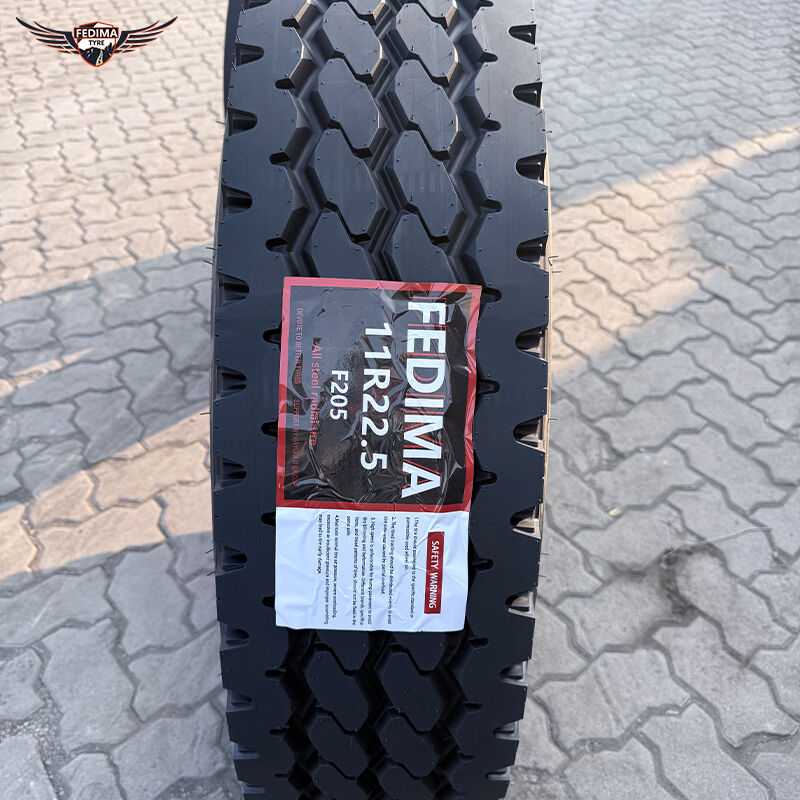
အတော်ရွေးချယ်ခြင်း ဘီယာထုတ်လုပ်သူ ယာဥ်အုပ်စုစီမံခန့်ခွဲမှူး (fleet manager) သို့မဟုတ် မှုခင်းစီမံခန့်ခွဲမှူး (logistics operator) တစ်ဦးအတွက် အရေးကြီးဆုံး ဝယ်ယူမှုဆုံးဖြတ်ချက်များထဲမှ တစ်ခုဖြစ်သည်။ လေးဘွဲ့ဈေးကွက်သည် အလွန်ကြီးမားပြီး စျေးနှုန်းသီးသန့်ကိုသာ ဖြည့်ဆည်းပေးသည့် လေးဘွဲ့နှင့် ရှည်လျားသောကာလအထိ တကယ့်တန်ဖိုးကို ပေးစေသည့် လေးဘွဲ့ကြားတွင် ကွာဟမှုများသည် အလွန်ကြီးမားနိုင်ပါသည်။ စျေးနှုန်းအပေါ်တွင်သာ ပြိုင်ဆိုင်သည့် လေးဘွဲ့ထုတ်လုပ်ရေးကုမ္ပဏီတစ်ခုနှင့် ဟန်ချက်ညီမှုရှိသည့် လေးဘွဲ့ထုတ်လုပ်ရေးကုမ္ပဏီတစ်ခုကို ခွဲခြားသိရှိနိုင်ခြင်းသည် ပိုမိုပါးန်းသော၊ ပိုမိုရေရှည်တည်တံ့သော ဝယ်ယူမှုများသို့ ရောက်ရှိရန် ပထမဆုံးအဆင်းဖြစ်သည်။
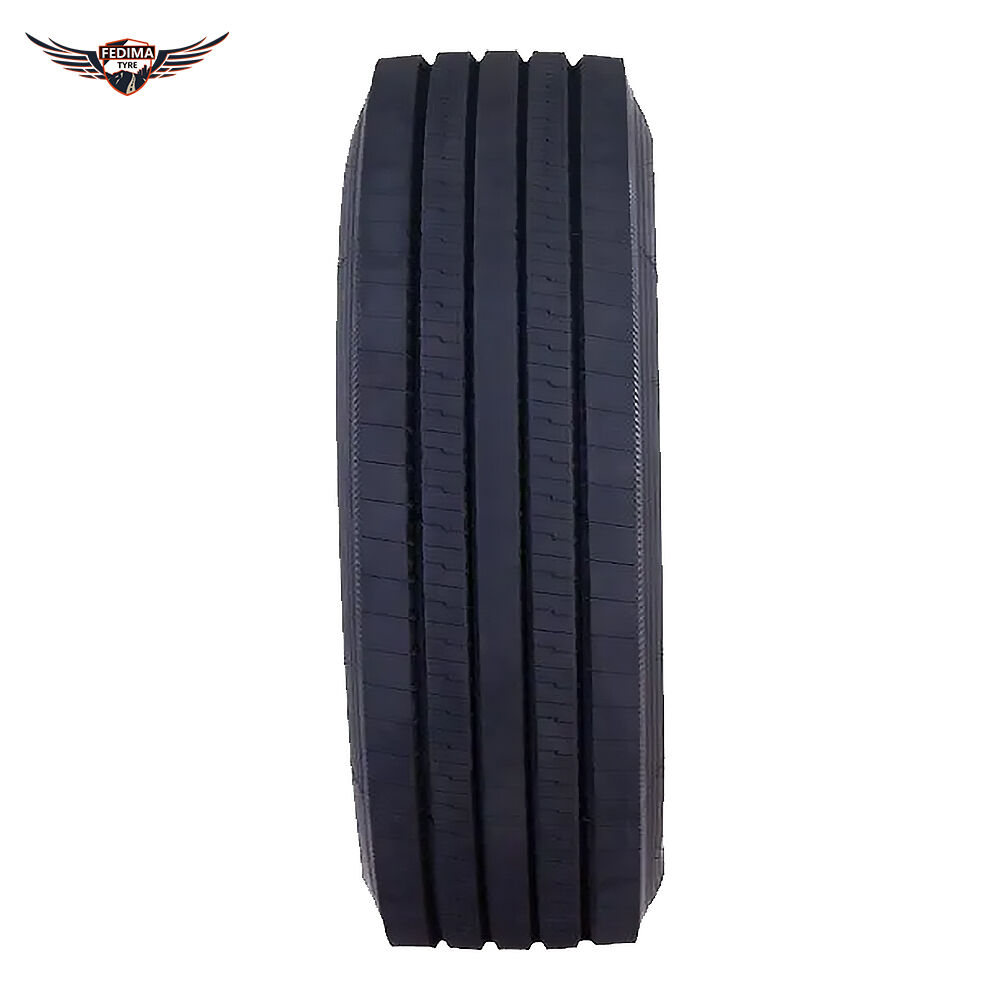
ဘယ်လေးဘွဲ့ထုတ်လုပ်သူက စျေးနှုန်းနှင့် အရည်အသွေးတို့၏ အကောင်းဆုံး ဟန်ချက်ညီမှုကို ပေးစွမ်းနိုင်သည်ဆိုသည့် မေးခွန်းသည် တစ်ခုတည်းသော ယေဘုယျအဖြေမရှိသော်လည်း အကဲဖြတ်ရန် စနစ်ကြီးမှုရှိပါသည်။ ကုန်စည်တင်ကုန်စည်သယ်ယူပို့ဆောင်ရေး၊ ခွဲထုတ်သယ်ယူပို့ဆောင်ရေးနှင့် အဝေးပို့ဆောင်ရေးတွင် ထိုဟန်ချက်ညီမှုအတွက် အချက်များသည် တူညီပါသည်- ပေါင်းစပ်မှု၏ ခံနိုင်ရည်၊ လှည့်ပတ်မှု ခုခံမှု ထိရောက်မှု၊ အလေးချိန်မှုကို ခံနိုင်ရည်ရှိမှုနှင့် လေးဘွဲ့၏ အပြည့်အဝ အသုံးပြုနေသည့် ကာလအတွင်း စုစုပေါင်း ပိုင်ဆိုင်မှုစုစုပေါင်းစုစုပေါင်းစုစုပေါင်းစုစုပေါင်းစုစုပေါင်းစုစုပေါင်းစုစုပေါင်းစုစုပေါင်းစုစုပေါင်းစုစုပေါင်းစုစုပေါင်းစုစုပေါင်းစုစုပေါင်းစုစုပေါင်းစုစုပေါင်းစုစုပေါင်းစုစုပေါင်းစုစုပေါင်းစုစုပေါင်းစုစုပေါင်းစုစုပေါင်းစုစုပေါင်းစုစုပေါင်းစုစုပေါင်းစုစုပေါင်းစုစုပေါင်းစုစုပေါင်းစုစုပေါင်းစုစုပေါင်းစုစုပေါင်းစုစုပေါင်းစုစုပေါင်းစ...... ဤဆောင်းပါးတွင် ထိုအချက်များအရ လေးဘွဲ့ထုတ်လုပ်သူကို အကဲဖြတ်ရန် အတိအကျ နည်းလမ်းများကို ဖော်ပြထားပါသည်။ ထို့ကြောင့် သင်သည် ယုံကြည်မှုရှိပြီး အကောင်းမွန်စွာ သတင်းအချက်အလက်များဖြင့် ဆုံးဖြတ်နိုင်မည်ဖြစ်ပါသည်။
လေးဘွဲ့ရွေးချယ်ရာတွင် 'ဟန်ချက်ညီမှု' ဟု ဆိုရာ၌ အမှန်တကယ် အဓိပ္ပာယ်ဖွင့်ဆိုခြင်း
စျေးနှုန်းသည် မှားယွင်းသော တိုင်းတာမှုဖြစ်သည်
စက်တင်ယာဉ်မောင်းများ၏ အများစုသည် စက်တင်ယာဉ်တစ်စီး၏ ဈေးနှုန်းကို အဓိကထား၍ စက်တင်ယာဉ်မောင်းများအား ဝယ်ယူကြသည်။ ဘတ်ဂျက် ဖိအားတွေကြောင့် ဒါဟာ နားလည်နိုင်ပေမဲ့ ရေရှည် ကုန်ကျစရိတ်တွေ မြင့်တက်လာစေပါတယ်။ ကုန်ကျစရိတ်နိမ့်မှုကြောင့်သာ ယှဉ်ပြိုင်နေသော ချောကလက်ထုတ်လုပ်သူသည် မကြာခဏဆိုသလို ပေါင်းစပ်ပစ္စည်း အရည်အသွေးကို လျှော့ချခြင်း၊ ပြေးစက်သက်တမ်းကို တိုစေခြင်း သို့မဟုတ် အကာအကွယ်ဆိုင်ရာ တည်ကြည်မှုအပေါ် အနားယူခြင်းဖြင့် ထိုနေရာကို ရရှိသည်။ အကျိုးဆက်အနေနဲ့ ပိုမိုများပြားတဲ့ အစားထိုးမှုတွေ၊ မကျန်းမာတဲ့ လှည့်ပတ်မှုကြောင့် ပိုမြင့်တဲ့ လောင်စာသုံးစွဲမှုတွေနဲ့ လမ်းဘေး ပျက်စီးမှု အန္တရာယ်တွေ တိုးလာပါတယ်။
တကယ့် ဟန်ချက်ညီမှုဆိုတာက ကျောပတ်တစ်စီးအတွက် ကုန်ကျစရိတ်ထက် တစ်ကီလိုမီတာအတွက် ကုန်ကျစရိတ်ကို အကဲဖြတ်ခြင်းပါ။ အချိုးမကျသော အပိုဆုကို တောင်းခံသော်လည်း ပြေးစက်သက်တမ်း သိသိသာသာ ပိုရှည်စေပြီး လောင်စာထိရောက်မှု ပိုကောင်းစေသော ချောမွေ့သော ချောမွေ့မှုရရှိစေသော ချောမွေ့မှုရရှိစေသော ချောမွေ့မှုရရှိစေသော ချောမွေ့မှုရရှိစေသော ချောမွေ့မှု ဒီအခြေခံသဘောတရားက မောင်းနှင်တဲ့ဝယ်ယူမှုတွေနဲ့ မောင်းနှင်တဲ့ဝယ်ယူမှုတွေကို ခွဲခြားပေးပါတယ်။
အတွေ့အကြုံရှိတဲ့ ကုန်ပစ္စည်းပို့ဆောင်ရေး လုပ်ငန်းရှင်တွေက ချောမွေ့တဲ့ ဒိုင်ယာထုတ်လုပ်သူရဲ့ ဒိုင်ယာပေါင်းစပ် သုတေသနနဲ့ အကာအကွယ် ဒီဇိုင်းမှာ ရင်းနှီးမြှုပ်နှံမှုက လုပ်ငန်းပိုင်း ချွေတာမှုအဖြစ် တိုက်ရိုက် ဘာသာပြန်တာကို နားလည်ပါတယ်။ ဘီးတစ်စီးဟာ ၃၀% ပိုကြာကြာခံနိုင်ပြီး လောင်စာသုံးစွဲမှုကို အနည်းငယ်တောင် လျှော့ချနိုင်ရင် ကားတစ်စီးရဲ့ ကားစုမှာ ကားဆယ်ချီ (သို့) ရာချီရှိတဲ့ ကားတွေအကြားမှာ ငွေကြေးသက်ရောက်မှုက သိသာလာပါတယ်။ ဈေးနဲ့ အရည်အသွေးဟာ ဆန့်ကျင်ဘက်တွေ မဟုတ်ပါဘူး၊ ကျွမ်းကျင်တဲ့ ဘီးထုတ်လုပ်သူဟာ အတူတူ အကောင်းဆုံး လုပ်နိုင်အောင် သင်ယူတဲ့ ကိန်းရှင်တွေပါ။
ယုံကြည်မှုရှိသော ဘီးထုတ်လုပ်သူကို သတ်မှတ်ပေးသော အရည်အသွေး ညွှန်ပြချက်များ
တေးယားထုတ်လုပ်သူ၏ အရည်အသွေးကို စိစိစီမှန်းသောအခါ အတိမ်းသော ညီမျှမှု၊ ကေးစင်းများကို ပြန်လည်ဖုံးအုပ်နိုင်မှုနှင့် မတူညီသော ဝန်အလေးချိန်များနှင့် လမ်းများတွင် စွမ်းဆောင်ရည်များသည် အတိမ်းသော ညီမျှမှုများဖြစ်သည်။ အရည်အသွေးမြင့် ရောဘာပေါင်းစပ်မှုများတွင် ရင်းနှီးမှုရှိသော တေးယားထုတ်လုပ်သူသည် မတေးမတေးဖြစ်မှုကို ခံနိုင်ရည်ရှိပြီး အလေးချိန်များအောက်တွင် ဖွဲ့စည်းပုံအား ထိန်းသိမ်းနိုင်သည့် တေးယားများကို ထုတ်လုပ်ပေးပါမည်။ ထို့အပြင် အပူချိန်အများအပြားတွင် စွမ်းဆောင်ရည်များကို ခန့်မှန်းနိုင်သည်။ ထိုသည်များသည် စျေးကွက်ရှာဖွေရေး အဆိုများမဟုတ်ပါ။ ထိုသည်များသည် အတိမ်းသော အဖြေများဖြစ်ပြီး ဖလီးတ်လုပ်သူများသည် ၎င်းတို့၏ ကိုယ်ပိုင် ပြုပြင်ထိန်းသောင်းမှတ်တမ်းများမှတစ်ဆင့် ခြေရာခံနိုင်ပါသည်။
ကေးစင်းများကို ပြန်လည်ဖုံးအုပ်နိုင်မှုသည် အရည်အသွေးကို အတိမ်းသော အချက်ပေးမှုတစ်ခုဖြစ်သည်။ ကေးစင်းများကို ပြန်လည်ဖုံးအုပ်နိုင်သည့် အကြိမ်အများအပြားကို ထောက်ပံ့နိုင်ရန် အားကောင်းသော ကေးစင်းများကို တည်ဆောက်သော တေးယားထုတ်လုပ်သူသည် စီမံကုန်ကုန်ကုန်သုံးစွဲမှုကုန်ကုန်ကုန်ကုန်ကုန်ကုန်ကုန်ကုန်ကုန်ကုန်ကုန်ကုန်ကုန်ကုန်ကုန်ကုန်ကုန်ကုန်ကုန်ကုန်ကုန်ကုန်ကုန်ကုန်ကုန်ကုန်ကုန်ကုန်ကုန်ကုန်ကုန်ကုန်ကုန်ကုန်ကုန်ကုန်ကုန်ကုန်ကုန်ကုန်ကုန်ကုန်ကုန်ကုန်ကုန်ကုန်ကုန်ကုန်ကုန်ကုန်ကုန်ကုန်ကုန်ကုန်ကုန်ကုန်ကုန်ကုန်ကုန်ကုန်ကုန်ကုန်ကုန်ကုန်ကုန်ကုန်ကုန်ကုန်ကုန်ကုန်ကုန်ကုန်ကုန်ကုန်ကုန်ကုန်ကုန်ကုန်ကုန်ကုန်ကုန်ကုန်ကုန်ကုန်ကုန်က......
လေဖိအား အညွန်းကိန်းများ၊ အမြန်နှုန်း အညွန်းကိန်းများနှင့် ECE စံချိန်များကဲ့သို့သော အပြည်ပြည်ဆိုင်ရာ စံချိန်များနှင့် ကိုက်ညီမှုများသည်လည်း အရေးကြီးသော စံချိန်များဖြစ်ပါသည်။ ယုံကြည်စိတ်ချရသော ဘောလုံးဖောင်းထုတ်လုပ်သူသည် ၎င်း၏ ထုတ်ကုန်အားလုံးတွင် ဤစံချိန်များကို အမြဲတမ်း ဖော်ထုတ်ပေးနိုင်ရမည်ဖြစ်ပါသည်။ ထုတ်ကုန်အားလုံးတွင် စံချိန်များကို အမြဲတမ်း ဖော်ထုတ်ပေးနိုင်ခြင်းသည် ထုတ်လုပ်မှု စနစ်ကြီးမှုနှင့် အရည်အသွေးထိန်းချုပ်မှု စနစ်ကြီးမှုကို ညွန်ပေးသည့် အထောက်အထားဖြစ်ပါသည်။
ဘောလုံးဖောင်းထုတ်လုပ်သူကို အကဲဖြတ်ရာတွင် အဓိကရွေးချယ်မှု စံနှုန်းများ
အသုံးပုံအလိုက် ဒီဇိုင်းနှင့် အင်ဂျင်နီယာပညာ
အရည်အသွေးမြင့် စီးပွားရေးသုံး ဘီယာတ်ထုတ်လုပ်သူတစ်ခု၏ အထင်ကြီးဖွယ်ရာ လက္ခဏာများထဲမှ တစ်ခုမှာ ၎င်း၏ အသုံးပုံအလိုက် ထုတ်ကုန်အများအပြားကို အသေးစိတ်ဖွံ့ဖြိုးတီထွင်ထားခြင်းဖဲ့ဖဲ့ထုတ်လုပ်သူများသည် ဘီယာတ်များကို တစ်မျှတည်းသော အရွယ်အစားဖြင့် ထုတ်လုပ်ခြင်းမရှိပါ။ အမြန်လမ်းများပေါ်တွင် အကွာအဝေးရှည်သော ကုန်တင်ကားများအတွက် ဒီဇိုင်းထုတ်ထားသော ဘီယာတ်များသည် မြို့ပြလမ်းများပေါ်တွင် အကွာအဝေးတိုသော ပို့ဆောင်ရေးယာဥ်များအတွက် အသုံးပြုသည့် ဘီယာတ်များနှင့် အခြေခံအားဖြင့် လိုအပ်ချက်များ ကွဲပြားပါသည်။ အသုံးပုံအလိုက် အထူးသော အမျှင်ပုံစံများ၊ ပေါင်းစပ်မှုများနှင့် ဖွဲ့စည်းပုံများကို ဖွံ့ဖြိုးတီထွင်ပေးသည့် ဘီယာတ်ထုတ်လုပ်သူများသည် ထုတ်လုပ်မှုတွင် ယေဘုယျအားဖြင့် လုပ်ဆောင်ခြင်းမဟုတ်ဘဲ အင်ဂျင်နီယာအများအပြား၏ စွမ်းရည်နှင့် စိတ်အားထက်သန်မှုကို ပြသပါသည်။
ထရေလာအသုံးပြုမှုအတွက် အထူးသဖြင့် ဆီစားနည်းကို အထူးပြုထားသော အနားများပါသည့် ဘောင်းဘောင်းများသည် အရေးပါသည့် အီနိုဗေးရှင်းတစ်ခုဖြစ်သည်။ ဘောင်းဘောင်း၏ မျက်နှာပြင်ပုံစံ၊ မျက်နှာပြင်ထိစပ်မှုဧရိယာ ဖ distribution နှင့် ပစ္စည်း၏ မာကြမ်းမှုတို့သည် ဘောင်းဘောင်း၏ လှည့်ပတ်မှု ခုခံမှုကို အကောင်းဆုံးဖော်ပေးပါသည်။ ဤနယ်ပယ်တွင် ရင်းနှီးမှုများ ထည့်သွင်းထားသည့် ဘောင်းဘောင်းထုတ်လုပ်သူသည် ဘောင်းဘောင်း၏ ဝယ်ယူစုစုပေါင်းစုစုပေါင်းကုန်ကုန်ကို အချိန်ကြာလေလေ အကောင်းဆုံးဖြစ်စေရန် တိက်တိက်ကွဲကွဲ တွက်ချက်နိုင်သည့် ဆီစားနည်းကို ပေးစေပါသည်။ ဤသည်မှာ ကောင်းမွန်စွာ ဟန်ချက်ညီသည့် ဘောင်းဘောင်းထုတ်လုပ်သူကို သတ်မှတ်ပေးသည့် အသုံးပြုမှုအလိုက် အင်ဂျင်နီယာလုပ်ငန်းများ၏ အများဆုံး ဥပမာဖြစ်ပါသည်။
မောင်းနောက်ဘောင်းဘောင်းများ၊ မောင်းနောက်ဘောင်းဘောင်းများနှင့် ထရေလာဘောင်းဘောင်းများသည် တစ်ခုစီစီတွင် စွမ်းဆောင်ရည်အများအပြားကို လိုအပ်ပါသည်။ အပြည့်အစုံဖြစ်ပြီး ကွဲပြားမှုရှိသည့် ဘောင်းဘောင်းအများအပြားကို ထုတ်လုပ်သည့် ကုမ္ပဏီသည် ၎င်း၏ အင်ဂျင်နီယာအဖွဲ့သည် ကုန်ပစ္စည်းပို့ဆောင်ရေးလုပ်ငန်းများ၏ လက်တွေ့အခြေအနေများကို နားလည်ကြောင်း ဖော်ပြပါသည်။ ဤသည်မှာ ထုတ်လုပ်မှုအရည်အသွေးနှင့် နည်းပညာအရ ယုံကြည်စိတ်ချရမှုကို အတိအကျဖော်ပေးသည့် အထောက်အထားဖြစ်ပါသည်။
စုစုပေါင်းပိုင်ဆိုင်မှုစုစုပေါင်းကုန်ကုန်သည် အမှန်တကယ်တိက်တိက်ကွဲကွဲ တိုင်းတာမှုဖြစ်သည်
စုစုပေါင်းပိုင်ဆိုင်မှုစရိတ် (TCO) သည် ကုန်စည်ပို့ဆောင်ရေးယာဥ်အုပ်စုများ၏ ပရော်ဖက်ရှင်နယ်စီမံခန့်ခွဲမှုအဖွဲ့များက ဘယ်လေးထုံးထုတ်လုပ်သူကိုမဆို တရားမျှမှုရှိစွာဖဲ့ခြမ်းစိတ်ဖြာရန်အတွက် အသုံးပြုသည့် အခြေခံကောင်စဥ်ဖြစ်သည်။ TCO တွင် အစပိုင်းဝယ်စရိတ်၊ ကြောင်းလေးမှုအကွာအဝေး (ကီလိုမီတာဖြင့်)၊ လေးထုံးအသုံးပြုမှုကြောင့် ဖော်စီးသည့် လေးထုံးအားဖော်စီးမှု၊ ထိန်းသိမ်းမှုလိုအပ်ချက်များနှင့် ပြန်လည်အသုံးပြုနိုင်သည့် လေးထုံးများ၏ စွမ်းရည်တို့ကို ထည့်သွင်းစဉ်းစားပါသည်။ ဤအချက်အလက်အားလုံးကို ထည့်သွင်းစဉ်းစားပါက လေးထုံးထုတ်လုပ်သူများ၏ တန်ဖိုးအလိုက် အဆင့်သတ်မှတ်မှုသည် ရိုးရှင်းသည့် စျေးနှုန်းနှိုင်းယှဉ်မှုနှင့် အလွန်ကွဲပြားနေတတ်ပါသည်။
TCO အကဲဖြတ်မှုတွင် အမြင့်မာဏရှိသည့် လေးထုံးထုတ်လုပ်သူများသည် အများအားဖြင့် လေးထုံးအသုံးပြုမှုကို ခုခံနိုင်သည့် ခိုင်မာသည့် ပစ္စည်းများ၊ လေးထုံးအသုံးပြုမှုကို လျှော့ချပေးသည့် လေးထုံးအားဖော်စီးမှုနိမ့်သည့် ဒီဇိုင်းများနှင့် ပြန်လည်အသုံးပြုနိုင်သည့် လေးထုံးများအတွက် ခိုင်မာသည့် လေးထုံးအစိတ်အပိုင်းများ ဟူသည့် အချက်သုံးခုကို ပေါင်းစပ်အသုံးပြုခြင်းဖြင့် အမြင့်မာဏရှိသည့် ရလဒ်ကို ရရှိလေ့ရှိပါသည်။ ဤအချက်အလက်များတို့သည် ကီလိုမီတာတစ်လုံးလျှင် စုစုပေါင်းစရိတ်ကို လျှော့ချပေးပါသည်။ ဤစုစုပေါင်းစရိတ်သည် ကုန်စည်ပို့ဆောင်ရေးယာဥ်အုပ်စုများ၏ စီမံခန့်ခွဲမှုလုပ်ငန်းများတွင် အရေးအကြီးဆုံး အချက်ဖြစ်ပါသည်။
TCO အခြေပြု ဝယ်ယူမှုကို အသုံးပြုသည့် ဖလီးတ် စီမံခန့်ခွဲသူများသည် ဤအခြေခံချက်အရ အလယ်အလတ်အဆင့်နှင့် အထူးပြုထုတ်လုပ်သူများသည် စျေးနောက်ကုန်ပစ္စည်းများနှင့် အဆင့်မြင့်ကုန်ပစ္စည်းများထက် ပိုမိုကောင်းမွန်စွာ အောင်မြင်ကြောင်း အများအားဖြင့် အစဥ်တစ်လျှောက် အစီရင်ခံကြသည်။ စျေးနှင့် အရည်အသွေး နှစ်ခုလုံး အမှန်တကယ် ပေါင်းစပ်နေသည့် အကောင်းဆုံးအချက်သည် အထူးသဖြင့် ဈေးကွက်အပိုင်းအစိတ်တွင် အာရုံစိုက်ပြီး ၎င်းတို့၏ ထုတ်ကုန်များ ထိုအပိုင်းအစိတ်အပဲအတွက် အထူးပြုထုတ်လုပ်မှုကို အာရုဏ်ထောက်သည့် ဘောင်ကြေးထုတ်လုပ်သူများသည် စျေးနောက်ကြောင်းအားလုံးတွင် တစ်ပါတည်း ပြိုင်ဆိုင်ရန် ကြိုးစားခြင်းမှ ရှောင်ကြဥ်ကြပါသည်။
အထူးပြုထုတ်လုပ်မှုသည် ဘောင်ကြေးထုတ်လုပ်သူ၏ စျေးနှင့် အရည်အသွေး ဟန်ချက်ညီမှုကို မည်သို့ပုံဖော်ပေးသည်ကို ရှင်းလင်းခြင်း
အထူးပြုထုတ်လုပ်မှု၏ အက advantage
ကုန်စည်သယ်ယူပို့ဆောင်ရေး ဘွိုင်အများအားဖြင့် အထူးသဖြင့် ရှည်လျားသော ကုန်ပစ္စည်းပို့ဆောင်ရေးအတွက် အသုံးပြုသည့် ချီးလေးဘွိုင်များကဲ့သို့သော ကုန်စည်သယ်ယူပို့ဆောင်ရေး ဘွိုင်ဈေးကွက်၏ သတ်မှတ်ထားသည့် အပိုင်းတွင် အထူးပြုထားသည့် ဘွိုင်ထုတ်လုပ်သူသည် ယေဘုယျထုတ်လုပ်သူထက် စျေးနှုန်း-အရည်အသွေး ဟန်ချက်ညီမှုကို ပိုမိုကောင်းမွန်စွာ ရရှိနိုင်ပါသည်။ အထူးပြုမှုသည် ဘွိုင်ထုတ်လုပ်သူအား ၎င်းတို့၏ သုတေသနနှင့် ဖွံ့ဖြိုးရေး ရင်းနှီးမှုများကို အာရုံစိုက်ရန်၊ အသုံးပြုမှုအများအားဖြင့် ကျုံ့သည့် အက်ပလီကေးရှင်းများအတွက် ထုတ်လုပ်မှုလုပ်ငန်းစဉ်များကို ပိုမိုကောင်းမွန်စွာ အသိပညာဖြင့် မွမ်းမူရန်နှင့် ၎င်းတို့၏ ဦးတည်ထားသည့် ဖောက်သည်များ၏ စွမ်းဆောင်ရည်လိုအပ်ချက်များတွင် နက်ရှိုင်းသည့် ကျွမ်းကျင်မှုကို တည်ဆောက်ရန် အခွင့်အရေးပေးပါသည်။
ဤအာရုံစိုက်မှုအခြေပြုသည့် ချဉ်းကပ်မှုသည် ယေဘုယျထုတ်ကုန်များထက် သတ်မှတ်ထားသည့် အသုံးပြုမှုအတွက် ပိုမိုကောင်းမွန်သည့် ဘွိုင်များကို အများအားဖြင့် ပိုမိုယေဘုယျကုန်ပစ္စည်းများကို ထုတ်လုပ်သည့် အဆင့်မြင့် ထုတ်လုပ်သူများထက် ပိုမိုယှဉ်ပေးနိုင်သည့် စျေးနှုန်းဖြင့် ထုတ်လုပ်ပေးနိုင်ပါသည်။ ဘွိုင်ထုတ်လုပ်သူသည် ထုတ်ကုန်အမျိုးအစား အများအပြားအတွက် အင်ဂျင်နီယာအရင်းအမြစ်များကို ပျံ့နှံ့စေရန် မလိုအပ်ပါသည်။ ထို့ကြောင့် ထုတ်ကုန်တန်းတစ်ခုချင်းစီအတွက် ပိုမိုများပြားသည့် အာရုံစိုက်မှုနှင့် ရင်းနှီးမှုများကို ပေးနိုင်ပါသည်။ ယာဥ်များသည် ပုံမှန်ဖြစ်ပြီး သတ်မှတ်ထားသည့် အခြေအနေများတွင် လုပ်ဆောင်သည့် အဖွဲ့အစည်းများအတွက် အထူးပြုထုတ်လုပ်သူသည် အများအားဖြင့် အကောင်းဆုံး အကောင်းဆုံး ရွေးချယ်မှုဖြစ်ပါသည်။
အထူးပြုမှုသည် ပိုမိုအားကောင်းသော ရောင်းဝယ်မှုနောက်ခံနှင့် နည်းပညာဆိုင်ရာ အသိပညာကိုလည်း ထုတ်ပေးတတ်သည်။ အသင်းတစ်ဖွဲ့က တိကျတဲ့ အသုံးအနှုန်းတစ်ခုနဲ့ နေထိုင်ပြီး အသက်ရှူတဲ့ ဘီးထုတ်လုပ်သူဟာ တပ်ဆင်မှု၊ ငွေကြေးဖောင်းပွမှု စီမံခန့်ခွဲမှု၊ အလှည့်အပြောင်း အစီအစဉ်တွေနဲ့ ပြန်လည်သုံးသပ်တဲ့ ဆုံးဖြတ်ချက်တွေနဲ့ ပတ်သက်ပြီး အကြံပေးဖို့ ပိုကောင်းမွန်တဲ့ နေရာမှာ ရှိပါလိမ့်မယ်။ ဒီနည်းပညာပိုင်း ပူးပေါင်းဆောင်ရွက်မှုက ဘီးကိုယ်၌ထက်ပိုတဲ့ တန်ဖိုးကို တိုးမြှင့်ပေးပြီး ကုန်ကျစရိတ်နဲ့ အရည်အသွေးဆိုင်ရာ ယေဘုယျ ညီမျှမှုအတွက် အဓိပ္ပါယ်ရှိရှိ ပါဝင်ပါတယ်။
အရည်အသွေးကို ခြားနားစေတဲ့ အချက်အဖြစ် လောင်စာ ထိရောက်မှု
လက်ရှိ စီးပွားရေး သယ်ယူပို့ဆောင်ရေး ပတ်ဝန်းကျင်မှာ လောင်စာ ထိရောက်မှုက ဒုတိယအဆင့် စဉ်းစားစရာ မဟုတ်ဘဲ အဓိက အရည်အသွေး သတ်မှတ်ချက်ပါ။ ၎င်း၏ trailer tire အမျိုးအစားတွင် အလျင်အမြန်မောင်းနှင်ရန်အားနည်းသောကျောပတ်မှုအား တည်ဆောက်ထားသော ချောကလက်စက်မှုထုတ်လုပ်သူသည် အဝေးပြေးကုန်ပစ္စည်းပို့ဆောင်မှုတွင် အကြီးမားဆုံး လုပ်ငန်းကုန်ကျစရိတ်တစ်ခုဖြစ်သော လောင်စာကုန်ကျစရိတ် လျှော့ချမှုသို့ တိုက်ရိုက်အကူအညီပေးနေသည်။ တိုင်းတာနိုင်တဲ့ လှည့်ပတ်မှု ခုခံမှု တိုးတက်မှုကို ပြသနိုင်စွမ်းဟာ တကယ့် အင်ဂျင်နီယာ အရည်အသွေးရဲ့ လက္ခဏာပါ။
ယူရိုပေါ်တွင် စက်ဘီးလေးများအတွက် အသုံးပြုသည့် စံသတ်မှတ်ချက်များအရ အခုအခါတွင် လှည့်နေသည့် ပုံစံအား ဖော်ပြရန် လိုအပ်ပါသည်။ ထိုသို့ဖော်ပြခြင်းဖြင့် စက်ဘီးထုတ်လုပ်သူများကို ဤအချက်အပေါ် စံသတ်မှတ်ထားသည့် နည်းလမ်းဖြင့် နှိုင်းယှဉ်နိုင်မည်ဖြစ်ပါသည်။ စက်ဘီးထုတ်လုပ်သူတစ်ခုသည် ၎င်း၏ ထုတ်ကုန်အားလုံးတွင် လှည့်နေသည့် ပုံစံအတွက် အမြင့်မားသည့် အဆင့်သတ်မှတ်ချက်များကို အမြဲတမ်း ရရှိနေပါက ထိုထုတ်လုပ်သူသည် အင်ဂျင်နီယာအဆင့်မှ ကျွမ်းကျင်မှုရှိကြောင်းနှင့် ၎င်း၏ ဖောက်သည်များ၏ လုပ်ဆောင်မှုစုစုပေါင်း စီးပွားရေးအတွက် အလေးထားမှုရှိကြောင်းကို ပြသနေခြင်းဖြစ်ပါသည်။ ဤသည်မှာ စီးပွားရေးအရ တန်ဖိုးရှိသည့် အရည်အသွေးအမှတ်အသားဖြစ်ပါသည်။
ခုံးတပ်စက်ဘီးများအတွက် စက်ဘီးထုတ်လုပ်သူကို အကဲဖြတ်ရာတွင် အမြန်လမ်းများတွင် အသုံးပြုရန် အထူးပြုထုတ်လုပ်ထားသည့် အမြှောင်ပုံစံ (rib tread design) နှင့် လှည့်နေသည့် ပုံစံအနိမ့်ဆုံးဖြစ်စေရန် ဖော်မြူလေးဖြင့် ပြုလုပ်ထားသည့် ပစ္စည်းများကို ပေါင်းစပ်အသုံးပြုခြင်းသည် စျေးနှုန်းနှင့် အရည်အသွေးအကြား ဟန်ချက်ညီမှုကို အကောင်အထည်ဖော်ခြင်း၏ အထင်ရှားဆုံး ဖော်ပြချက်ဖြစ်ပါသည်။ ဤဒီဇိုင်းရွေးချယ်မှုများသည် လေးစွမ်းအင်သုံးစွမ်းမှုကို လျော့နည်းစေပါသည်၊ အမြှောင်ပုံစံ၏ အသုံးပြုနိုင်သည့် ကာလကို ရှည်လျားစေပါသည်နှင့် အပူပိုများခြင်းကို အနည်းဆုံးဖြစ်စေပါသည်။ ဤအရာများအားလုံးသည် လုပ်ဆောင်မှုစုစုပေါင်း စုစုပေါင်းစုစုပေါင်းစုစုပေါင်းစုစုပေါင်းစုစုပေါင်းစုစုပေါင်းစုစုပေါင်းစုစုပေါင်းစုစုပေါင်းစုစုပေါင်းစုစုပေါင်းစုစုပေါင်းစုစုပေါင်းစုစုပေါင်းစုစုပေါင်းစုစုပေါင်းစုစုပေါင်းစုစုပေါင်းစုစုပေါင်းစုစုပေါင်းစုစုပေါင်းစုစုပေါင်းစုစုပေါင်းစုစုပေါင်းစုစုပေါင်းစုစုပေါင်းစုစုပေါင်းစုစုပေါင်းစုစုပေါင်းစုစုပေါင်းစုစုပေါင်းစုစုပေါင်းစုစ......
စက်ဘီးထုတ်လုပ်သူ၏ တန်ဖိုးအကြောင်းပြချက်ကို အကဲဖြတ်ရာတွင် လက်တွေ့ကျသည့် လမ်းညွှန်ချက်များ
ဖွဲ့စည်းထားသော စမ်းသပ်အကဲဖြတ်မှုကို လုပ်ဆောင်ခြင်း
ဘယ်လေးထုံးထုတ်လုပ်သူက အမှန်တကယ် စျေးနှုန်း-အရည်အသွေး ဟီးလ်မှုကို ပေးစေသည်ကို အကဲဖြတ်ရန် အတိုင်းအတာအများဆုံး ယုံကြည်စိတ်ချရသော နည်းလမ်းမှာ သင့်၏ ယာဥ်အုပ်စု၏ သတ်မှတ်ထားသော အစိတ်အပိုင်းတွင် ဖွဲ့စည်းထားသော စမ်းသပ်အကဲဖြတ်မှုကို လုပ်ဆောင်ခြင်းဖြစ်သည်။ ပုံမှန်အခြေအနေများတွင် လုပ်ဆောင်နေသော ယာဥ်များ၏ ကိုယ်စားပြုသော အုပ်စုတစ်ခုကို ရွေးချယ်ပါ၊ စမ်းသပ်အကဲဖြတ်မှုအတွက် ရွေးချယ်ထားသော လေးထုံးထုတ်လုပ်သူ၏ ထုတ်ကုန်များကို တပ်ဆင်ပါ၊ ထို့နောက် အဓိပ္ပာယ်ရှိသော အကွာအဝေး (ကောင်းမောင်းသည်မျှ ကီလိုမီတာ ၁၀၀,၀၀၀ သို့မဟုတ် ထိုထက်ပိုများသည်) အထိ စွမ်းဆောင်ရည်ကို စောင်းကြည့်ပါ။ အကဲဖြတ်မှုကာလအကုန်တွင် လေးထုံးများ၏ အမြှေးပေါ်မှ ပုံပေါ်လာသော ပုံစံများ၊ လေးထုံးများကို အသုံးပြုရာတွင် လေးထုံးများကို အသုံးပြုရာတွင် လေးထုံးများကို အသုံးပြုရာတွင် လေးထုံးများကို အသုံးပြုရာတွင် လေးထုံးများကို အသုံးပြုရာတွင် လေးထုံးများကို အသုံးပြုရာတွင် လေးထုံးများကို အသုံးပြုရာတွင် လေးထုံးများကို အသုံးပြုရာတွင် လေးထုံးများကို အသုံးပြုရာတွင် လေးထုံးများကို အသုံးပြုရာတွင် လေးထုံးများကို အသုံးပြုရာတွင် လေးထုံးမျာ......
သင်၏လက်ရှိစက်ဘီးဘောင်ထုတ်လုပ်သူ၏စွမ်းဆောင်ရည်အချက်အလက်များနှင့် ဤရလဒ်များကို အသုံးပြုသည့် TCO အခြေခံကုန်ကုန်စရိတ် ကောင်စီတစ်ခုဖြင့် နှိုင်းယှဉ်ပါ။ ဤနှိုင်းယှဉ်မှုတွင် ဝယ်ယူမှုစုစုပေါင်းစုန်းကုန်ကုန်စရိတ်သာမက ကီလိုမီတာလျှင် စုစုပေါင်းစုန်းကုန်စရိတ်အားလုံးကို ထည့်သွင်းစဉ်းစားရမည်။ ယူနစ်စုန်းကုန်စရိတ်များထက် များစွာများသော စုန်းကုန်စရိတ်ဖြင့် ကီလိုမီတာလျှင် စုစုပေါင်းစုန်းကုန်စရိတ်ကို လျော့နည်းစေနိုင်သည့် စက်ဘီးဘောင်ထုတ်လုပ်သူသည် ပိုမိုကောင်းမွန်သော တန်ဖိုးကို ပေးစေသည်။ ဤအချက်အလက်အခြေပြုချဉ်းကပ်မှုသည် အကြမ်းဖျင်းအမျှင်များကို ဖယ်ရှားပေးပြီး ပေးသွင်းသူများအတွက် ပေးသွင်းသူရွေးချယ်မှုများအတွက် ကာကွယ်နိုင်သည့် အချက်အလက်များကို ပေးစေသည်။
စမ်းသပ်အကဲဖြတ်မှုများသည် အထူးသဖြင့် သင်၏ အထူးသဖြင့် အလေးချိန်အမျိုးအစားများအောက်တွင် စက်ဘီးဘောင်များ မည်သို့ပုံပေါ်သည်၊ သင်၏ လမ်းကြောင်းများတွင် တွေ့ကြုံရသည့် အပူချိန်အတိုင်းအတာများတွင် စက်ဘီးဘောင်များ မည်သို့အလုပ်လုပ်သည်၊ သင်၏ ယာဉ်များသည် သွားလာသည့် လမ်းများပေါ်တွင် စက်ဘီးဘောင်များ၏ အပိုင်းအစများ မည်သို့ခံနိုင်ရည်ရှိသည် စသည့် အသေးစိတ်အချက်များကို အသေးစိတ်အချက်အလက်များမှသာ အကဲဖြတ်ရန် ခက်ခဲသည့် စွမ်းဆောင်ရည်အချက်များကို ဖော်ထုတ်ပေးသည်။ သူ၏ထုတ်ကုန်များ၏ စွမ်းဆောင်ရည်အပေါ် ယုံကြည်မှုရှိသည့် စက်ဘီးဘောင်ထုတ်လုပ်သူများသည် ပုံမှန်အားဖြင့် စမ်းသပ်အကဲဖြတ်မှုများကို အထောက်အပံ့ပေးပြီး အဆိုပါလုပ်ငန်းစဉ်အတွင်း နည်းပညာအကူအညီများကို ပေးစေသည်။
စက်ဘီးဘောင်ထုတ်လုပ်သူအား မှန်ကန်သောမေးခွန်းများကို မေးမှု
ကြေးနီပုံစံထုတ်လုပ်သူနှင့် ဆက်သွယ်စဉ်အခါ သင်မေးသည့်မေးခွန်းများသည် ၎င်းတို့၏အဖြေများနှင့်အတူ ၎င်းတို့၏အရည်အသွေးအပေါ် စိတ်အားထက်သန်မှုကို ထင်ဟပ်ပေးပါသည်။ သူတို့၏ ကွန်ပေါင်းဖွဲ့မှုဖွံ့ဖေါ်ရေးလုပ်ငန်းစဉ်နှင့် ဘယ်လိုနည်းဖြင့် လမ်းမျက်နှာပြင်အသုံးပြုမှုကာလအာမခံချက်များကို အတည်ပြုသည်ကို မေးပါ။ သူတို့၏ ကော်ပေါ်စ်ဒီဇိုင်းစံနှုန်းများနှင့် သူတို့၏ကော်ပေါ်စ်များကို ပြန်လည်အသုံးပြုရေးအတွက် မည်မျှကုန်ကုန်သုံးမှုကို အင်ဂျင်နီယာများက ဒီဇိုင်းထုတ်ထားသည်ကို မေးပါ။ လှည့်နေသော ပိုမိုနည်းပါးသော ပုံစံအတွက် စမ်းသပ်မှုအချက်အလက်များကို တောင်းပါ။ သူတို့၏ထုတ်ကုန်များသည် EU လေဘယ်လ်စံနှုန်းများနှင့် နှိုင်းယှဉ်ပါက ဘယ်လိုစွမ်းဆောင်ရည်ရှိသည်ကို မေးပါ။
အရည်အသွေးအမှန်တကယ်ရှိသည့် ကြေးနီပုံစံထုတ်လုပ်သူသည် ယေဘုယျအားဖြင့် စျေးကွက်ရှာဖွေရေးစကားလုံးများအစား သီးခြားသေးနက်သော အတည်ပြုနိုင်သည့် အချက်အလက်များဖြင့် ဤမေးခွန်းများကို အဖြေပေးပါလိမ့်မည်။ သူတို့သည် သူတို့၏ထုတ်ကုန်ဒီဇိုင်းများအတွက် အင်ဂျင်နီယာအများအားဖြင့် အကြောင်းပြချက်များကို ရှင်းပေးနိုင်ပါလိမ့်မည်။ အသုံးပြုသူများ သို့မဟုတ် အမှန်တကယ်အသုံးပြုမှုအတွက် စွမ်းဆောင်ရည်ကို ပြသနိုင်သည့် အမှုအရာများကို ပေးပါလိမ့်မည်။ မှုန်ဝါးသည့်အဖြေများ သို့မဟုတ် နည်းပါးသည့်စွမ်းရည်များကို ပေးနိုင်ခြင်းမရှိခြင်းသည် ကြေးနီပုံစံထုတ်လုပ်သူ၏ အရည်အသွေးအပေါ် အခိုအားပြုထားသည့် အဆိုများသည် အကောင်အထည်ဖော်နိုင်မည်မဟုတ်ကြောင်း သတိပေးသည့် လက္ခဏာများဖြစ်ပါသည်။
အထူးသဖြင့် အာမခံချက်အချက်အလက်များ၊ နည်းပညာအထောက်အပံ့ ရရှိနိုင်မှုနှင့် လုပ်ကွက်တွင် စီးပွားရေးဆိုင်ရာ စွမ်းဆောင်ရည်ပြဿနာများကို ဘယ်လိုကိုင်တွယ်ဖြေရှင်းပေးမည်ဆိုသည့် အချက်များကိုလည်း မေးမှုပါ ပါဝင်သင့်ပါသည်။ အာမခံချက်အတိအကျဖြင့် မိမိတို့၏ ထုတ်ကုန်များကို အားပေးပေးသည့် စီးပွားရေးလုပ်ငန်းများသည် မိမိတို့၏ ထုတ်လုပ်မှုအရည်အသွေးပေါ် ယုံကြည်မှုကို ပြသနေခြင်းဖြစ်ပါသည်။ ဤအရေးကြီးသည့် ရောင်းပြီးနောက် ဝန်ဆောင်မှုအရေးကြီးမှုသည် စုစုပေါင်းတန်ဖိုးအကဲဖြတ်မှု၏ အစိတ်အပိုင်းတစ်ခုဖြစ်ပြီး ရွေးချယ်မှုလုပ်ငန်းစဉ်တွင် လျစ်လျူရှုမှုမှုမှုမှုမှုမှုမှုမှုမှုမှုမှုမှုမှုမှုမှုမှုမှုမှုမှုမှုမှုမှုမှုမှုမှုမှုမှုမှုမှုမှုမှုမှုမှုမှုမှုမှုမှုမှုမှုမှုမှုမှုမှုမှုမှုမှုမှုမှုမှုမှုမှုမှုမှုမှုမှုမှုမှုမှုမှုမှုမှုမှုမှုမှုမှုမှုမှုမှုမှုမှုမှုမှုမှုမှုမှုမှုမှုမှုမှုမှုမှုမှုမှုမှုမှုမှုမှုမှုမှုမှုမှုမှုမှုမှုမှုမှုမှုမှုမှုမ......
မေးလေ့ရှိသောမေးခွန်းများ
စီးပွားရေးလုပ်ငန်းများကို စျေးနှုန်းနှင့် အရည်အသွေးတွင် နှိုင်းယှဉ်ရာတွင် အရေးအကြီးဆုံးသော အချက်မှာ အဘယ်နည်း။
စုစုပေါင်းပိုင်ဆိုင်မှုစုစုပေါင်းစုစုပေါင်းစုစုပေါင်းစုစုပေါင်းစုစုပေါင်းစုစုပေါင်းစုစုပေါင်းစုစုပေါင်းစုစုပေါင်းစုစုပေါင်းစုစုပေါင်းစုစုပေါင်းစုစုပေါင်းစုစုပေါင်းစုစုပေါင်းစုစုပေါင်းစုစုပေါင်းစုစုပေါင်းစုစုပေါင်းစုစုပေါင်းစုစုပေါင်းစုစုပေါင်းစုစုပေါင်းစုစုပေါင်းစုစုပေါင်းစုစုပေါင်းစုစုပေါင်းစုစုပေါင်းစုစုပေါင်းစုစုပေါင်းစုစုပေါင်းစုစုပေါင်း......
အထူးပြုထုတ်လုပ်သည့် ဘောင်ကြီးထုတ်လုပ်ရေးကုမ္ပဏီသည် တန်ဖိုးအရ ယေဘုယျထုတ်လုပ်သည့် ကုမ္ပဏီနှင့် မည်သို့ကွဲပါသနည်း။
အထူးပြုထုတ်လုပ်သည့် ဘောင်ကြီးထုတ်လုပ်ရေးကုမ္ပဏီသည် ၎င်း၏ အင်ဂျင်နီယာနှင့် ထုတ်လုပ်ရေးအရင်းအမြစ်များကို သတ်မှတ်ထားသည့် အသုံးချမှုအပိုင်းတွင် အာရုံစိုက်ပါသည်။ ထိုသို့သော အာရုံစိုက်မှုသည် အဆိုပါအပိုင်းတွင် ပိုမိုကောင်းမွန်သည့် စွမ်းဆောင်ရည်ကို ပိုမိုယှဉ်ပေးနိုင်သည့် စျေးနှုန်းဖြင့် ရရှိစေပါသည်။ ရေးရှိသည့် လုပ်ဆောင်မှုအခြေအနေများ (ဥပမါ- ရှည်လျားသည့် ခရီးသွား ကုန်တင်ကုန်သုံးယာဥ် မှုဝေးလံသည့် လုပ်ငန်းများ) ရှိသည့် ကုန်စည်သယ်ယူရေးလုပ်ငန်းများအတွက် အထူးပြုထုတ်လုပ်သည့် ဘောင်ကြီးထုတ်လုပ်ရေးကုမ္ပဏီသည် ထုတ်ကုန်အများအပြားကို ဖုံလေးနှင့် ဖုံလေး ထုတ်လုပ်သည့် ယေဘုယျထုတ်လုပ်ရေးကုမ္ပဏီထက် စျေးနှုန်းနှင့် အရည်အသွေး ဟီလ်မှုကို ပိုမိုကောင်းမွန်စေပါသည်။
ကုန်တင်ကုန်သုံးယာဥ်အတွက် ဘောင်ကြီးထုတ်လုပ်ရေးကုမ္ပဏီကို အကဲဖြတ်ရာတွင် လှည့်ပတ်မှုခုခံအား (Rolling Resistance) သည် အဘယ့်ကြောင့် အရေးကြီးပါသနည်း။
လှည့်နေသော ပိုမိုမှန်ကန်သော ခုခံမှုသည် အထူးသဖြင့် စီးပွားရေးလုပ်ငန်းများတွင် အသုံးအနှုန်းများဆုံး လုပ်ငန်းလုပ်ဆောင်မှုစရိတ်များထဲမှ တစ်ခုဖြစ်သည့် လောင်စာသုံးစွဲမှုကို တိုက်ရိုက်အကျိုးသက်ရောက်မှုရှိပါသည်။ ယင်းလှည့်နေသော ပိုမိုမှန်ကန်သော ခုခံမှုကို သူတို့၏ ခေါင်းမောင်းထောင်သော ဘီယာတ်များ (trailer tyre) အတွက် အင်ဂျင်နီယာပုံစံဖော်မှုဖြင့် ဖန်တီးထားသည့် ဘီယာတ်ထုတ်လုပ်သူသည် အချိန်ကြာလာသည်နှင့်အမျှ ဘီယာတ်ဝယ်ယူမှုစရိတ်ကို လောင်စာချွေတာမှုအဖြစ် အတိအကျတွက်ချက်နိုင်သည့် အကျိုးကျေးနှုံးများကို ပေးဆောင်နေပါသည်။ EU ဘီယာတ်မှတ်ပုံတောင်းစည်းမျဉ်းများသည် လှည့်နေသော ပိုမိုမှန်ကန်သော ခုခံမှုအတွက် စံသတ်မှတ်ထားသည့် အဆင့်သတ်မှတ်ချက်များကို ပေးဆောင်ပါသည်။ ထို့ကြောင့် ဘီယာတ်ထုတ်လုပ်သူများကို ဤအချက်အပေါ်တွင် နှိုင်းယှဉ်စစ်ဆေးရှာဖွေရှာဖွေရှာဖွေရှာဖွေရှာဖွေရှာဖွေရှာဖွေရှာဖွေရှာဖွေရှာဖွေရှာဖွေရှာဖွေရှာဖွေရှာဖွေရှာဖွေရှာဖွေရှာဖွေရှာဖွေရှာဖွေရှာဖွေရှာဖွေရှာဖွေရှာဖွေရှာဖွေရှာဖွေရှာဖွေရှာဖွေရှာဖွေရှာဖွေရှာဖွေရှာဖွေရှာဖွေရှာဖွေရှာဖွေရှာဖွေရှာဖွေရှာဖွေရှာဖွေရှာဖွေရှာဖွေရှာဖွေရှာဖွေရှာဖွေရှာဖွေရှာဖွေရှာဖွေရှာဖွေရှာဖွေရှာဖွေရှာဖွေရှ...... နှိုင်းယှဉ်စစ်ဆေးရှာဖွေရှာဖွေရှာဖွေရှာဖွေရှာဖွေရှာဖွေရှာဖွေရှာဖွေရှာဖွေရှာဖွေရှာဖွေရှာဖွေရှာဖွေရှာဖွေရှာဖွေရှာဖွေရှာဖွေရှာဖွေရှာဖွေရှာဖွေရှာဖွေရှာဖွေရှာဖွေရှာဖွေရှာဖွေရှာဖွေရှာဖွေရှာဖွေရှာဖွေရှာဖွေရှာဖွေရှာဖွေရှာဖွေရှာဖွေရှာဖွေရှာဖွေရှာဖွေရှာဖွေရှာဖွေရှာဖွေရှာဖွေရှာဖွေရှာဖွေရှာဖွေရှာဖွေရှာဖွေရှာဖွေရှာဖွေရှာဖွေရှာဖွေရ...... လောင်စာစရိတ်အပေါ် သက်ရောက်မှုကို အတိအကျတွက်ချက်နိုင်ပါသည်။
ကြီးမားသည့် ဝယ်ယူမှုကို ဆောင်ရွက်မှုမှီအထိ ဘီယာတ်ထုတ်လုပ်သူ၏ အရည်အသွေးဆိုင်ရာ အဆိုအမိန့်များကို အတည်ပြုရန် ကျွန်ုပ်သည် မည်သည့်နည်းဖြင့် စစ်ဆေးနိုင်ပါသနည်း။
အသေအချာဆုံး စစ်ဆေးရေးနည်းက သင့်ရေယာဉ်စုရဲ့ ကိုယ်စားပြု အစိတ်အပိုင်းတစ်ခုမှာ တည်ဆောက်ထားတဲ့ စမ်းသပ်မှု အကဲဖြတ်မှုဖြစ်ပြီး အဓိပ္ပါယ်ရှိတဲ့ အကွာအဝေးတစ်ခုမှာ ပြေးစက်အဝတ်အစား၊ လောင်စာသုံးစွဲမှုနဲ့ အကာအကွယ် အခြေအနေကို ခြေရာခံတာပါ။ ထို့အပြင် စက်ဘီးထုတ်လုပ်သူထံမှ နည်းပညာဆိုင်ရာ စာရွက်စာတမ်းများ၊ လှည့်ပတ်မှု ခုခံမှု စမ်းသပ်မှု အချက်အလက်များနှင့် လက်တွေ့ဘဝ စွမ်းဆောင်ရည်ကို ပြောနိုင်သော ဖောက်သည်များကို ရည်ညွှန်းရန် တောင်းဆိုပါ။ ၎င်း၏ထုတ်ကုန်အရည်အသွေးကို ယုံကြည်သော ချောမွေ့သော ချောမွေ့သော ချောမွေ့မှုနှင့်အတူ ချောမွေ့သော ချောမွေ့မှုရှိသည်။
အကြောင်းအရာများ
- လေးဘွဲ့ရွေးချယ်ရာတွင် 'ဟန်ချက်ညီမှု' ဟု ဆိုရာ၌ အမှန်တကယ် အဓိပ္ပာယ်ဖွင့်ဆိုခြင်း
- ဘောလုံးဖောင်းထုတ်လုပ်သူကို အကဲဖြတ်ရာတွင် အဓိကရွေးချယ်မှု စံနှုန်းများ
- အထူးပြုထုတ်လုပ်မှုသည် ဘောင်ကြေးထုတ်လုပ်သူ၏ စျေးနှင့် အရည်အသွေး ဟန်ချက်ညီမှုကို မည်သို့ပုံဖော်ပေးသည်ကို ရှင်းလင်းခြင်း
- စက်ဘီးထုတ်လုပ်သူ၏ တန်ဖိုးအကြောင်းပြချက်ကို အကဲဖြတ်ရာတွင် လက်တွေ့ကျသည့် လမ်းညွှန်ချက်များ
-
မေးလေ့ရှိသောမေးခွန်းများ
- စီးပွားရေးလုပ်ငန်းများကို စျေးနှုန်းနှင့် အရည်အသွေးတွင် နှိုင်းယှဉ်ရာတွင် အရေးအကြီးဆုံးသော အချက်မှာ အဘယ်နည်း။
- အထူးပြုထုတ်လုပ်သည့် ဘောင်ကြီးထုတ်လုပ်ရေးကုမ္ပဏီသည် တန်ဖိုးအရ ယေဘုယျထုတ်လုပ်သည့် ကုမ္ပဏီနှင့် မည်သို့ကွဲပါသနည်း။
- ကုန်တင်ကုန်သုံးယာဥ်အတွက် ဘောင်ကြီးထုတ်လုပ်ရေးကုမ္ပဏီကို အကဲဖြတ်ရာတွင် လှည့်ပတ်မှုခုခံအား (Rolling Resistance) သည် အဘယ့်ကြောင့် အရေးကြီးပါသနည်း။
- ကြီးမားသည့် ဝယ်ယူမှုကို ဆောင်ရွက်မှုမှီအထိ ဘီယာတ်ထုတ်လုပ်သူ၏ အရည်အသွေးဆိုင်ရာ အဆိုအမိန့်များကို အတည်ပြုရန် ကျွန်ုပ်သည် မည်သည့်နည်းဖြင့် စစ်ဆေးနိုင်ပါသနည်း။