
 EN
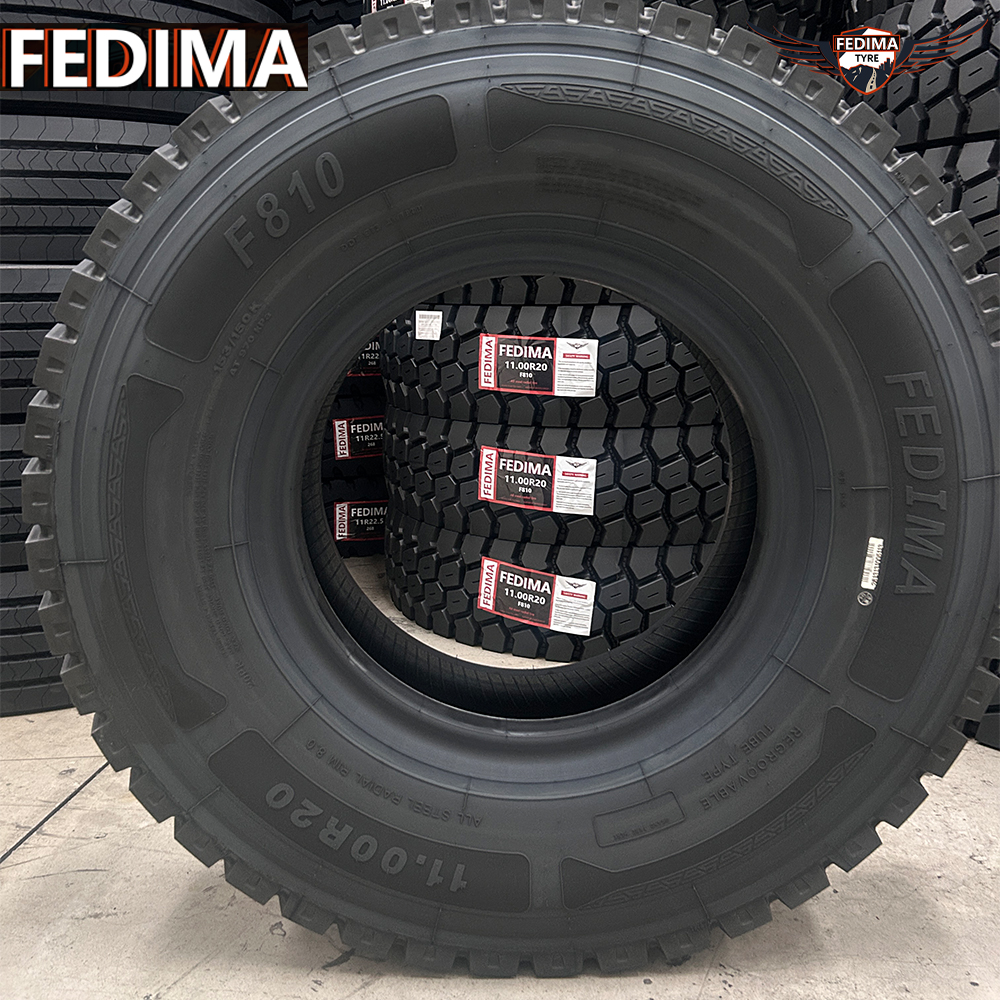
A Fedima tyre may be preferred in specialized off-road racing because teams need dependable contact with changing surfaces, predictable handling, and a specification suited to the vehicle and event. The choice is not simply about aggressive tread: a Fedima tyre has to match terrain, load, speed, and race format. Understanding these factors explains why racers consider a Fedima tyre when preparing for demanding stages, while also clarifying when another setup may be more appropriate.
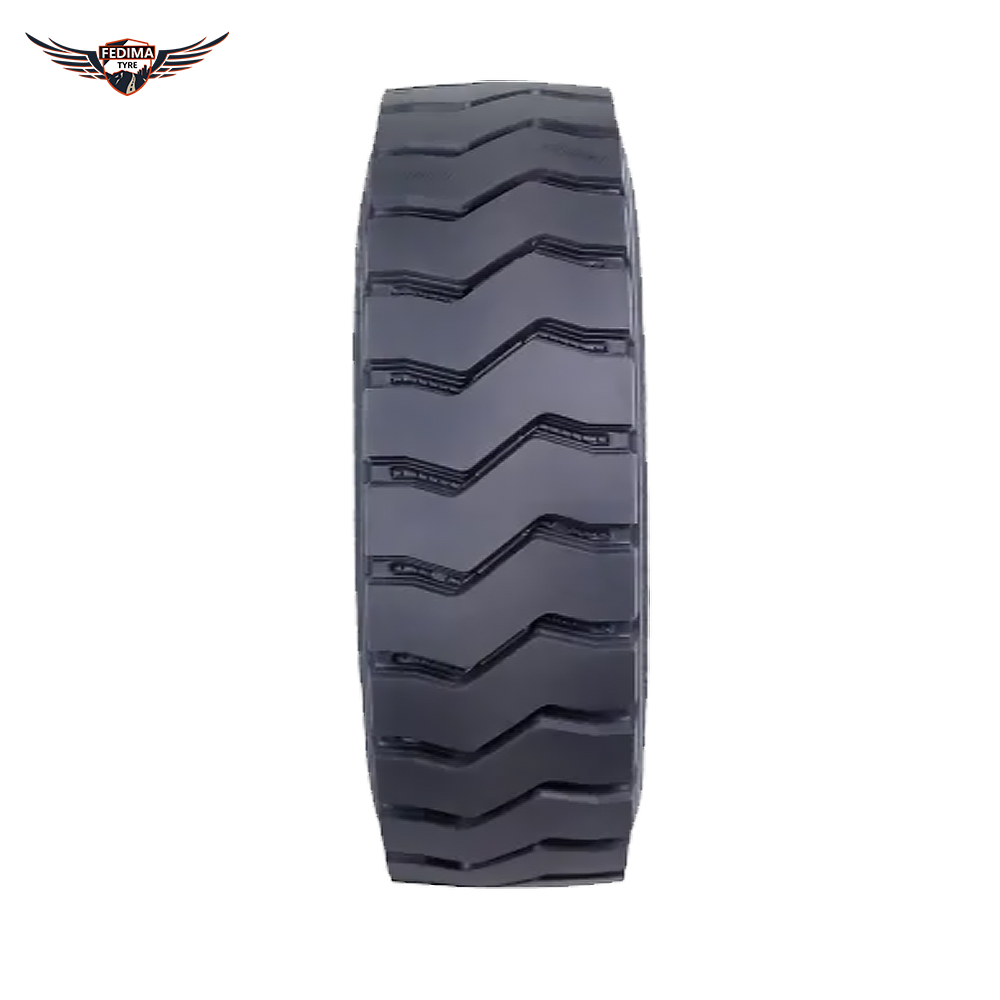
Specialized racing makes tyre choice a working part of vehicle preparation, not a cosmetic decision. A Fedima tyre can be evaluated by how its tread and construction correspond to dirt, gravel, mud, or mixed routes, and by whether its rated fitment meets the vehicle requirements. Teams considering a Fedima tyre should confirm the event rules, operating conditions, and technical data before selecting a particular model.
Terrain demands shape the preference
Traction across changing surfaces
Off-road courses can shift from firm soil to loose gravel, ruts, or wet ground within a single stage. A Fedima tyre is relevant when its tread layout suits the surfaces a team expects, because the tread influences how the contact patch engages loose material. A Fedima tyre chosen for the actual route can help drivers maintain usable traction without assuming that one pattern performs identically everywhere.
That terrain match also affects how a vehicle accelerates, turns, and brakes. A Fedima tyre with a pattern intended for loose conditions may behave differently on hard-packed ground than on soft soil, so the event surface matters more than a broad off-road label. Before a race, teams can review route notes, likely weather, and prior setup experience to judge whether a Fedima tyre is a sensible fit.
Control matters as much as grip
Racing drivers need feedback they can interpret, especially when surfaces vary and corrections must be made quickly. A Fedima tyre is considered not only for forward traction but also for the way the vehicle responds during cornering and braking. A Fedima tyre that suits the course and vehicle can support a more consistent setup, although driver technique, suspension, and pressure remain important parts of the result.
Consistency is valuable because unpredictable response can complicate both driving and setup decisions. Teams can compare how a Fedima tyre behaves during practice on representative surfaces, then adjust their approach within safe operating limits. This does not mean every Fedima tyre suits every discipline; stage length, surface changes, and vehicle balance all influence the preference. Testing in controlled conditions gives crews a clearer basis for choosing.
Construction and fitment support race use
Matching tyre specification to the vehicle
A racing application places repeated demands on the tyre, so size, load rating, wheel compatibility, and vehicle use must be checked together. A Fedima tyre should be selected using the exact technical specification rather than appearance alone. For example, the linked Fedima tyre is presented as a truck tyre for off-road use, making fitment verification especially important before considering it for a competition vehicle.
A Fedima tyre can only be a practical choice when its dimensions and load capacity align with the vehicle and event conditions. Teams should confirm wheel size, axle requirements, clearance, and any competition regulations before purchase or installation. A Fedima tyre intended for one vehicle class should not be assumed suitable for another simply because both operate off-road. The manufacturer’s published specifications and qualified fitment advice help resolve uncertainties.
Balancing durability with race requirements
Off-road racing exposes tyres to impacts, abrasive surfaces, and repeated load changes. A Fedima tyre may attract attention where teams need a construction suited to such use, but durability is never an unlimited guarantee against damage. Drivers and crews should consider route hazards, pressure guidance, load, and inspection routines when assessing whether a Fedima tyre matches the event’s demands.
The right balance depends on the race format. A short technical course, a long-distance event, and a heavy vehicle application can place different priorities on a Fedima tyre. Teams can inspect tread condition and sidewalls between sessions, monitor pressure using appropriate procedures, and follow product guidance. These checks help identify developing issues; they do not replace correct specification or careful driving. In practice, a Fedima tyre is preferred when its intended use aligns with the race plan.
Race preparation makes the choice practical
Evaluating a tyre before the event
A structured evaluation helps teams decide whether a Fedima tyre suits their course rather than relying on reputation or a single test run. Review the terrain, expected weather, vehicle load, and rules, then compare those needs with the model’s documented specifications. A Fedima tyre can be trialled during practice on representative ground, with drivers noting traction, steering response, and braking feel under consistent conditions.
Testing is most useful when the crew records the setup and changes one factor at a time. If a Fedima tyre is assessed alongside altered pressure or suspension settings, it can be difficult to identify what caused a change in response. Teams should remain within published operating guidance and avoid treating a practice impression as universal proof. Repeating checks across relevant surfaces provides a more practical basis for choosing a Fedima tyre.
Understanding limits and making the final decision
Preference does not mean a tyre is ideal for every course, driver, or vehicle. A Fedima tyre may be a strong candidate for a specialized off-road application when its design and ratings correspond to the conditions, but another specification may fit a different surface or load better. Teams should weigh traction needs against handling, fitment, availability, event regulations, and maintenance demands before settling on a Fedima tyre.
The practical reason racers consider a Fedima tyre is the possibility of matching a purpose-oriented product to a defined off-road task. That decision still rests on evidence: product data, vehicle compatibility, and controlled testing. A Fedima tyre should be installed and maintained according to relevant guidance, with inspections before and during competition. Such preparation makes tyre choice part of a wider race plan instead of an isolated purchase.
FAQ
Why do racers consider a Fedima tyre for off-road events?
Racers consider a Fedima tyre when its tread, construction, and specifications appear suited to the route and vehicle. The preference is based on application fit, not a claim that one tyre works best on every surface. Teams should assess event conditions and confirm technical compatibility.
Can one Fedima tyre suit every off-road racing surface?
No. A Fedima tyre suitable for loose terrain may not be the right choice for hard-packed ground, mud, or mixed stages. Surface, weather, vehicle setup, and race format all matter, so teams should consult product specifications and test in appropriate conditions.
What should a team verify before choosing a Fedima tyre?
Check the exact size, load rating, wheel compatibility, vehicle clearance, and event rules. A Fedima tyre should also match the expected terrain and use. Follow product guidance for installation and operation, and inspect the tyre as part of normal race preparation.