
 EN
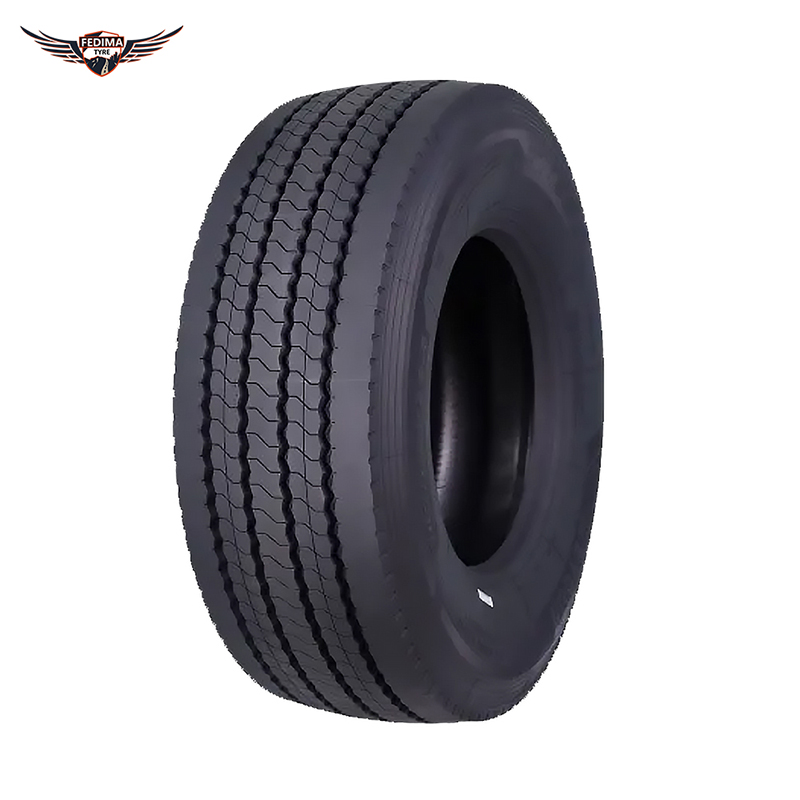
Working directly with a Tire manufacturer can make a custom order easier to define, review, and manage. Instead of passing requirements through several parties, your team can discuss intended use, dimensions, load needs, and operating conditions with the people responsible for production. That direct exchange helps clarify what can be customized, what must remain standard, and what information is needed before an order moves forward.

For fleet operators, distributors, and equipment businesses, the value is practical rather than abstract. A Tire manufacturer can help translate a particular vehicle or route requirement into a workable specification, while your team can assess the implications before committing. Direct contact does not remove the need for clear documentation or technical checks; it gives both sides a more reliable path to align expectations for a custom order.
Direct communication improves order definition
Requirements reach the technical source
Custom work begins with details: vehicle type, axle position, dimensions, expected loads, road surfaces, speed, and operating temperatures. A Tire manufacturer can discuss which details affect the design and which are simply preferences. That conversation helps buyers avoid submitting an incomplete brief, and lets the Tire manufacturer identify questions early instead of discovering gaps after commercial terms or production planning have advanced.
When the people discussing the order understand production constraints, the exchange can be more precise. A Tire manufacturer may explain how a requested feature interacts with the intended application, or whether an existing construction is a closer fit. Buyers can then compare the request against actual operating needs. This is more useful than assuming every desired change is feasible, and it gives the Tire manufacturer a clear basis for evaluating options.
Clarifications are easier to document
Several handoffs can create room for specifications to be summarized incorrectly or interpreted differently. Working with a Tire manufacturer creates a direct channel for confirming terminology, drawings, tolerances, and approval responsibilities. The buyer should still record decisions in a controlled specification, but direct review helps both sides notice omissions. A Tire manufacturer can confirm whether the document reflects the discussion before it becomes the reference for the order.
This clarity matters when purchasing, engineering, and operations have different priorities. Procurement may focus on delivery and cost, while maintenance teams emphasize fitment and service conditions. A Tire manufacturer can respond to a shared brief, and the buyer can bring questions from each function into the same review. Direct communication does not guarantee agreement, but it makes unresolved points visible while there is still time to address them.
Customization becomes more controlled
Feasibility can be assessed against use
A custom request should begin with the problem it is meant to solve, not with an assumed design change. Explain the operating pattern, vehicle configuration, load profile, and conditions that create the need. A Tire manufacturer can use that context to assess potential approaches and identify limits. The Tire manufacturer can also distinguish a requirement essential for safe, suitable use from a preference that may add complexity without clear operational value.
For example, a fleet seeking a particular tread or construction should describe route surfaces, turning patterns, and maintenance observations rather than request a feature in isolation. A Tire manufacturer can review whether the requested direction fits the application and what further information is required. Buyers can also examine available product specifications, such as this Tire manufacturer product reference, as a starting point for a focused discussion.
Approvals and change control stay visible
Custom orders benefit from defined review stages. The buyer and Tire manufacturer can agree what must be approved, who signs off, and which document version controls. Samples, drawings, or technical data may be relevant depending on the order, but their role should be established before work proceeds. When revisions occur, the Tire manufacturer and buyer should record what changed and whether the revision affects timing, cost, or application suitability.
This process protects both sides from informal changes becoming assumed commitments. A Tire manufacturer can explain which requested adjustments require renewed technical review, while the buyer can prevent outdated information from circulating internally. The result is not simply more paperwork; it is a traceable decision path. For a business ordering tires for a specific fleet or piece of equipment, that traceability supports receiving checks and future repeat orders.
Commercial planning and long-term support
Lead times and order quantities can be discussed early
Custom production may involve planning considerations that differ from a standard replenishment order. A direct conversation with a Tire manufacturer allows the buyer to ask about expected timing, minimum quantities, forecast needs, and the information required to schedule work. These points should be confirmed for the specific order rather than assumed. A Tire manufacturer can explain dependencies so the purchasing team can plan around realistic milestones.
Forecast sharing can also help a business assess whether a custom specification is operationally sustainable. If demand varies by season or location, the buyer can explain that pattern and ask how it affects planning. A Tire manufacturer may not be able to accommodate every requested schedule, but early discussion can reveal trade-offs before a purchase order is finalized. That gives the buyer a chance to align stock policy, delivery expectations, and internal approvals.
Direct relationships support repeatability
A well-documented first order creates a stronger basis for later procurement. The buyer can retain the approved specification, application notes, and change history, then refer to them when discussing replenishment with the Tire manufacturer. This reduces reliance on memory and helps new team members understand why particular requirements were selected. The Tire manufacturer can respond more effectively when the buyer provides the current, approved information rather than an old informal description.
Direct access can also make post-order questions more focused. If a fitment concern or performance observation arises, the buyer can share relevant operating details and ask the Tire manufacturer what information is needed for review. Any conclusions should be based on evidence and applicable technical guidance, not assumptions. This feedback loop can inform future specifications, while keeping responsibility for inspection, maintenance, and safe operation with the appropriate parties.
FAQ
Does direct ordering mean every tire feature can be customized?
No. A Tire manufacturer can assess a request, but feasibility depends on the product, application, technical constraints, and order conditions. Provide clear operating details and ask which elements are available for customization. Confirm approved specifications in writing before placing the order.
What information should buyers prepare before contacting a Tire manufacturer?
Share vehicle and axle details, tire dimensions, load and speed requirements, operating surfaces, climate conditions, order volume, and the issue the custom request should address. A Tire manufacturer can then identify missing information and guide the technical discussion.
Is working directly with a Tire manufacturer useful for a small custom order?
It can be useful when application fit or specification clarity is important, even if the order is small. Ask the Tire manufacturer about minimum quantities, feasibility, timing, and documentation early. Those details help determine whether a custom order suits the business need.