
 EN

For aggressive traction, look for a tread pattern that can bite into loose ground, clear packed material, and remain stable under the vehicle’s working load. A Fedima tyre should be chosen by matching its tread geometry to the actual route, not by judging how rugged it looks. The strongest pattern for mud may not be the most dependable choice on rock, gravel, or mixed surfaces.
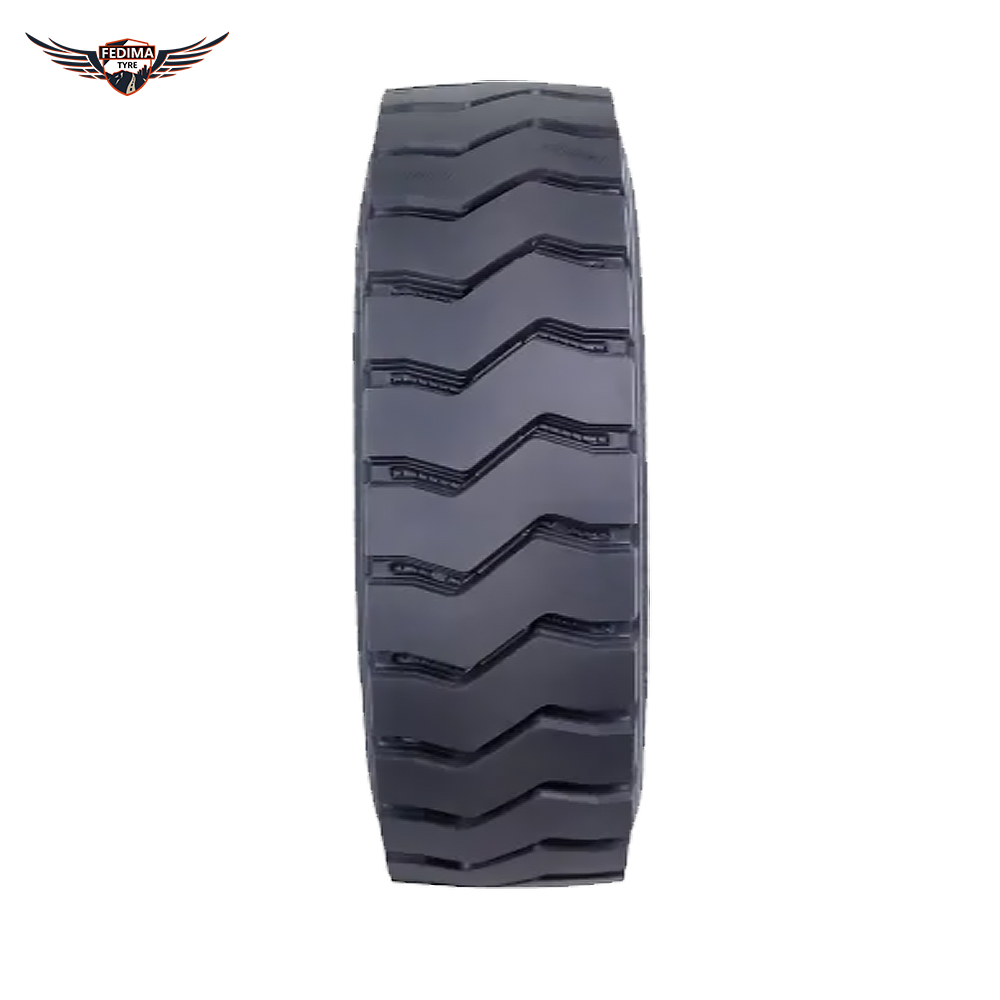
In practical terms, prioritize open lugs and substantial voids when soft terrain is the main challenge, then assess shoulder coverage and block support for uneven ground. A Fedima tyre pattern earns consideration when its layout matches the conditions and operating demands. Reviewing the tread alongside the vehicle’s axle, load, speed, and route helps distinguish useful aggression from a pattern that simply appears severe.
How tread patterns create aggressive traction
Open lugs for loose and muddy ground
Large, separated tread blocks can press into soft ground and provide edges that help the vehicle move forward. For a Fedima tyre used in mud, the spaces between lugs matter as much as the blocks themselves. Wider voids can give displaced soil somewhere to go, while closely packed elements may hold material and reduce the tread’s effective bite.
Look for a Fedima tyre with a clearly open center and substantial block edges if routes commonly include churned earth, wet access roads, or soft shoulders. That configuration can suit conditions where forward grip depends on engaging loose material. Still, mud depth, soil consistency, vehicle momentum, and operating technique affect results; an aggressive pattern cannot compensate for unsuitable pressure or poor route planning.
Shoulder lugs for uneven surfaces
A pattern that extends prominent blocks toward the shoulders can offer additional edges when a wheel encounters ruts, sloped ground, or loose material at the side of the track. When evaluating a Fedima tyre, inspect whether the shoulder elements appear connected and supported by the tread layout. Their shape and spacing help indicate how the design is intended to engage irregular terrain.
For a Fedima tyre operating on broken trails, shoulder coverage may matter more than an especially dense center pattern. The outer tread can come into contact with terrain as the wheel crosses a rut or uneven edge, but the tire still needs suitable sidewall protection and correct fitment. Consider the whole construction and vehicle requirements instead of assuming shoulder lugs alone guarantee reliable traction.
Which pattern fits the working terrain
Deep mud and soft soil
On consistently soft ground, choose a Fedima tyre pattern with open spacing and pronounced lugs that can reach into the surface. The design should provide room for mud to move away from contact areas as the wheel rotates. A tread that looks aggressive but has narrow, crowded channels may be less suitable when sticky soil fills the spaces and stays there.
Before selecting a Fedima tyre for muddy routes, consider how often the vehicle must travel on firmer roads between off-road sections. Very open patterns may produce a different ride and wear behavior on hard surfaces than a more balanced design. Match the tread to the proportion of work spent in mud, and confirm that the size and load rating meet the vehicle’s specifications.
Rock, gravel, and mixed routes
Rocky tracks call for a considered balance between biting edges and stable tread blocks. A Fedima tyre intended for mixed terrain should have a layout that can engage gravel without making every block feel unsupported on hard, uneven surfaces. Examine the gaps, block shapes, and shoulder arrangement, then compare them with the surfaces and obstacles encountered during normal operations.
For a mixed-route vehicle, a Fedima tyre should not be selected solely for its deepest-looking voids. The truck may need predictable contact on compacted access roads as well as grip on loose sections. Assess the route’s dominant surface, the frequency of transitions, and the consequences of reduced mobility. A balanced tread can be more appropriate than a specialized mud pattern when conditions change throughout a shift.
Selection checks before choosing a pattern
Match tread aggression to vehicle demands
Confirm the required tire size, load capacity, inflation guidance, and intended axle position before comparing tread patterns. A Fedima tyre must suit the vehicle and its operating load, not just the ground beneath it. Consult vehicle documentation and product specifications, particularly for commercial trucks that carry variable loads or travel on public roads between work areas.
A pattern’s visual aggression does not establish that a Fedima tyre is appropriate for every truck or duty cycle. Check the product information for intended application and construction details, then consider operating speed and distance. For example, the Fedima tyre F831 listing identifies an off-road truck application; verify its specifications against the vehicle before making a fitment decision.
Use route evidence to make the final choice
Review the route rather than relying on a general label such as off-road. A Fedima tyre for a muddy worksite may need different tread characteristics from one used on gravel service roads or rocky access tracks. Note where vehicles lose momentum, where material packs into grooves, and whether traction problems occur on the center tread or at the shoulders.
Use those observations to compare suitable patterns and discuss fitment with a qualified tire professional. A Fedima tyre choice should also account for maintenance practices, expected mileage, and the cost of downtime. After installation, monitor tread wear and operating performance under representative conditions. Reassess if routes, payloads, or seasonal ground conditions change, rather than assuming one pattern remains ideal indefinitely.
FAQ
Which tread style is most aggressive in mud?
An open, lugged pattern with generous voids is generally a strong starting point for soft, muddy ground. Choose a Fedima tyre by checking whether the spacing can release soil and whether the size and load rating fit the truck. No tread guarantees traction in every mud condition, so consider surface depth, vehicle setup, and operating practice as well.
Are aggressive patterns suitable for mixed road use?
They can be suitable when off-road traction is important, but the right balance depends on how much time the vehicle spends on firm roads. Compare a Fedima tyre’s intended application and product details with the route, speed, and load. A highly open tread may not be the best fit for a duty cycle dominated by paved or compacted surfaces.
What should be checked before selecting a pattern?
Confirm size, load requirements, vehicle fitment, and intended operating conditions first. Then compare how each Fedima tyre pattern handles the route’s main surfaces, including mud, gravel, or rock. Use product documentation and qualified advice to validate the choice, and review performance after installation so the pattern remains appropriate as work conditions change.