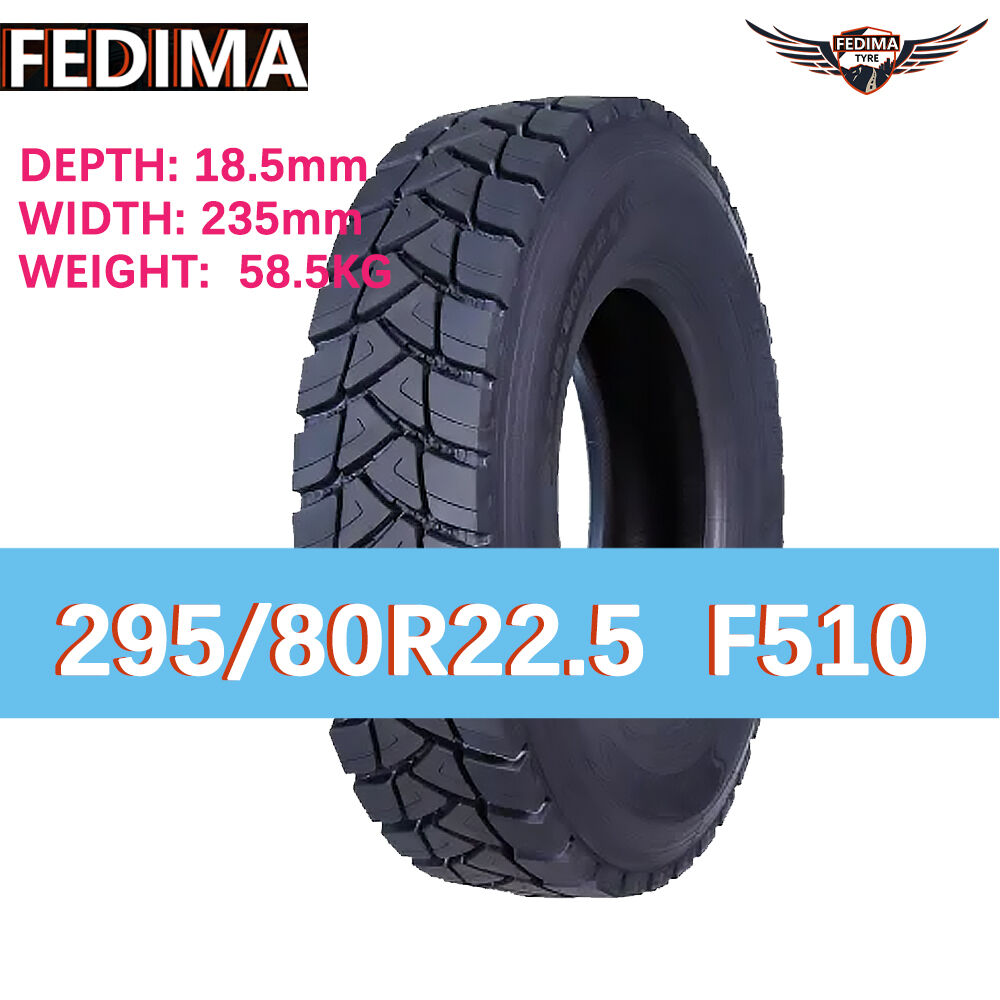
tbr tyre factory
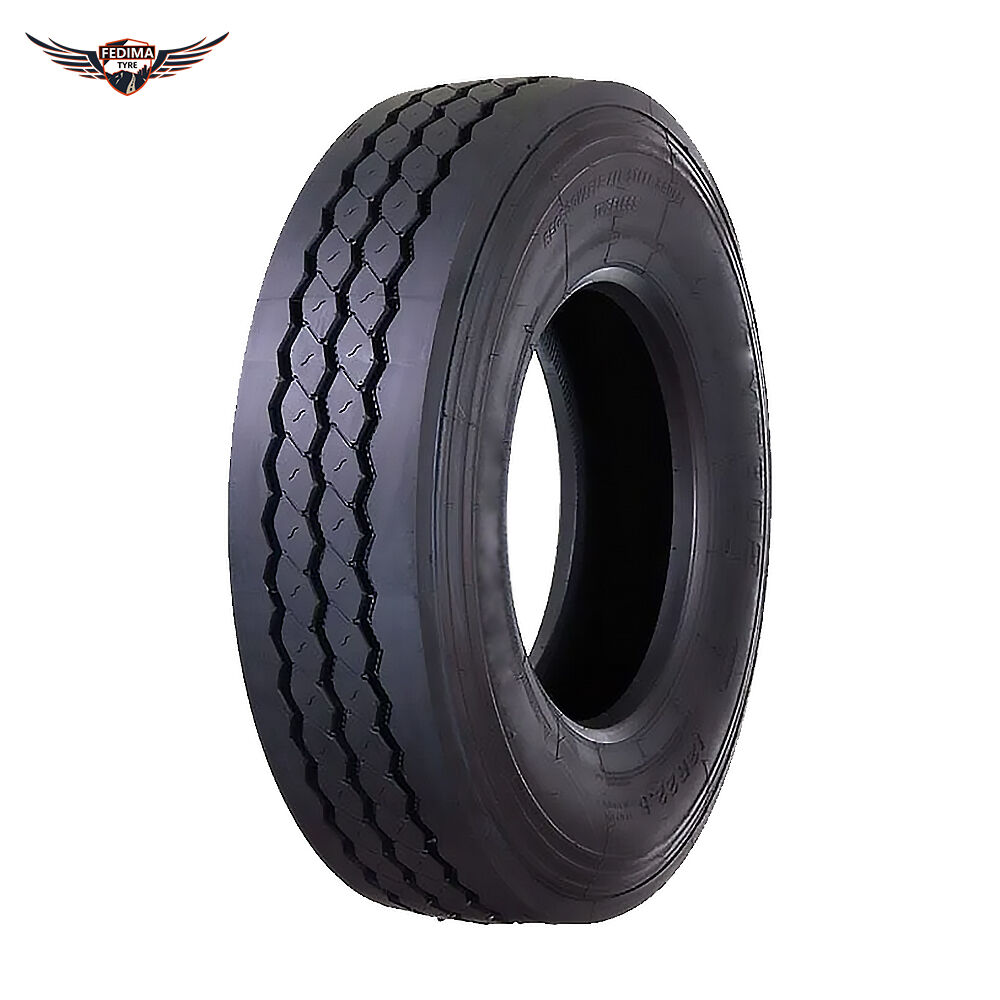
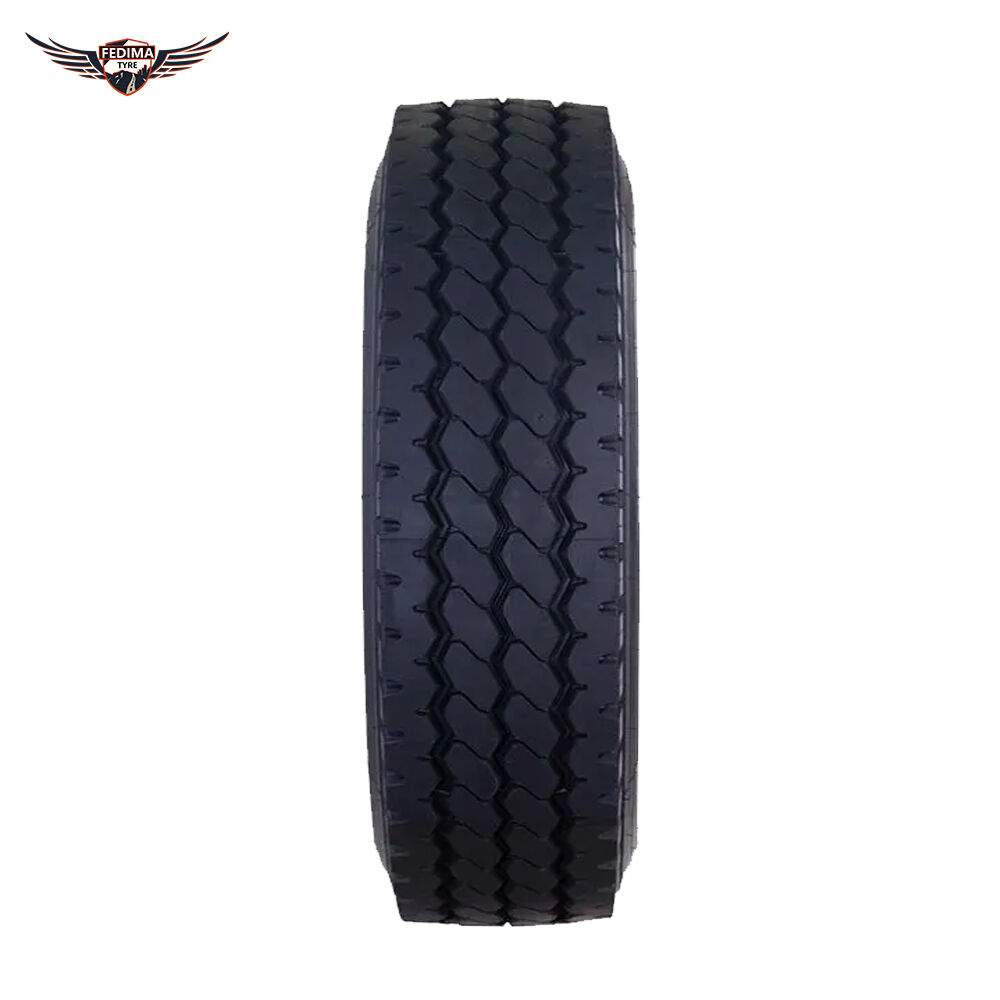
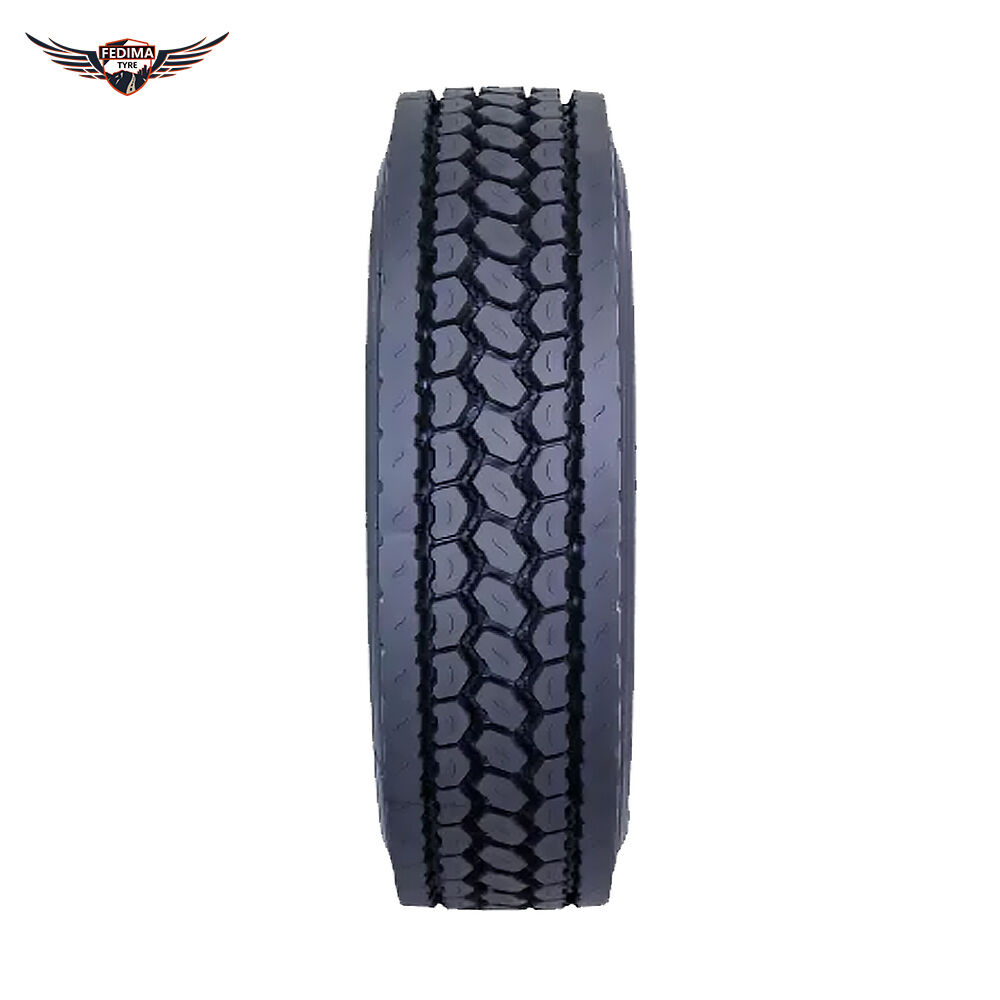
A TBR tyre factory represents the pinnacle of modern tire manufacturing, specializing in the production of Truck and Bus Radial tyres that meet the demanding requirements of commercial transportation. This sophisticated manufacturing facility combines cutting-edge technology with precision engineering to create durable, high-performance tyres designed specifically for heavy-duty vehicles. The TBR tyre factory operates as a comprehensive production ecosystem, encompassing every stage from raw material processing to final quality inspection. The facility houses advanced mixing chambers where rubber compounds are precisely formulated, ensuring optimal performance characteristics for different road conditions and vehicle applications. State-of-the-art building machines construct the tyre structure layer by layer, incorporating steel belts and fabric reinforcements that provide exceptional strength and longevity. The manufacturing process utilizes computerized control systems that monitor temperature, pressure, and timing throughout production, guaranteeing consistent quality across every tyre produced. Modern TBR tyre factories employ automated material handling systems that streamline production flow while minimizing human error and contamination risks. The curing department features large-scale vulcanization presses that transform raw tyre components into finished products through precisely controlled heat and pressure application. Quality assurance laboratories within the TBR tyre factory conduct rigorous testing protocols, including uniformity measurements, endurance trials, and safety assessments that exceed international standards. The facility typically incorporates environmental protection systems, including waste heat recovery, water treatment plants, and emission control technologies that reduce environmental impact. Production capacity varies based on facility size, with modern TBR tyre factories capable of manufacturing thousands of tyres daily across multiple size ranges and tread patterns. These facilities serve diverse markets including freight transportation, public transit systems, construction equipment, and agricultural machinery, making them essential components of the global transportation infrastructure supply chain.

 EN
EN