truck winter tires
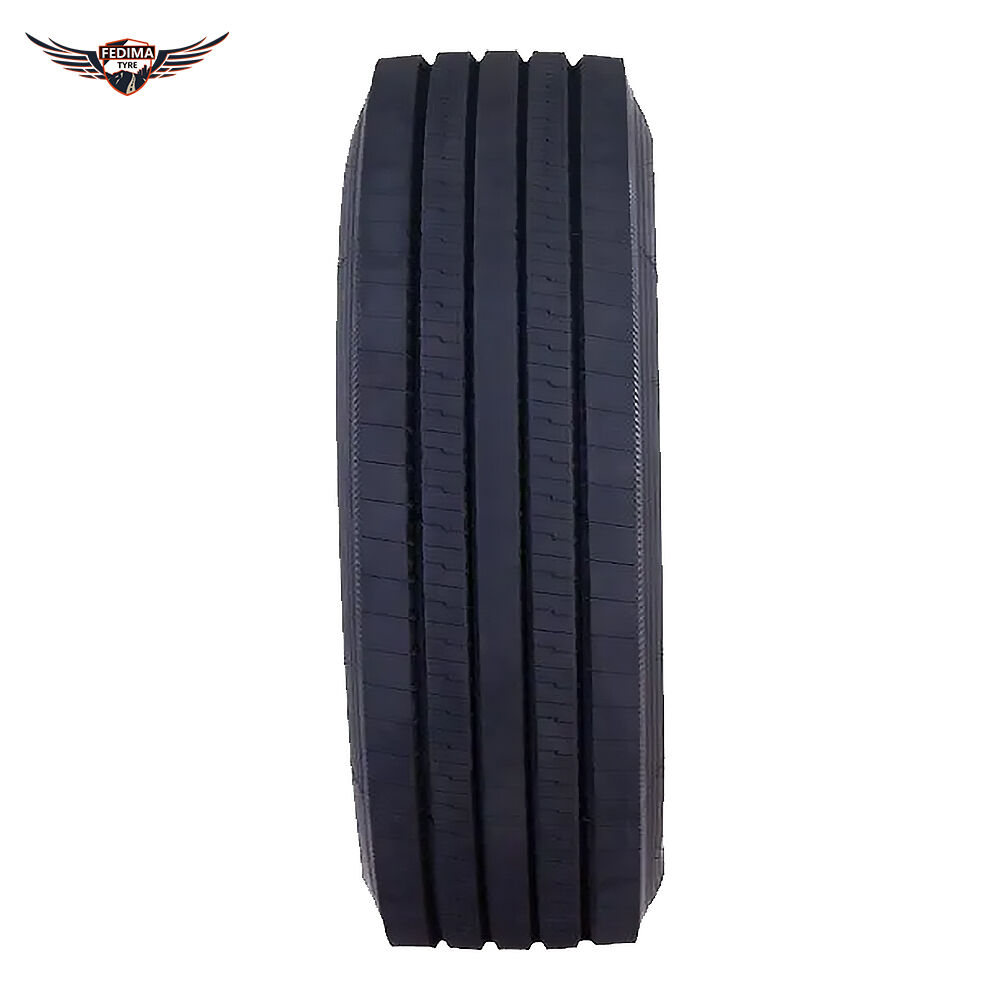
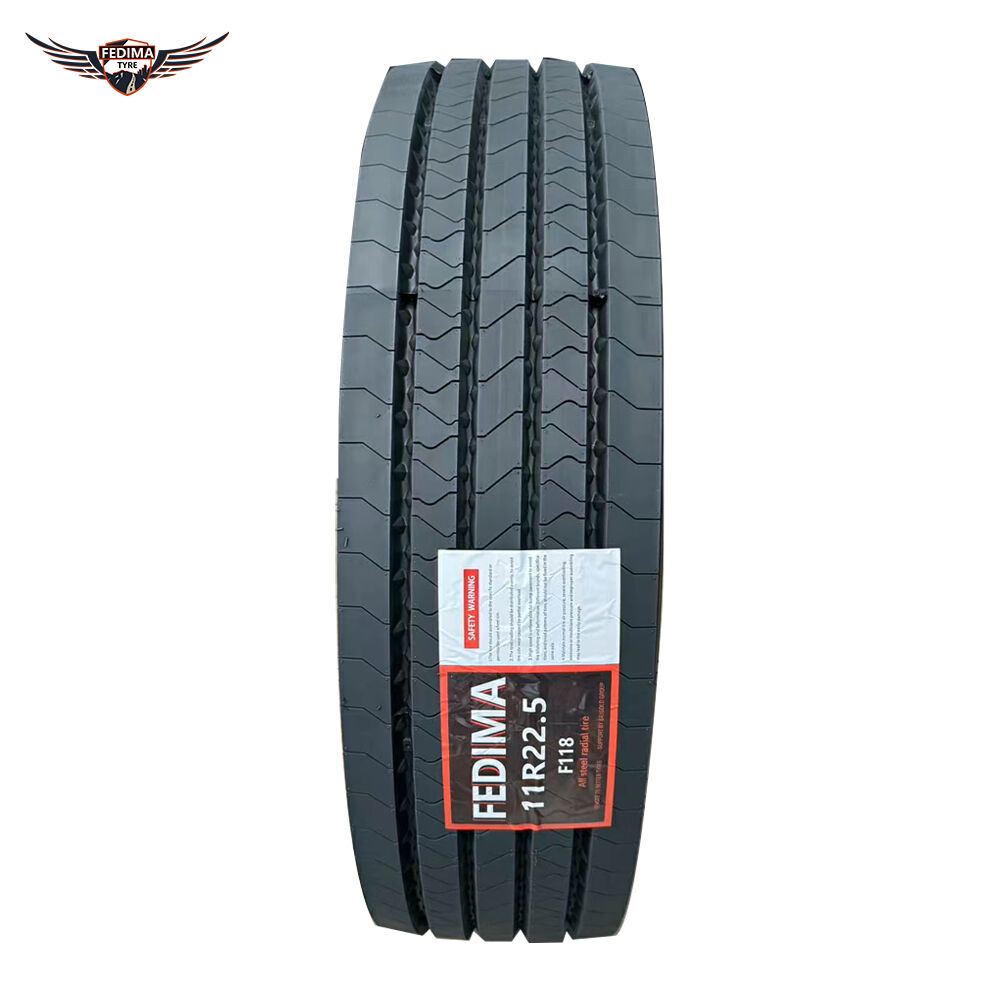
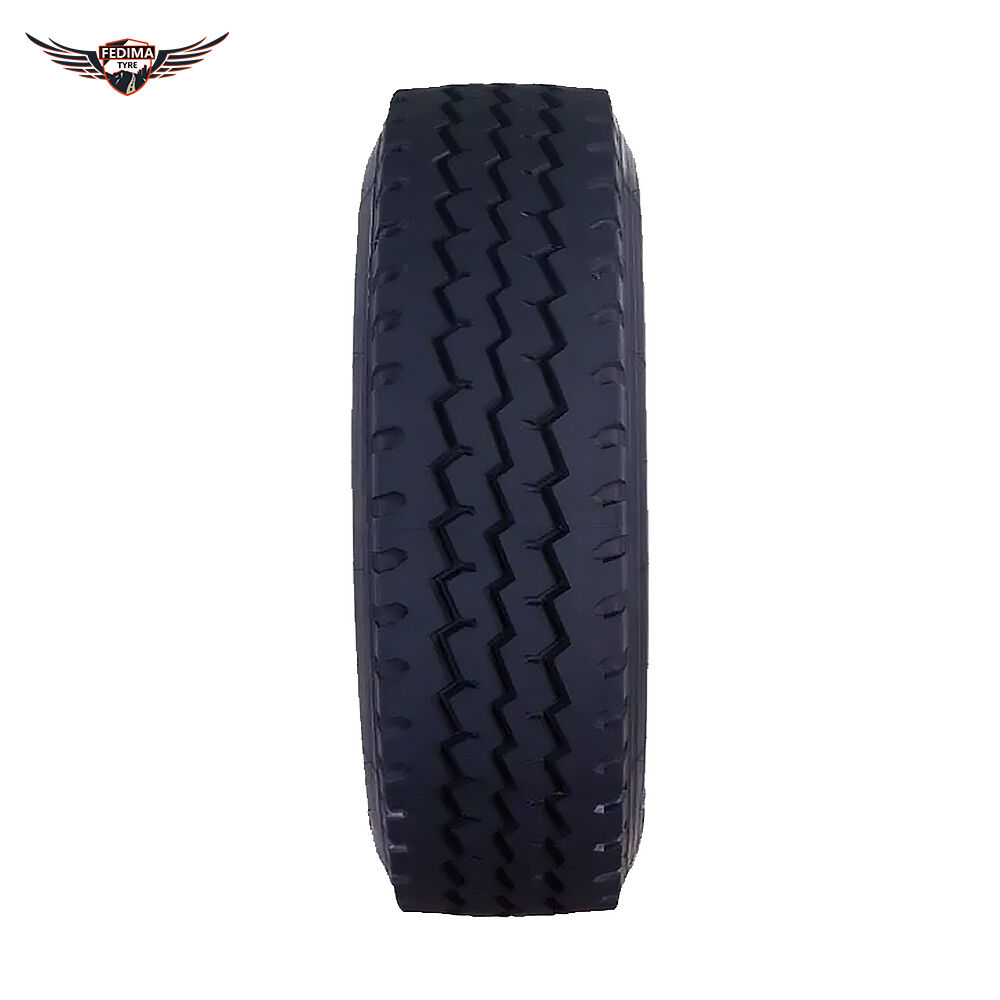
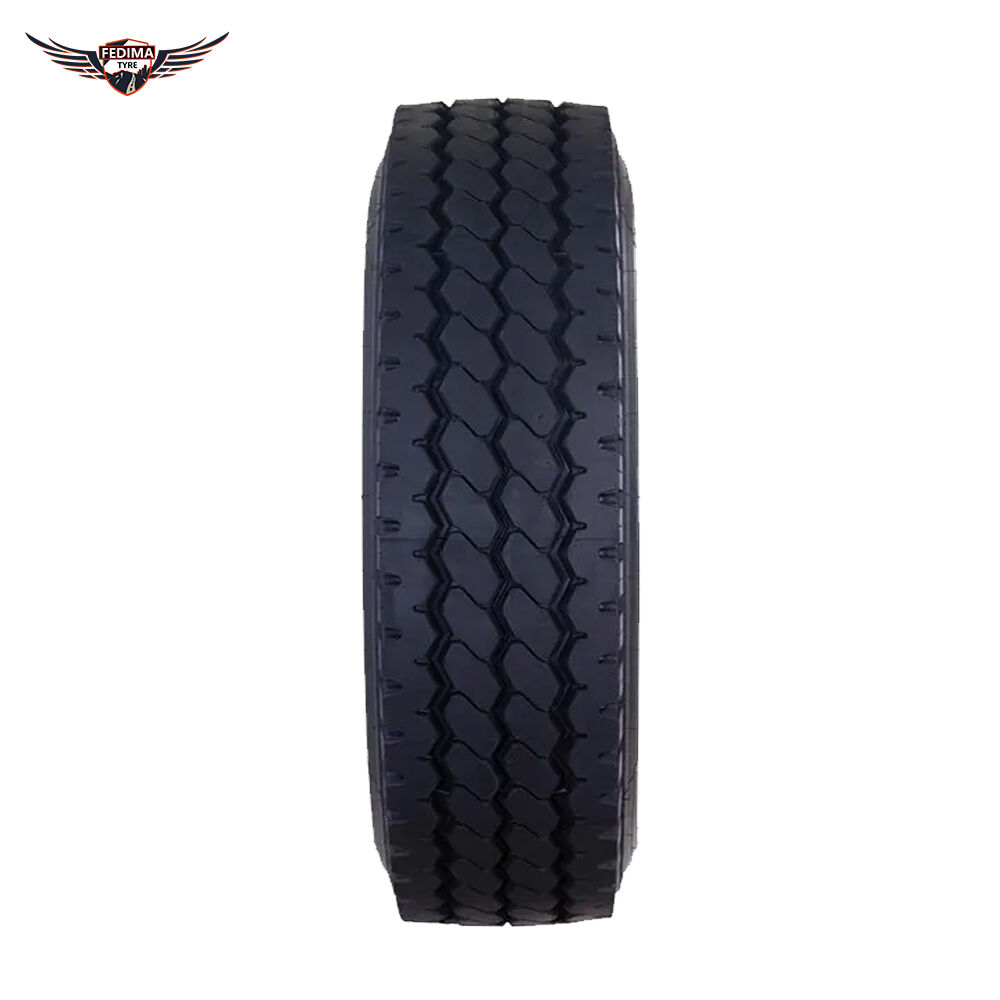
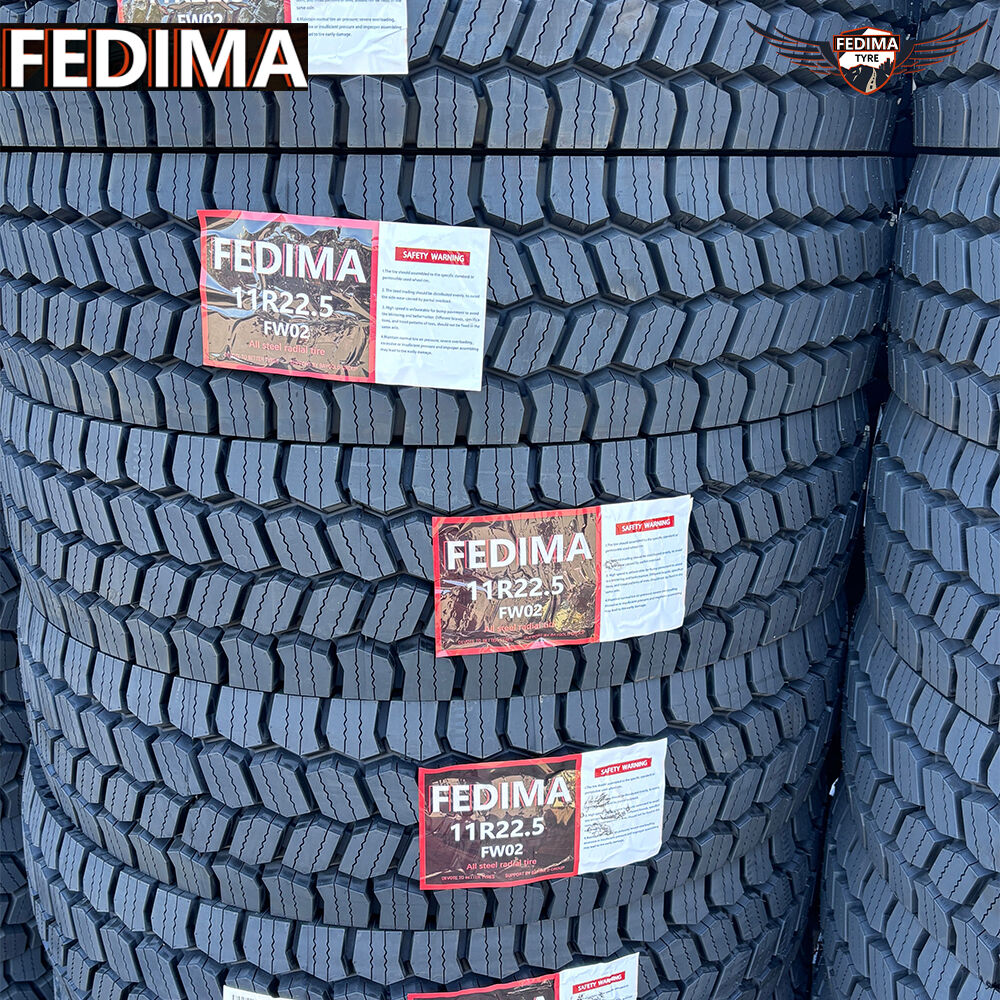
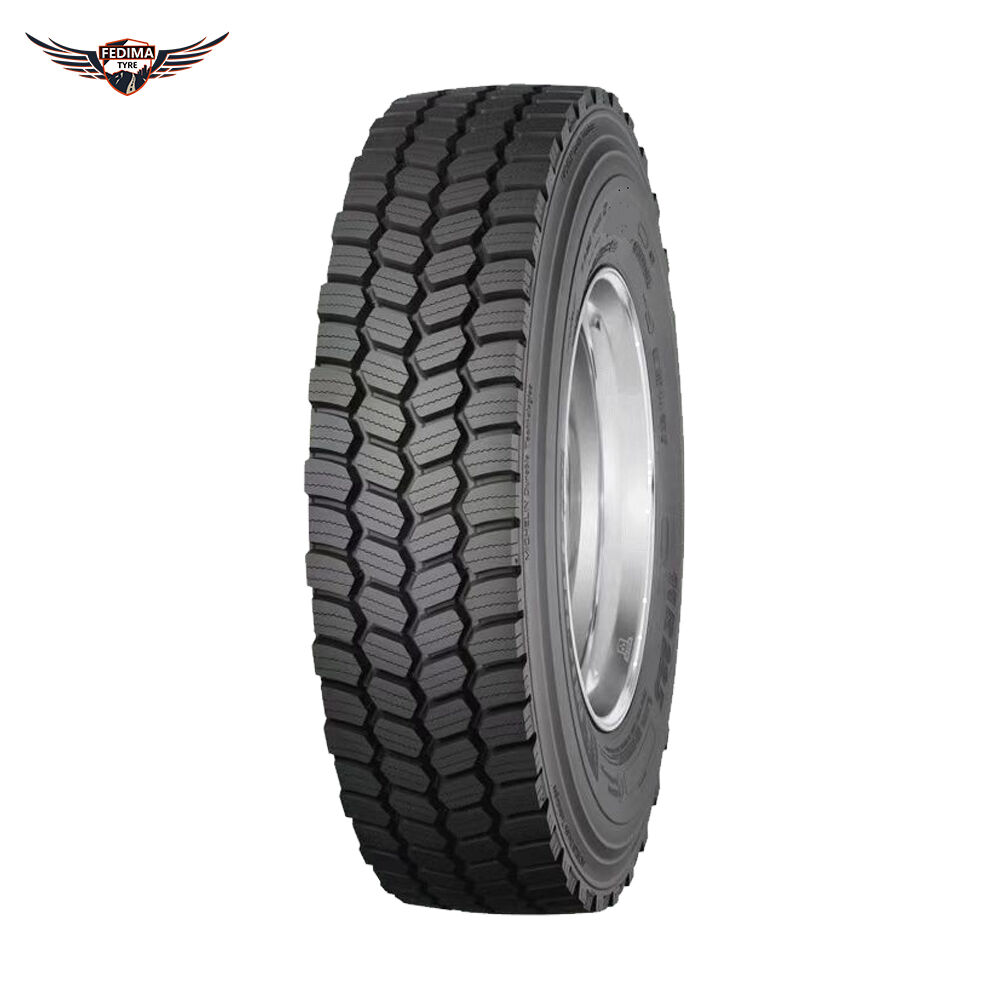
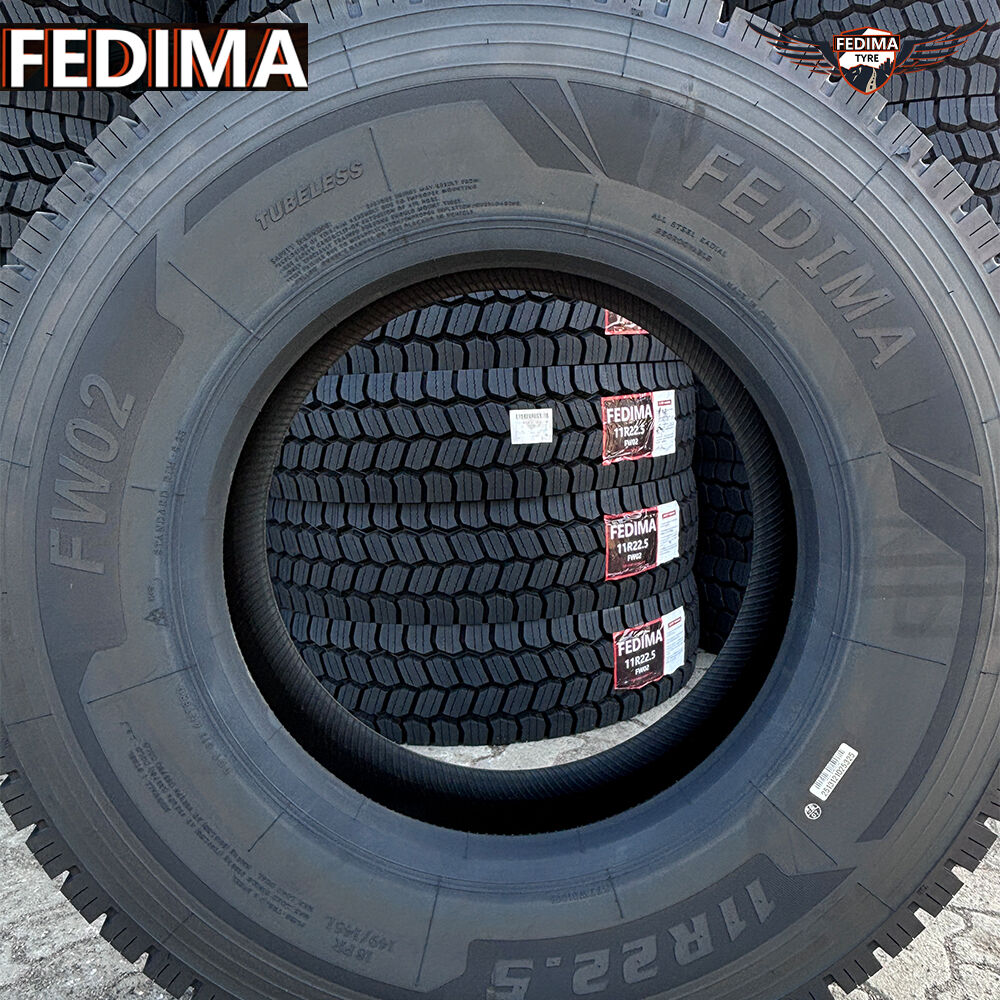
Truck winter tires represent a specialized category of commercial vehicle tires engineered specifically to deliver superior performance during harsh winter conditions. These heavy-duty tires incorporate advanced rubber compounds and innovative tread patterns designed to maintain flexibility and grip when temperatures drop below 45 degrees Fahrenheit. Unlike standard all-season tires, truck winter tires feature deeper tread depths, typically ranging from 18/32 to 24/32 inches when new, providing enhanced traction on snow, ice, and slush-covered roads. The sophisticated tread design includes thousands of biting edges called sipes, which create additional contact points with the road surface, dramatically improving braking and acceleration capabilities on slippery terrain. Modern truck winter tires utilize silica-enhanced rubber formulations that remain pliable in freezing temperatures, preventing the hardening that occurs with conventional tire compounds. This flexibility ensures consistent road contact and optimal performance throughout the winter season. The tire construction features reinforced sidewalls and robust internal structures capable of supporting heavy commercial loads while maintaining stability and control. Advanced manufacturing techniques incorporate steel belts and polyester plies that provide durability and resistance to punctures from road debris commonly encountered during winter driving. Many truck winter tires also feature directional tread patterns that efficiently channel snow and water away from the contact patch, reducing the risk of hydroplaning and maintaining consistent traction. The application scope for truck winter tires extends across various commercial vehicle categories, including long-haul freight transportation, regional delivery services, construction equipment, emergency response vehicles, and municipal service trucks. These tires are particularly crucial for operations in northern climates where winter weather conditions persist for extended periods, ensuring reliable transportation and minimizing downtime caused by weather-related incidents.

 EN
EN