winter tires
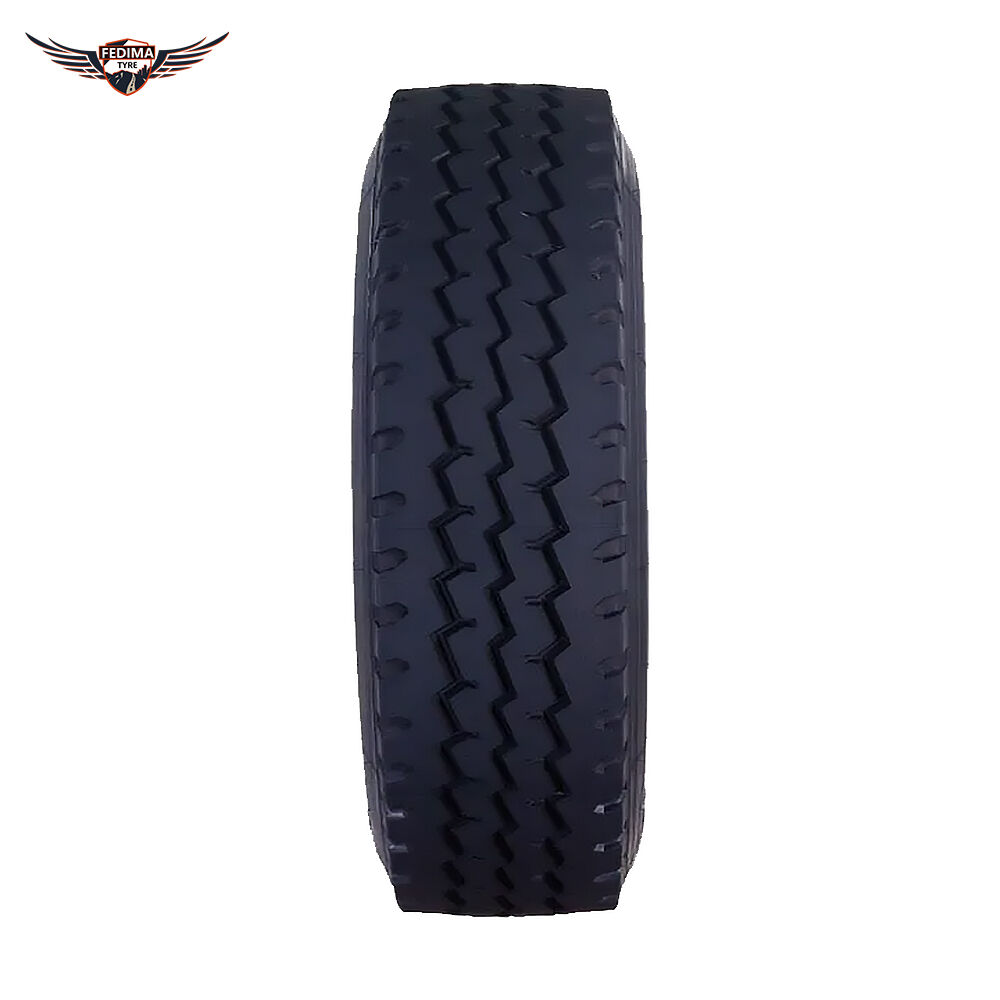
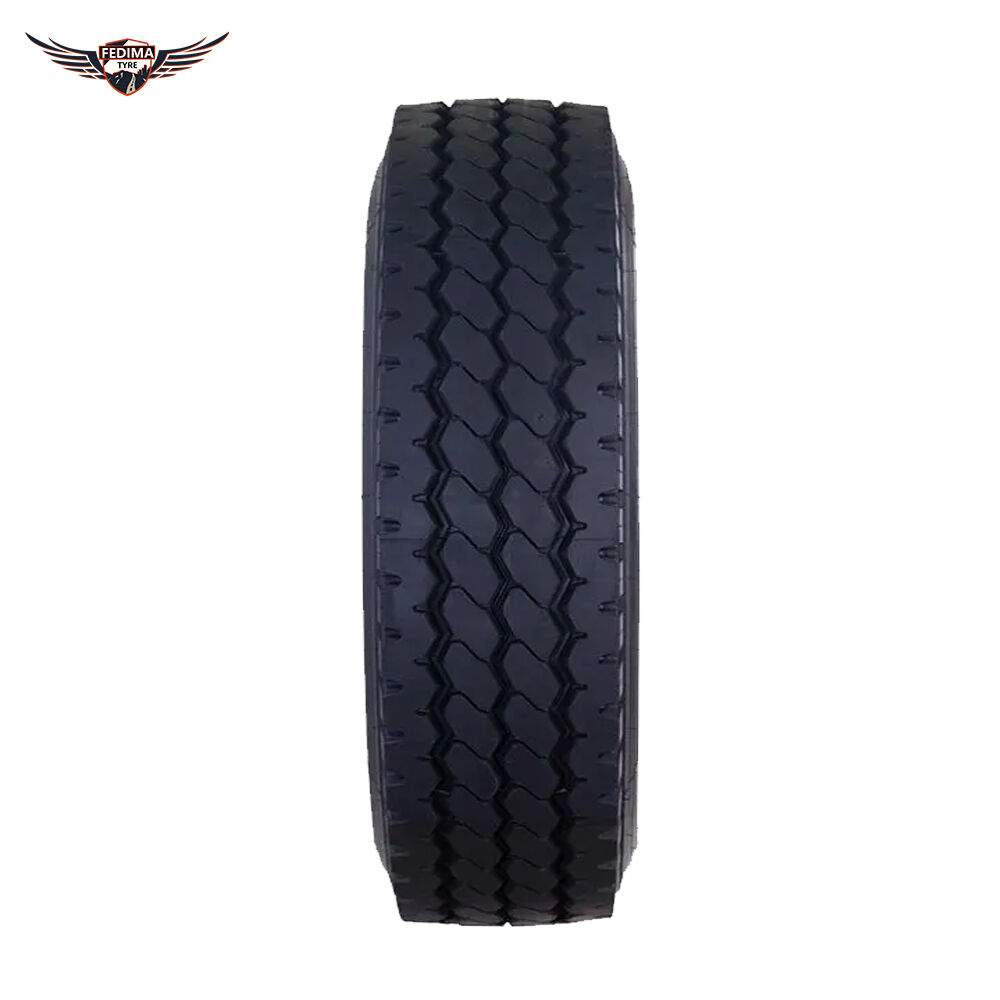
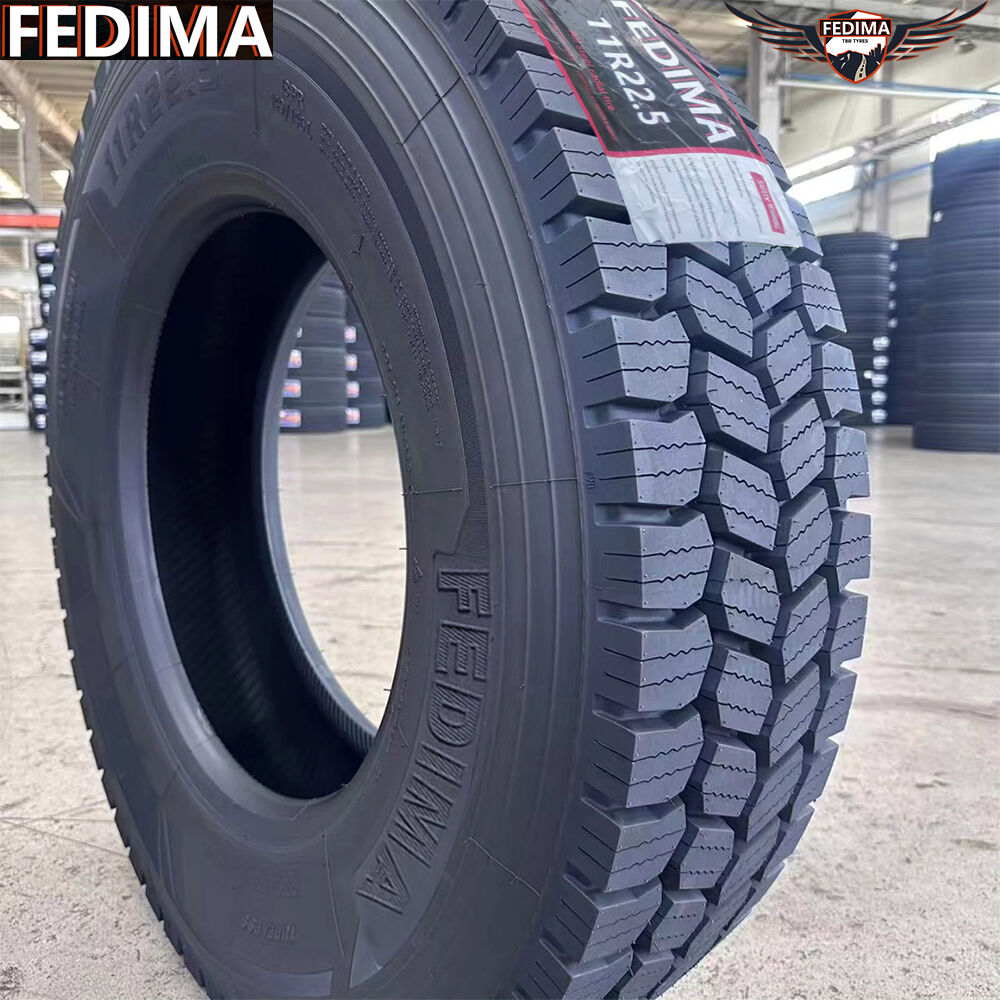
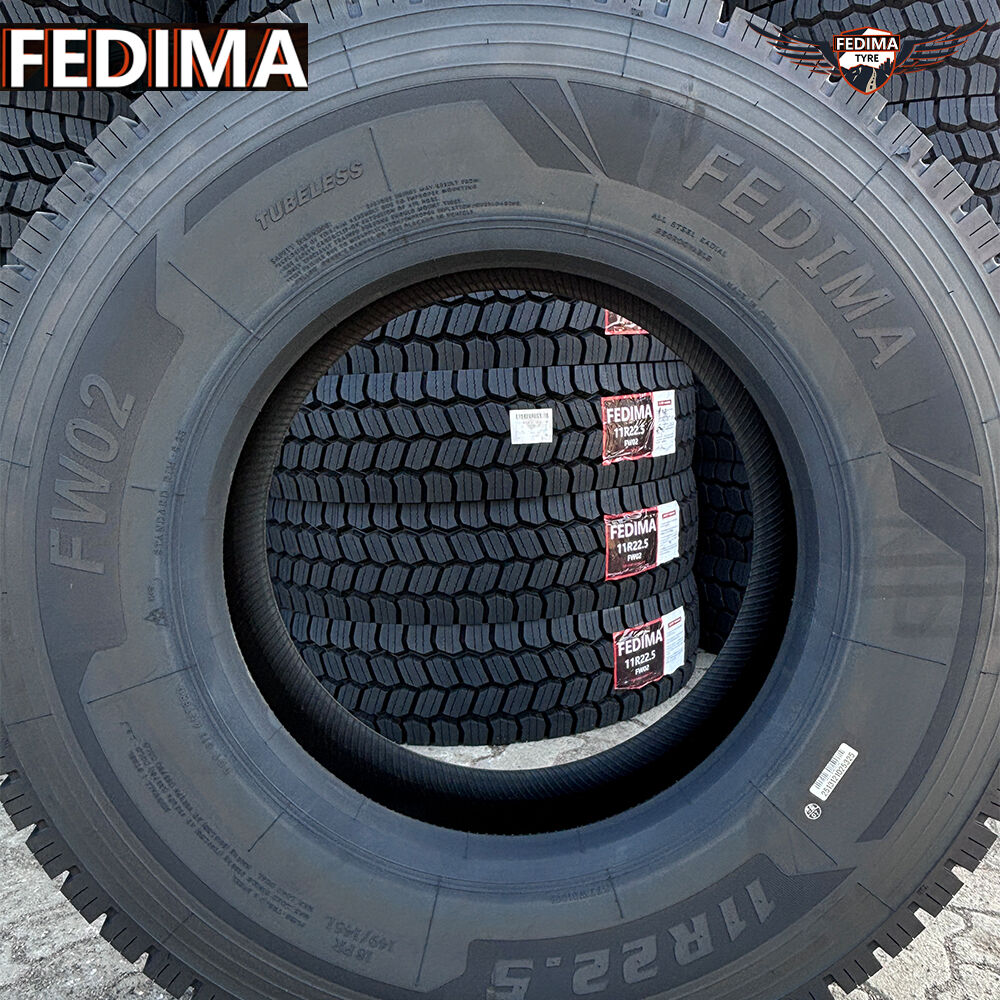
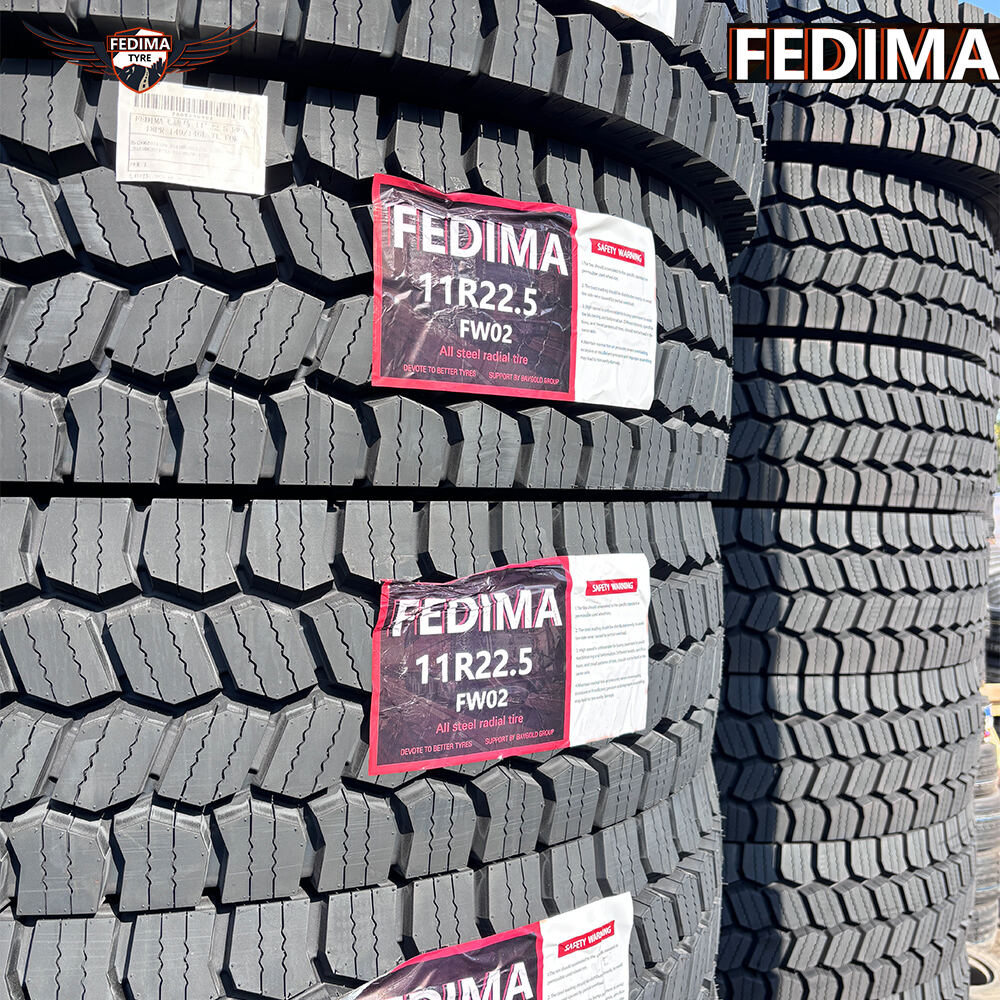
Winter tires represent a specialized category of automotive tires engineered specifically to deliver superior performance in cold weather conditions, snow, ice, and slush. These essential safety components utilize advanced rubber compounds that remain flexible at temperatures below 45°F (7°C), ensuring optimal traction when standard all-season or summer tires become rigid and lose grip. The fundamental design philosophy behind winter tires centers on maximizing contact between the tire and road surface during challenging winter driving conditions. The rubber formulation incorporates silica-enhanced compounds and specialized polymers that maintain elasticity in freezing temperatures, allowing the tire to conform to road irregularities and provide consistent grip. Winter tires feature distinctive tread patterns characterized by deeper grooves, aggressive siping, and directional designs that channel snow and slush away from the contact patch while creating thousands of biting edges for enhanced traction. Modern winter tires employ sophisticated technologies including advanced tread compounds, 3D siping patterns, and optimized void ratios that work collectively to improve braking distances, acceleration, and cornering stability on snow-covered and icy surfaces. These tires find applications across diverse vehicle categories, from passenger cars and SUVs to light trucks and commercial vehicles operating in regions experiencing regular winter weather. Professional drivers, commuters, and safety-conscious motorists rely on winter tires during months when temperatures consistently drop below freezing or when encountering snow and ice conditions. The tire construction typically includes reinforced sidewalls and specialized belt packages that maintain structural integrity under extreme temperature fluctuations while providing responsive handling characteristics essential for safe winter driving.

 EN
EN