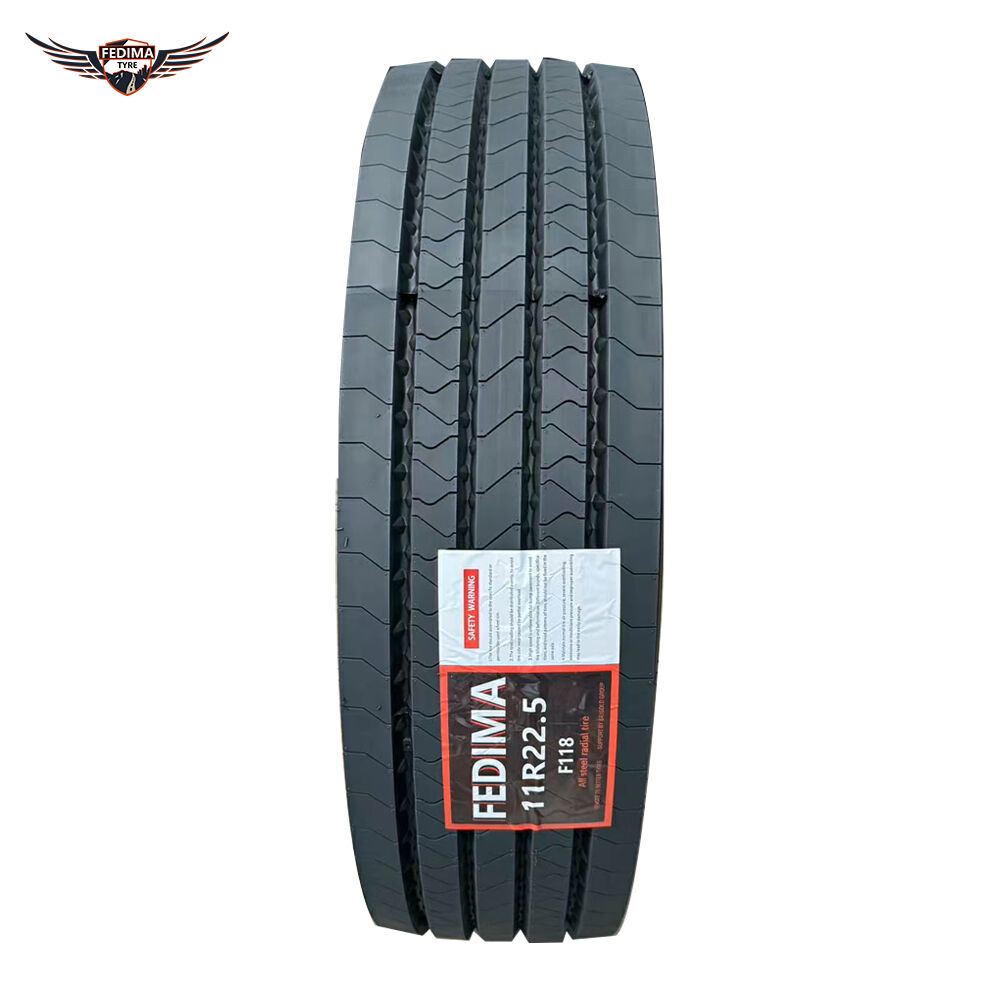
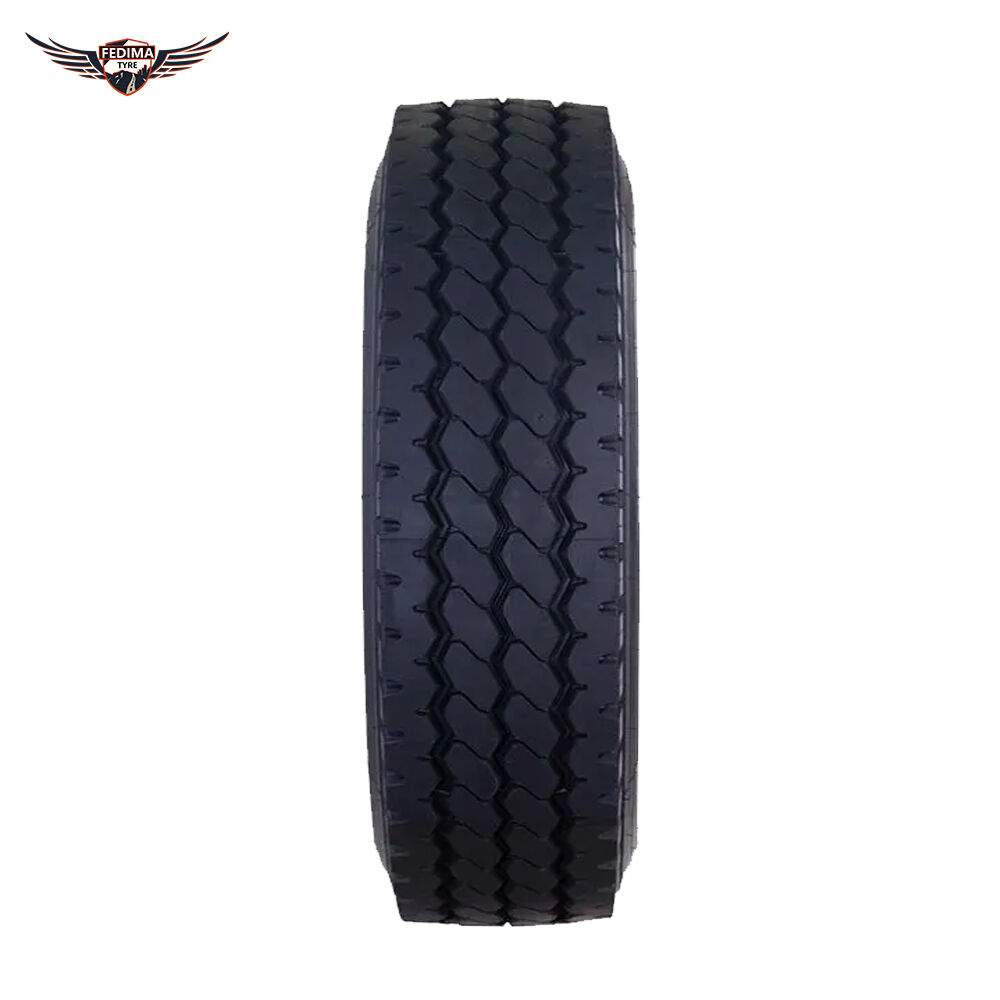
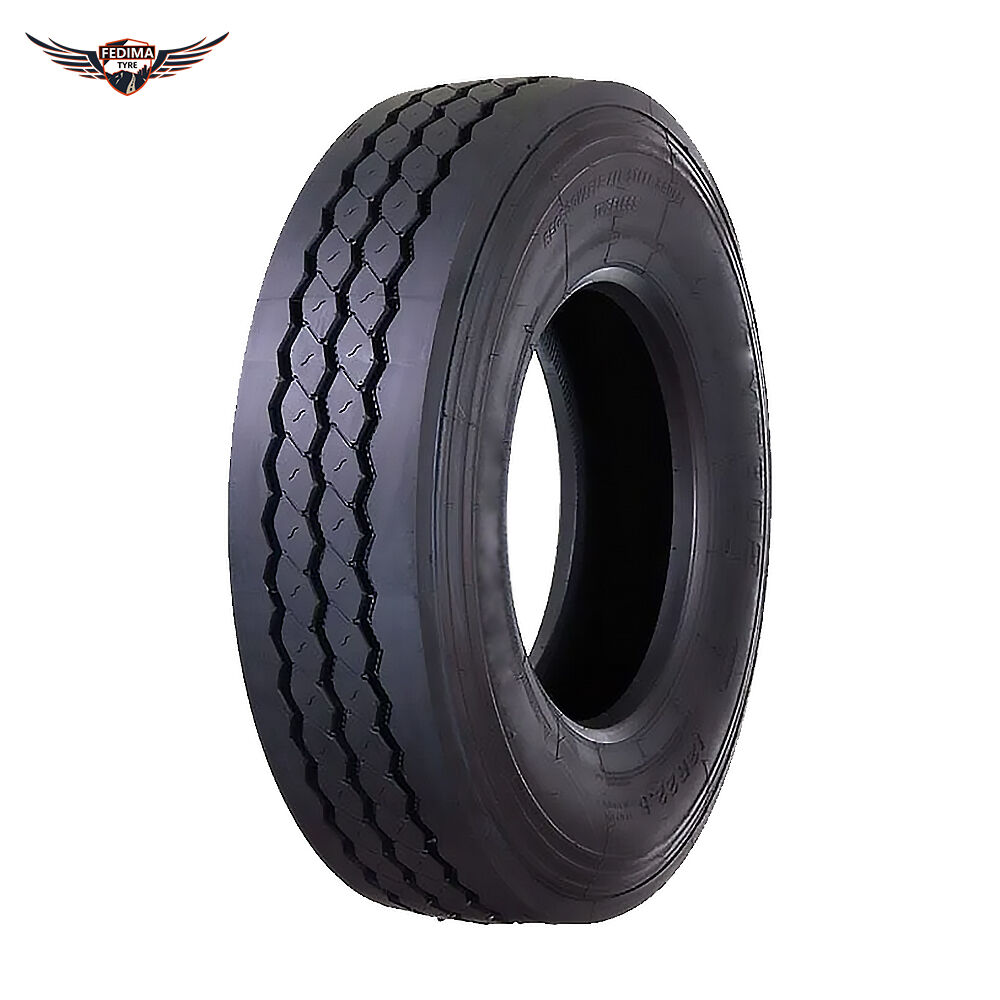
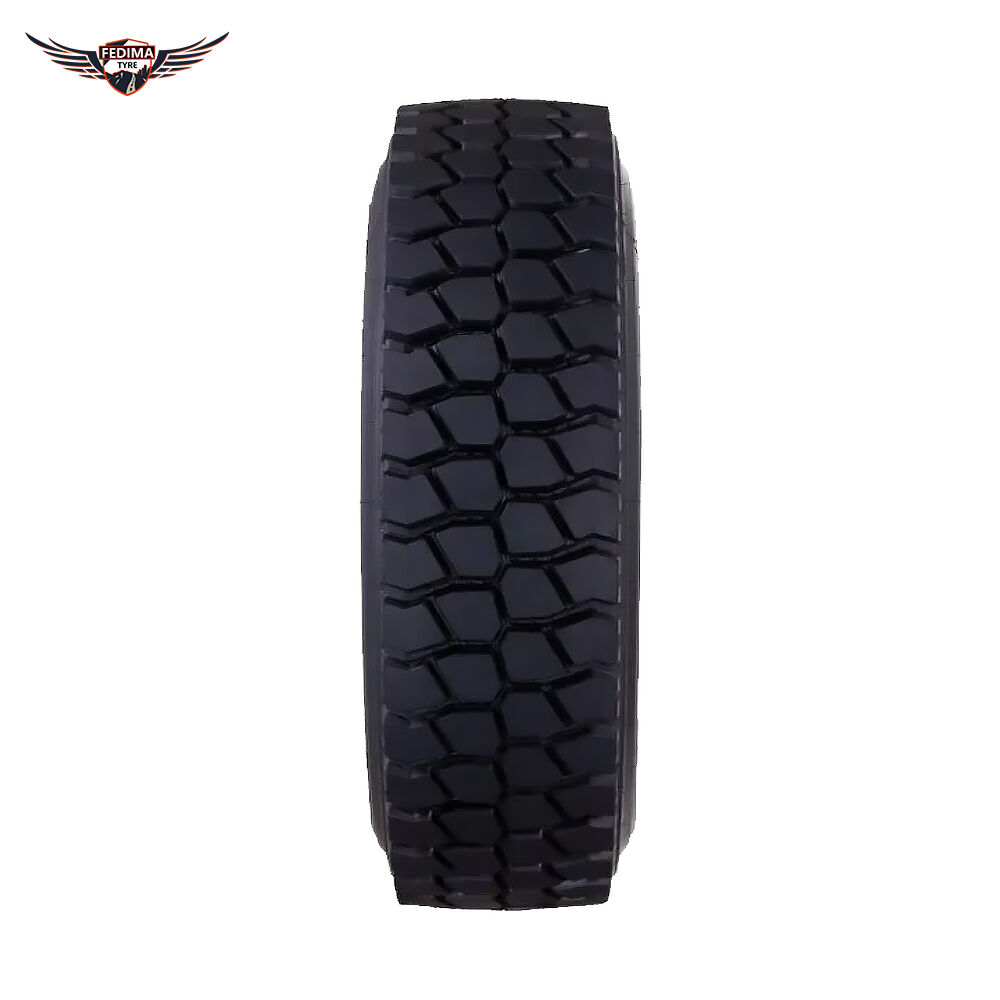
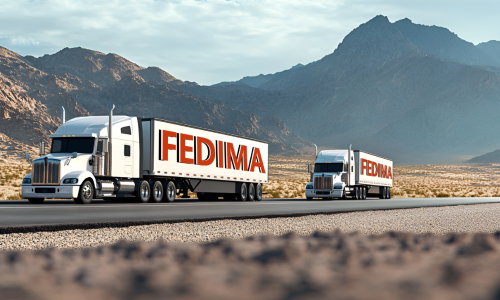
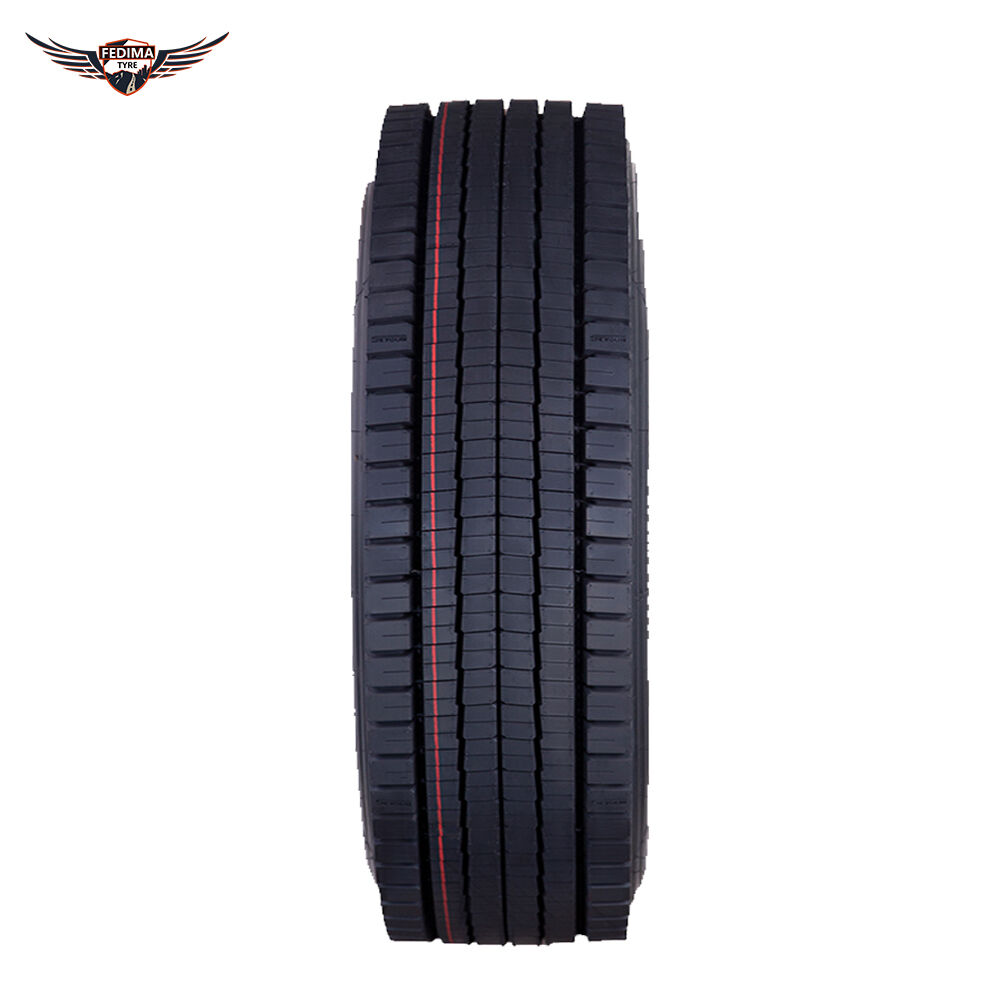
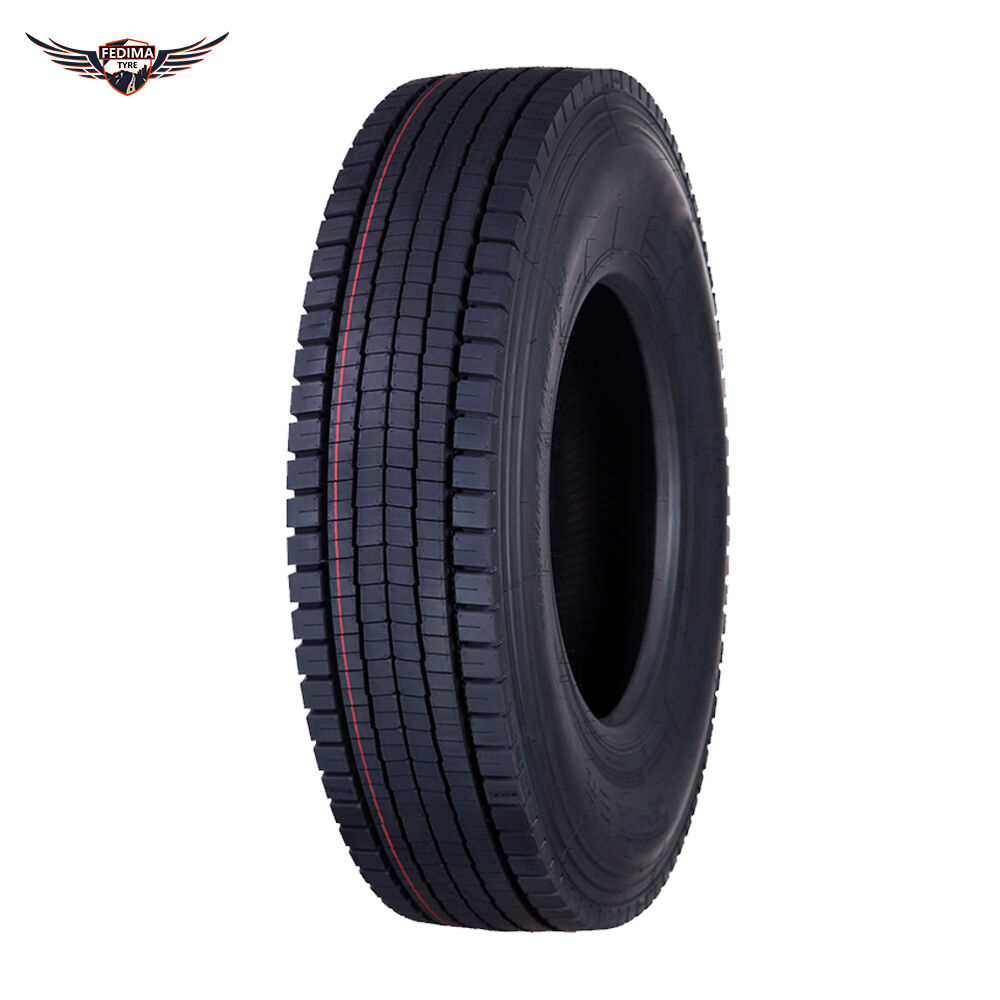
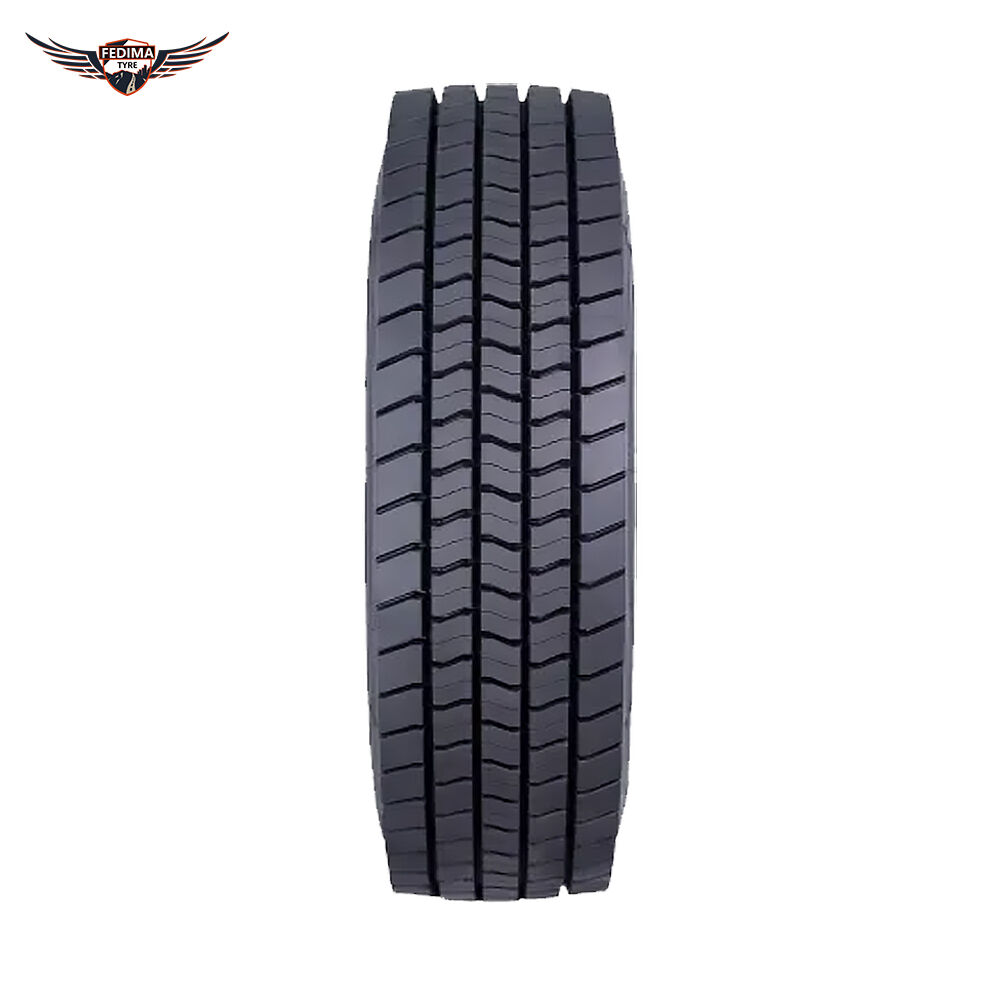
commercial drive tires
Commercial drive tires represent the backbone of freight transportation and fleet operations, serving as the essential link between heavy-duty vehicles and the road surface. These specialized tires are engineered specifically for commercial trucks, buses, delivery vehicles, and other heavy-duty applications where reliability, durability, and performance are paramount. The primary function of commercial drive tires is to provide optimal traction and power transfer from the vehicle's drivetrain to the road, enabling efficient acceleration, climbing, and overall vehicle movement under substantial load conditions. Unlike passenger vehicle tires, commercial drive tires must withstand significantly higher weight loads, extended operational periods, and diverse road conditions while maintaining consistent performance standards. The technological features integrated into modern commercial drive tires include advanced tread compounds that resist wear and provide superior grip across wet and dry surfaces. Deep tread patterns with aggressive lug designs ensure maximum traction for starting, stopping, and maneuvering heavy loads. Reinforced sidewall construction utilizes steel belts and robust casing materials to support heavy payload requirements while resisting punctures and sidewall damage. Heat-resistant compounds prevent thermal degradation during extended highway driving or stop-and-go urban operations. Many commercial drive tires incorporate noise-reduction technology to minimize road noise and vibration, enhancing driver comfort during long-haul operations. Applications for commercial drive tires span across multiple industries including long-haul trucking, regional delivery services, construction operations, municipal services, and public transportation. These tires are specifically designed for drive axle positions where maximum traction and torque transfer are critical for vehicle performance. Fleet managers and owner-operators rely on commercial drive tires to maintain operational efficiency, reduce downtime, and ensure safe transportation of goods and passengers across various terrain and weather conditions.

 EN
EN