
 EN
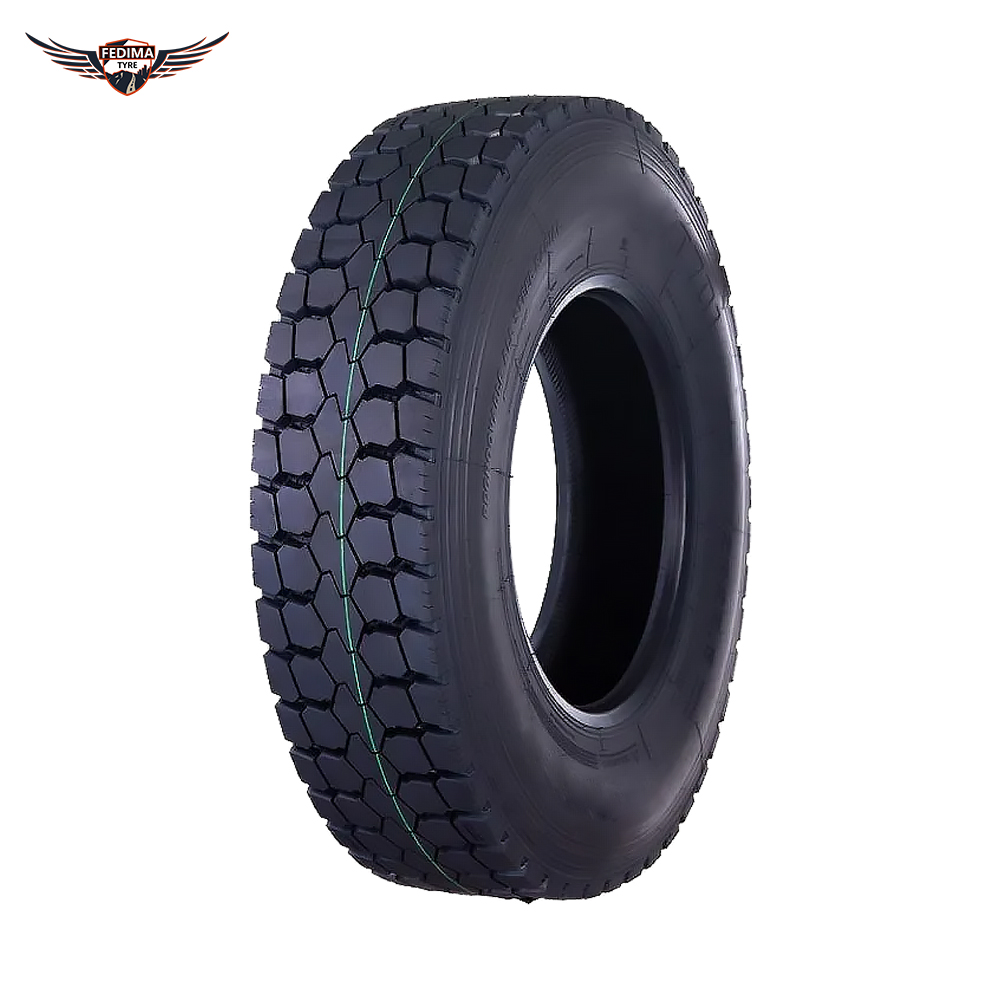
Quality control is the backbone of any successful tyre factory. Every tyre that rolls off the production line must meet stringent safety, durability, and performance standards before it reaches customers. A well-structured tyre factory relies on systematic quality control processes to identify defects early, maintain consistency, and ensure that finished products meet international regulations. These processes span raw material inspection, production monitoring, and final product testing, making them essential to operational excellence and customer satisfaction in the competitive tyre industry.

Within a modern tyre factory, quality control processes form a comprehensive framework that protects brand reputation and ensures regulatory compliance. From the moment raw materials enter the facility to the final shipping stage, each tyre factory implements multiple inspection checkpoints and testing protocols. Understanding these essential processes helps manufacturers maintain product integrity, reduce waste, and build customer trust in their tyre factory operations.
Raw Material Inspection and Supplier Verification
Incoming Material Standards in a Tyre Factory
Every tyre factory begins quality control at the supplier level. Before rubber compounds, steel wire, and chemical additives enter the production floor, a tyre factory must verify that materials meet precise specifications. Quality control teams test raw material samples for tensile strength, elasticity, and chemical composition. A tyre factory that skips this step risks producing inferior tyres that fail under real-world conditions. Incoming inspection reports document all test results, creating a traceable record that supports both internal accountability and external audit requirements.
Supplier Qualification Programs
Establishing long-term supplier relationships strengthens a tyre factory's quality foundation. Many tyre factory operators maintain approved vendor lists and conduct regular audits of supplier facilities. A tyre factory benefits from stable, qualified suppliers who consistently deliver materials within specification. This proactive approach reduces variability in the production process and minimizes the risk of defective batches entering the tyre factory line. Supplier feedback loops also help a tyre factory identify emerging issues before they escalate into production problems.
In-Process Monitoring and Production Control
Real-Time Tyre Factory Quality Checks
During tyre manufacturing, a tyre factory must monitor dozens of variables simultaneously. Vulcanization temperature, pressure, cure time, and mold closure accuracy all affect final product quality. Modern tyre factory equipment integrates sensors and automated monitoring systems that trigger alerts if parameters drift beyond acceptable ranges. Operators in a tyre factory respond immediately to deviations, adjusting equipment or halting production to prevent defective units. This real-time feedback prevents entire batches from being compromised and demonstrates the commitment a tyre factory makes to quality at every stage.
Dimensional and Visual Inspections
A tyre factory cannot rely on automated systems alone. Trained quality inspectors examine tyres for surface irregularities, bead damage, and tread uniformity throughout the shift. Many tyre factory operations now use machine vision systems to detect subtle defects invisible to the human eye, such as tiny cracks or uneven rubber thickness. Each tyre factory operator logs inspection data in real-time, creating a quality trail that helps identify process drift and support continuous improvement initiatives.
Final Product Testing and Certification
Performance Testing Standards
No tyre leaves a responsible tyre factory without passing comprehensive performance tests. A tyre factory must validate load capacity, high-speed endurance, cornering stability, and wet braking performance according to international standards such as ETRTO and DOT. Testing laboratories within or affiliated with the tyre factory use specialized equipment to simulate real-world driving conditions. Results are documented and cross-referenced with product batch numbers, ensuring full traceability. This testing regime proves that every tyre produced by the tyre factory can safely carry its rated load and perform reliably throughout its service life.
Compliance and Regulatory Documentation
A modern tyre factory operates under strict regulatory frameworks that mandate specific quality documentation and test reports. Certificates of conformity, batch test records, and material safety data sheets must accompany each shipment from the tyre factory. Quality teams in a tyre factory maintain detailed archives of test results, often required during regulatory inspections or customer audits. This documentation demonstrates that the tyre factory has exercised due diligence in product safety and quality assurance, protecting both the manufacturer and end-users from liability and operational failures.
FAQ
What testing methods does a tyre factory use to ensure safety?
A tyre factory employs multiple testing methods including high-speed drum testing, load testing, dynamic rolling resistance measurement, and wet braking performance evaluation. These tests simulate real driving conditions and verify that tyres meet international safety standards. A tyre factory also conducts endurance tests over extended periods to ensure durability and consistent performance, validating that tyres can safely operate under various load and temperature conditions throughout their intended lifespan.
How often should a tyre factory conduct quality audits?
Industry best practices suggest a tyre factory should conduct internal quality audits at least quarterly, with external third-party audits performed annually or when required by certification bodies. Continuous in-process monitoring occurs daily in a tyre factory, with shift supervisors reviewing quality metrics hourly. A tyre factory that implements statistical process control techniques can identify trends early and make preventive adjustments before product quality deteriorates, maintaining consistent excellence across production batches.
What happens when a tyre factory identifies a defective batch?
A tyre factory with robust quality protocols immediately isolates suspect batches and initiates a root cause investigation. Testing accelerates to identify the specific defect origin, whether in materials, equipment calibration, or operator procedure. The tyre factory documents findings and implements corrective actions to prevent recurrence, then re-tests the batch or schedules it for remediation or scrap processing. This systematic response protects customers and demonstrates that the tyre factory takes quality seriously, maintaining transparency with regulatory bodies and customer partners.