Commercial Highway Tires: Advanced Solutions for Fleet Efficiency and Performance

All Categories

Get a Free Quote

Our representative will contact you soon.
Email
Mobile/WhatsApp
Name
Company Name
Message
0/1000

commercial highway tire

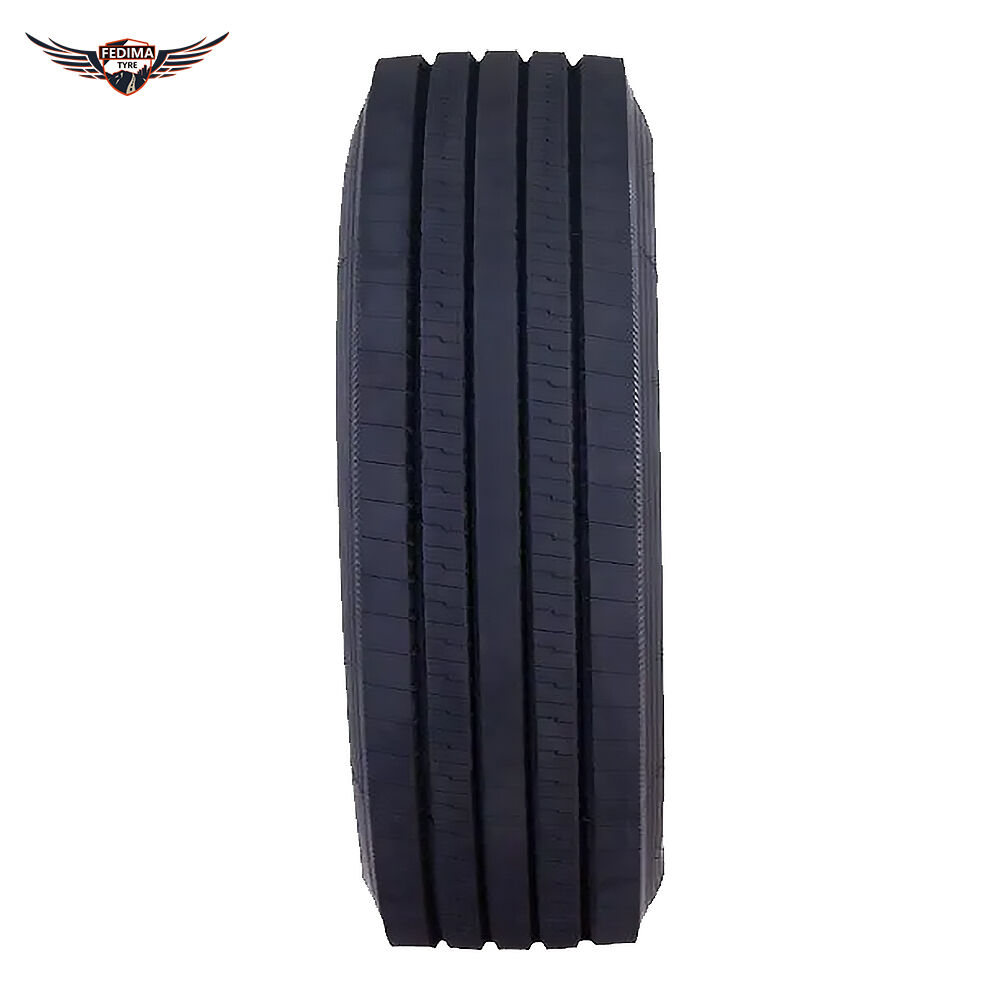
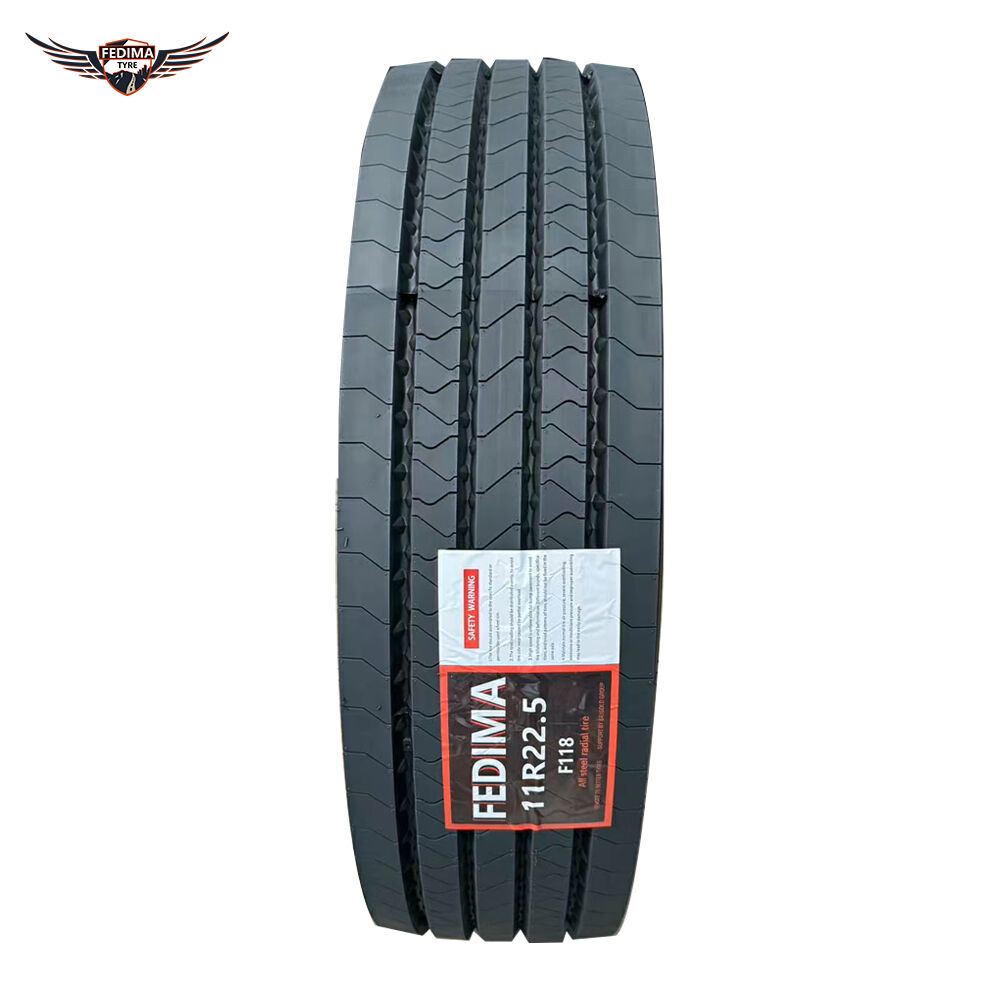
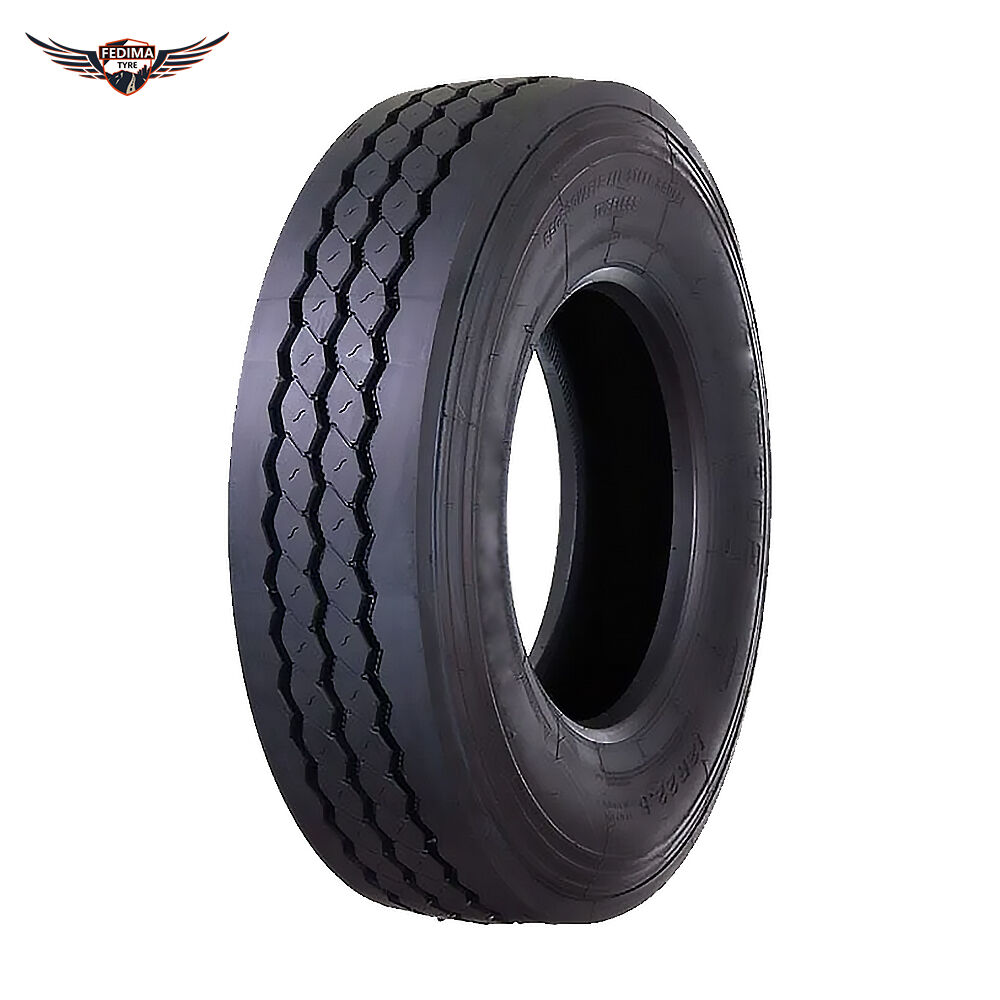
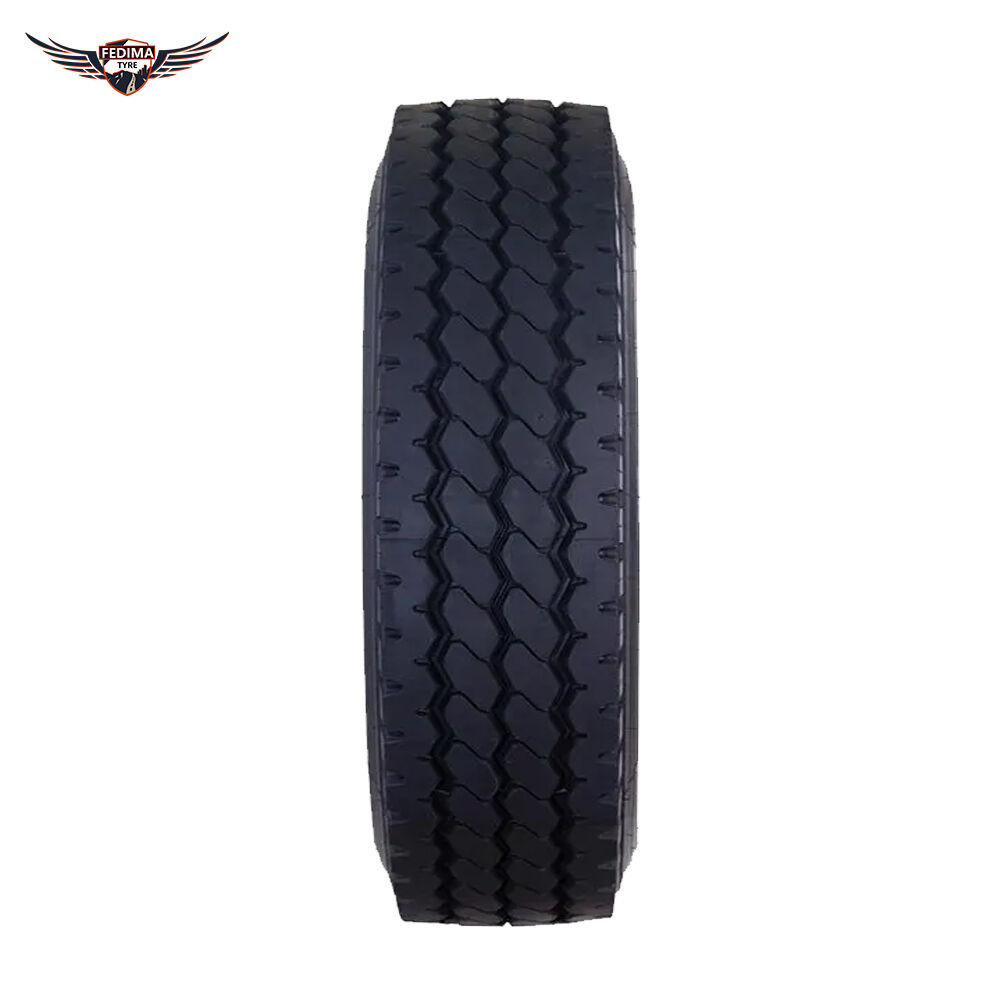
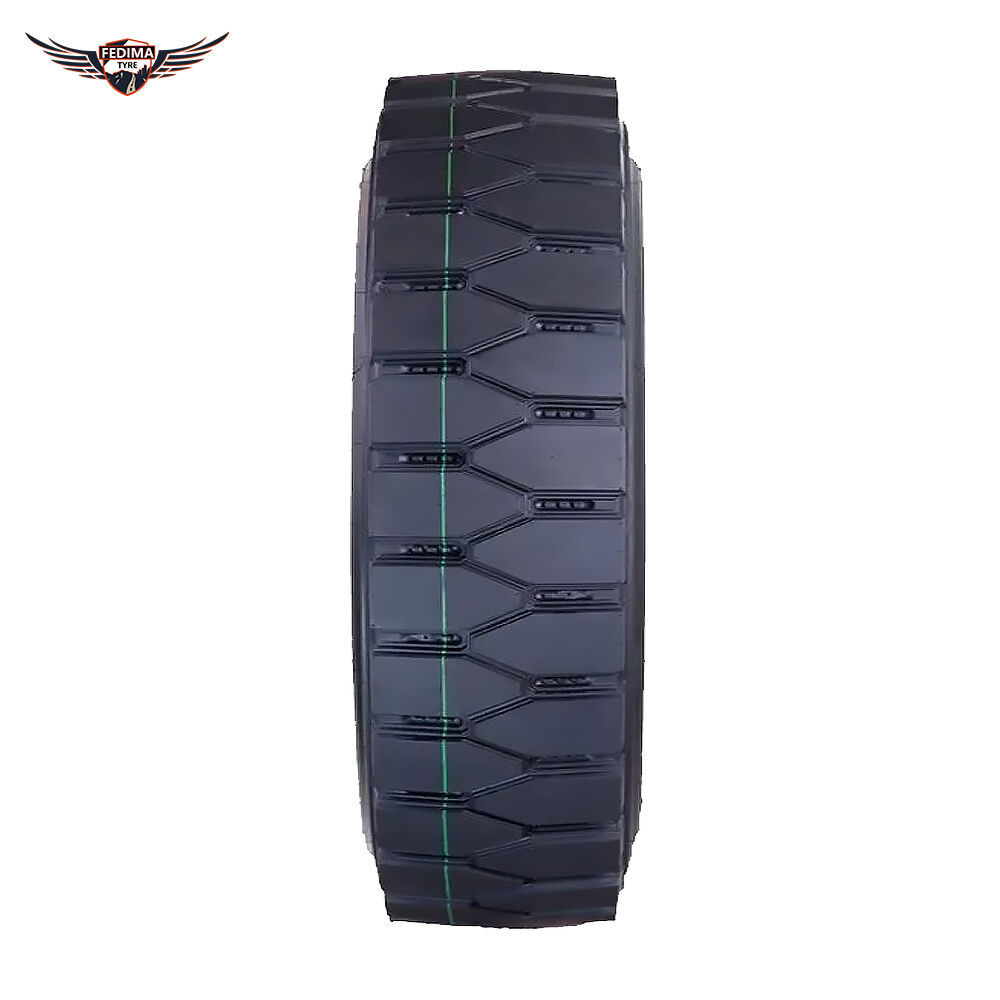
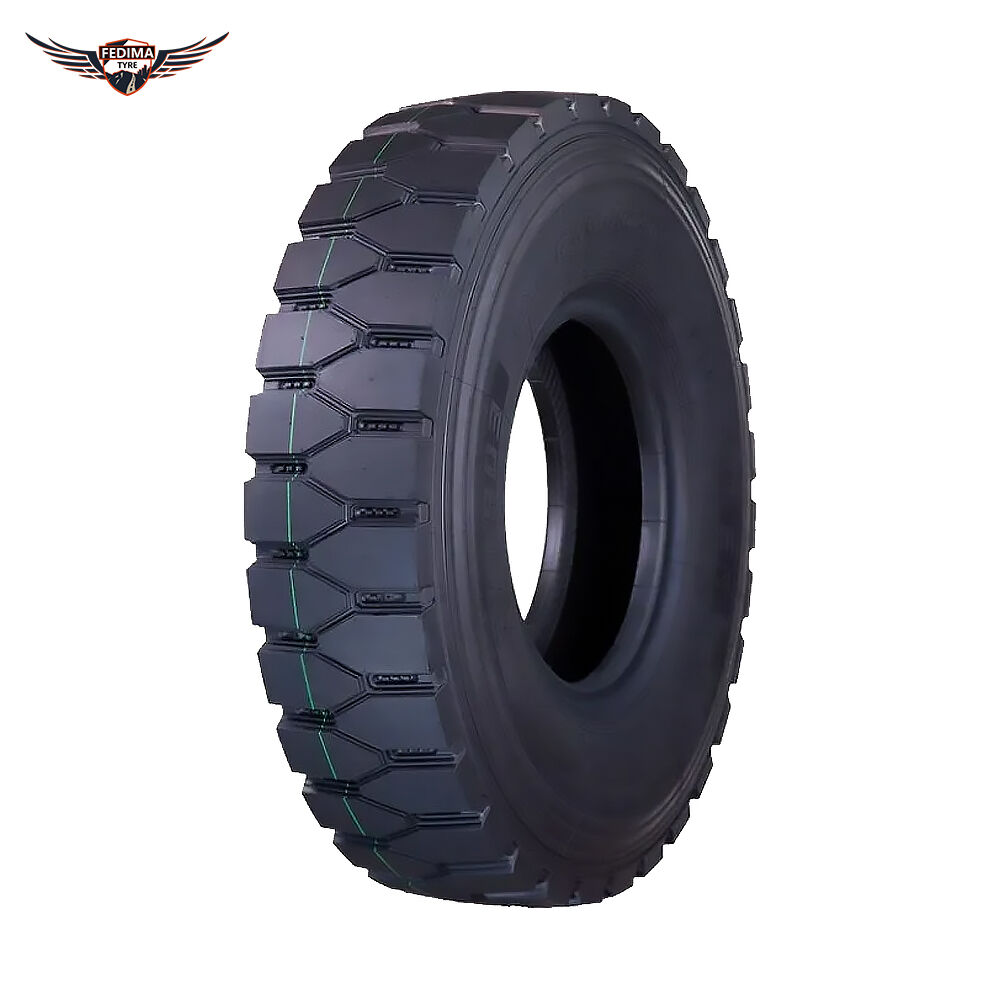
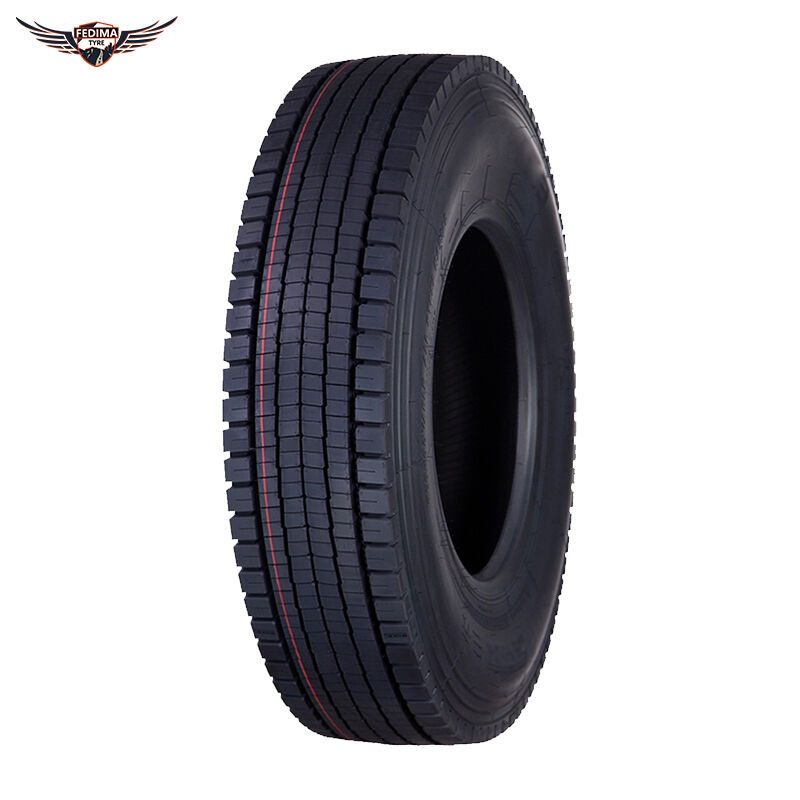
Commercial highway tires represent a critical component in the transportation industry, specifically engineered to meet the demanding requirements of long-distance freight hauling and passenger transport. These specialized tires are designed to withstand the rigorous conditions of interstate and regional highway travel, where vehicles operate at sustained high speeds over extended periods. The commercial highway tire serves as the primary interface between heavy-duty trucks, buses, and delivery vehicles with road surfaces, making their performance characteristics essential for operational efficiency and safety. The main functions of commercial highway tires encompass providing reliable traction across diverse weather conditions, ensuring optimal fuel economy through reduced rolling resistance, and delivering exceptional durability to minimize downtime and replacement costs. These tires feature advanced tread compounds that maintain flexibility across temperature variations while offering superior wear resistance. The technological features integrated into modern commercial highway tires include innovative steel belt construction that enhances structural integrity, optimized tread patterns designed for even wear distribution, and specialized sidewall engineering that supports heavy loads while maintaining ride comfort. Many commercial highway tires incorporate silica-enhanced rubber compounds that improve wet traction and reduce heat buildup during extended highway operation. The applications for commercial highway tires span across multiple commercial vehicle categories, including over-the-road trucking fleets, regional delivery services, passenger bus operations, and specialized hauling applications. Fleet operators rely on these tires to maintain consistent performance across millions of highway miles, while independent owner-operators depend on their reliability for livelihood protection. The commercial highway tire market continues evolving with smart tire technologies, including embedded sensors for real-time monitoring of tire pressure, temperature, and tread depth, enabling predictive maintenance strategies that maximize operational efficiency and safety standards.

New Product Releases

Commercial highway tires deliver substantial operational benefits that directly impact fleet profitability and vehicle performance. The primary advantage lies in their exceptional fuel efficiency capabilities, achieved through advanced low rolling resistance technologies that reduce engine workload and decrease fuel consumption by up to eight percent compared to conventional tires. This translates into significant cost savings for commercial operators, particularly those managing large fleets or covering extensive highway routes annually. The enhanced durability of commercial highway tires provides extended service life, often exceeding 100,000 miles under proper maintenance conditions, which substantially reduces tire replacement frequency and associated labor costs. Fleet managers appreciate the predictable wear patterns that enable accurate budgeting and maintenance scheduling, eliminating unexpected roadside failures that can cost thousands in emergency service calls and cargo delays. Safety represents another crucial advantage, as commercial highway tires feature superior wet weather traction and improved braking performance that reduces accident risks and insurance liabilities. The optimized tread designs maintain consistent contact with road surfaces, providing reliable steering response and stability even when fully loaded. Temperature management capabilities prevent dangerous blowouts during extended highway operation, protecting both drivers and cargo. Commercial highway tires offer excellent retreadability, allowing fleet operators to extend tire life through professional retreading processes that cost significantly less than new tire purchases while maintaining performance standards. The consistent ride quality provided by these tires reduces driver fatigue during long hauls, contributing to improved safety and job satisfaction. Maintenance advantages include easier inspection and monitoring due to standardized sizing and construction, enabling efficient fleet management practices. The availability of comprehensive warranty programs and technical support from manufacturers provides additional peace of mind for commercial operators. Load capacity advantages ensure that commercial highway tires can safely support maximum legal weights without compromising performance or safety margins, optimizing payload capacity and revenue potential for every trip.

Practical Tips

Good Tires Seem Expensive.But Not Really.

10

Mar

Good Tires Seem Expensive.But Not Really.

View More
FEDIMA TYRE CO., LTD. Concludes Successful Thailand Market Tour as Local Fleet Operators Embrace Superior TBR Tire Quality

27

Mar

FEDIMA TYRE CO., LTD. Concludes Successful Thailand Market Tour as Local Fleet Operators Embrace Superior TBR Tire Quality

View More
FEDIMA TYRE CO., LTD. Redefines Commercial Transport Safety with Next-Generation TBR Truck Tire Technology Engineered for Ultimate Durability and Customer Value

27

Mar

FEDIMA TYRE CO., LTD. Redefines Commercial Transport Safety with Next-Generation TBR Truck Tire Technology Engineered for Ultimate Durability and Customer Value

View More

Get a Free Quote

Our representative will contact you soon.
Email
Mobile/WhatsApp
Name
Company Name
Message
0/1000

commercial highway tire

Advanced Fuel Economy Technology

Advanced Fuel Economy Technology

Modern commercial highway tires incorporate cutting-edge fuel economy technology that revolutionizes operational costs for commercial fleets. The development of low rolling resistance compounds represents a breakthrough in tire engineering, utilizing specialized silica-enhanced rubber formulations that minimize energy loss as tires rotate under load. This technology works by reducing the internal friction within the tire structure, allowing vehicles to maintain highway speeds with less engine effort and consequently lower fuel consumption. The compound engineering process involves precise molecular-level modifications that maintain essential performance characteristics like traction and durability while optimizing energy efficiency. Fleet operators utilizing these advanced commercial highway tires typically observe fuel savings ranging from five to ten percent, which translates into thousands of dollars annually for high-mileage operations. The aerodynamic sidewall designs complement the compound technology by reducing air turbulence around the tire, further enhancing fuel efficiency at highway speeds. Temperature-resistant compounds ensure that fuel economy benefits remain consistent across seasonal variations and different operating conditions. The manufacturing precision required for these commercial highway tires involves computer-controlled mixing processes that ensure uniform compound distribution throughout each tire, maintaining consistent performance characteristics across entire production runs. Quality control measures include rigorous testing protocols that verify rolling resistance coefficients meet stringent industry standards. The investment in advanced fuel economy commercial highway tires typically pays for itself within the first year of operation through reduced fuel costs, making it a financially sound decision for cost-conscious fleet operators. Environmental benefits accompany the economic advantages, as reduced fuel consumption directly correlates with lower carbon emissions, supporting sustainability initiatives while improving bottom-line profitability.
Superior Load Capacity and Structural Integrity

Superior Load Capacity and Structural Integrity

Commercial highway tires excel in load capacity and structural integrity through sophisticated engineering that enables safe operation under maximum legal weight limits while maintaining performance standards. The steel belt construction forms the backbone of these tires, utilizing high-tensile steel cords arranged in multiple layers that provide exceptional strength and dimensional stability. This construction methodology distributes load forces evenly across the tire footprint, preventing localized stress concentrations that could lead to premature failure or irregular wear patterns. The sidewall engineering incorporates reinforced polyester and steel cord layers that support vertical loads while maintaining flexibility for ride comfort and heat dissipation. Advanced commercial highway tires can safely support loads exceeding 12,000 pounds per tire while maintaining proper ground contact and steering precision. The bead construction utilizes high-strength steel wire bundles that ensure secure rim mounting and prevent bead separation under extreme loading conditions. Quality assurance testing includes inflation pressure cycling, load capacity verification, and endurance testing that simulates millions of highway miles under controlled conditions. The structural design philosophy prioritizes redundancy, incorporating multiple load-bearing elements that provide continued operation even if individual components experience stress. Heat management capabilities within the tire structure prevent thermal degradation that could compromise load capacity during extended highway operation in high-temperature environments. The load capacity advantages extend beyond simple weight support, encompassing the ability to maintain proper tire shape and contact patch geometry under varying load conditions. This consistency ensures optimal braking and steering performance regardless of cargo weight distribution. Commercial highway tires designed for maximum load capacity undergo extensive field testing with actual commercial vehicles to validate performance claims under real-world operating conditions. The certification processes involve independent testing laboratories that verify compliance with Department of Transportation standards and industry specifications, providing fleet operators with confidence in published load ratings and safety factors.
Extended Service Life and Retreadability

Extended Service Life and Retreadability

The extended service life capabilities of commercial highway tires represent a fundamental advantage that significantly impacts total cost of ownership for commercial vehicle operations. Advanced tread compounds engineered for highway applications provide exceptional wear resistance through carefully balanced formulations that resist abrasion while maintaining flexibility across temperature ranges. The tread design optimization involves computer modeling that predicts wear patterns and adjusts groove angles, depths, and spacing to promote even wear distribution throughout the tire's service life. Premium commercial highway tires routinely achieve service lives exceeding 150,000 miles under proper maintenance conditions, with some applications reaching 200,000 miles or more. The casing construction quality enables multiple retreading cycles, allowing fleet operators to extend total tire life to 500,000 miles or beyond through professional retreading services. The steel belt integrity and sidewall construction maintain structural soundness throughout multiple retread applications, providing consistent performance and safety standards. Retreadability assessments involve detailed inspections that evaluate casing condition, ensuring only suitable tires enter the retreading process. The economic impact of extended service life combined with retreadability creates substantial cost savings, with total tire costs per mile often reduced by forty percent or more compared to conventional tires. Proper maintenance practices, including regular pressure monitoring, alignment checks, and rotation schedules, maximize the service life potential of commercial highway tires. The predictable wear characteristics enable accurate replacement scheduling and inventory management, reducing unexpected downtime and emergency tire purchases. Quality commercial highway tires feature wear indicator systems that provide visual cues for replacement timing, supporting proactive maintenance strategies. The manufacturing quality standards that enable extended service life include precise compound mixing, uniform construction techniques, and comprehensive quality control testing that identifies potential defects before tires enter service. Field performance monitoring programs track actual service life data from fleet operations, providing valuable feedback for continuous improvement in tire design and manufacturing processes.


Get a Free Quote

Our representative will contact you soon.
Email
Mobile/WhatsApp
Name
Company Name
Message
0/1000