Optimized Load Distribution System
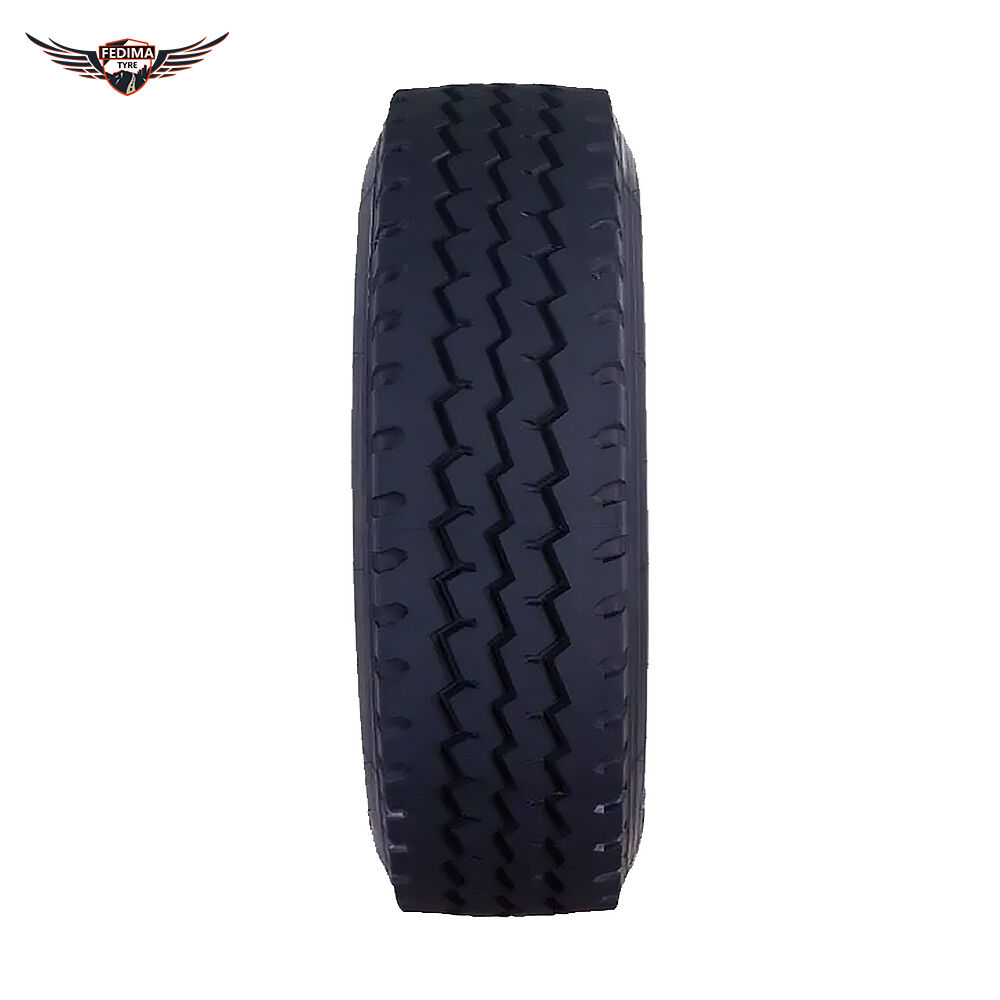
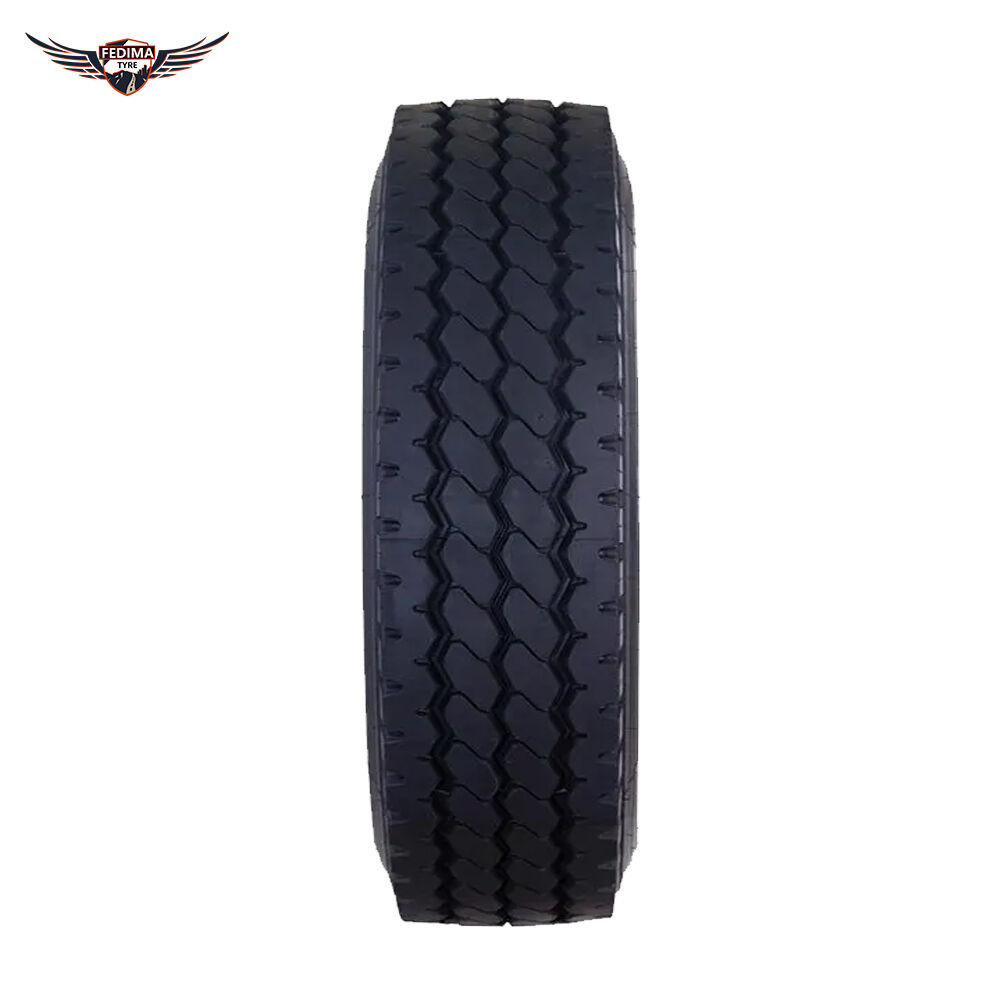
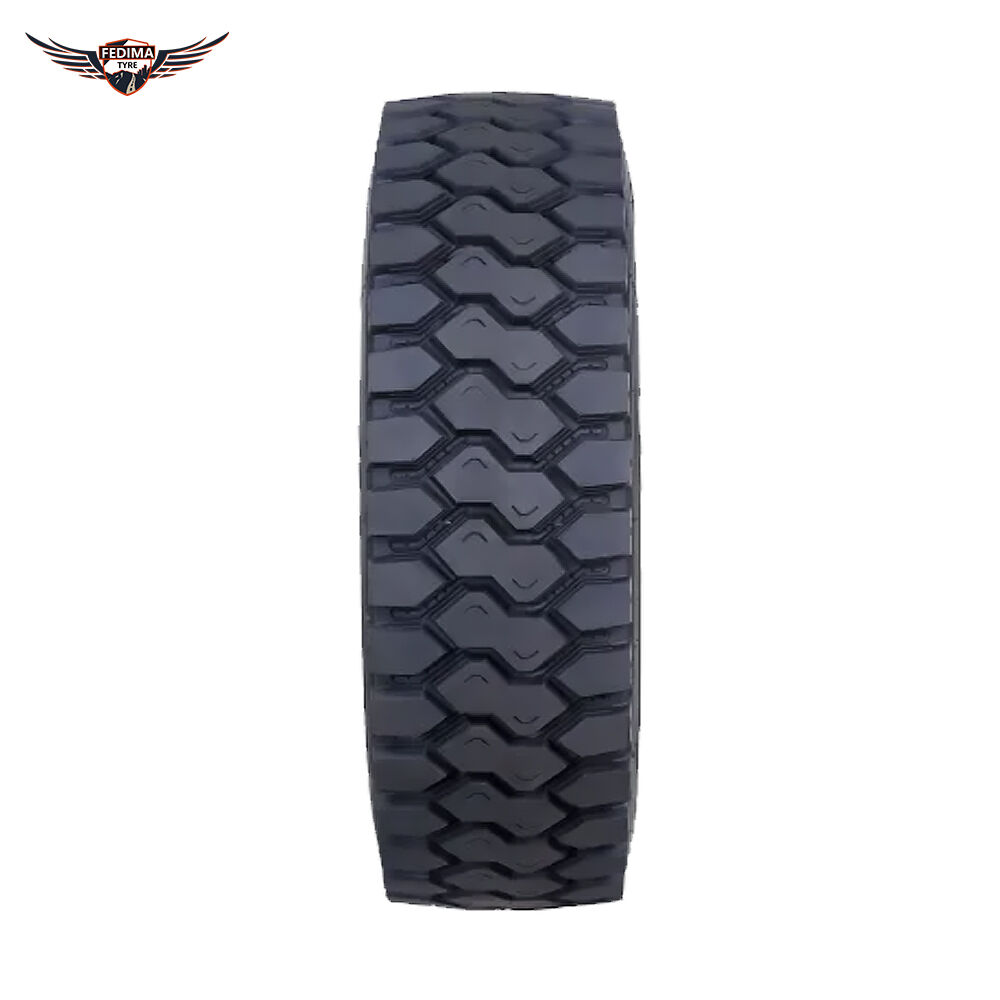
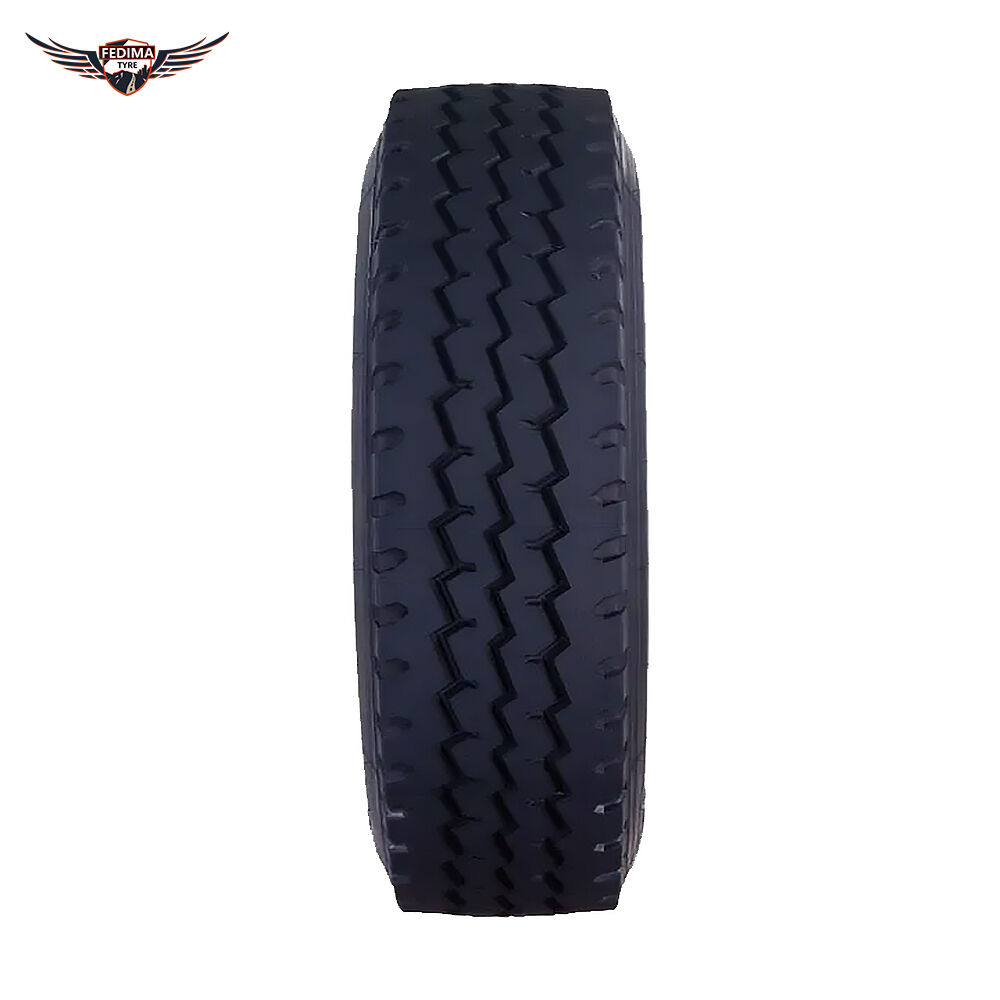
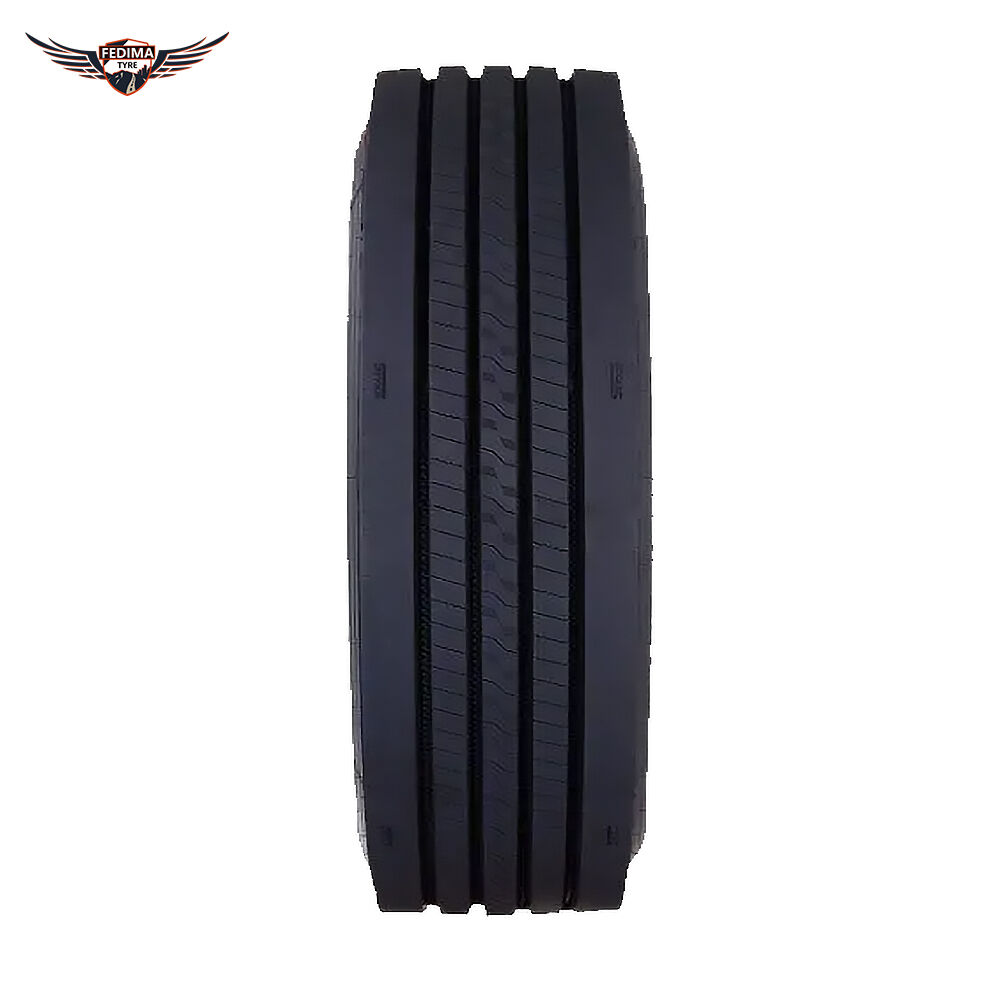
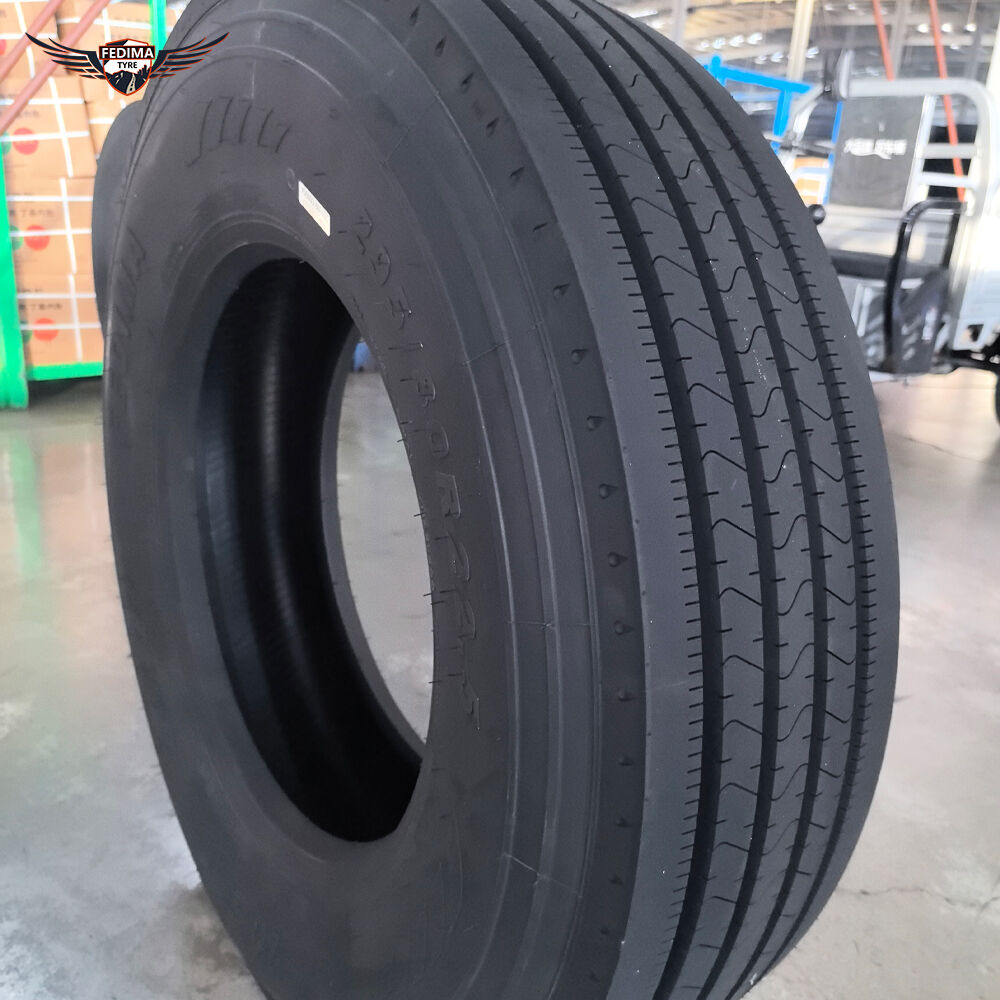
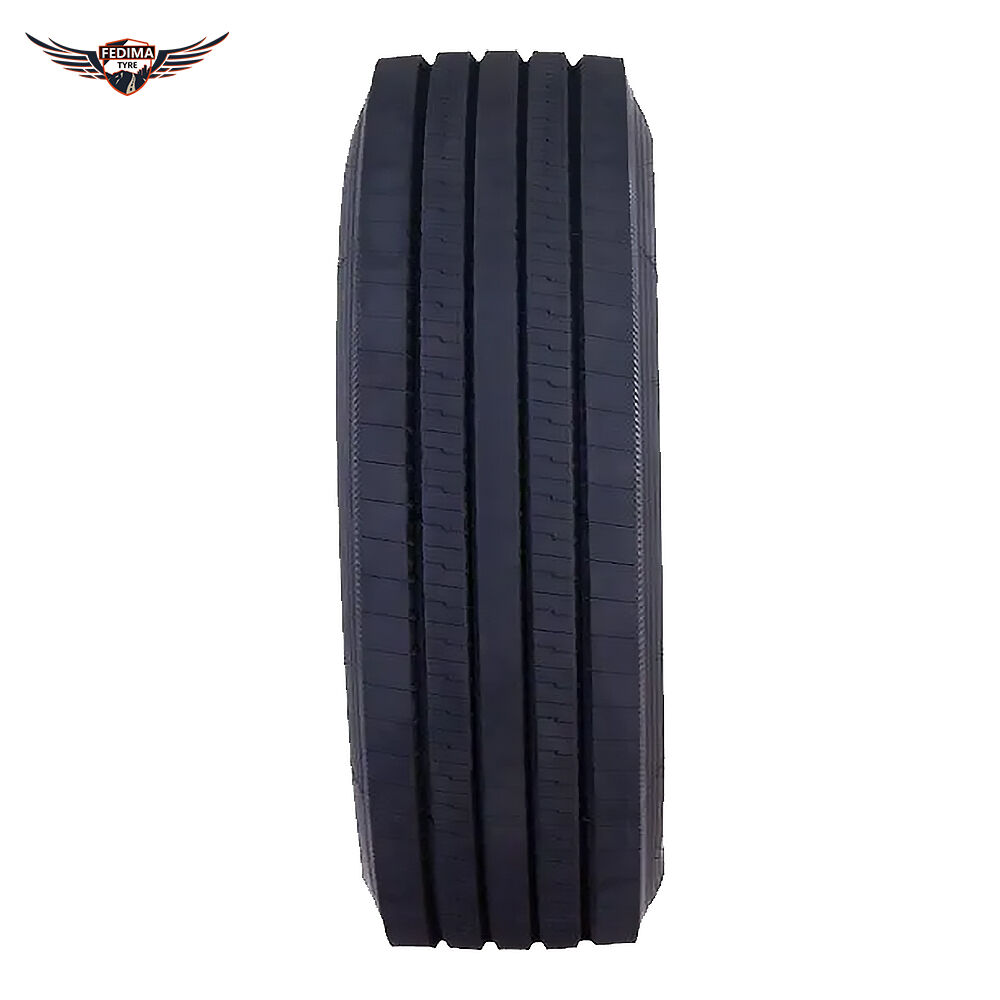
The 11r22.5 rear pattern features an innovative load distribution system that maximizes tire performance while minimizing wear-related issues commonly associated with heavy-duty commercial applications. This advanced system utilizes a carefully engineered contact patch geometry that ensures uniform pressure distribution across the entire tread width, preventing the localized stress concentrations that typically lead to premature tire failure. The pattern incorporates variable pitch tread blocks that adapt to changing load conditions, providing optimal ground contact regardless of payload variations encountered during typical commercial operations. Each tread element within the 11r22.5 rear pattern is precisely sized and positioned to work collectively in distributing vehicle weight evenly, preventing the irregular wear patterns that reduce tire lifespan and compromise vehicle safety. The shoulder regions receive special attention in this design, featuring reinforced construction that resists the excessive wear typically experienced in these high-stress areas. The load distribution system includes internal belt structures that maintain tread shape integrity under varying inflation pressures and load conditions, ensuring consistent performance throughout the recommended operating range. Strategic placement of void areas within the 11r22.5 rear pattern creates flexibility zones that accommodate tire deformation during cornering and maneuvering while maintaining structural stability under straight-line operation. The system incorporates heat dissipation channels that prevent excessive temperature buildup in critical load-bearing areas, extending tire life in high-duty-cycle applications. Advanced finite element analysis was employed to optimize the relationship between load distribution effectiveness and rolling resistance, resulting in a design that maximizes fuel efficiency while maintaining superior load-carrying capabilities. The 11r22.5 rear pattern's load distribution system has proven its effectiveness through extensive fleet testing, demonstrating significant improvements in tire longevity and operational cost reduction compared to conventional tire designs used in similar commercial applications.

 EN
EN