Premium 22.5 Steer Tires - Superior Performance & Durability for Commercial Fleets

All Categories

Get a Free Quote

Our representative will contact you soon.
Email
Mobile/WhatsApp
Name
Company Name
Message
0/1000

22.5 steer tire

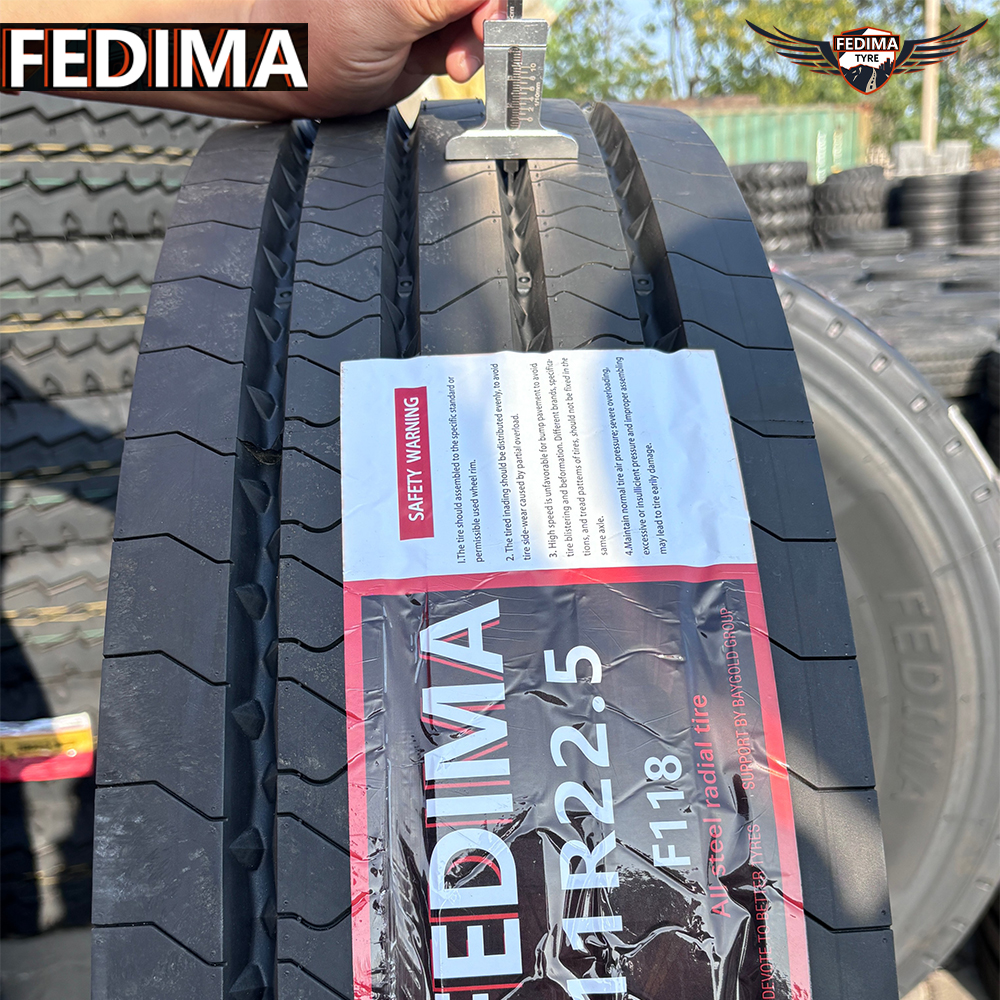
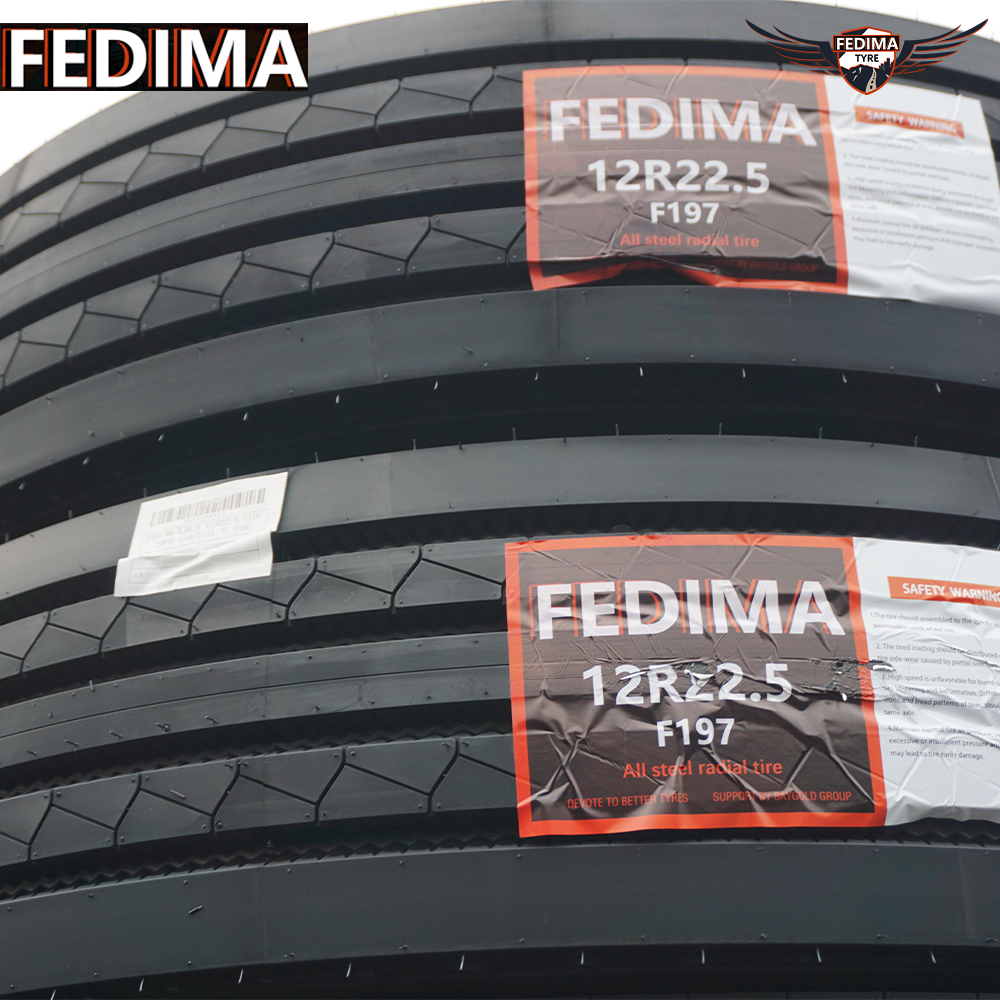
The 22.5 steer tire represents a critical component in commercial trucking operations, specifically designed for the front axle positioning of heavy-duty vehicles. This specialized tire configuration utilizes advanced engineering principles to deliver exceptional steering control, directional stability, and load-bearing capacity essential for professional transportation applications. The 22.5 designation refers to the rim diameter measurement, indicating compatibility with 22.5-inch wheel assemblies commonly found on commercial trucks, buses, and heavy freight vehicles. These tires incorporate sophisticated compound formulations that balance durability with performance characteristics required for extended highway operations. The construction methodology employs steel-belted radial architecture, providing structural integrity while maintaining flexibility necessary for responsive steering dynamics. Manufacturing processes integrate computer-aided design systems to optimize tread patterns, ensuring maximum road contact and efficient water evacuation. The 22.5 steer tire features specialized sidewall construction that resists irregular wear patterns while supporting substantial vertical loads. Advanced rubber compounds resist aging, cracking, and environmental degradation, extending service life under demanding operational conditions. Heat dissipation technologies prevent excessive temperature buildup during extended driving periods, maintaining consistent performance characteristics. The tire's internal structure incorporates multiple steel belts arranged in precise angular configurations, providing dimensional stability and resistance to road hazards. Bead construction utilizes high-tensile steel wire assemblies that ensure secure mounting on commercial wheel assemblies. Tread depth specifications meet regulatory requirements while providing adequate grip on various road surfaces. Quality control procedures throughout manufacturing ensure consistent performance standards across production batches. The 22.5 steer tire serves fleet operators, independent truckers, and commercial transportation companies requiring reliable front-axle tire solutions for their heavy-duty vehicle fleets.

New Product Recommendations

The 22.5 steer tire delivers numerous practical benefits that directly impact operational efficiency and cost management for commercial vehicle operators. Superior steering precision stands as the primary advantage, enabling drivers to maintain accurate directional control even under challenging road conditions or when navigating tight urban environments. This enhanced control capability reduces driver fatigue during long-haul operations and improves overall vehicle safety performance. Extended service life represents another significant benefit, with advanced compound formulations and construction techniques providing substantially longer operational periods compared to standard tire options. Fleet operators experience reduced replacement frequency, lowering overall tire acquisition costs and minimizing vehicle downtime associated with tire changes. The 22.5 steer tire demonstrates exceptional load capacity, supporting heavy front-axle weights while maintaining structural integrity throughout the operational cycle. This capability proves essential for vehicles carrying maximum legal loads or operating with front-mounted equipment installations. Fuel economy improvements result from optimized rolling resistance characteristics built into the tire design. Reduced rolling resistance translates directly into decreased fuel consumption, providing measurable cost savings over extended operational periods. The tire's consistent performance across varying weather conditions enhances operational reliability, allowing fleet managers to maintain delivery schedules regardless of environmental challenges. Advanced tread compounds provide reliable traction on wet, dry, and moderately snowy road surfaces without compromising other performance characteristics. Maintenance requirements remain minimal due to robust construction methods and quality materials, reducing operational overhead associated with tire care and inspection procedures. The 22.5 steer tire's compatibility with standard commercial wheel assemblies eliminates the need for specialized mounting equipment or modification of existing vehicle systems. Retreading capabilities extend the tire's economic value, allowing operators to refresh tread surfaces when wear indicators reach specified limits. Heat resistance properties prevent performance degradation during extended highway operation, maintaining consistent handling characteristics throughout the duty cycle. Uniform wear patterns result from precision manufacturing processes, maximizing tread utilization and extending replacement intervals. These combined advantages create compelling value propositions for commercial operators seeking to optimize their fleet performance while controlling operational expenses through strategic tire selection decisions.

Tips And Tricks

Good Tires Seem Expensive.But Not Really.

10

Mar

Good Tires Seem Expensive.But Not Really.

View More
FEDIMA TYRE CO., LTD. Concludes Successful Thailand Market Tour as Local Fleet Operators Embrace Superior TBR Tire Quality

27

Mar

FEDIMA TYRE CO., LTD. Concludes Successful Thailand Market Tour as Local Fleet Operators Embrace Superior TBR Tire Quality

View More
FEDIMA TYRE CO., LTD. Redefines Commercial Transport Safety with Next-Generation TBR Truck Tire Technology Engineered for Ultimate Durability and Customer Value

27

Mar

FEDIMA TYRE CO., LTD. Redefines Commercial Transport Safety with Next-Generation TBR Truck Tire Technology Engineered for Ultimate Durability and Customer Value

View More

Get a Free Quote

Our representative will contact you soon.
Email
Mobile/WhatsApp
Name
Company Name
Message
0/1000

22.5 steer tire

Advanced Steel Belt Construction for Maximum Durability

Advanced Steel Belt Construction for Maximum Durability

The 22.5 steer tire incorporates cutting-edge steel belt construction technology that sets new standards for commercial tire durability and performance longevity. This sophisticated internal architecture features multiple layers of high-tensile steel belts arranged in precisely calculated angular patterns, creating a robust foundation that resists deformation under extreme loading conditions. The steel belt system provides exceptional puncture resistance, protecting against road hazards commonly encountered in commercial transportation environments. Each belt layer utilizes specially treated steel cords that maintain flexibility while providing structural integrity essential for responsive steering characteristics. The belt package design distributes load forces evenly across the tire's footprint, preventing localized stress concentrations that could lead to premature failure or irregular wear patterns. Advanced bonding compounds secure the steel belts to surrounding rubber layers, ensuring cohesive performance throughout the tire's operational life. Heat treatment processes during manufacturing enhance the steel's metallurgical properties, improving fatigue resistance and extending service intervals. The belt configuration optimizes the tire's contact patch geometry, maximizing road surface engagement while minimizing rolling resistance. This engineering approach balances competing performance requirements, delivering both fuel efficiency and handling precision. Corrosion-resistant coatings protect steel components from moisture infiltration, preventing internal deterioration that could compromise structural integrity. The belt system's dimensional stability maintains consistent tire geometry under varying load and temperature conditions, ensuring predictable vehicle handling characteristics. Quality control procedures verify belt placement accuracy and bonding strength, guaranteeing manufacturing consistency across production runs. Field testing demonstrates that steel belt construction significantly extends tire life compared to alternative reinforcement methods, providing fleet operators with measurable economic benefits. The technology enables higher operating speeds while maintaining safety margins, supporting efficient long-distance transportation operations. Regular inspection protocols can monitor belt condition through visual examination of tread patterns, allowing proactive maintenance decisions that maximize tire utilization and prevent unexpected failures during critical transportation missions.
Enhanced Tread Design for Superior Road Performance

Enhanced Tread Design for Superior Road Performance

The 22.5 steer tire features an innovative tread design that optimizes road contact performance across diverse operating conditions encountered in commercial transportation applications. This advanced pattern incorporates asymmetric groove arrangements that efficiently channel water away from the contact patch, maintaining traction on wet road surfaces while reducing hydroplaning risks. The tread blocks utilize variable geometry that adapts to different road textures, maximizing grip without excessive noise generation. Specialized compound formulations in the tread area balance wear resistance with flexibility, ensuring consistent performance throughout the tire's service life. Sipe technology integrated into tread blocks creates additional biting edges that enhance traction on challenging surfaces while maintaining structural integrity. The groove network design prevents stone retention, reducing maintenance requirements and extending tread life by preventing drilling damage. Computer modeling during development optimized void ratios to achieve ideal balance between wet traction and tread durability. The tread pattern's directional characteristics provide stable tracking performance, reducing steering corrections needed during highway operation. Advanced molding techniques ensure precise tread element formation, eliminating irregularities that could cause vibration or premature wear. Heat dissipation channels built into the tread design prevent excessive temperature buildup during extended operation, maintaining compound properties and performance consistency. The tread's self-cleaning properties automatically remove debris that could compromise traction or cause irregular wear patterns. Wear indicator systems built into the tread provide clear visual cues for replacement timing, helping operators maximize tire utilization while maintaining safety standards. Laboratory testing validates tread performance across temperature ranges and loading conditions typical of commercial operations. The design accommodates retreading processes, allowing operators to refresh worn treads economically while preserving the tire's structural foundation. Field studies demonstrate that the enhanced tread design provides measurably improved fuel economy through reduced rolling resistance without compromising essential traction characteristics. Regular tread monitoring enables predictive maintenance strategies that optimize replacement timing and minimize operational disruptions.
Optimized Load Distribution for Fleet Efficiency

Optimized Load Distribution for Fleet Efficiency

The 22.5 steer tire employs sophisticated load distribution technology that maximizes operational efficiency while ensuring consistent performance under the demanding conditions of commercial transportation. This engineering approach utilizes advanced finite element analysis to optimize internal structure geometry, creating uniform stress distribution across all tire components. The load distribution system prevents excessive flexing that could generate heat buildup and accelerate wear patterns, extending operational life significantly. Reinforcement placement strategies ensure that load forces transfer efficiently from the wheel assembly through the tire structure to the road surface, maintaining precise steering response under varying weight conditions. The tire's footprint geometry adapts dynamically to load variations, maintaining optimal ground contact regardless of cargo weight or front-axle loading. Advanced sidewall construction techniques provide the necessary flexibility for load adaptation while maintaining lateral stability essential for precise steering control. Internal pressure optimization recommendations ensure that the tire operates within ideal load distribution parameters, maximizing performance while preventing premature wear. The load distribution design accommodates the weight variations common in commercial operations, from empty vehicles to maximum legal loads, without compromising handling characteristics. Temperature management systems integrated into the structure prevent excessive heat generation during high-load operation, maintaining material properties and performance consistency. Quality assurance testing validates load distribution performance across the full range of operating conditions, ensuring reliable operation throughout the tire's service interval. The design enables consistent wear patterns that maximize tread utilization, reducing replacement frequency and lowering operational costs for fleet operators. Load distribution optimization contributes to improved fuel economy by minimizing rolling resistance while maintaining essential load-carrying capability. Field monitoring systems can track load distribution effectiveness through tire pressure monitoring and wear pattern analysis, enabling proactive maintenance strategies. The technology supports extended highway operation at legal weight limits without performance degradation, critical for efficient freight transportation operations. Regular load distribution assessments help operators optimize vehicle loading procedures to maximize tire life and maintain optimal fuel efficiency throughout their operational cycles.

Get a Free Quote

Our representative will contact you soon.
Email
Mobile/WhatsApp
Name
Company Name
Message
0/1000