
 EN
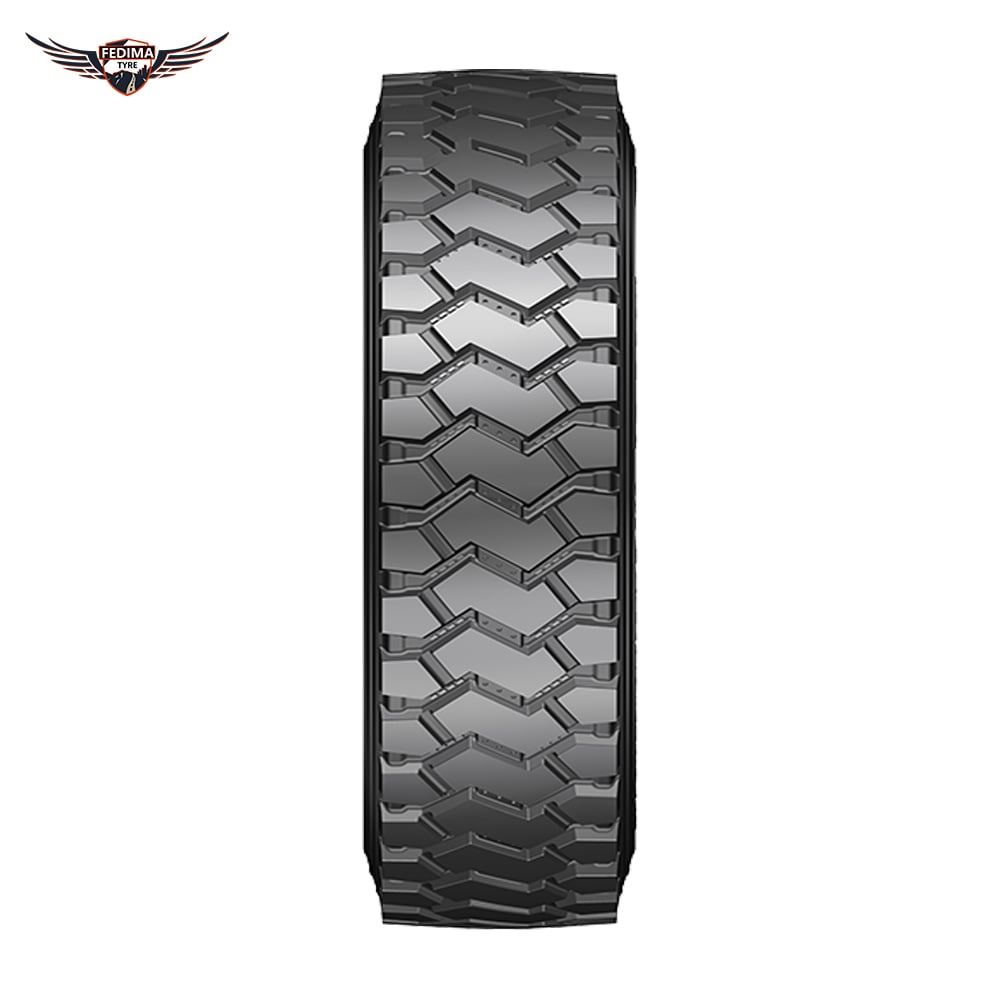
Selecting the right tyre factory that supports private label branding has become essential for businesses looking to establish their own brand identity in the competitive automotive and commercial vehicle market. A tyre factory capable of private label production allows you to differentiate your business while leveraging the technical expertise and infrastructure of an established manufacturer. Whether you operate in fleet management, retail distribution, or specialized transportation, partnering with a tyre factory that understands private label requirements can transform your market positioning and profitability.

Private label branding through a dedicated tyre factory represents a strategic opportunity to build customer loyalty and increase margins. Rather than reselling standard branded products, a tyre factory offering private label services enables you to create custom tire specifications, unique tread designs, and branded packaging that reflect your company's values and target market. This article explores the key considerations for finding and evaluating a tyre factory that genuinely supports private label operations, including production capabilities, quality assurance, customization options, and partnership terms.
Understanding Private Label Production at a Tyre Factory
What Makes a Tyre Factory Suitable for Private Label Work
Not every tyre factory has the operational flexibility or commitment to serve private label clients effectively. A tyre factory that specializes in private label branding must demonstrate advanced manufacturing infrastructure, including computer-controlled mixing systems, precision molding equipment, and automated quality inspection. The tyre factory should maintain modular production lines capable of switching between different tire specifications without excessive downtime. Additionally, a capable tyre factory will have experienced technical staff who can translate your brand requirements into manufacturing specifications, ensuring consistency across production batches.
The best tyre factory partners understand that private label customers require both flexibility and reliability. A professional tyre factory will work collaboratively with your design team to develop custom tire formulations, select appropriate rubber compounds, and optimize tread patterns for your specific applications. A tyre factory committed to private label success will also maintain transparent communication regarding production timelines, quality metrics, and inventory management, treating your business as a valued strategic partner rather than a secondary production run.
Quality Standards and Certification
Choosing a tyre factory with robust quality certifications is non-negotiable for private label operations. A reputable tyre factory should hold international certifications such as ISO 9001 for quality management, ECE R109 for commercial vehicle tires, or DOT certification for products sold in North America. These certifications indicate that the tyre factory maintains rigorous testing protocols, documented quality procedures, and consistent manufacturing standards. A certified tyre factory provides documented evidence that your private label tires meet regulatory requirements and industry performance benchmarks, protecting your brand reputation and reducing liability exposure.
Beyond standard certifications, a leading tyre factory will conduct comprehensive testing of every production batch, including load capacity verification, tread depth measurement, and durability assessments. A professional tyre factory typically maintains an in-house testing laboratory where your private label tires undergo verification before shipment. This commitment to quality control ensures that your brand delivers reliable products that meet customer expectations and regulatory compliance across all target markets.
Customization and Design Capabilities
Tread Design and Performance Specifications
A tyre factory supporting private label branding must offer customizable tread patterns tailored to your market segment and intended applications. Whether your private label tires target highway freight transport, specialized construction use, or regional distribution fleets, a capable tyre factory can develop custom tread geometries that optimize fuel efficiency, traction, and wear characteristics. The tyre factory should provide computer-aided design (CAD) modeling capabilities, allowing you to visualize tread patterns before production begins. A professional tyre factory will also conduct finite element analysis to predict tire performance under various load conditions, ensuring your private label products deliver superior value compared to standard alternatives.
The customization process at a forward-thinking tyre factory includes rubber compound optimization, which directly impacts tire longevity, temperature resistance, and fuel efficiency. A specialized tyre factory will adjust synthetic rubber ratios, carbon black content, and oil percentages based on your performance targets and climate conditions. This level of technical customization differentiates your private label tires in the marketplace and builds competitive advantage that extends beyond simple branding.
Production Volume Flexibility
A tyre factory that genuinely supports private label brands must accommodate variable production volumes without imposing prohibitive minimum order quantities or excessive setup fees. Seasonal demand fluctuations, market expansion, or new customer acquisition often require production flexibility that standard tire suppliers cannot provide. A responsive tyre factory will structure private label agreements allowing volume scaling, supporting your business growth without forcing inventory overstock. The tyre factory should also offer reasonable lead times, typically between four to eight weeks, enabling you to maintain optimal stock levels while responding to market demand changes.
Transparent pricing structures are equally important when evaluating a tyre factory for private label partnerships. A trustworthy tyre factory will provide detailed cost breakdowns showing raw material expenses, labor, tooling, and quality control charges. This transparency allows you to understand pricing drivers and identify cost optimization opportunities as production volumes increase. A professional tyre factory partner will also establish price stability windows, protecting your margins from sudden material cost spikes while ensuring fair compensation for quality improvements.
Partnership Terms and Technical Support
Service Level Agreements and Communication
A tyre factory committed to private label success will establish formal service level agreements (SLAs) detailing production schedules, quality metrics, delivery timelines, and dispute resolution procedures. A reliable tyre factory typically guarantees 98 percent or higher on-time delivery rates and maintains responsive technical support through dedicated account managers. The tyre factory should provide real-time production updates, allowing you to track your private label orders throughout manufacturing and quality verification stages. Regular communication channels between your team and the tyre factory facilitate rapid problem-solving if production issues arise, minimizing disruption to your supply chain.
The best tyre factory partners invest in long-term relationships by offering collaborative planning sessions, quarterly business reviews, and performance analysis reports. A professional tyre factory will proactively share market insights, material availability updates, and technology advancements relevant to your private label strategy. This consultative approach ensures your partnership evolves as market conditions change and your business scaling requirements increase.
Intellectual Property Protection
When partnering with a tyre factory for private label production, intellectual property protections must be clearly defined in your manufacturing agreement. A reputable tyre factory will maintain confidentiality regarding your custom tire specifications, design files, and proprietary manufacturing processes. The agreement should explicitly prevent the tyre factory from producing identical tires for competing brands or disclosing your technical specifications to third parties. A trustworthy tyre factory operates under non-disclosure agreements (NDAs) that legally protect your investments in custom tire development and brand identity.
Documentation of intellectual property ownership is crucial when working with any tyre factory. Your manufacturing agreement should clearly specify that custom mold designs, tread patterns, and proprietary formulations remain your exclusive property. A professional tyre factory will cooperate fully with these protections, understanding that your investment in private label differentiation must be legally secured. This clarity prevents future disputes and establishes a solid foundation for long-term partnership trust.
FAQ
What production volumes qualify for private label opportunities at a tyre factory?
Most modern tyre factory operations can accommodate private label orders starting at 5,000 to 10,000 units per production run, though some established manufacturers accept smaller volumes for established partners. A progressive tyre factory recognizes that new private label brands often require smaller initial runs to test market response before scaling. The tyre factory should be willing to discuss flexible volume arrangements and offer volume-based pricing incentives as your private label business grows. Start-up private label brands should actively seek a tyre factory willing to partner on smaller volumes with clear pathways to larger production runs as market penetration increases.
How long does custom tire development typically take at a tyre factory?
Custom tire development through a capable tyre factory typically requires three to six months from initial design specifications through prototype testing and final production tooling. A collaborative tyre factory will invest time in understanding your performance requirements, conducting computational analysis, and refining tread patterns iteratively. Once prototypes are approved and production molds are manufactured, the tyre factory can typically begin commercial production within four to eight weeks. Accelerated timelines are possible for simpler modifications to existing tread designs, allowing an efficient tyre factory to support faster time-to-market for emerging private label brands.
What quality guarantees should you expect from a professional tyre factory?
A premium tyre factory supporting private label branding should guarantee product compliance with international standards including ISO, DOT, and ECE regulations applicable to your target markets. The tyre factory should maintain documented quality control procedures with defect rates typically below one percent and offer warranty coverage aligned with industry standards. A responsible tyre factory will also provide batch testing reports, tread uniformity data, and performance certification documentation for each production run. Your manufacturing agreement should clearly specify quality penalties, replacement procedures, and dispute resolution mechanisms if the tyre factory fails to meet agreed-upon quality standards.