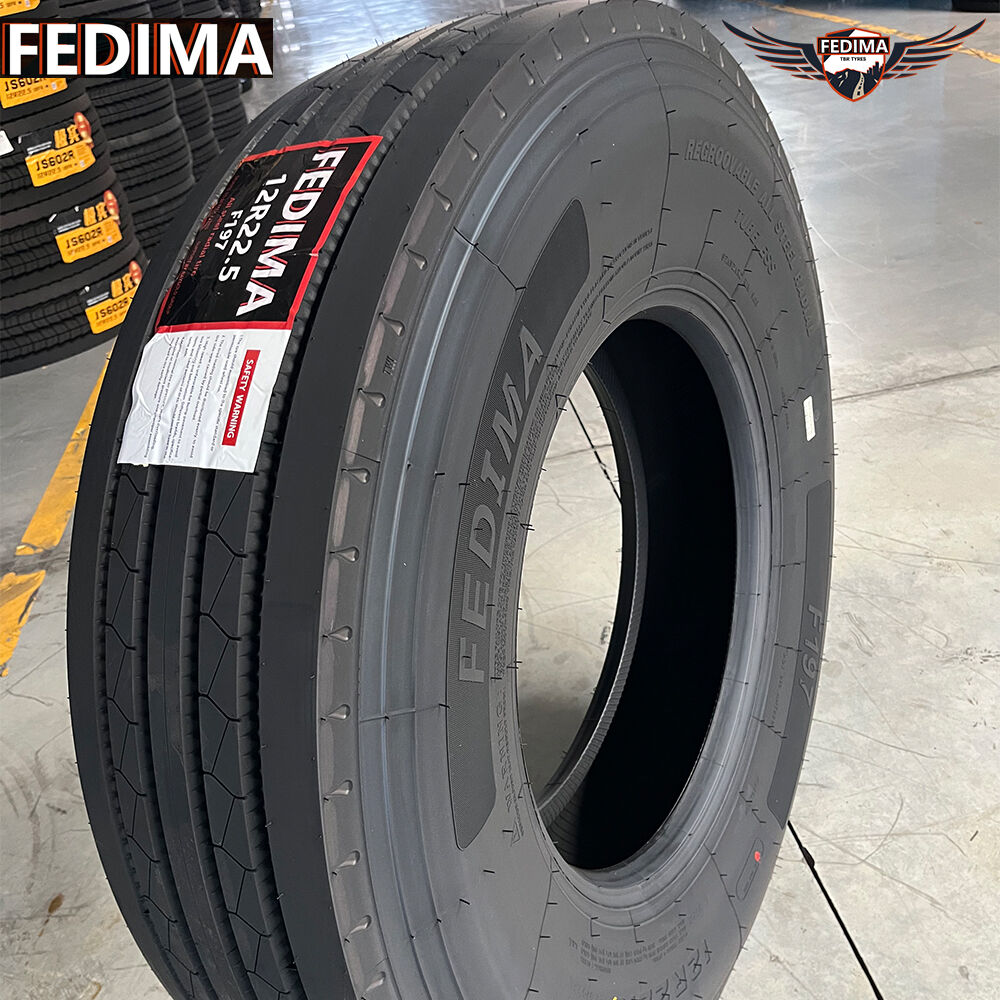
truck steer tires
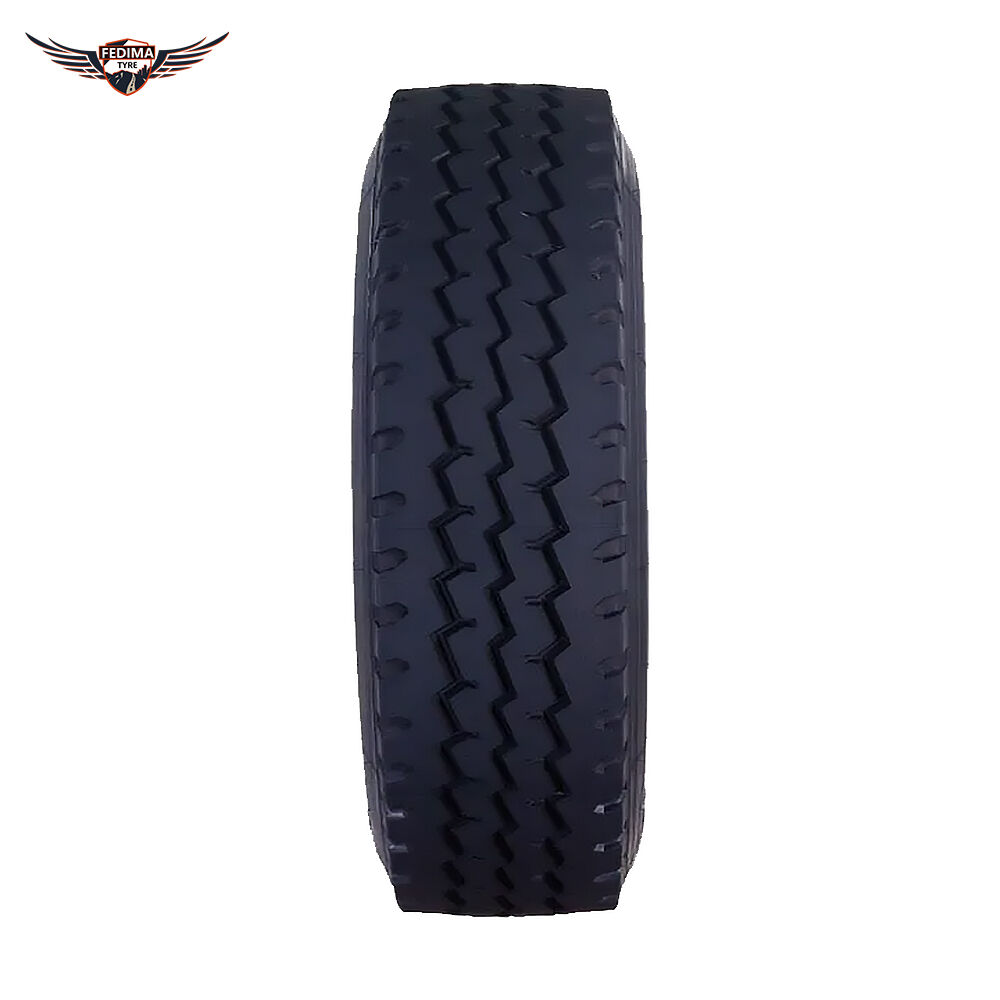
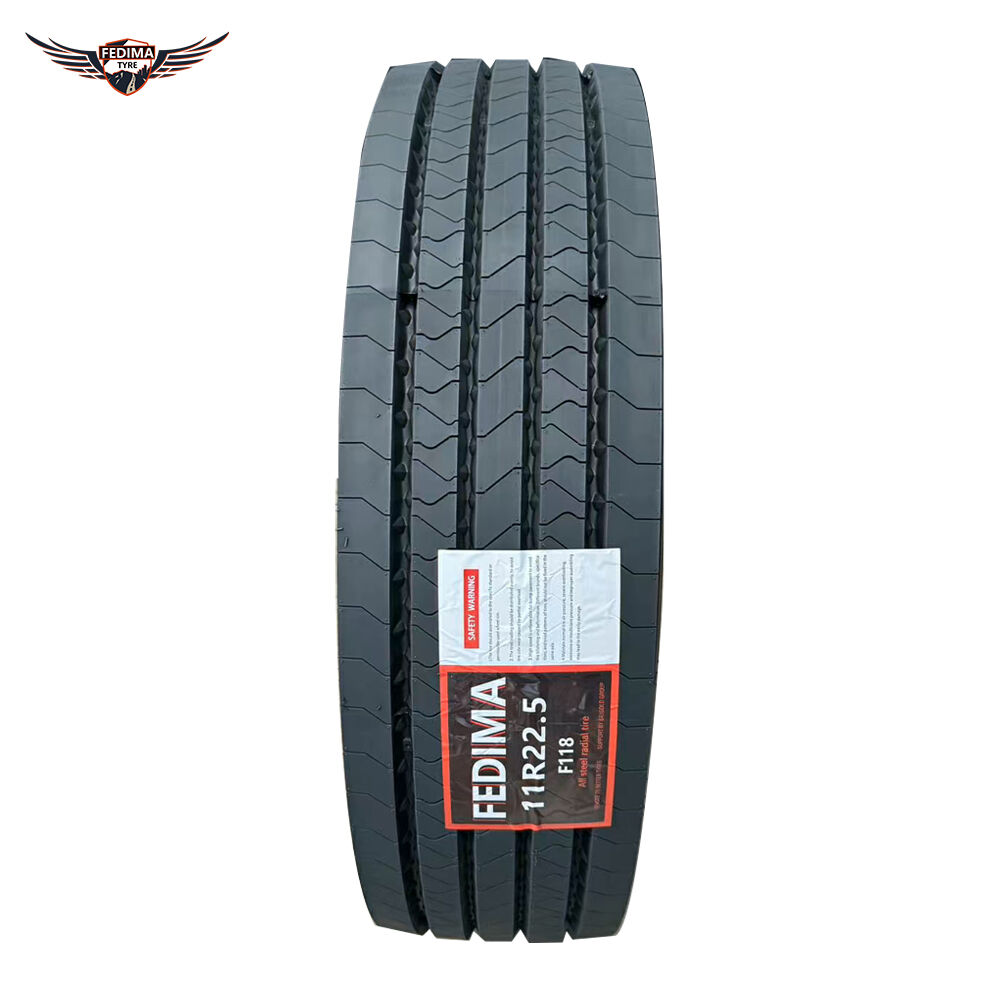
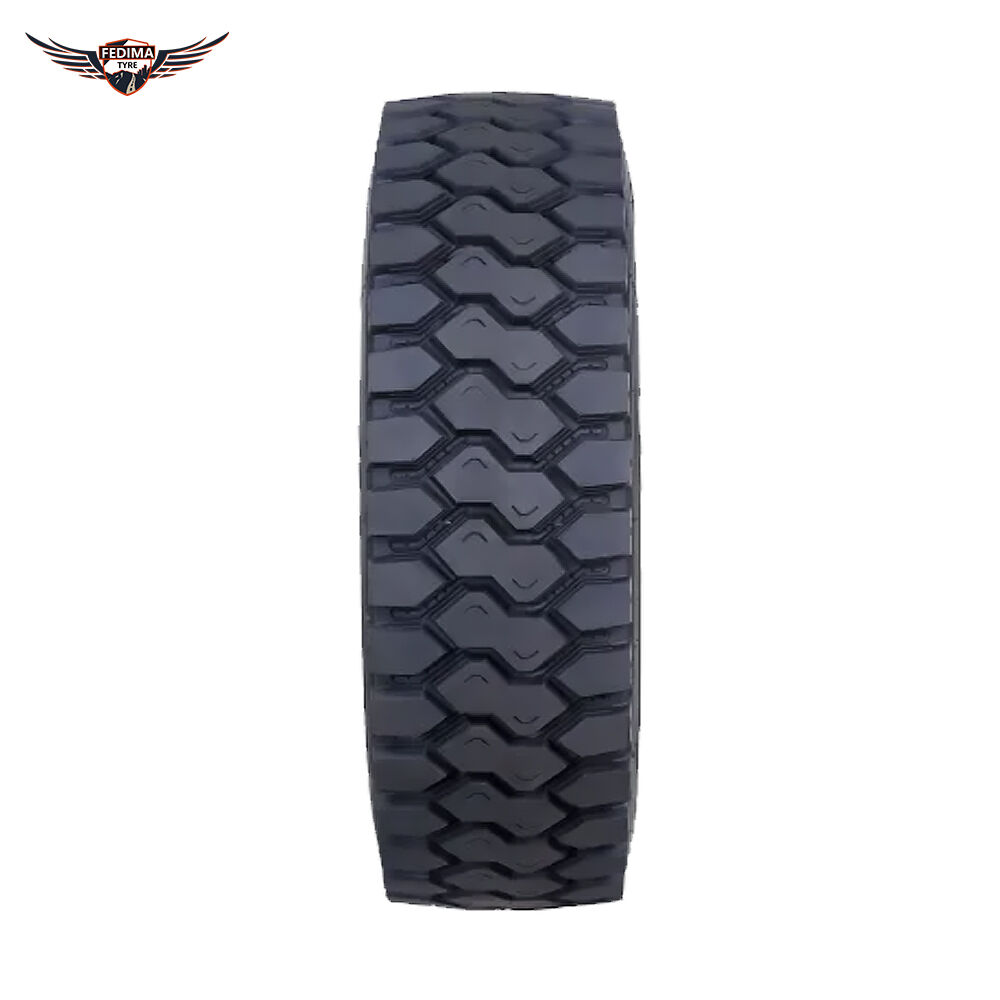
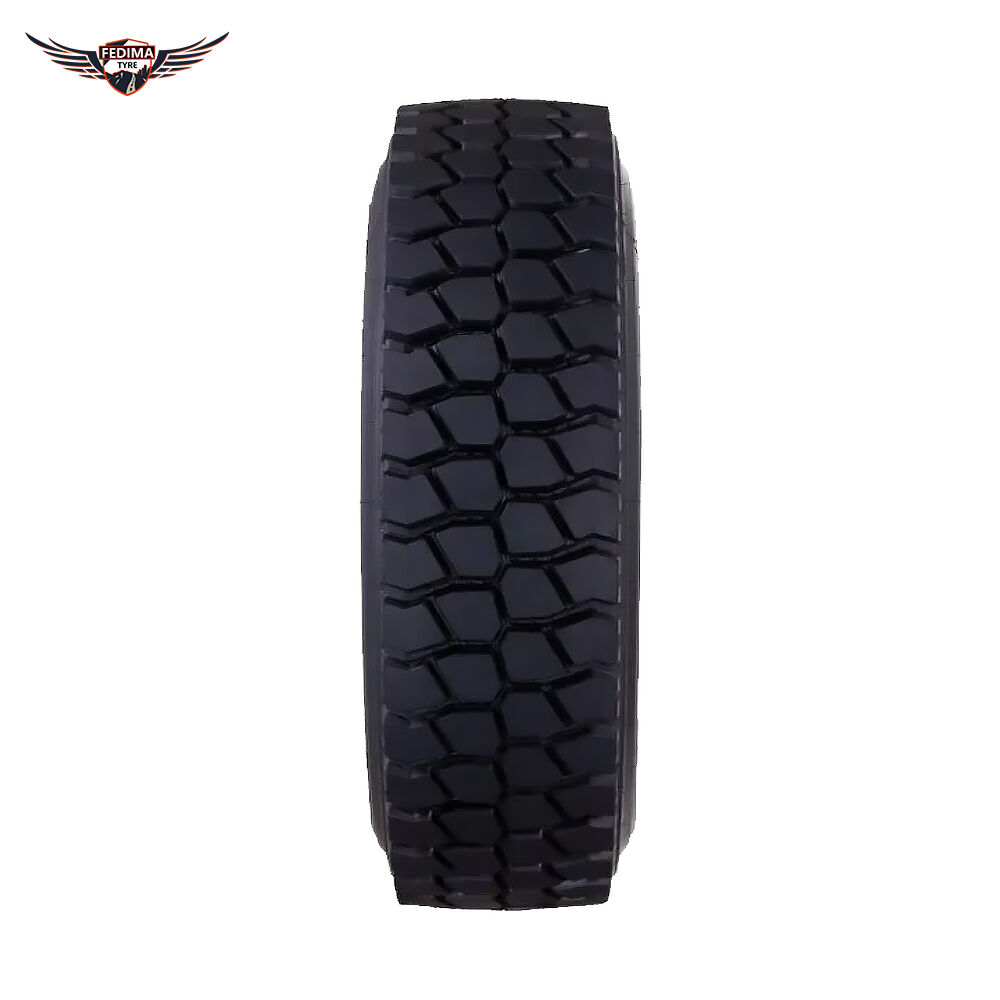
Truck steer tires represent a critical component in commercial vehicle operations, serving as the primary interface between heavy-duty trucks and the road surface for steering control and directional stability. These specialized tires are engineered specifically for the front axle position, where they bear the responsibility of translating driver input into precise vehicle movement while maintaining optimal traction and handling characteristics under demanding conditions. The main functions of truck steer tires extend beyond basic steering response to encompass load distribution, braking performance, and overall vehicle stability during various operational scenarios. Modern truck steer tires incorporate advanced rubber compounds that deliver exceptional grip on both wet and dry surfaces, ensuring reliable performance across diverse weather conditions and road types. The technological features integrated into contemporary truck steer tires include sophisticated tread patterns designed to evacuate water effectively, reducing hydroplaning risks during wet weather operations. Reinforced sidewall construction provides enhanced durability against curb damage and impacts commonly encountered in urban delivery environments. Steel belt packages within the tire structure offer superior puncture resistance and maintain structural integrity under heavy loads. Advanced silica-enhanced compounds improve fuel efficiency by reducing rolling resistance while maintaining necessary traction properties. Temperature-resistant materials ensure consistent performance across extreme operating conditions, from scorching summer highways to freezing winter routes. The applications for truck steer tires span numerous commercial sectors, including long-haul transportation, regional delivery services, construction operations, and municipal fleet vehicles. Each application demands specific performance characteristics, leading manufacturers to develop specialized variants optimized for particular use cases. Long-distance trucking requires tires with exceptional wear resistance and fuel efficiency, while urban delivery applications prioritize maneuverability and curb protection. Construction environments demand robust construction to withstand debris and rough terrain, whereas highway applications focus on high-speed stability and comfort.

 EN
EN