mining tires
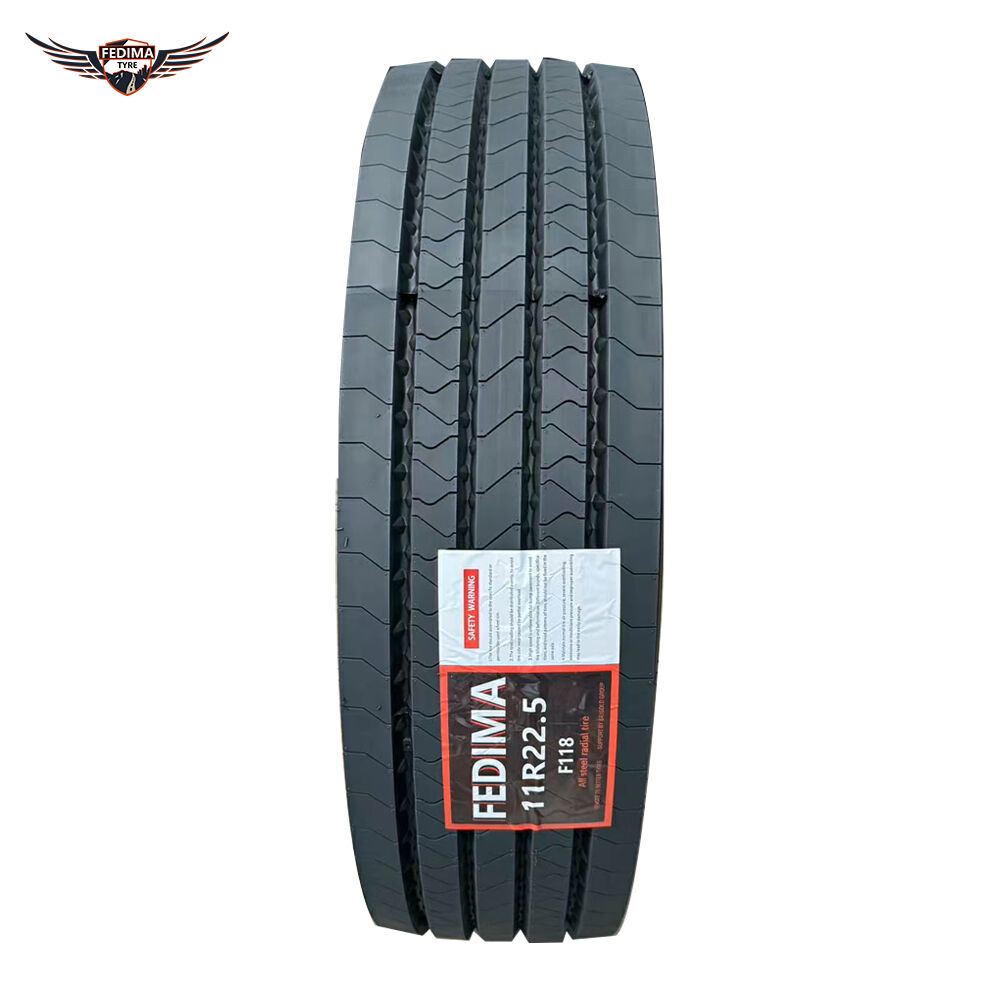
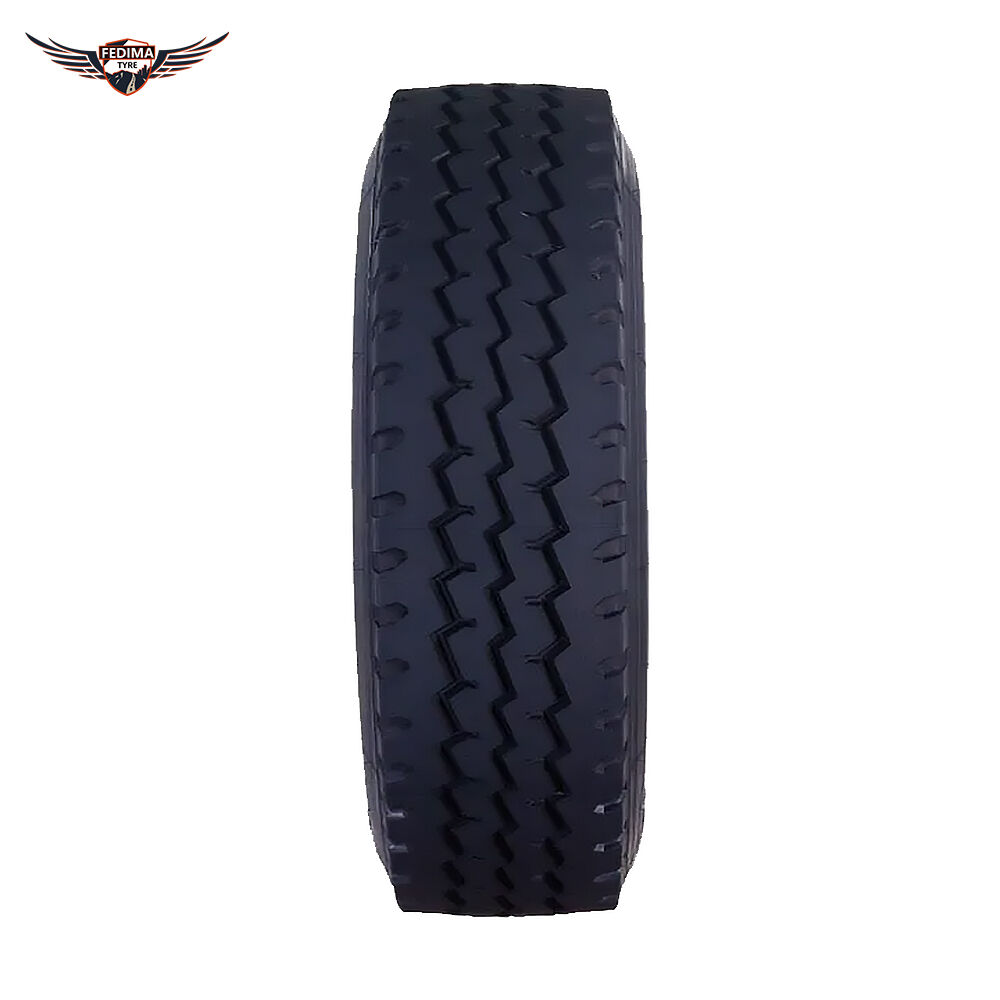
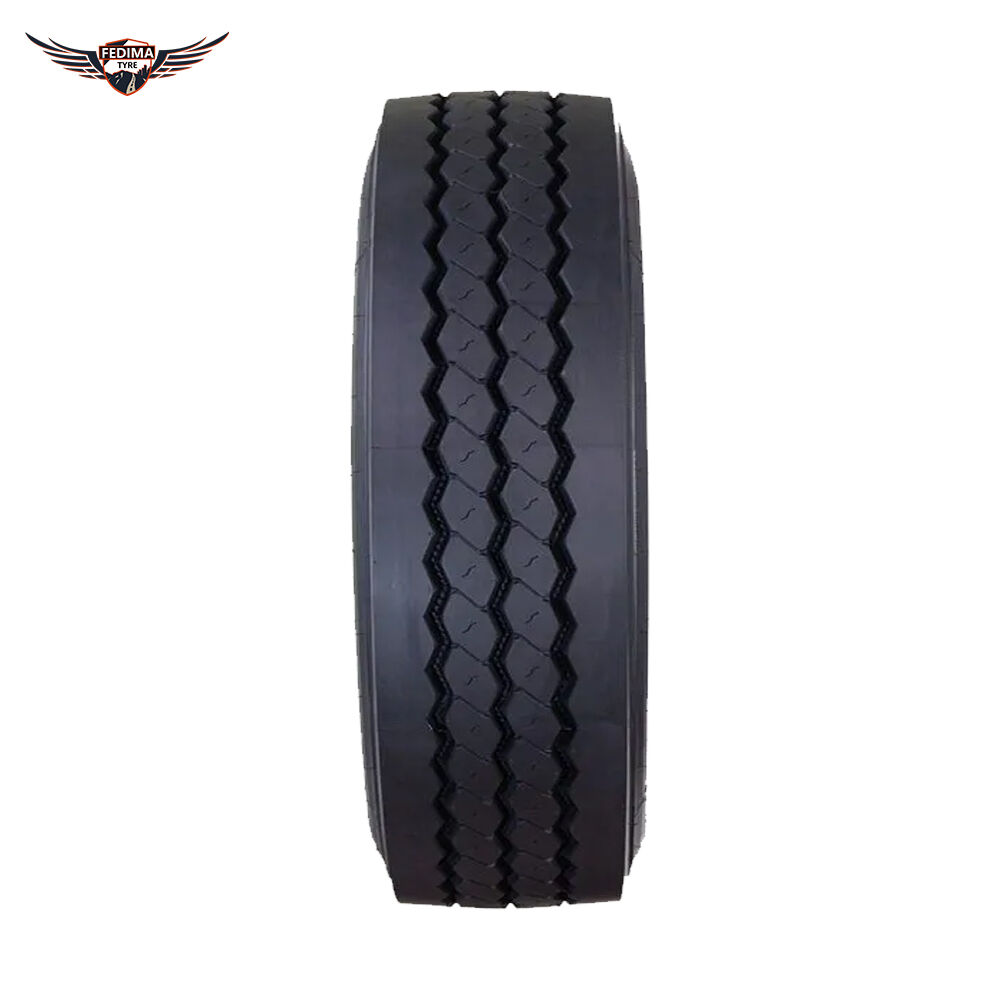
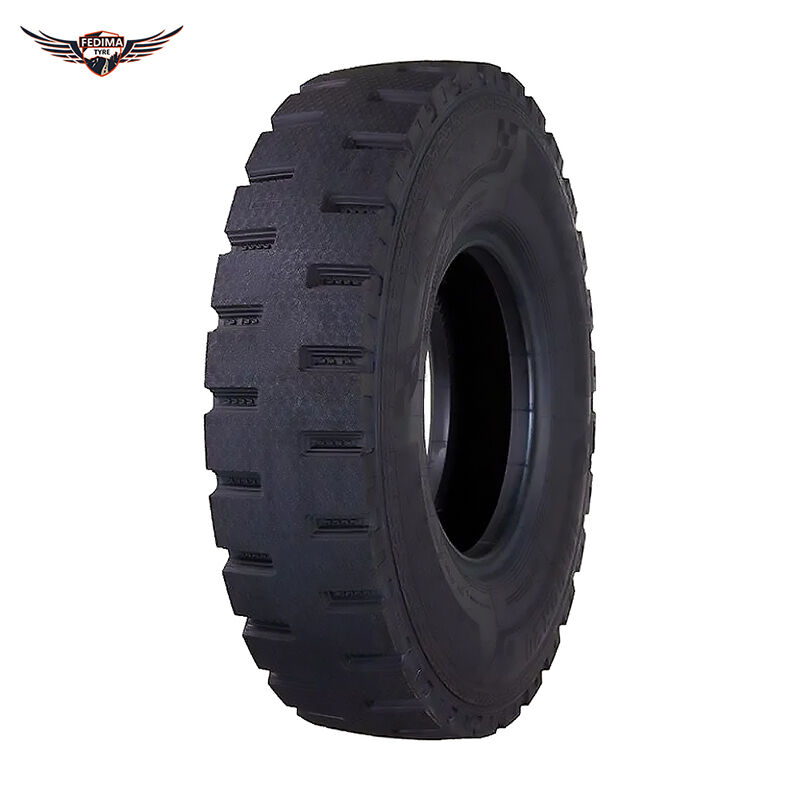
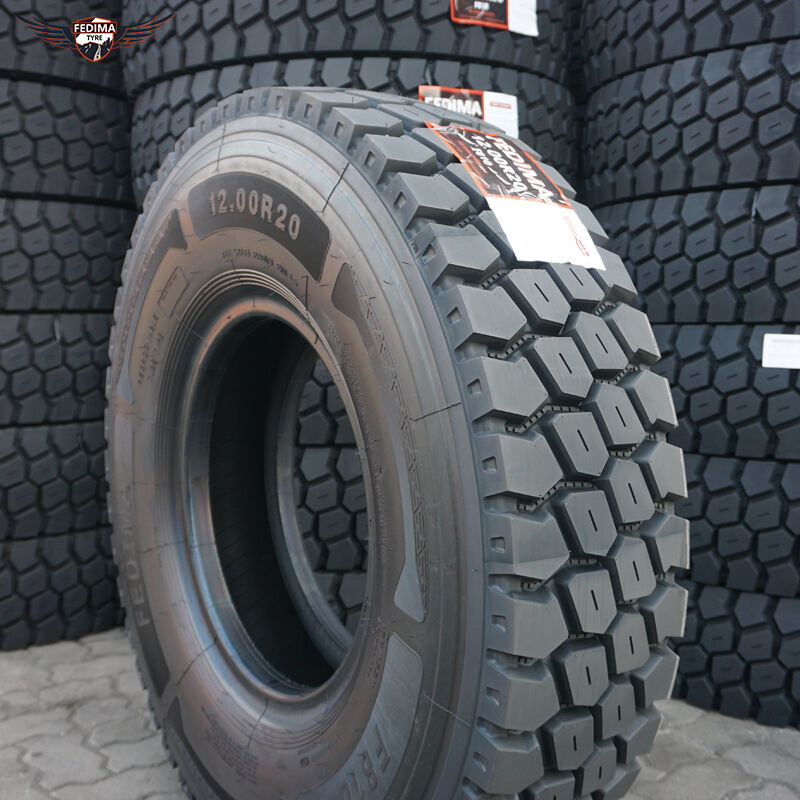
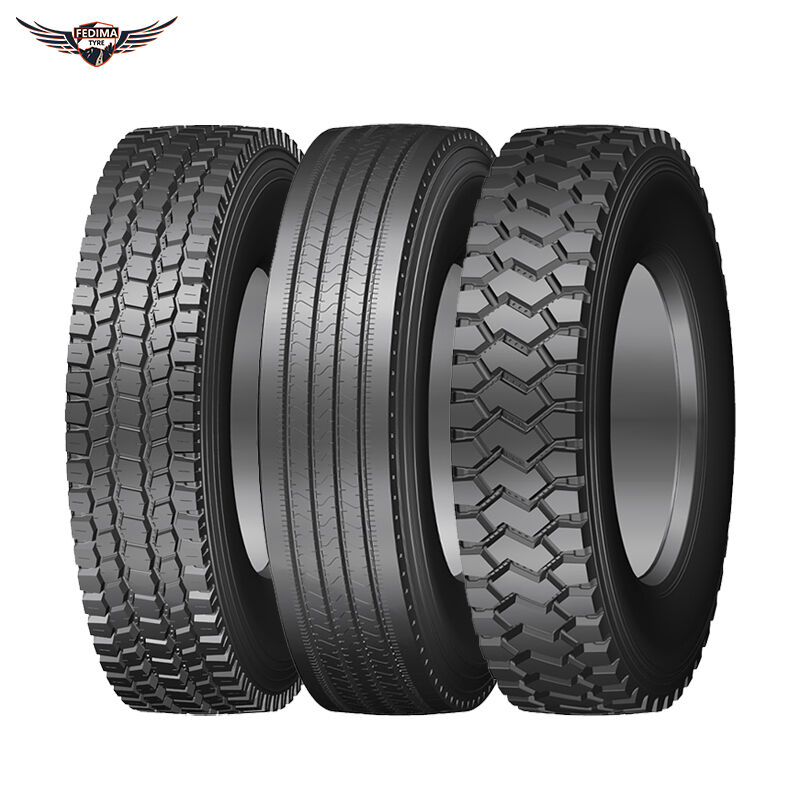
Mining tires represent a critical component in the heavy-duty industrial landscape, specifically engineered to withstand the most demanding operational conditions found in mining environments. These specialized rubber products serve as the foundation for massive earthmoving equipment, including haul trucks, loaders, dozers, and excavators that operate continuously in harsh terrains. The primary function of mining tires extends beyond simple mobility, encompassing load distribution, shock absorption, and traction optimization across various surface conditions ranging from rocky terrain to muddy pathways. Technological features integrated into modern mining tires include advanced tread compounds formulated with cut-resistant materials, reinforced sidewall construction using steel belts and fabric layers, and heat-dissipating designs that prevent thermal buildup during extended operations. The sophisticated engineering behind these tires incorporates deep lug patterns for maximum grip, self-cleaning capabilities to maintain traction in sticky conditions, and puncture-resistant compounds that minimize downtime due to tire failures. Applications for mining tires span across surface mining operations, underground mining facilities, quarries, construction sites, and industrial complexes where heavy machinery must navigate challenging environments while carrying substantial loads. The tire architecture features multiple layers of reinforcement materials, including steel cord belts that provide structural integrity and fabric plies that offer flexibility during operation. Advanced rubber compounds resist wear from abrasive materials commonly encountered in mining operations, while specialized tread designs channel debris away from the contact surface. Temperature management systems built into the tire structure prevent overheating during prolonged use, extending operational life and maintaining performance consistency. These mining tires must meet stringent safety standards while delivering reliable performance in environments where equipment failure can result in significant operational delays and safety hazards.

 EN
EN