light truck winter tires
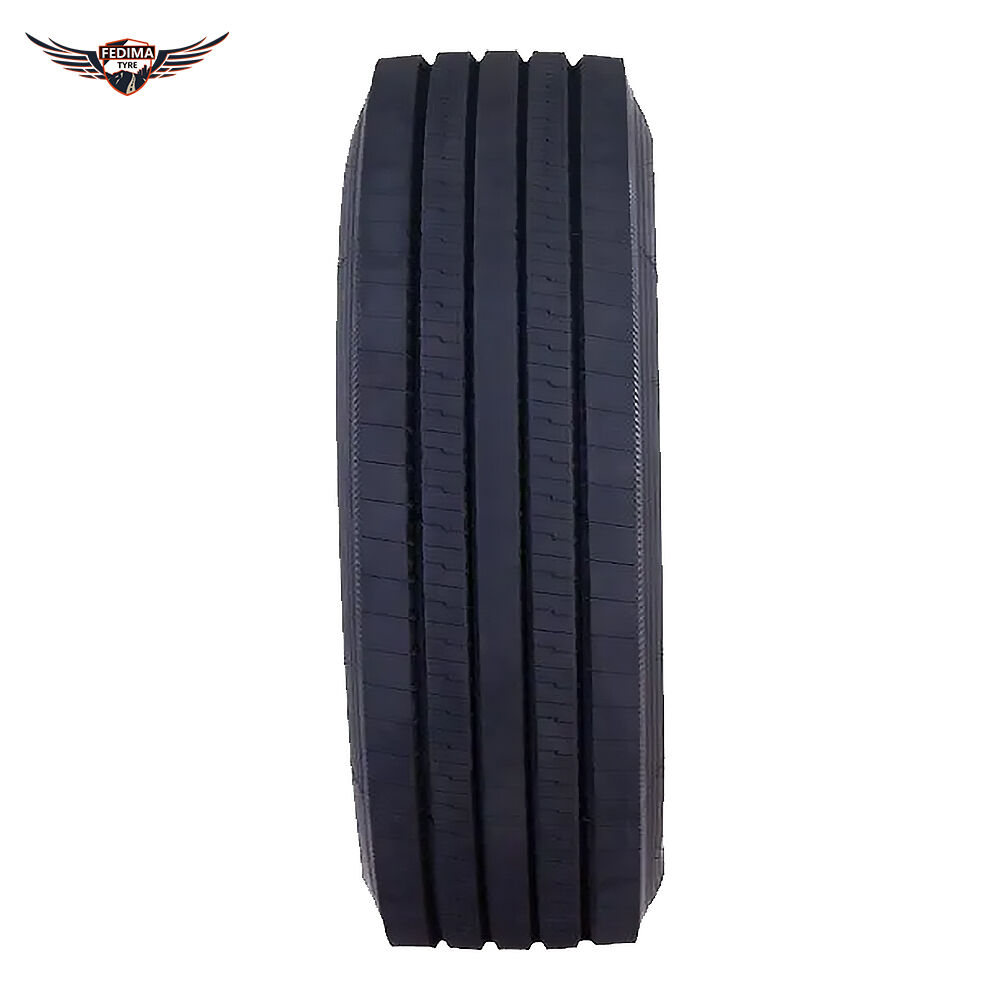
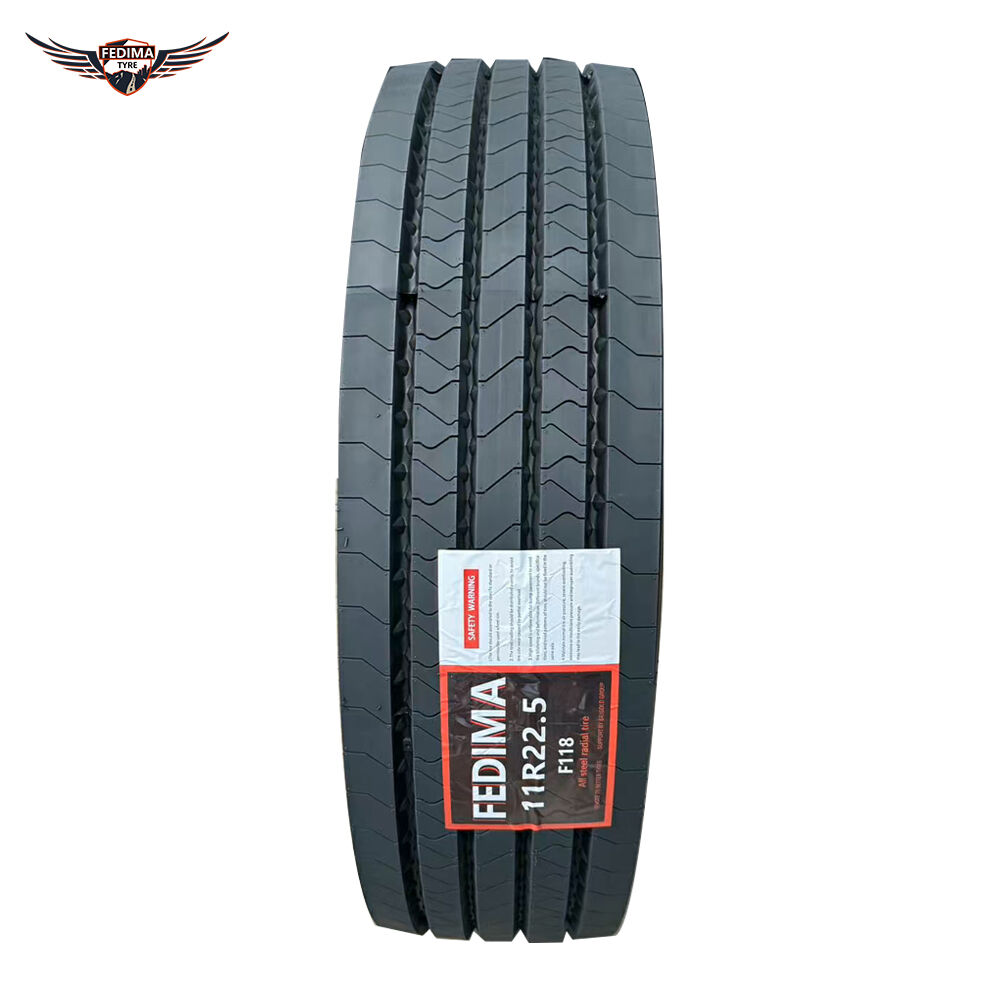
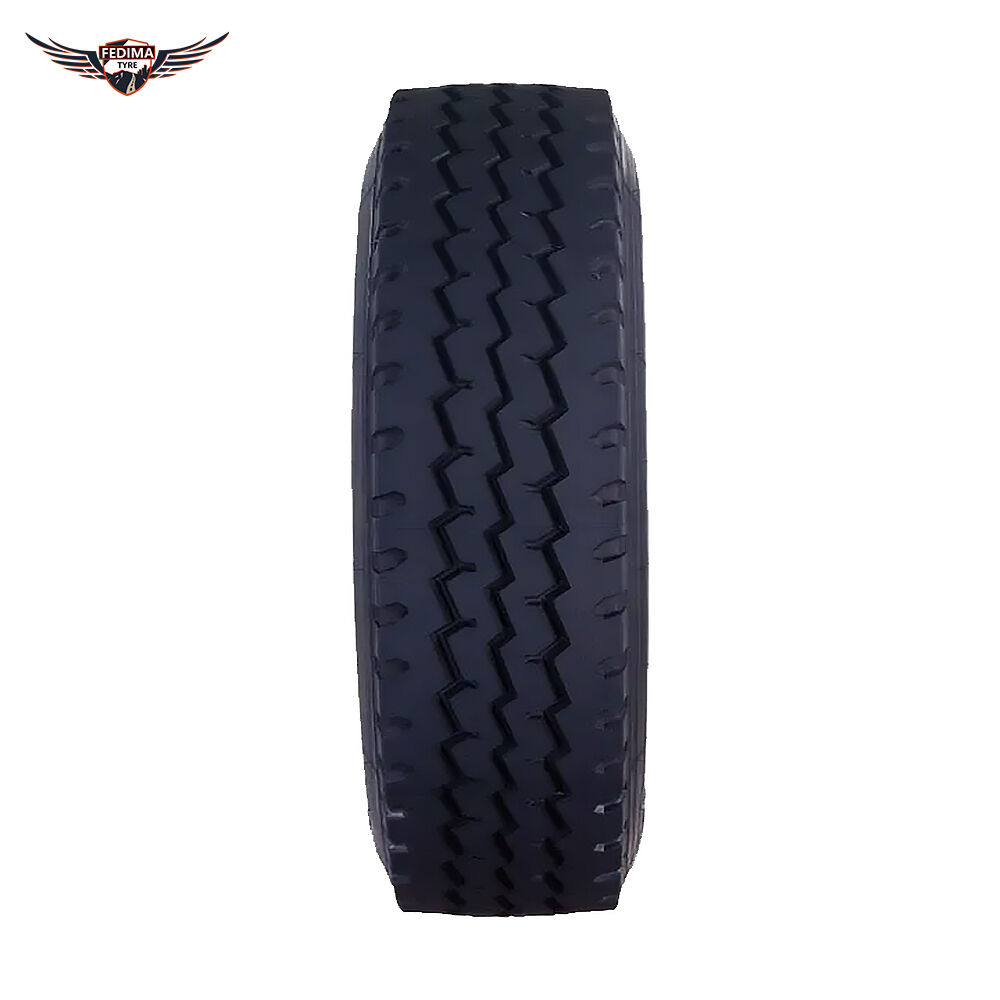
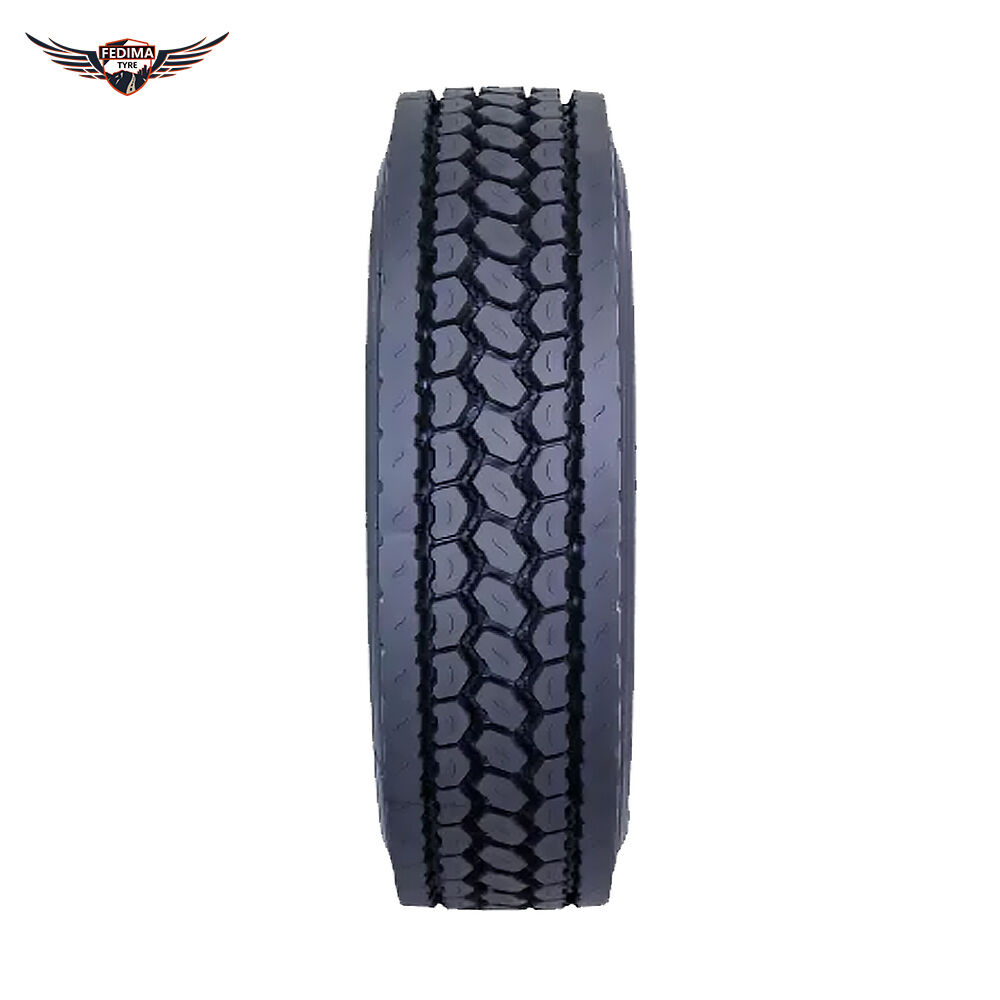
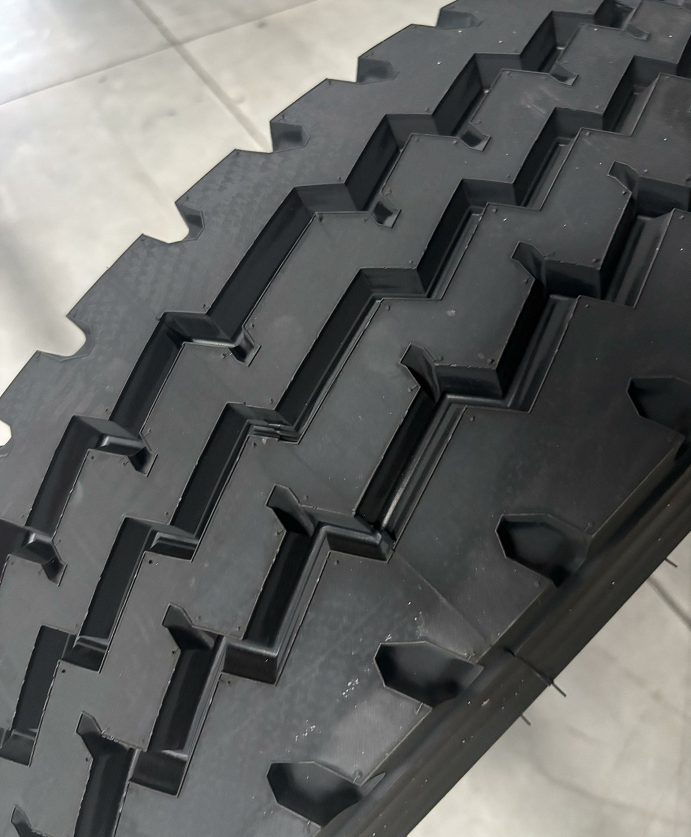
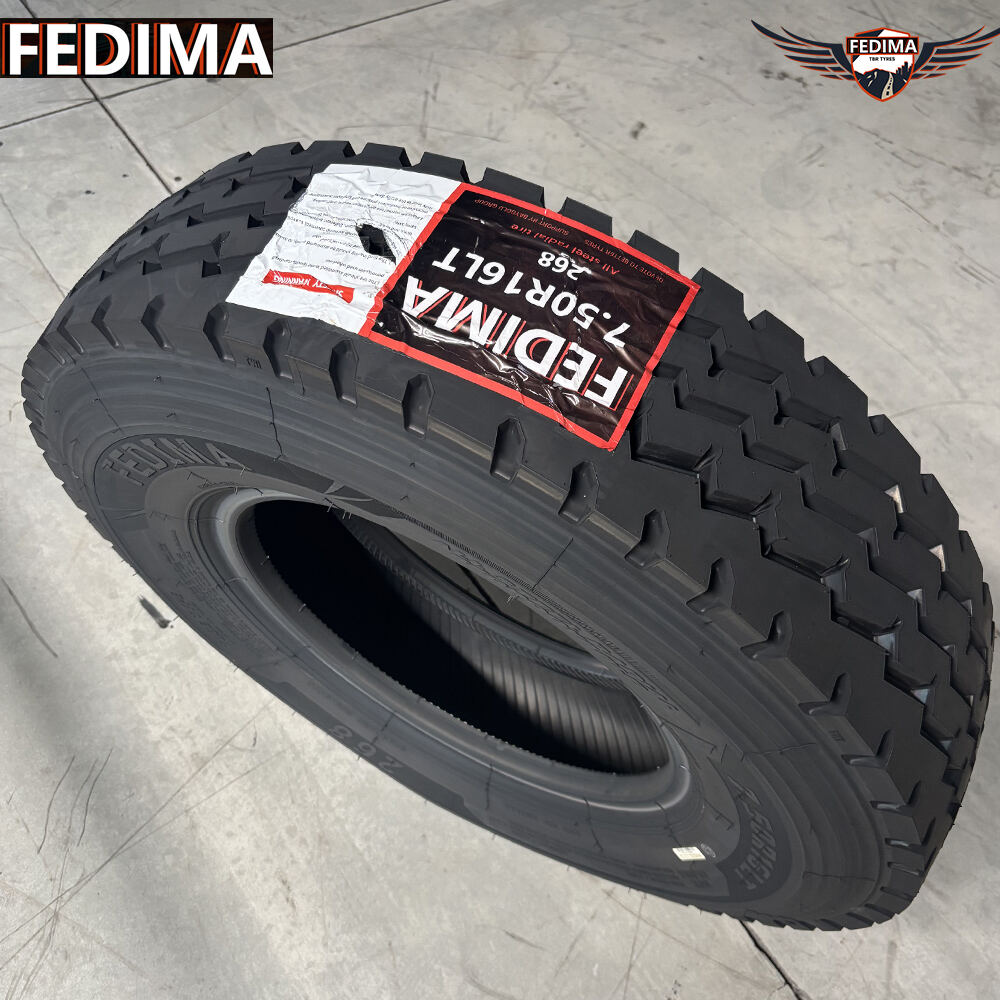
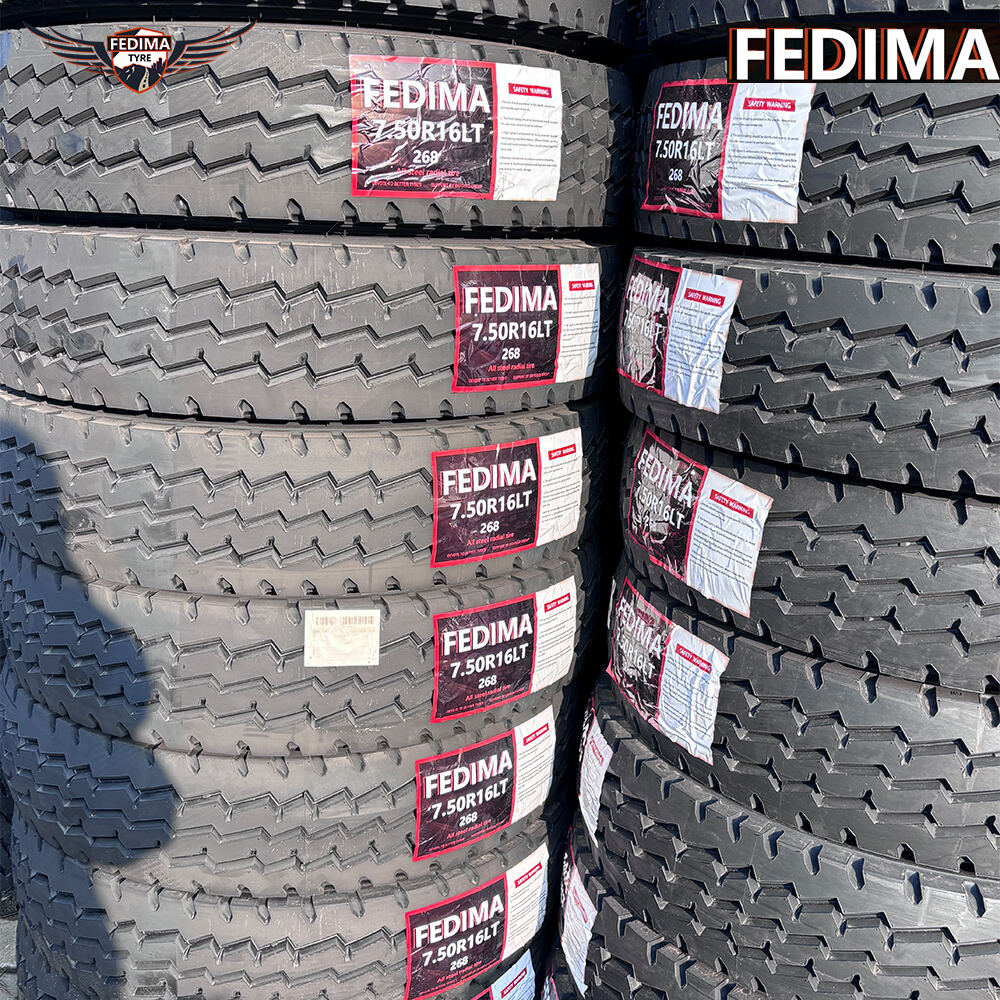
Light truck winter tires represent a specialized category of automotive equipment designed specifically to enhance safety and performance during harsh winter conditions. These tires are engineered to meet the unique demands of light trucks, pickups, and commercial vehicles that operate in snow, ice, and freezing temperatures. The primary function of light truck winter tires centers on providing superior traction, stability, and control when roads become treacherous due to winter weather conditions. Unlike standard all-season tires, these specialized winter variants utilize advanced rubber compounds that remain flexible even in extremely cold temperatures, typically below 45 degrees Fahrenheit. This flexibility ensures optimal grip and handling characteristics that deteriorate significantly in conventional tires during winter months. The technological features of light truck winter tires include deeper tread patterns with aggressive siping designs that create thousands of biting edges to grip snow and ice surfaces effectively. Many models incorporate directional tread patterns that channel slush and water away from the contact patch, reducing the risk of hydroplaning on wet winter roads. Advanced manufacturing techniques produce tires with reinforced sidewalls that can handle the increased loads typical of light truck applications while maintaining the flexibility needed for winter performance. These tires often feature specialized tread compounds that include silica and other additives to enhance cold-weather grip without sacrificing durability. Applications for light truck winter tires extend across various industries and personal use scenarios. Commercial delivery services rely on these tires to maintain schedules during winter weather, while construction companies use them to ensure jobsite accessibility throughout cold months. Personal truck owners benefit from enhanced safety during winter commuting, recreational activities like skiing or snowmobiling, and emergency situations where reliable traction becomes critical for family safety and vehicle recovery.

 EN
EN