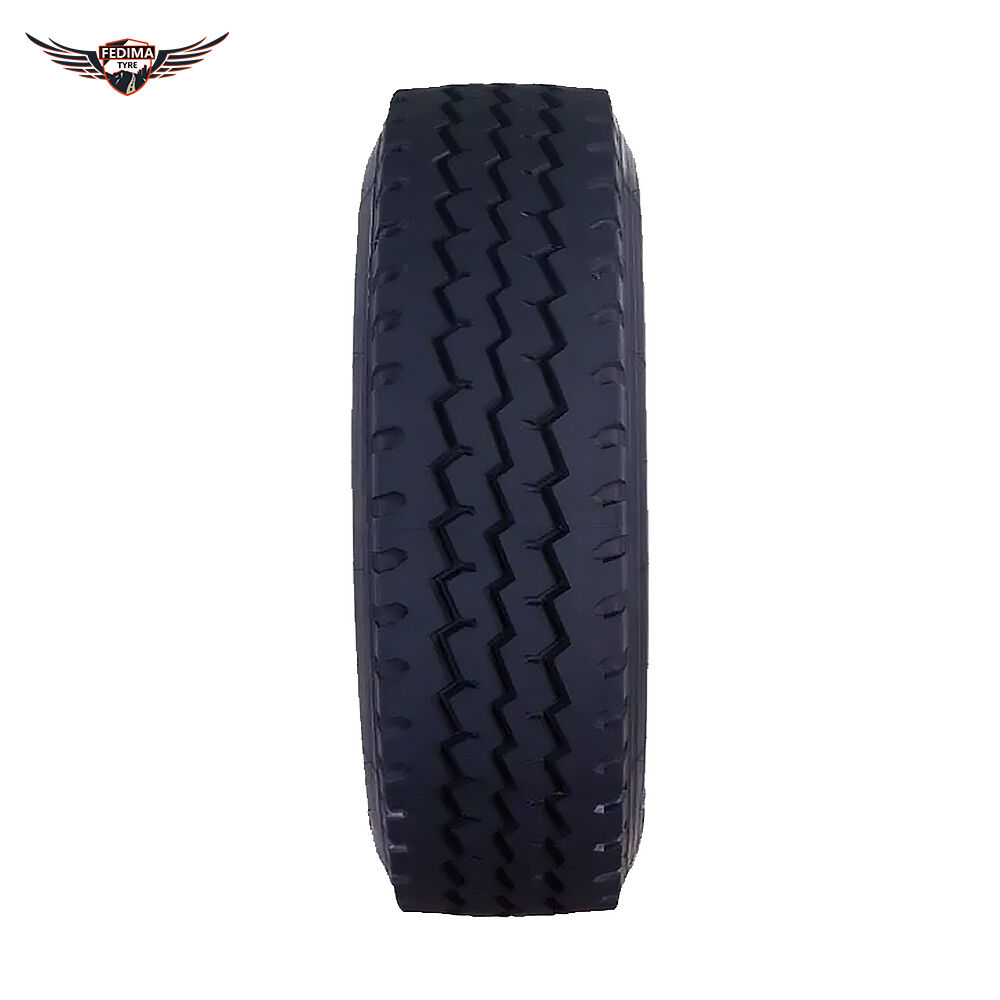
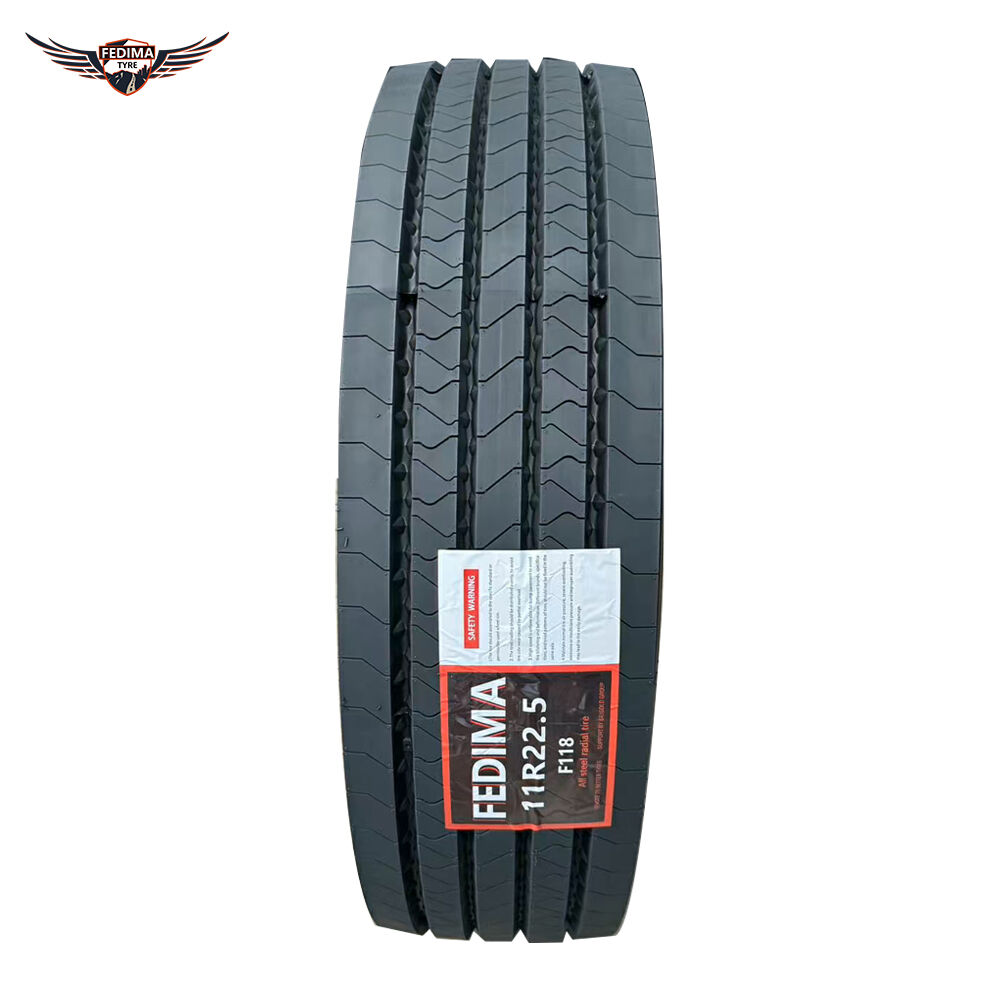
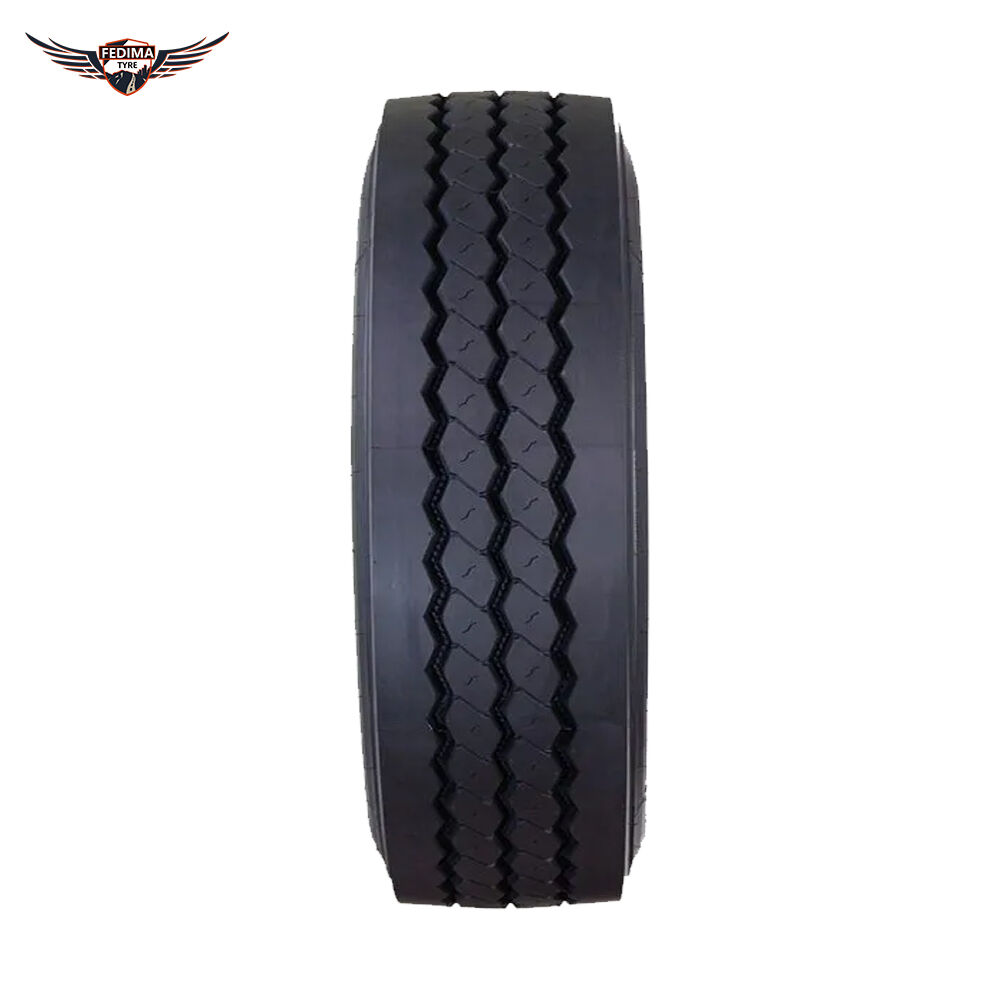
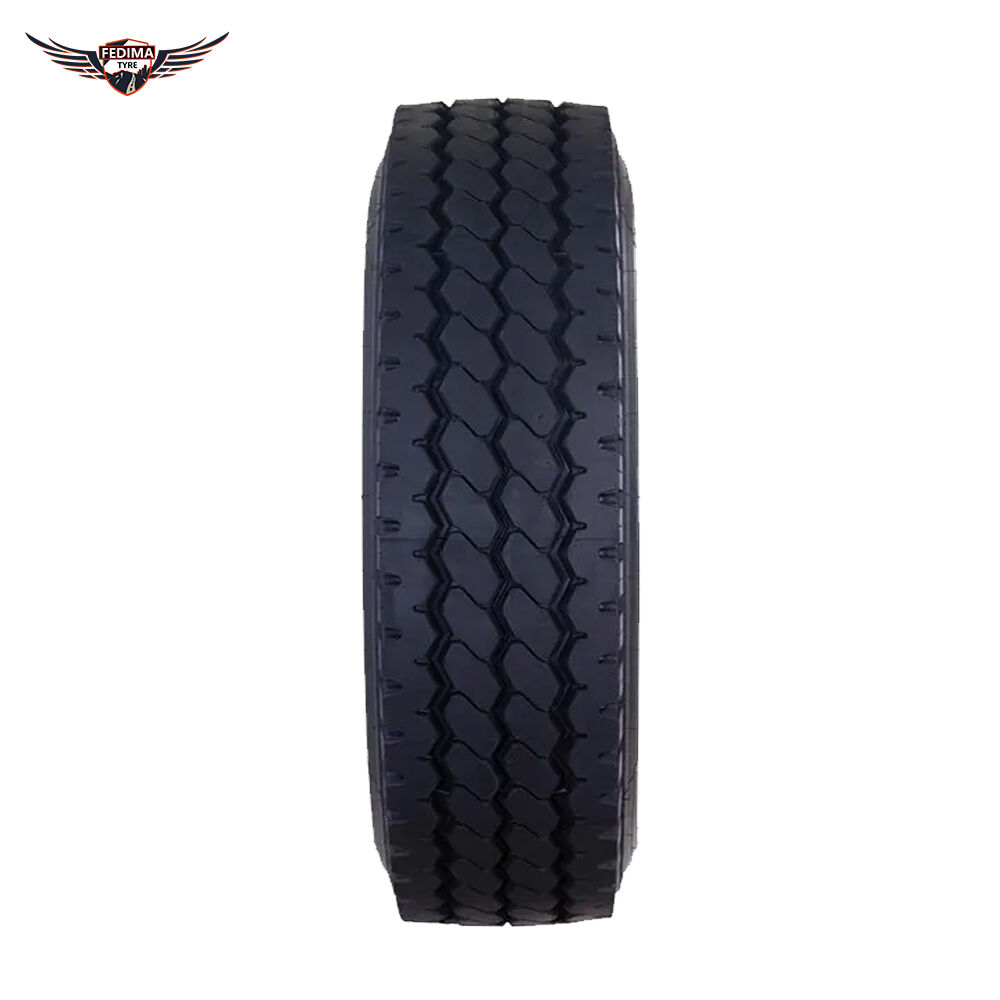
Wzmocniona konstrukcja dla maksymalnej trwałości
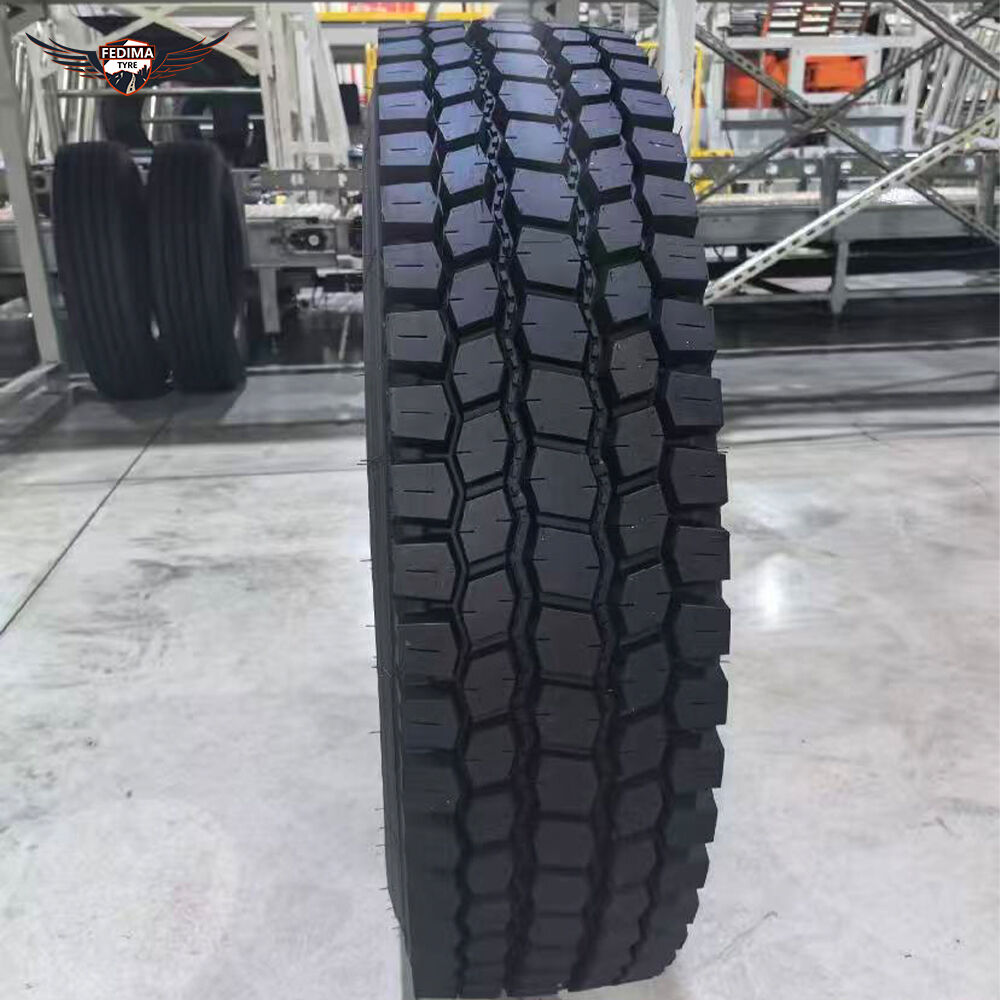
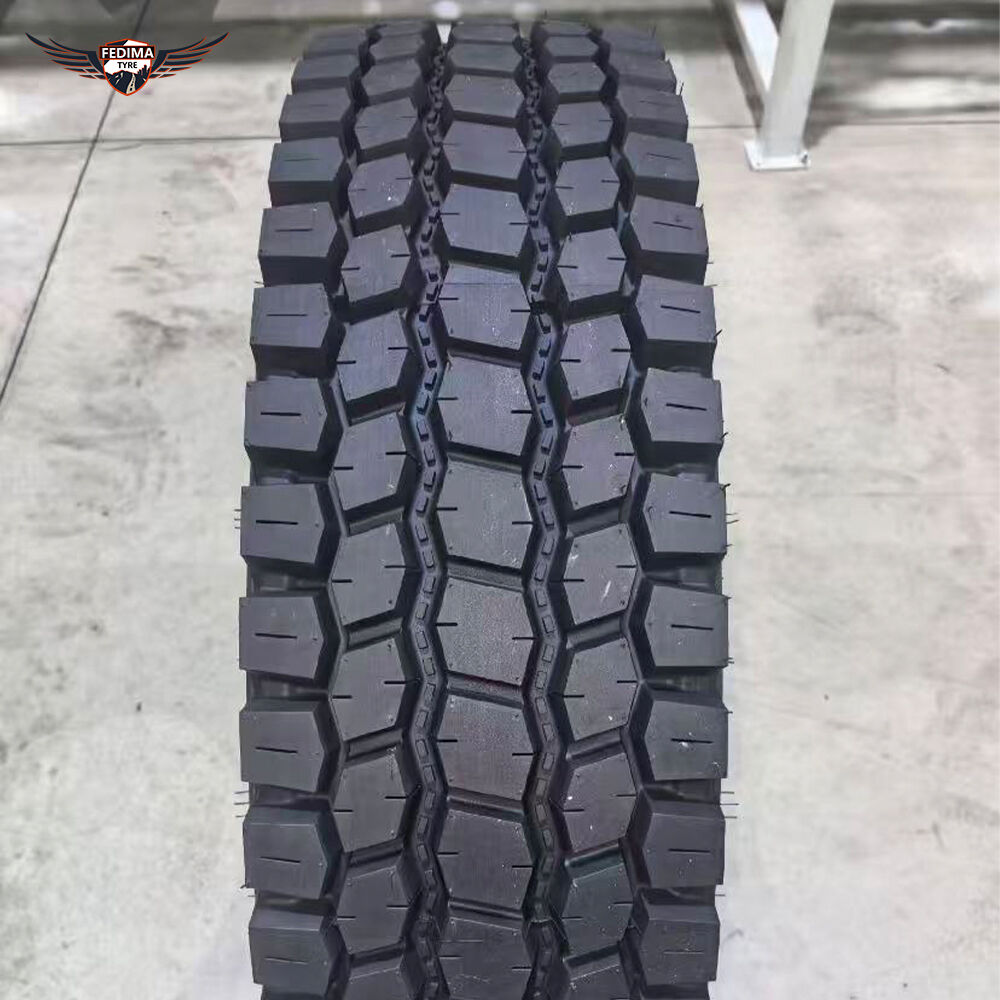
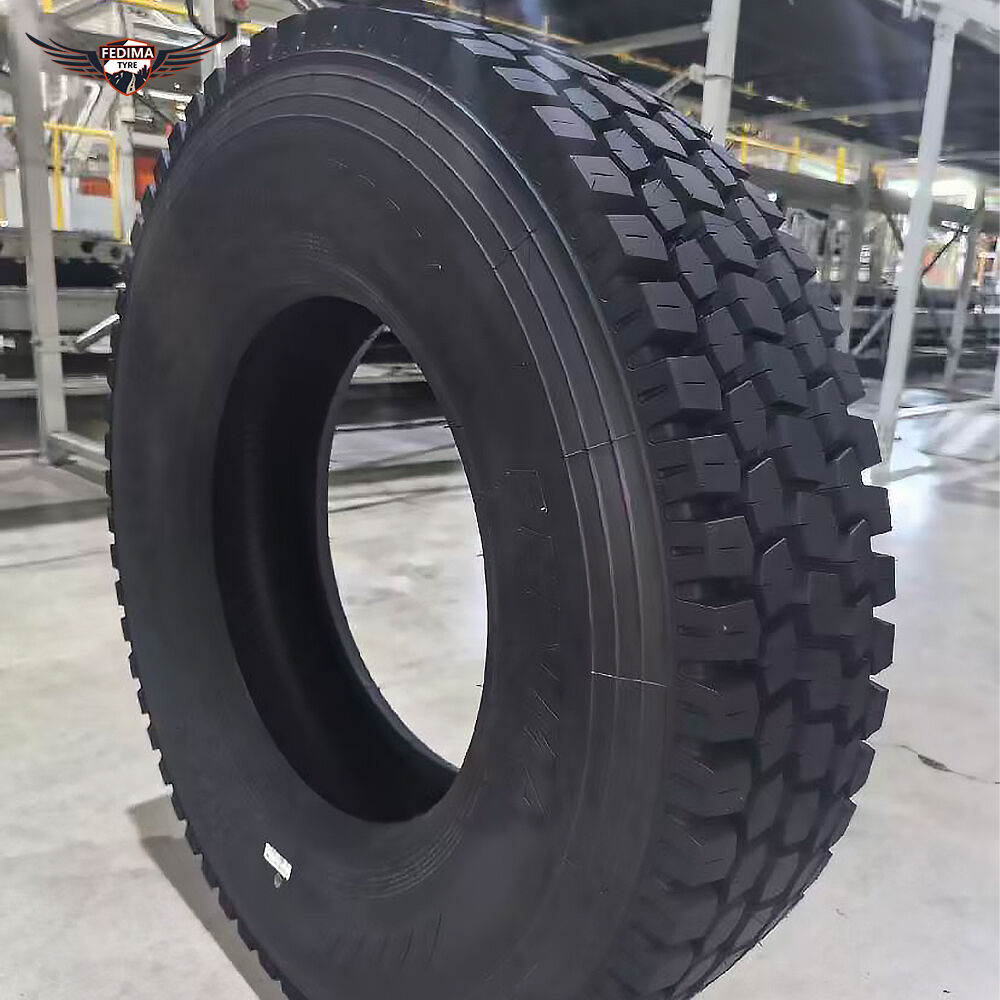
Opona napędowa charakteryzuje się zaawansowanym, wielowarstwowym systemem konstrukcyjnym zaprojektowanym tak, aby wytrzymać wymagające obciążenia występujące w nowoczesnych zastosowaniach transportowych. Ten wysoce zaawansowany układ wewnętrzny łączy wysokowytrzymałowe paski stalowe z warstwami specjalnej tkaniny, zapewniając wyjątkową trwałość przy jednoczesnym zachowaniu komfortu jazdy oraz pożądanych właściwości eksploatacyjnych. Pakiet pasów wykonany jest z precyzyjnie nawiniętych kabli stalowych ułożonych pod określonymi kątami, co optymalizuje rozkład obciążeń i zapobiega odkształceniom pod wpływem dużych ciężarów lub jazdy z wysoką prędkością. Takie podejście inżynierskie gwarantuje, że opona napędowa zachowuje swoje pierwotne kształty i właściwości eksploatacyjne przez cały okres użytkowania, nawet w trudnych warunkach eksploatacyjnych. Konstrukcja bocznic zawiera wzmocnione mieszanki gumowe odporno na przebicia, cięcia oraz ścieranie, które często występują w codziennej jeździe. Ta wzmocniona ochrona bocznic wykracza poza podstawową trwałość – obejmuje również odporność na uszkodzenia spowodowane zderzeniem z krawężnikiem oraz uderzeniem przez drogowe pozostałości, co zmniejsza ryzyko przedwczesnego uszkodzenia i związanych z nim kosztów wymiany. Wewnętrzny układ uszczelniający składa się ze specjalnych mieszанek gumowych zapobiegających przesiąkaniu powietrza, dzięki czemu ciśnienie w oponie pozostaje prawidłowe przez dłuższy czas, a częstotliwość koniecznych kontroli ciśnienia zmniejsza się do minimum niezbędnego dla optymalnej pracy. Konstrukcja obwodu („bead”) wykorzystuje druty stalowe o wysokiej wytrzymałości na rozciąganie, ułożone w określonych konfiguracjach, zapewniając bezpieczne zamocowanie na obręczy koła oraz kontrolowane gięcie w trakcie eksploatacji. Takie rozwiązanie zapobiega problemom separacji obwodu, które mogą prowadzić do katastrofalnego uszkodzenia, zapewniając zwiększone marginesy bezpieczeństwa dla kierowców i pasażerów. Proces produkcyjny obejmuje rygorystyczne procedury testowe weryfikujące integralność strukturalną w symulowanych warunkach skrajnych, co gwarantuje, że każda opona napędowa jest w stanie wytrzymać obciążenia i naprężenia przekraczające normalne parametry eksploatacyjne. Program zapewnienia jakości obejmuje wiele punktów kontroli w całym cyklu produkcji – od weryfikacji surowców po końcowe testy wydajnościowe. Każda opona napędowa podlega inspekcji za pomocą komputerowych systemów kontrolnych wykrywających potencjalne wady lub niejednorodności jeszcze przed wysyłką, zapewniając klientom dostarczenie produktów spełniających najwyższe standardy jakości. To kompleksowe podejście do inżynierii trwałości zapewnia spokój zarówno indywidualnym konsumentom, jak i operatorom flot komercyjnych, którzy polegają na niezawodnej wydajności w swoich potrzebach transportowych.

 EN
EN