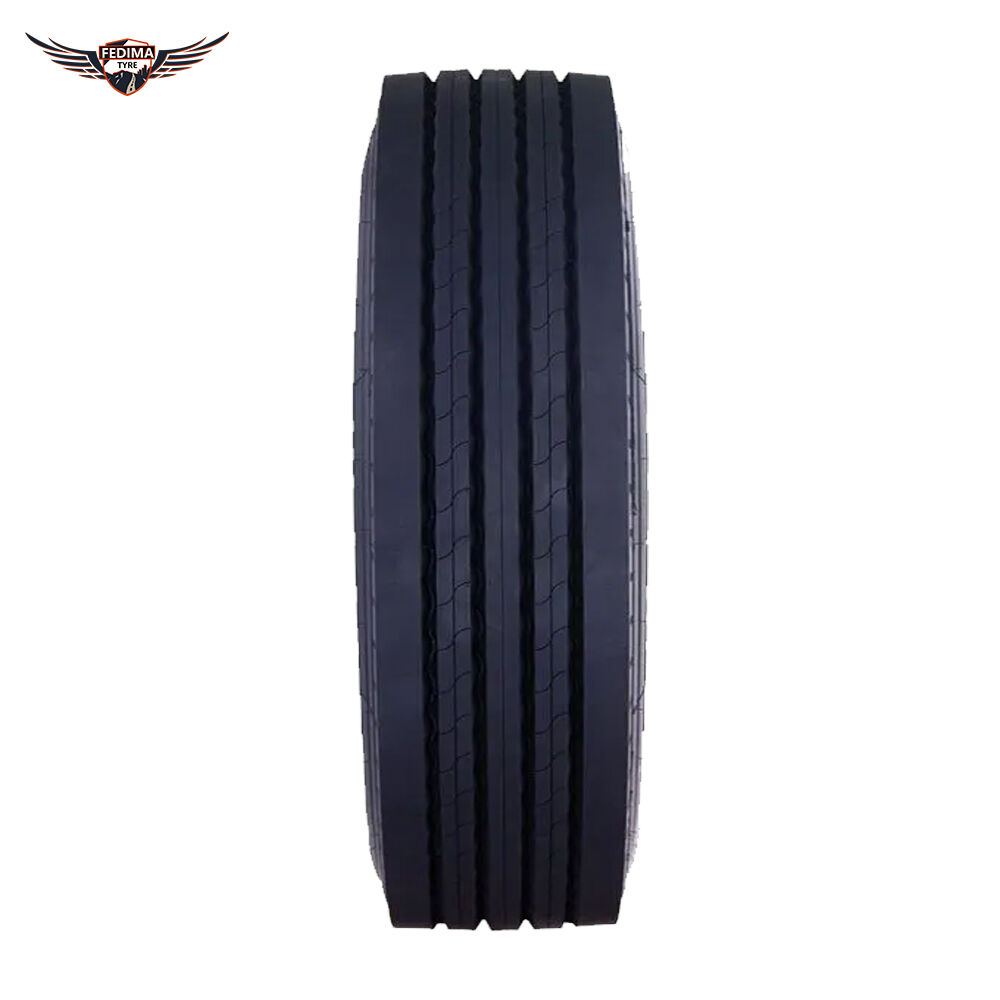
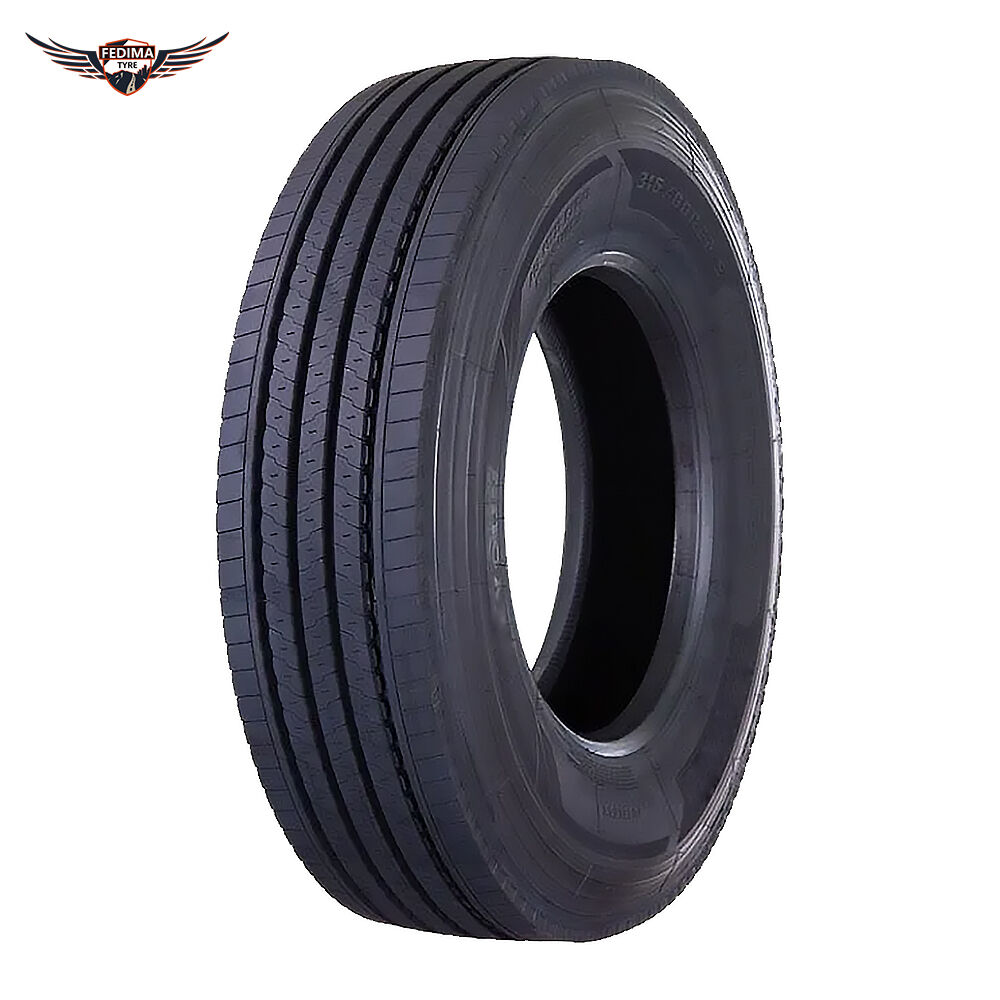
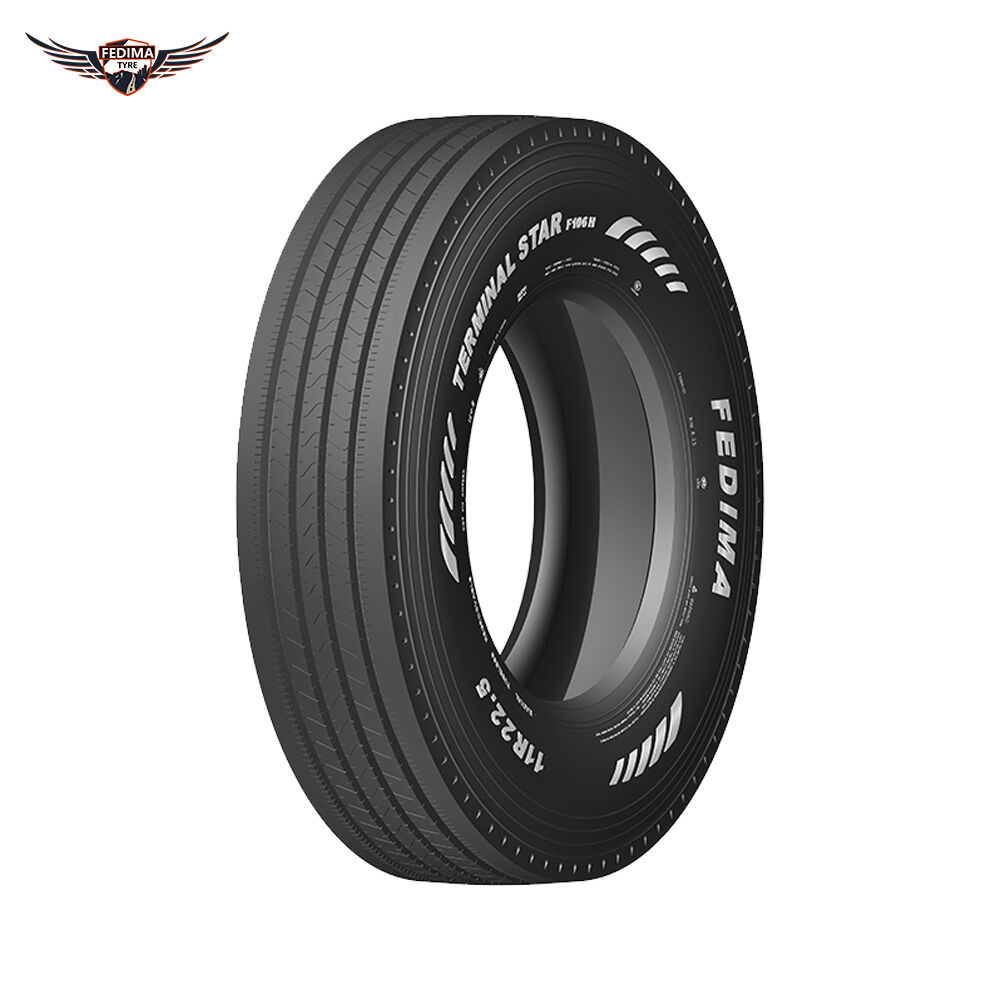
բեռնատարի վագոնի շարժասայլակներ
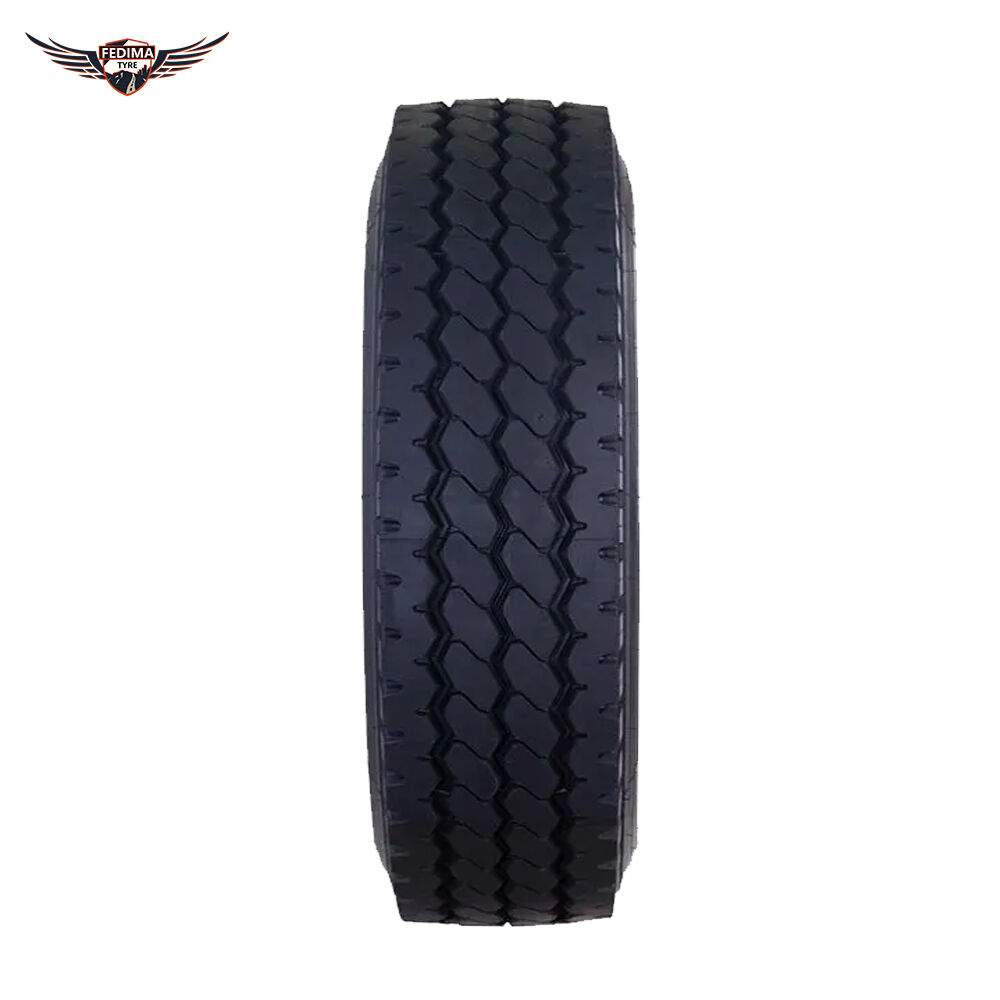
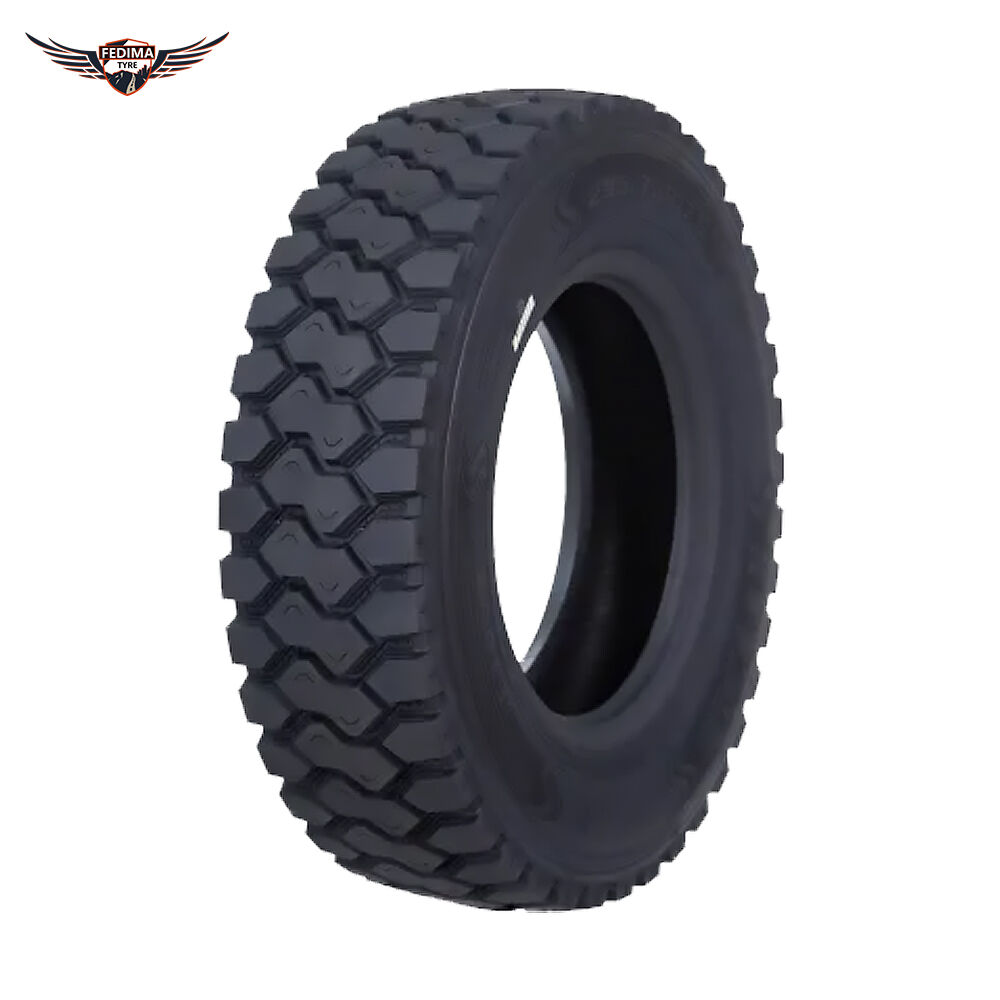
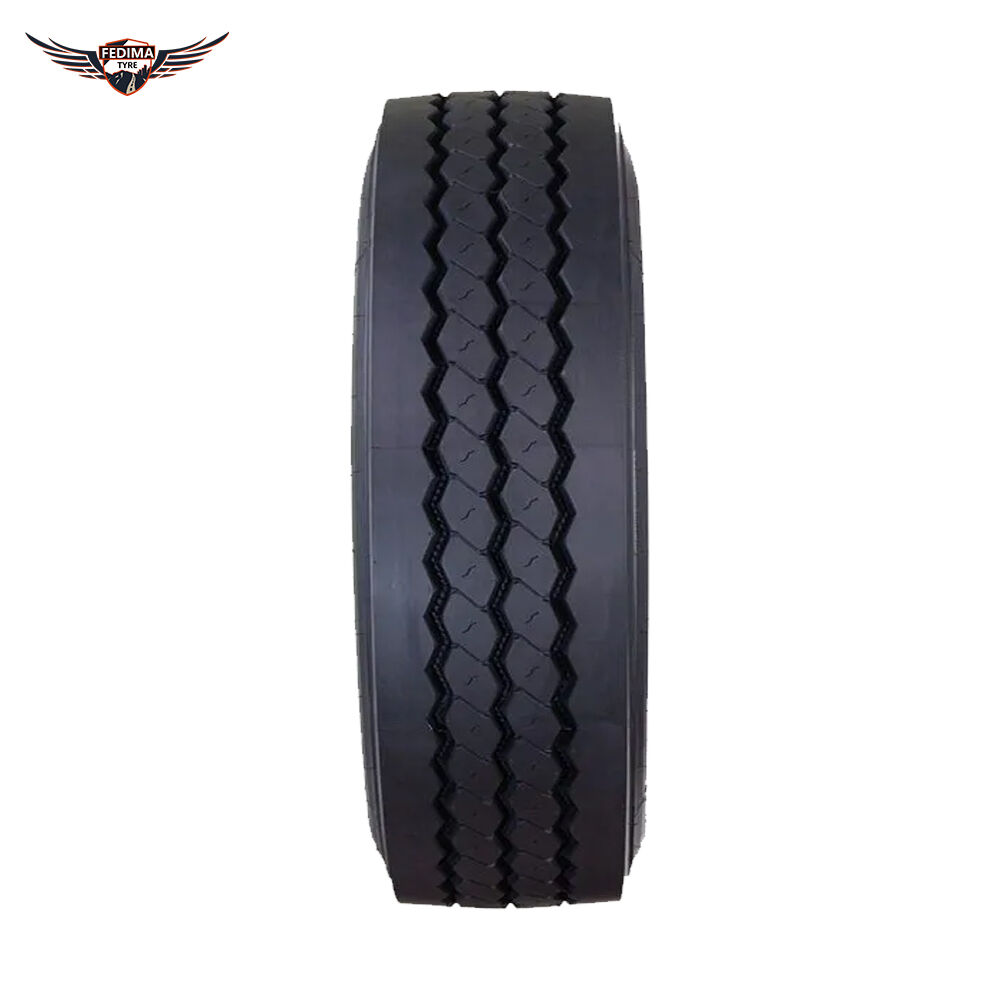
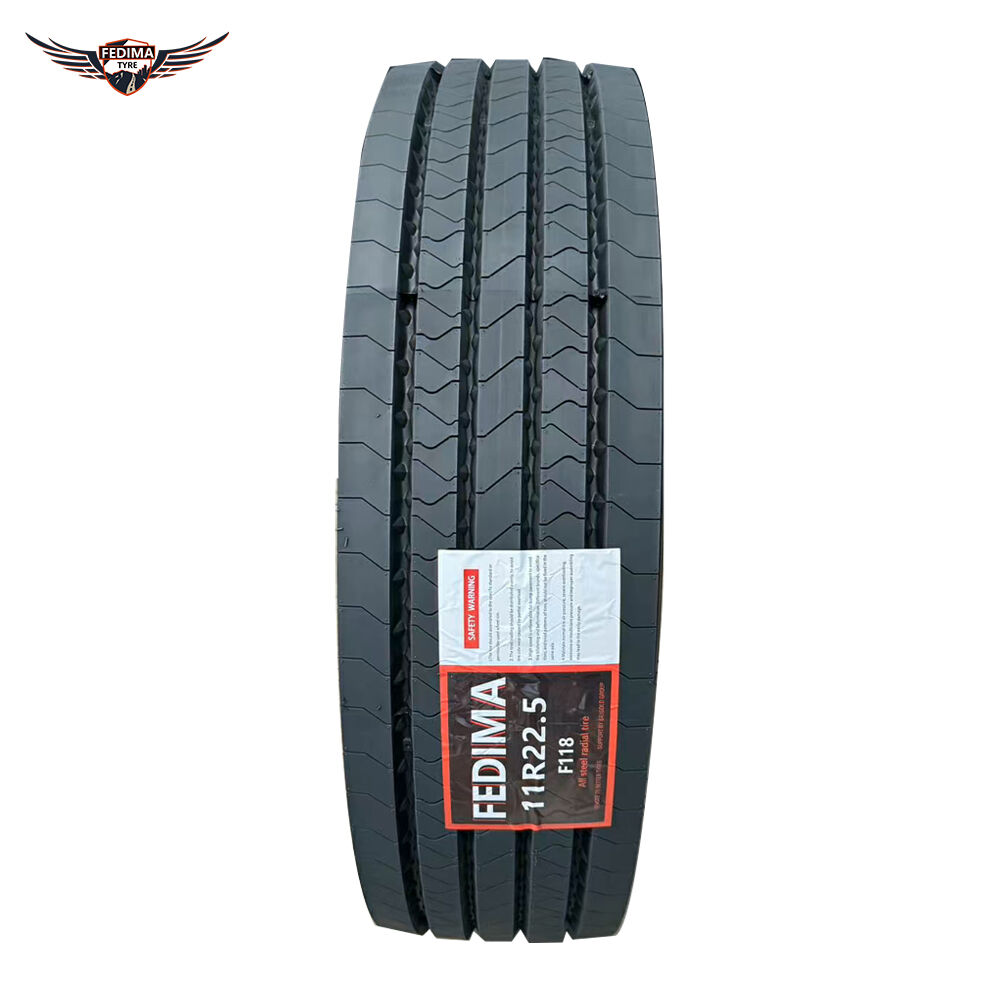
Քարշակների անվային շարժիչները տրանսպորտային և տրամադրման ոլորտում կարևորագույն բաղադրիչ են, որոնք հիմք են հանդիսանում բեռների անվտանգ և արդյունավետ տեղափոխման համար միջազգային մայրուղիներում և առևտրային երթուղիներում: Այս մասնագիտացված անվային շարժիչները մշակված են հատկապես ծանր բեռնատար կիրառումների համար՝ նախատեսված են երկար ճանապարհներում բեռնատար տրանսպորտային մեքենաների համար առաջադրվող բարձր պահանջներին դիմելու համար, միաժամանակ պահպանելով օպտիմալ աշխատանքային ցուցանիշներ մեծ բեռնատարողականության պայմաններում: Քարշակների անվային շարժիչների հիմնական գործառույթները գերազանցում են հիմնարար շարժման պահանջները և ներառում են բեռնավորման բաշխումը, թրթռումների կլանումը, ճանապարհի վրա կպչունության վերահսկումը և վառելիքի սպառման օպտիմալացումը: Այս անվային շարժիչները պետք է կարողանան կրել հսկայական քաշի բեռներ, որոնք լիովին լցված վիճակում հաճախ գերազանցում են 80.000 ֆունտը, միաժամանակ ապահովելով կայուն կառավարման հատկանիշներ տարբեր եղանակային պայմաններում և ճանապարհների տարբեր մակերեսներում: Ժամանակակից քարշակների անվային շարժիչների մեջ ներառված տեխնոլոգիական առանձնահատկություններն են՝ առաջադեմ ռետինե բաղադրատարրերը, որոնք բարձրացնում են մշակումային կայունությունը և դիմացկունությունը մաշվելու նկատմամբ, պողպատե ժապավենավորված ռադիալ կառուցվածքը՝ գերազանց ամրության և ջերմության ցրման համար, և հատուկ նախատեսված մակերեսային նախշերը՝ հատուկ կիրառումների համար, ինչպես օրինակ՝ միջազգային մայրուղիներով շարժումը, տարածաշրջանային տրամադրումը կամ խառը ծառայությունների կատարումը: Կառուցվածքը ներառում է մի քանի պողպատե ժապավեններ, ամրացված կողային մասեր և ճշգրիտ մշակված անվային շարժիչների մետաղական մասեր, որոնք ապահովում են ճիշտ մոնտաժումը և օդի պահպանումը: Շատ քարշակների անվային շարժիչներ օգտագործում են ցածր գլորման դիմադրության տեխնոլոգիա, որը նվազեցնում է վառելիքի սպառումը՝ նպաստելով շահագործման ծախսերի նվազեցմանը և շրջակա միջավայրի պահպանմանը: Քարշակների անվային շարժիչների կիրառման ոլորտները ընդգրկում են բազմաթիվ առևտրային ոլորտներ, այդ թվում՝ բեռնատար տրանսպորտային ծառայությունները, տրամադրման գործողությունները, շինարարական նյութերի տեղափոխումը, գյուղատնտեսական արտադրանքի տարածումը և մանրավաճառային ապրանքների տրամադրումը: Այս անվային շարժիչները դասակարգվում են դիրքի համապատասխան դիզայներով՝ ներառյալ առաջային առանցքների համար նախատեսված ղեկավարման անվային շարժիչները (որոնք պահանջում են ճշգրիտ կառավարում), շարժվող առանցքների համար նախատեսված շարժիչները (որոնք պահանջում են գերազանց կպչունություն) և քարշակների համար նախատեսված անվային շարժիչները (որոնք օպտիմալացված են վառելիքի սպառման նվազեցման և հավասարաչափ մաշվելու համար): Համապատասխան քարշակների անվային շարժիչների ընտրությունը կախված է բեռնավորման պահանջներից, երթուղիների բնութագրերից, եղանակային պայմաններից և շահագործման առաջնահերթություններից, ինչը դարձնում է ճիշտ անվային շարժիչների ընտրությունը կարևորագույն գործոն շահագործման հաջողության և վարորդների անվտանգության համար:

 EN
EN